Morioka Jaja Men And Reimen Travel Guide
Plan morioka jaja men and reimen with top picks, neighborhood context, timing tips, and practical booking advice for a smoother trip.
On this page
Morioka is a vibrant city in the Tohoku region that every food lover should visit at least once. This northern destination is famous for its incredible noodle culture and rich historical landmarks. Travelers often flock here to experience the legendary Three Great Noodles of Morioka in their authentic setting.
The city offers a unique blend of urban convenience and stunning natural scenery for all visitors. Walking through the streets reveals a deep respect for traditional crafts and modern culinary innovation. You will find that the local atmosphere is welcoming and perfect for a relaxed weekend getaway.
Useful resources: Wikipedia's Morioka overview and Wikivoyage's Morioka travel guide have up-to-date access and background details.
Must-See Morioka Attractions
Exploring the city begins with a visit to the most iconic 10 Best Things To Do In Morioka found in the downtown area. These sites showcase the unique character of the capital of Iwate Prefecture to new visitors. Most major landmarks are easily accessible within a short walk from the main train station.
The local food scene is deeply integrated into the daily life of every resident here. Dining at historical noodle shops allows you to participate in a long-standing regional tradition. You can find many restaurants that have served these specialties for several generations. These establishments often provide English menus to help international guests order with confidence.
Architecture enthusiasts will appreciate the mix of Meiji-era buildings and modern Japanese design. The city preserves its heritage while embracing the needs of a growing tourist population. Plan to spend at least one full day visiting the various cultural sites across the city center.
Museums, Art, and Culture in Morioka
The Morioka Iwate Bank Red Brick Building building stands as a symbol of the city's historical wealth. This stunning structure features classic Western-style architecture that contrasts beautifully with nearby traditional shops. Visitors can take photos of the exterior or explore the interior during public opening hours.
Local museums offer deep insights into the ironware and textile industries of the region. You can watch artisans create beautiful Nambu Tekki iron kettles in several specialized workshops. These handmade items represent centuries of craftsmanship that still thrives in Morioka today. Purchasing a small craft item makes for a meaningful and high-quality souvenir from your trip.
Art galleries throughout the city highlight the works of talented artists from across northern Japan. Many exhibitions focus on the relationship between the local landscape and traditional Japanese aesthetics. The quiet atmosphere of these cultural spaces provides a peaceful break from busy sightseeing schedules.
Parks, Gardens, and Outdoor Spots in Morioka
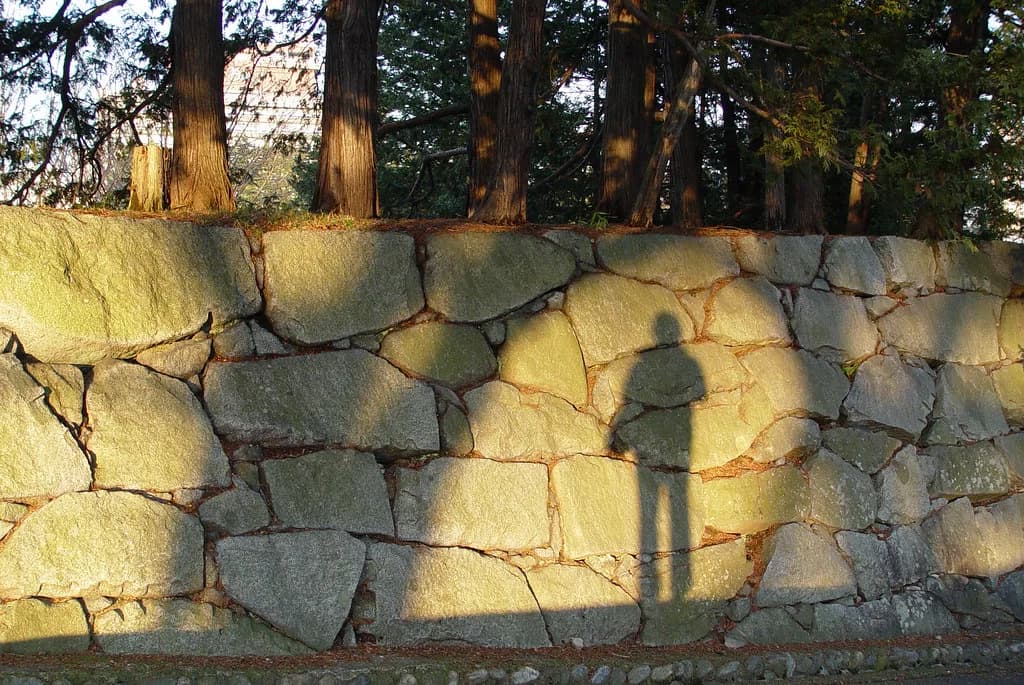
A walk through the Morioka Castle Ruins Park: 7 Essential Tips for Your Visit is essential for any nature lover. The park features impressive stone walls that remain from the original fortress built centuries ago. Seasonal flowers and tall trees create a refreshing environment for a morning stroll or picnic.
Spring travelers should prioritize visiting the Morioka Cherry Blossoms: Best Spots and 2026 Viewing Guide which typically bloom in late April. The famous Rock-Breaking Cherry Tree is a natural wonder that draws crowds from all over Japan. This unique tree grows directly out of a giant granite boulder in the city center. Witnessing the pink petals against the grey stone is a highlight of the spring season.
Riverside paths along the Nakagawa River offer scenic views of the surrounding mountains and bridges. You can enjoy a peaceful jog or a slow walk while watching the water flow through the city. These outdoor spaces are perfect for families who need a place for children to play safely.
Family-Friendly and Budget-Friendly Options in Morioka
Dining on a budget is easy when you choose the famous 10 Things to Know About Wanko Soba in Morioka experience. While the all-you-can-eat version costs around 3,500 yen, smaller sets are available for much less. Many noodle shops offer affordable lunch specials that include a main dish and several sides.
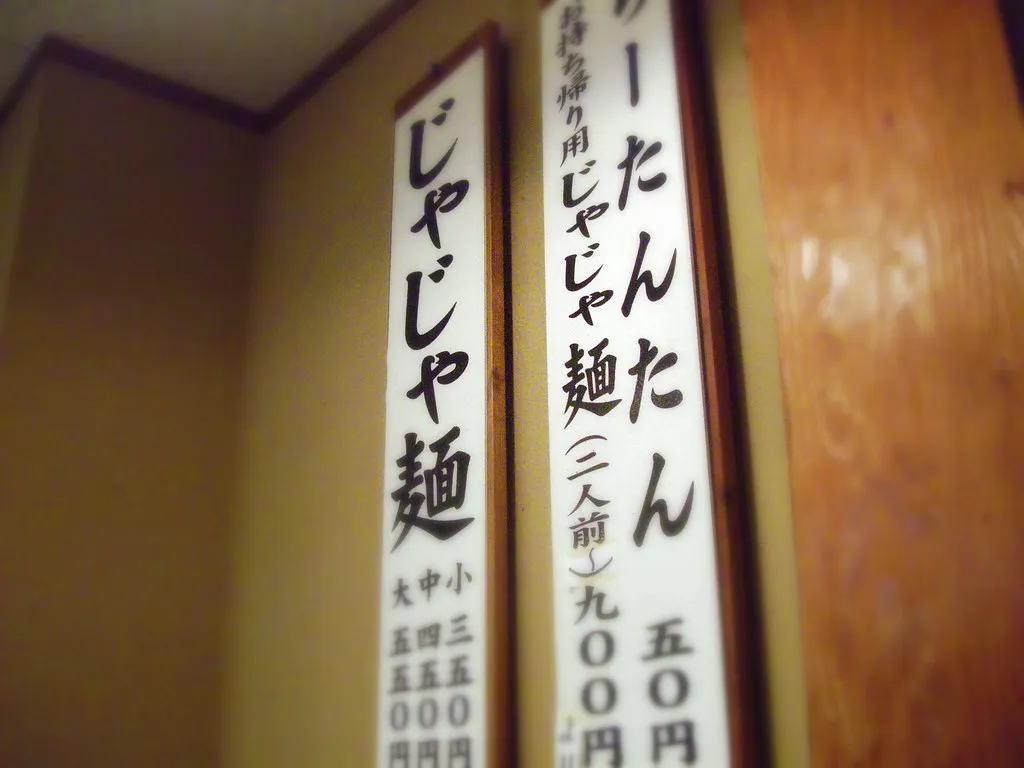
Jajamen is one of the most cost-effective meals you can find in the entire city. A standard bowl of these savory noodles typically costs between 600 and 900 yen. Families will find that most restaurants are very accommodating to children and large groups. Sharing different types of noodles is a great way to taste everything without overspending.
Many of the city's best parks and historical exterior sites are completely free to visit. You can save money by walking between attractions instead of using taxis or buses. The compact nature of the downtown area makes it very friendly for budget-conscious travelers.
How to Plan a Smooth Morioka Attractions Day
Understanding the logistics of How to Get to Morioka: A Complete Travel Guide is the first step for a smooth trip. The Hayabusa Shinkansen connects Tokyo to Morioka in just over two hours of travel time. Purchasing a Japan Rail Pass can help you save money if you plan to visit other cities.
Start your morning early to avoid the longest queues at the most popular noodle restaurants. Many famous shops open for lunch at 11:00 AM and fill up very quickly with locals. Consider visiting the castle ruins in the afternoon when the lighting is best for photography. Booking your accommodation near the station will make arriving and departing much more convenient.
Check the local weather forecast before you head out for a day of outdoor exploration. The northern climate can be quite cool even during the summer months in Iwate. Wearing comfortable walking shoes is highly recommended for navigating the city's various historical districts.
Morioka Reimen Recipe — Chewy Cold Noodles with Kimchi
Creating authentic "Morioka reimen" (Wikipedia) involves a meticulous process to ensure the best flavor. The broth must be made from high-quality beef bones and chicken stock for a rich taste. Simmering the stock for several hours creates the clear and savory base required for the dish.
The noodles are boiled for approximately five to seven minutes depending on their thickness. Immediately rinsing them in ice-cold water is the secret to achieving their famous chewy texture. This step removes excess starch and stops the cooking process instantly for a firm bite. Properly prepared noodles should be translucent and slightly rubbery when served to the customer.
Kimchi provides the essential spicy kick that balances the savory richness of the cold broth. You can often choose your preferred spice level from mild to extra hot at most restaurants. Adding the kimchi directly into the soup allows the flavors to meld together perfectly.
Keep your serving bowls in the freezer for ten minutes before assembling the final dish. Serving the meal at a very low temperature is vital for the authentic reimen experience. This refreshing coldness makes the dish a favorite choice during the humid Japanese summer.
Ski You There: Our Recommendations of Ski and Snow Resorts across Japan
Morioka serves as an excellent base for travelers looking to explore nearby winter sports destinations. Several world-class ski resorts are located within an hour's drive or train ride from the city. The heavy snowfall in Iwate Prefecture ensures excellent powder conditions throughout the winter season.
After a long day on the slopes, a hot bowl of jajamen is the perfect way to warm up. The thick noodles and savory meat sauce provide the energy needed for another day of skiing. You can easily return to the city in the evening to enjoy the local nightlife and dining. Many resorts offer shuttle buses that connect directly to Morioka Station for easy transportation.
Winter travelers will find that the city is much quieter and more peaceful during the snowy months. The contrast of the white snow against the historical red brick buildings is truly beautiful. Plan your visit in February to experience the peak of the winter season and the best snow.
Assembly: Kimchi, Cucumber, Egg, and Seasonal Fruit
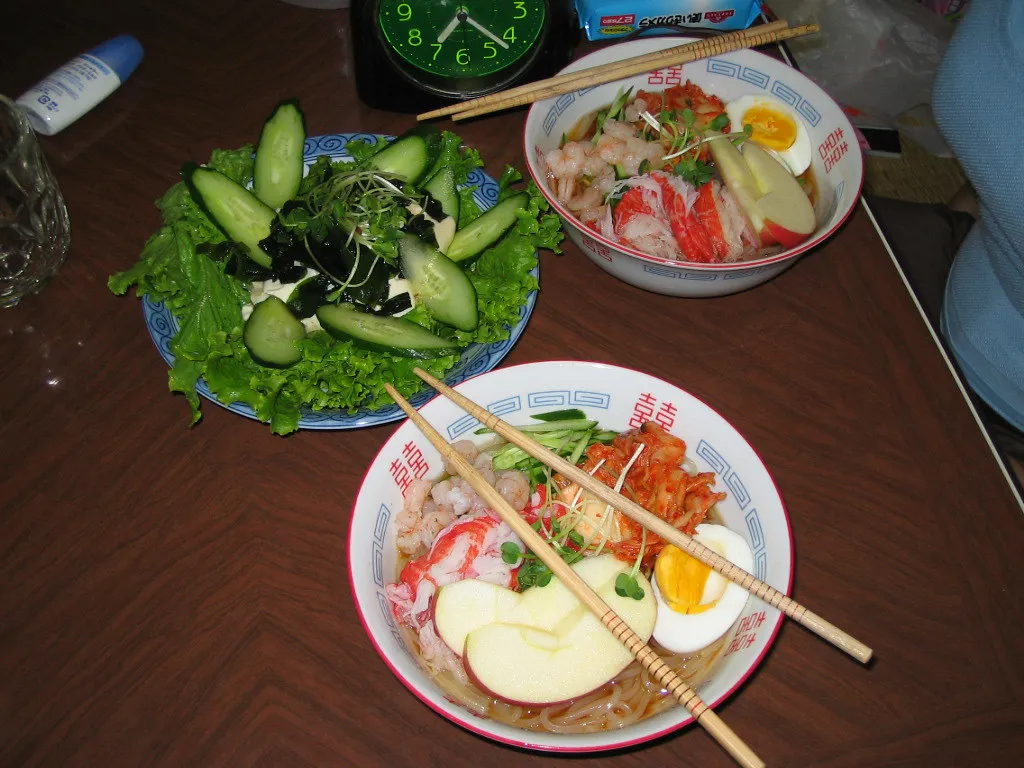
The visual presentation of Morioka Reimen (盛岡冷麺) — Food in Japan is just as important as the taste. Every bowl is carefully arranged with a variety of colorful toppings to enhance the meal. Fresh cucumber slices and half a boiled egg are standard additions to every serving.
One of the most unique features of this dish is the inclusion of seasonal fruit. Slices of watermelon, apple, or pear are used depending on the time of the year. The sweetness of the fruit provides a refreshing contrast to the spicy kimchi and savory broth. This unexpected combination is what makes the Morioka version of cold noodles so distinctive.
Place the noodles in the center of the bowl before pouring the chilled broth over them. Arrange the toppings neatly on top to create an appetizing and balanced look for the diner. A small amount of sesame seeds can be sprinkled over the top for extra flavor and texture.
Morioka Reimen vs Korean Naengmyeon — Comparison Table
It is helpful to understand the differences between Morioka Reimen Noodles — Iwate Official Travel Guide and Korean naengmyeon. While both dishes share a common history, they have evolved into very different culinary experiences. The Japanese version is specifically adapted to suit the local palate of the Tohoku region.
Korean naengmyeon often uses buckwheat or sweet potato starch which results in a darker noodle. The noodles in Morioka are typically made from wheat flour and potato starch for a lighter color. You will notice that the Japanese broth is often richer and less acidic than the Korean style. Morioka chefs also place a greater emphasis on the chewy, rubbery texture of the noodles themselves.
Spice levels in Morioka are usually managed by adding varying amounts of radish kimchi to the bowl. In contrast, some Korean styles use a spicy sauce mixed directly with the dry noodles. Both versions are delicious, but the Morioka style offers a unique chewiness that is hard to find elsewhere.
- Morioka Reimen Characteristics
- Noodle Base: Wheat and potato starch
- Broth Style: Rich beef and chicken
- Fruit: Watermelon or apple
- Texture: Extremely chewy and smooth
- Korean Naengmyeon Characteristics
- Noodle Base: Buckwheat or sweet potato
- Broth Style: Tangy beef or water
- Fruit: Usually Asian pear
- Texture: Thin and slightly firm
Noodles: Wheat + Starch for Extreme Chew
The secret to the perfect bowl lies in the specific ratio of wheat flour and potato starch. This combination creates a noodle that is both strong and incredibly elastic for the diner. Finding the right 9 Best Areas and Tips: Where to Stay in Morioka allows you to be near the best noodle shops.
Chefs often make their noodles fresh every day to ensure the highest quality and best texture. The dough must be pressed through a specialized machine to create the uniform round shape. This high-pressure process contributes to the dense and satisfying bite of the final product. You can really feel the difference in quality when eating noodles that were made just hours ago.
The extreme chewiness is a point of pride for many local restaurant owners in the city. First-time visitors are often surprised by how much effort is required to chew the noodles. This physical experience is a key part of what makes dining in Morioka so memorable and fun.
Frequently Asked Questions
What is the best time to visit Morioka for food?
The Best Time To Visit Morioka: A Seasonal Travel Guide for food is during the summer months when reimen is most refreshing. However, jajamen is a great comfort food that can be enjoyed throughout the entire year. Visiting in spring also allows you to see the beautiful cherry blossoms while you eat.
Is Morioka reimen very spicy?
Morioka reimen can be as spicy as you want it to be. Most restaurants offer several levels of heat, ranging from completely mild to very spicy. The spice comes from the radish kimchi that is added to the cold beef broth before serving the dish.
What are the three great noodles of Morioka?
The three great noodles of Morioka are wanko soba, reimen, and jajamen. Wanko soba is an all-you-can-eat experience, reimen is a cold and chewy noodle dish, and jajamen features thick noodles with a savory meat sauce. Each dish offers a unique taste of the city's culture.
How do you eat Morioka jajamen?
To eat jajamen, you first mix the thick noodles with the black miso meat sauce and ginger. After finishing most of the noodles, you crack a raw egg into the bowl. The staff then adds hot noodle water to create a delicious soup called chi-tan-tan to finish the meal.
Morioka offers a culinary adventure that is unlike any other city in Japan. From the extreme chew of reimen to the interactive fun of jajamen, the noodle scene here is truly world-class. Make sure to explore the historical sites and beautiful parks between your meals for a complete travel experience.
The warm hospitality of the local people will make your visit even more enjoyable and memorable. Plan your trip soon to discover why this northern gem is a favorite for Japanese food enthusiasts. You will certainly leave the city with a full stomach and many wonderful new memories.
Free guide: Japan's Hidden Gems
12 under-the-radar places beyond Tokyo & Kyoto — with the best season to visit each and a local tip you won't find in the guidebooks.
You might also like

Continue reading
More guides you'll find useful