The Gozaku Merchant District offers a fascinating look into the traditional commerce and architecture of the Tohoku coastal region. Visitors often feel transported back in time while walking through these historic streets and viewing preserved structures. This area serves as a vital cultural hub for the Minamisanriku and Tokura communities today.
Exploring this district allows you to discover unique local crafts and seasonal seafood specialties. Many travelers use this guide to navigate the blend of historical landmarks and modern conservation efforts. You can easily pair a trip here with a broader Morioka travel guide to see more of the region.
Planning your journey requires understanding the local tide schedules and the significance of the surrounding forests. Each corner of the district tells a story of resilience and deep connection to the sea. Our guide ensures you capture the most authentic experiences during your stay in 2026.
Must-See Gozaku Merchant District Visitor Guide Highlights
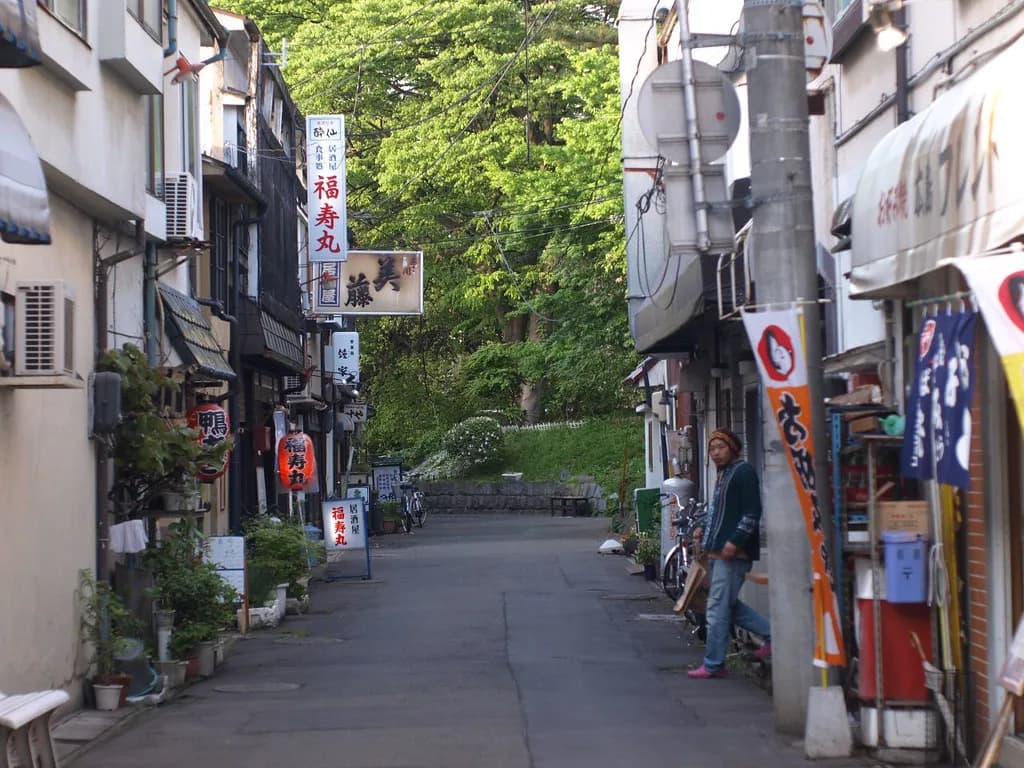
The merchant district stands as a testament to the thriving trade routes that once defined this coastal area. You will find beautifully maintained buildings that reflect the architectural styles of the late Edo and Meiji periods. These structures now house charming cafes and small boutiques selling artisanal goods.
Walking through the main thoroughfare provides ample opportunities for photography and quiet reflection. The atmosphere remains peaceful even during the busier weekend afternoons in the summer months. Local shopkeepers often share stories about the history of their family businesses with interested guests.
Strategic placement along the ria coast allowed these merchants to prosper through maritime commerce for generations. Modern visitors can still see the influence of the sea in the local design and food culture. It is helpful to start your morning here to enjoy the soft light on the historic facades.
The district also features several hidden alleys that lead to smaller shrines and community gathering spots. Exploring these off-the-beaten-path locations reveals the true heart of the Tokura community. Keep an eye out for traditional signage that explains the significance of specific heritage sites.
Museums, Art, and Culture in Gozaku
Cultural enthusiasts will appreciate the various galleries and small museums scattered throughout the district. These venues showcase everything from traditional pottery to modern photography inspired by the local landscape. You might find a similar dedication to heritage at the Morioka History Museum during your regional travels.
Seasonal exhibitions often highlight the Gyozanryu Mitobe Shishiodori, a traditional lion dance with deep local roots. This performance represents the spiritual connection between the people and the natural world. Learning about these arts provides a deeper layer of meaning to your coastal adventure.
Art workshops are frequently available for those who want to try their hand at local crafts. You can learn traditional dyeing techniques or simple woodcarving from experienced local masters. These sessions usually require advance booking to ensure the availability of materials and instructors.
The district also hosts small literary displays that celebrate poets and writers moved by the Tohoku scenery. These quiet spaces offer a nice break from outdoor exploration on warmer days. Many visitors find that these cultural stops provide the best insights into the local identity.
Parks, Gardens, and Outdoor Spots in Gozaku
Nature lovers should prioritize a visit to the Obandaira forest area for its lush greenery and serene trails. The forest paths offer varying levels of difficulty for hikers of all experience levels. You can enjoy panoramic views of the jagged coastline from several well-marked observation points.
The ria coast provides a dramatic backdrop for outdoor activities like kayaking or birdwatching along the shore. For those who enjoy manicured landscapes, the Morioka Castle Ruins Park offers a different but equally beautiful park experience nearby. Both locations emphasize the importance of preserving natural spaces for future generations.
Spring brings vibrant cherry blossoms to the district, while autumn transforms the hillsides into a sea of red and gold. Each season offers a new perspective on the intersection of the merchant town and the wild coast. Many families choose the park areas for afternoon picnics and relaxed strolls.
Coastal conservation is a major theme throughout the outdoor spots in the Tokura district. Information boards explain how the local ecosystem has been restored and protected over recent years. These efforts ensure that the beauty of the region remains intact for visitors in 2026 and beyond.
Family-Friendly and Budget-Friendly Options in Gozaku
Traveling with children is easy in this district thanks to the wide pedestrian paths and interactive displays. Many of the historical sites offer free admission or very low entry fees for younger visitors. You can find affordable snacks like grilled seafood and local sweets at various street stalls.
The open spaces near the water allow kids to burn off energy while parents enjoy the scenery. If you are looking for more expansive family activities, a trip to Koiwai Farm is a popular choice in the wider region. Both areas focus on providing educational and fun experiences for all ages.
Budget-conscious travelers can take advantage of the many free walking tours offered by local volunteers. these guides provide excellent context without the high cost of private commercial tours. Packing a lunch and eating by the harbor is another great way to save money while enjoying the view.
Public restrooms and rest areas are conveniently located throughout the merchant district for guest comfort. Most shops and attractions are within easy walking distance of each other, reducing the need for expensive transport. This accessibility makes the area a top choice for relaxed family outings.
How to Plan a Smooth Gozaku Attractions Day
Successful visits often begin with a check of the local weather and tide forecasts. Some coastal attractions are best viewed during specific times of the day to see the rock formations clearly. You should consult the Minamisanriku Tourism Association Official Guide for the most accurate and updated schedules.
Public transportation options include local buses and trains that connect the district to larger hubs. If you are coming from the city, reviewing Morioka city attractions can help you plan a multi-day itinerary. Renting a car provides the most flexibility for reaching the more remote forest areas and coastal viewpoints.
Many local restaurants close early in the evening, so plan your dinner arrangements before sunset. Making reservations for specialized experiences like fishery tours is highly recommended during the peak travel season. Most establishments accept credit cards, but carrying some cash for smaller street vendors is wise.
Wear comfortable walking shoes as the district features some uneven cobblestone streets and hilly terrain. Carrying a reusable water bottle is a good idea to stay hydrated during your outdoor explorations. Early morning arrivals allow you to avoid the largest crowds and find parking more easily.
Fishery Experience at Fisherman’s Banya
The Fisherman’s Banya offers a unique hands-on look at the sustainable fishing practices of the region. This experience is led by Mr. Kenichi Muraoka, who is a passionate advocate for the rejuvenated ocean mission. Participants can learn about the delicate balance of the marine ecosystem while helping with daily tasks.
You might get the chance to assist with harvesting seaweed or preparing traditional fishing nets during your visit. This activity provides a rare insight into the hard work and dedication required to maintain a healthy coastline. The cultural significance of these practices is shared through stories and direct instruction from the crew.
Conservation efforts here focus on restoring the seabed and ensuring the long-term health of local fish stocks. Visitors often leave with a newfound respect for the sea and the people who make their living from it. It is a powerful example of how tourism and environmental protection can work together.
Booking this experience requires contacting the organizers in advance due to limited daily capacity. The sessions are weather-dependent, so flexibility in your schedule is helpful for a smooth experience. This is often cited as a highlight for those seeking authentic and meaningful travel memories.
Cape Kamiwarisaki and the Legend of the Split Cape
Cape Kamiwarisaki is famous for its dramatic rock formation that appears to be split perfectly in two. This site serves as a natural geographical boundary between the towns of Minamisanriku and Ishinomaki. The crashing waves between the rocks create a powerful visual and auditory experience for all who visit.
Local folklore tells the legend of a massive whale that washed ashore and caused a dispute between two villages. According to the story, a god split the cape in two to settle the argument and share the whale fairly. This "God-divided" legend remains a central part of the cultural identity of the surrounding area.
The best time to visit is during high tide when the water surges through the narrow gap with great force. Photographers often flock here during the sunrise to capture the light hitting the split rock just right. A well-maintained path leads from the parking area directly to the most popular viewing platforms.
Nearby camping grounds and picnic areas make this a great spot for a longer outdoor stay. You can explore the surrounding cliffs and enjoy the fresh sea breeze while reflecting on the ancient legends. It is a must-see destination for anyone following a Gozaku merchant district visitor guide.
- Cape Kamiwarisaki Viewing Tips
- Best Time: High tide
- Legend: The God-divided whale
- Location: Minamisanriku boundary
- Cost: Free access
Frequently Asked Questions
What is the legend of Cape Kamiwarisaki?
The legend says a god split the cape in two to resolve a dispute between two villages over a stranded whale. This geographical feature now marks the boundary between Minamisanriku and Ishinomaki. You can see the split rock clearly from the observation deck near the Hachimangu Shrine regional area.
How do I book a fishery experience in Minamisanriku?
You should book the Fisherman’s Banya experience through the local tourism office or their official website in advance. These tours are led by experts like Mr. Kenichi Muraoka and focus on ocean conservation. Capacity is limited, so early reservations are essential for peak dates.
What are the best things to do in the Gozaku area?
Top activities include walking through the historic merchant streets, visiting Cape Kamiwarisaki, and exploring the Obandaira forest. You should also try local seafood and participate in a fishery experience. The blend of culture and nature offers something for every type of traveler.
Is the Gozaku merchant district accessible by public transport?
Yes, local buses and trains connect the district to major stations in the Tohoku region. While public transport is available, renting a car offers more flexibility for reaching remote spots like the split cape. Plan your schedule around the limited bus timings for a smoother trip.
How long should I spend in the merchant district?
Around 45 minutes to an hour to browse the old stores, craft shops and riverside lanes.
The Gozaku Merchant District provides a perfect blend of historical charm and natural coastal beauty. From the legendary split rocks of Cape Kamiwarisaki to the sustainable fishery at Fisherman’s Banya, there is much to discover. This region rewards those who take the time to learn its stories and explore its quiet corners.
Using this guide will help you navigate the best spots while supporting the local community and conservation efforts. Whether you are interested in ancient legends or modern crafts, your visit in 2026 will be truly memorable. We hope you enjoy the unique spirit and hospitality of this remarkable Japanese merchant district.
For authoritative information, refer to the Gozaku Merchant District on Wikipedia and Gozaku Merchant District official site.