Morioka welcomes travelers with a deep sense of heritage and quiet northern charm. Exploring the city often starts at the Morioka History and Culture Museum, located at 1-50 Uchimaru, Morioka, Iwate 020-0023, Japan. This modern facility serves as a gateway to understanding the Nanbu Clan and local traditions. Visitors find it conveniently situated right next to the historic castle ruins.
Quick Summary: Open daily from 9:00 AM to 7:00 PM, with admission fees only for the upper floor. The Morioka History and Culture Museum Official site provides updates on seasonal closures and special events. Travelers often combine this stop with a walk through the surrounding parkland. It is the perfect place to begin your journey into the heart of Morioka.
Whether you are a history buff or a casual tourist, the exhibits offer something unique. Massive festival floats dominate the entrance, showcasing the scale of local celebrations. Detailed dioramas and ancient artifacts wait on the second floor for those seeking deeper knowledge. This guide will help you navigate the museum and the vibrant city surrounding it.
Must-See Morioka Attractions
The museum stands as a central pillar among the many sights in this walkable city. It connects the legacy of the Nanbu Clan to the modern daily life of Iwate residents. Many people start their morning here before wandering toward the shopping districts. The facility acts as a cultural compass for the entire region.
Walking through the halls reveals the strategic importance of the old castle town. You can see how the rivers shaped the development of local industries over centuries. The museum provides context that makes other landmarks feel more meaningful. It is an essential stop for anyone wanting to truly understand the city.
Nearby streets offer a mix of traditional crafts and modern cafes. You might spot Nambu ironware shops that have operated for generations in this area. These small businesses keep the spirit of the museum's exhibits alive in the real world. Every corner of the neighborhood tells a story of resilience and artistry.
If you are looking for day-by-day itineraries in Morioka, consider making the museum your first stop. It helps you visualize the city layout before you explore the narrow alleys. This preparation makes navigating the historic districts much more rewarding. You will appreciate the architecture more after seeing the historical models inside.
Museums, Art, and Culture in Morioka
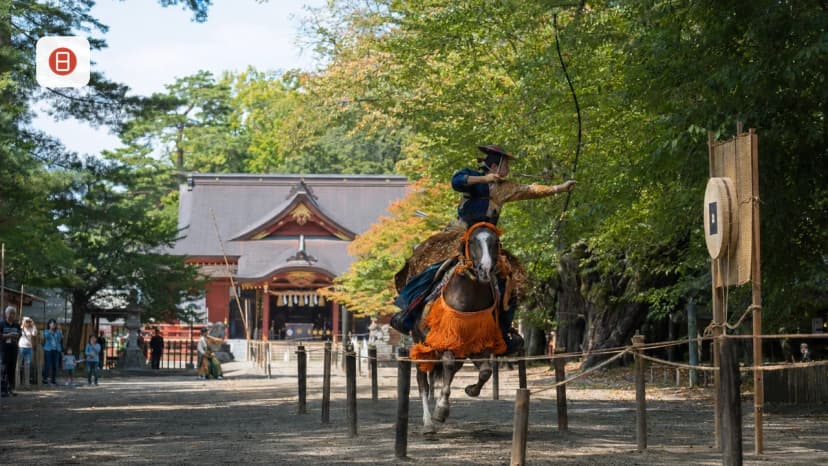
The museum is cleverly divided into two distinct experiences for visitors. The first floor is entirely free and focuses on the city's famous festivals. Here, you can stand beside massive floats used in the Chagu Chagu Umakko horse festival. The vibrant colors and intricate designs are truly breathtaking to see up close.
Moving to the second floor requires a small admission fee for adults. This area houses a vast collection of historical artifacts from the Edo period. You can examine samurai armor, ancient maps, and delicate calligraphy. These items provide a window into the lives of the ruling Nanbu family.
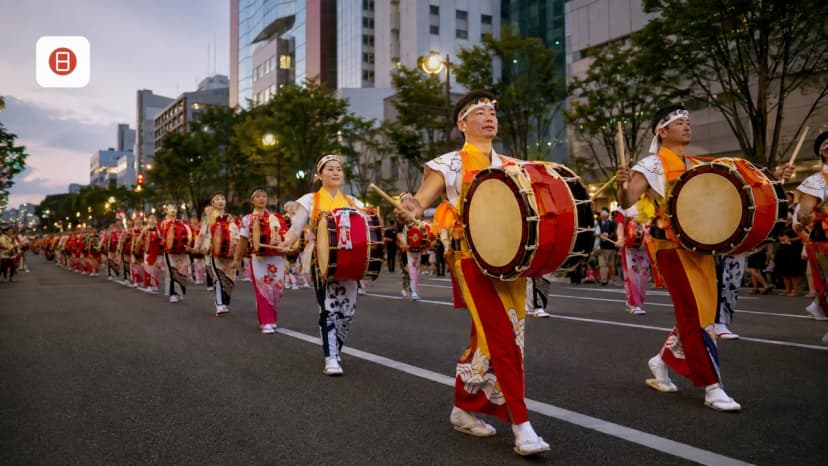
Interactive displays make the history feel accessible to younger audiences. Digital screens explain the significance of the Sansa Odori festival through video and sound. You can learn about the rhythmic drumming that defines Morioka's summer nights. These high-tech elements balance the traditional displays perfectly.
The museum shop offers a curated selection of local handicrafts for sale. You can find small iron bells and hand-painted charms that reflect the exhibits. Buying a souvenir here supports the local artisans who keep these traditions going. It is a great way to take a piece of Iwate culture home with you.
Special exhibitions often rotate through the temporary galleries during the year. These shows might focus on specific artists or niche historical events. Check the museum calendar if you are planning a visit in late 2026. You might find a unique event that aligns with your travel dates.
Parks, Gardens, and Outdoor Spots in Morioka
The museum sits directly within the beautiful Morioka Castle Ruins Park. While the main castle building no longer stands, the impressive stone walls remain. These massive granite blocks showcase the incredible engineering of the feudal era. Strolling through the park offers a peaceful escape from the urban streets.
Each season brings a new look to the surrounding garden areas. Cherry blossoms create a pink canopy in the spring, drawing crowds from across Tohoku. Autumn transforms the maples into brilliant shades of red and orange. Winter offers a quiet, snowy landscape that feels like a traditional ink painting.
Walking paths connect the museum to several scenic overlooks within the park grounds. You can find quiet benches that offer views of the distant Mount Iwate. The mountain serves as a dramatic backdrop for the city skyline. It is a favorite spot for locals to relax and enjoy the fresh air.
Nearby, the Nakagawa River provides a lovely route for a riverside walk. You can watch the water flow past as you head toward other historic districts. The sound of the river adds a calming element to your sightseeing day. Nature and history truly coexist in this part of the city.
Family-Friendly and Budget-Friendly Options in Morioka
Traveling with a family can be expensive, but Morioka offers many low-cost activities. The museum's free first floor is a major highlight for budget-conscious visitors. Kids will love seeing the full-sized festival floats without needing a ticket. It provides a high-value experience for absolutely no cost.
If you have extra time, the Morioka Zoological Park is a short drive away. This zoo features many animals native to the colder northern climates. It is a great place for children to run around and learn about wildlife. The park often hosts family events during the warmer months.
The city loop bus, known as the 'Denden-mushi,' is very affordable for families. It stops right near the museum and connects to the main train station. A single ride costs very little, and day passes are also available. This makes hopping between different attractions easy and stress-free.
Public parks around the museum are perfect for a low-cost picnic lunch. You can buy local snacks at a nearby convenience store and enjoy the scenery. Many areas have open spaces where children can play safely. It is a simple way to enjoy the city's atmosphere without spending much.
How to Plan a Smooth Morioka Attractions Day
A smooth day in the city requires a bit of strategic planning. Start your morning at the museum to get a handle on the local history. Then, take a short walk to the Gozaku Merchant District for some shopping. This route keeps you in the most historic parts of town.
Lunch is the perfect time to try the famous local noodles. You must choose between the fun of Wanko Soba or the spice of Morioka Reimen. Both options are available within walking distance of the museum. Many restaurants offer English menus to help international travelers decide.
After lunch, consider a trip to the Morioka Handcraft Park to see artisans at work. You can even try making your own Nambu ironware or traditional cookies. This hands-on experience brings the museum's history to life. It is a great way to spend a few hours in the afternoon.
Finish your day with a quiet stroll back through the castle ruins. The evening light makes the stone walls look particularly beautiful. You can then head back to the station via the loop bus. This plan ensures you see the best of the city without rushing.
- Morioka Lunch Decision Matrix
- Option 1: Wanko Soba
- Style: All-you-can-eat challenge
- Best for: Hungry travelers
- Vibe: Lively and fast-paced
- Morioka Lunch Decision Matrix
- Option 2: Morioka Reimen
- Style: Cold spicy noodles
- Best for: Refreshing meal
- Vibe: Casual and local
Annaka City, Gunma: A Harmonious Blend of Railways
While Morioka focuses on the Nanbu clan, rail fans might look toward Annaka City in Gunma. Both regions share a deep connection to Japan's transportation history. Morioka is a major Shinkansen hub, while Annaka celebrates its railway heritage. Comparing these two areas reveals how infrastructure shapes regional culture.
Travelers moving between these regions can enjoy the contrast in landscapes. The northern ruggedness of Iwate differs from the mountainous terrain of Gunma. Both cities offer a look at how traditional life adapted to modern technology. It is a fascinating study for those interested in Japanese development.
Visiting both allows you to see different sides of the Tohoku and Kanto regions. You can experience the quiet dignity of Morioka's castle town first. Then, explore the industrial energy of Gunma's railway museums. This variety makes for a well-rounded travel itinerary across Japan.
Sakura Series: Your One Stop Guide to All Things Cherry Blossoms!
Just a few minutes from the museum lies one of Japan's most unique trees. The Ishiwari-zakura, or Rock-Splitting Cherry Tree, is a must-see during the spring. This 400-year-old tree grows directly out of a massive granite boulder. It is a powerful symbol of nature's strength and beauty.
Peak bloom usually occurs in mid to late April in this part of Tohoku. The museum area becomes a hub of activity as locals gather for hanami. You can enjoy the blossoms while exploring the castle ruins next door. It is one of the most photographed spots in the entire prefecture.
If you arrive later in the season, do not worry about missing the flowers. Nearby spots like the Morioka Zoological Park often have late-blooming varieties. Higher elevations around the city keep the sakura spirit alive for longer. Always check local blossom reports for the most accurate timing.
Walking between the museum and the Rock-Splitting Cherry Tree is very easy. The route is flat and takes you past several other historic buildings. It is a perfect short stroll for a sunny afternoon. Make sure to have your camera ready for this iconic sight.
④ Enjoy the splendid views of Morioka Castle Ruins Park
Photographers will find plenty of inspiration around the museum and park. The modern glass architecture of the museum contrasts beautifully with the ancient stone walls. For the best view, climb to the upper levels of the castle ruins. From there, you can see the museum nestled among the trees.
Golden hour provides the best lighting for capturing the textures of the stone. The setting sun casts long shadows that highlight the craftsmanship of the walls. You can also get great shots of Mount Iwate in the distance. This viewpoint is popular for both amateur and professional photographers.
During the winter, the park looks like a scene from a fairytale. The dark stones against the white snow create a striking visual contrast. Be careful on the paths, as they can become slippery in the cold. The museum provides a warm place to rest after your outdoor photo session.
③ Behold, the Bank of Iwate Red Brick Building
A short walk from the museum brings you to another architectural gem. The Bank of Iwate Red Brick Building is a stunning example of Meiji-era design. Its red bricks and white granite accents stand out against the city skyline. This building was designed by Kingo Tatsuno, who also created Tokyo Station.
You can tour the interior to see the preserved banking halls and offices. The grand ceilings and ornate woodwork reflect the wealth of the era. It offers a different perspective on the city's history compared to the museum. Combining these two stops gives you a full picture of Morioka's evolution.
The walking route between the museum and the bank is very scenic. You will cross the river and pass through some of the city's older shopping streets. It is a great way to see how the city has changed over the last century. Both landmarks are essential for any culture-focused visit.
Plans like a pro. Thinks like you
Managing your time in the city is easy if you know what to expect. The museum can be seen in as little as an hour if you only visit the first floor. This is perfect for travelers with a tight schedule or a quick train layover. You still get to see the impressive festival floats and a short video.
For a deeper experience, set aside at least three hours for the entire area. This allows you to explore the second floor and walk through the castle ruins. You will have time to read the exhibits and take plenty of photos. It is a much more relaxed way to enjoy the cultural atmosphere.
If you are coming directly from the station, use the lockers at the museum entrance. Storing your heavy bags makes walking through the park much more enjoyable. You can find the exact Google Maps Location to plan your walking route. Pro planning helps you focus on the sights rather than the logistics.
- Visit Duration Breakdown
- 1-Hour Plan: First floor floats only
- 3-Hour Plan: Both floors plus park
- Best for: All traveler types
- Tip: Use on-site lockers
Frequently Asked Questions
What are the opening hours for the Morioka History and Culture Museum?
The museum is open from 9:00 AM to 7:00 PM daily. Note that some sections may close earlier during the winter months. It is always wise to check the official schedule before your visit to confirm current times. If you have extra time, consider a trip to Koiwai Farm for a different local experience.
Is there an entrance fee for the festival float exhibit?
No, the festival float exhibit on the first floor is free for all visitors. This makes it a great budget-friendly stop in the city. You only need to pay an admission fee if you wish to see the historical artifacts on the second floor. The free area also includes a helpful video introduction to the city.
How do I get to the museum from Morioka Station?
The easiest way is to take the 'Denden-mushi' city loop bus from the station. It takes about 10 to 15 minutes to reach the museum stop. Alternatively, you can walk for about 20 minutes through the city's main streets. The walk is flat and passes many interesting shops and cafes along the way.
What is the best time of year to visit Morioka for cherry blossoms?
The best time is usually from mid to late April. This is when the famous Rock-Splitting Cherry Tree and the castle ruins are in full bloom. The weather is typically cool and pleasant for walking around the park. Keep in mind that this is the busiest time for tourism in the city.
Are there English-speaking guides available at the museum?
The museum provides many English descriptions for its main exhibits and displays. While dedicated English-speaking guides are not always on-site, the staff is very helpful. You can also find English brochures at the entrance to help you navigate. The interactive digital screens also offer multiple language options for visitors.
The Morioka History and Culture Museum is a vital stop for any traveler in Iwate. It perfectly balances the excitement of local festivals with the depth of samurai history. By starting here, you gain the context needed to appreciate the rest of the city. The surrounding park and nearby landmarks make it a convenient cultural hub.
Morioka continues to charm visitors with its blend of nature and tradition. Whether you stay for an hour or a full day, the experience is rewarding. Plan your visit today and discover the stories that shaped this northern gem. See you in Morioka for an unforgettable journey into the past!
To verify current details, consult the Morioka History and Culture Museum on Wikipedia and Morioka History and Culture Museum official site.