Morioka Hachimangu Shrine stands as a vibrant symbol of history and faith in the heart of Iwate Prefecture. This spiritual landmark serves as the protector of the city and offers a peaceful escape for all travelers. Our comprehensive morioka hachimangu shrine visitor guide provides everything you need for a memorable visit. Explore the stunning architecture and deep-rooted traditions that make this site a must-see destination.
Historical Significance of Morioka Hachimangu
The history of this sacred site dates back to 1676 when Lord Nambu Shigenobu established the shrine. He dedicated the grounds to Hachiman, the Shinto god of war and protector of the Nambu clan. Local residents have visited these grounds for centuries to pray for success and family safety. The shrine remains a central pillar of community life in Morioka today.
The current main hall is a relatively modern reconstruction that was completed in 2006. This project restored the vibrant colors and intricate details that defined the original Edo-period structure. Walking through the grounds allows you to feel the weight of Iwate's rich feudal history. It represents the enduring resilience of the city through various historical challenges.
Scholars often note the shrine's unique role in blending military tradition with local agriculture. While Hachiman is a god of war, the shrine also hosts rituals for bountiful harvests. This dual purpose reflects the practical needs of the people living in northern Japan. Understanding this history adds a layer of depth to your spiritual walk through the complex.
Top Things to See: The Vermilion Main Hall and Carvings
The vermilion main hall serves as the visual centerpiece of the entire shrine complex. Its bright red lacquer contrasts beautifully with the surrounding dark green cedar trees. Look closely at the roofline to spot the delicate paulownia wood carvings that decorate the eaves. These artistic details showcase the high level of craftsmanship present in Japanese religious architecture.
Visitors can participate in a local tradition known as the one-yen coin challenge near the water. Try to float a small one-yen coin on the surface of the water without it sinking. Success in this simple task is said to bring good luck and prosperity to the challenger. It is a fun and interactive way to engage with the local spiritual customs.
The wide courtyard provides an excellent vantage point for capturing stunning travel photographs. Pay attention to the stone lion-dogs, or komainu, that guard the entrance to the inner sanctum. Each statue has a unique expression that is meant to ward off evil spirits from the site. Spend a few moments appreciating the quiet atmosphere before heading to the smaller sub-shrines.
Exploring the Twelve Zodiac Sub-Shrines
One of the most distinctive features here is the collection of twelve small sub-shrines. Each individual structure is dedicated to one of the animals from the Chinese zodiac. A strategic visitor should first identify their own birth year animal before starting the walk. This personalized ritual makes the visit feel much more meaningful for families and solo travelers.
You will find the Twelve Zodiac Shrine located to the side of the main worship area. Locals believe that offering a prayer at your specific animal's shrine brings targeted protection. Simply look for the wooden signs or statues that represent each of the twelve animals. The ritual usually involves a small coin offering and a moment of silent reflection.
This layout is quite rare among Japanese shrines and draws many visitors from across the country. The path between the sub-shrines is well-marked and easy to follow even for first-time guests. Take your time to admire the subtle differences in the design of each small wooden building. It is a wonderful way to learn about the importance of the zodiac in daily Japanese life.
Essential Worship Etiquette for First-Time Visitors
Respecting local customs ensures a positive experience for you and the local worshippers. Begin your visit by performing a slight bow before passing through the large torii gate. This act signals your entry into a sacred space and shows respect to the resident deities. Walking on the sides of the path rather than the center is also a traditional sign of humility.
Stop at the temizuya water pavilion to purify your hands and mouth before approaching the hall. Use the provided wooden ladle to pour water over your left hand, then your right hand. Rinse your mouth slightly and clean the handle of the ladle for the next person. These steps are essential for maintaining the spiritual purity required for Shinto worship.
When you reach the main hall, follow the standard two-bow, two-clap, one-bow ritual. Throw a small coin into the offering box and ring the bell if one is present. Bow deeply twice, clap your hands twice to get the god's attention, and then pray silently. Finish with one final deep bow to conclude your formal interaction with the shrine.
Seasonal Highlights: The Grand Festival and Yabusame
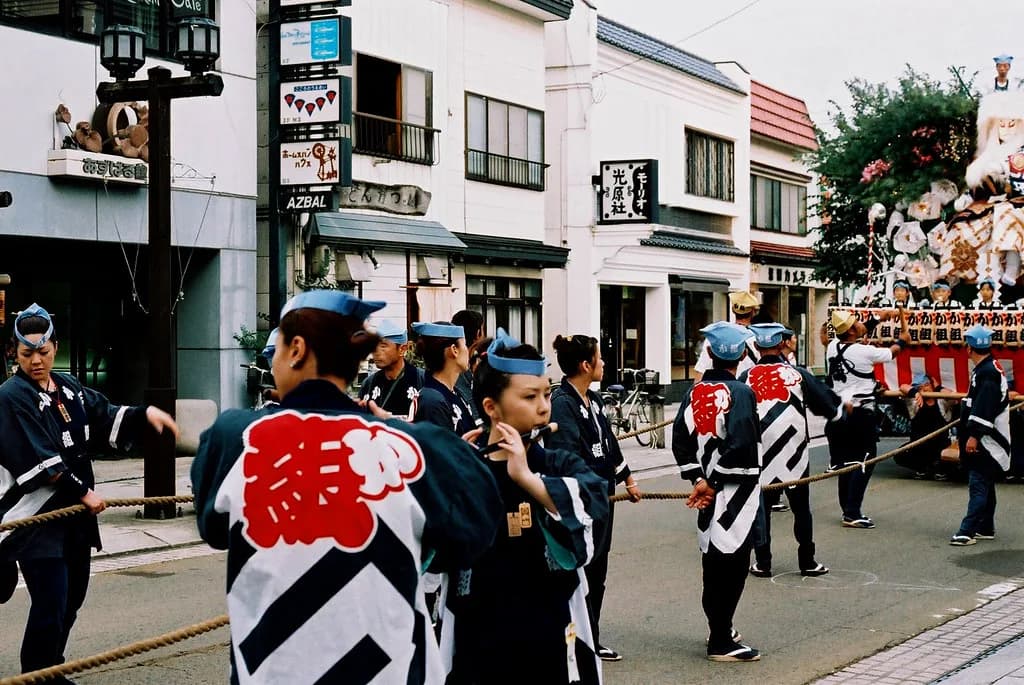
The Morioka Grand Festival is the most exciting time to visit the shrine each year. This major event takes place annually from September 14th through September 16th. Colorful floats and traditional music fill the streets as the community celebrates its heritage. It is a fantastic opportunity to see the city come alive with energy and local pride.
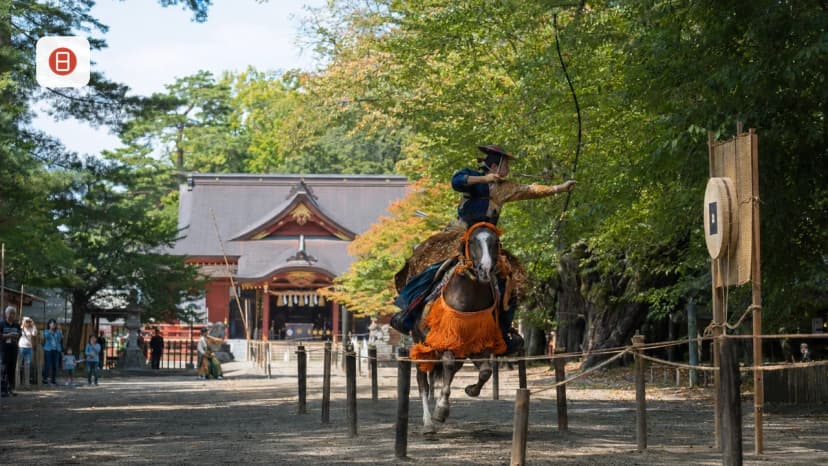
Yabusame horseback archery is the highlight of the festival's final day on September 16th. Skilled archers dress in traditional hunting gear and shoot arrows while riding at high speeds. The performance usually begins around 1:00 PM and attracts large crowds of spectators. Arriving early is highly recommended if you want to secure a good viewing spot near the track.
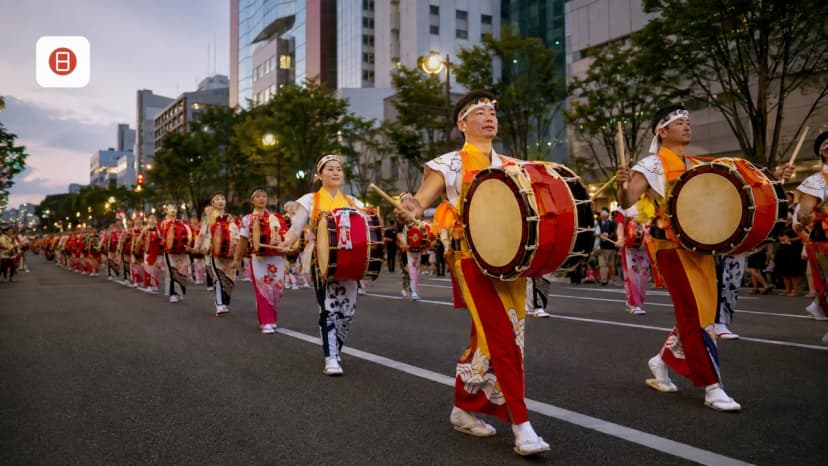
The shrine also plays a vital role during the Sansa Odori festival in early August. Dancers and drummers perform sacred rituals on the grounds before the main parades begin. Watching these ancient dances provides a deeper connection to the local culture of Iwate. Seasonal visits offer a unique perspective that changes with the turning of the Japanese calendar.
Unique Souvenirs: Rilakkuma Charms and Fishing for Fortunes
Many visitors enjoy the playful 'Tai' fortune fishing experience located near the main hall. You can use a small fishing pole to catch a colorful wooden sea bream fish. Each fish contains a hidden omikuji fortune that predicts your future luck and success. This activity costs 200 yen and provides a charming keepsake to take home with you.
Fans of Japanese pop culture will be delighted to find official Rilakkuma charms for sale. These adorable omamori feature the famous bear character dressed in traditional shrine attire. They are popular gifts for students or friends who need a bit of extra good fortune. You can find them at the main reception desk along with more traditional silk amulets.
Writing your wishes on an ema wooden plaque is another great way to leave a mark. Hang your finished plaque on the designated racks so the gods can read your personal requests. The designs on the plaques often change based on the current zodiac year or upcoming festivals. It is a beautiful sight to see thousands of wooden boards fluttering in the breeze.
Practical Information: Hours, Fees, and Best Time to Visit
Planning your logistics in advance helps ensure a smooth and stress-free visit to the shrine. The main grounds are free to enter and remain open to the public throughout the day. If you want to purchase charms or get a goshuin seal, visit between 9:00 and 17:00. Always check the Official Shrine Website for any temporary closures or special event schedules.
Accessibility is generally good, but there are some steep staircases leading to the main hall. Visitors with limited mobility should look for the paved side paths that bypass the stairs. These accessible routes allow everyone to enjoy the beauty of the shrine without physical strain. The staff are usually very helpful if you need assistance finding the easiest way around.
Photography for personal use is allowed in most outdoor areas of the shrine complex. Professional photographers or large groups must apply for a permit before starting any shoots. Avoid taking photos inside the inner sanctuary where people are actively offering their prayers. Being mindful of other visitors helps maintain the respectful atmosphere of this holy site.
- Daily Operating Hours
- Grounds: Open 24 hours
- Reception: 9:00 to 17:00
- Goshuin: 9:00 to 17:00
- Best time: Early morning
- Visitor Fees and Costs
- Entry: Free for all
- Fortune Fishing: 200 yen
- Goshuin: 300 to 500 yen
- Charms: 500 to 1,000 yen
How to Get to Morioka Hachimangu Shrine
Reaching the shrine from the city center is simple using the local bus network. Head to the east exit of Morioka Station and look for the bus boarding area. The ride typically takes about 15 to 20 minutes depending on the current traffic conditions. Check the Google Maps Location to track your progress in real time.
You should get off at the Hachimangu-mae bus stop which is right near the entrance. Buses run frequently throughout the day, making it easy to fit into a busy itinerary. The fare is quite affordable and can be paid using most major IC cards. Walking from the bus stop to the first torii gate takes less than two minutes.
If you prefer to walk, the journey from the station takes about 30 to 40 minutes. This route allows you to see more of the charming streets and local shops in Morioka. Taxis are also readily available at the station for those who want a direct trip. A taxi ride usually costs around 1,000 to 1,500 yen for a one-way journey.
- Public Bus Access
- Route: Number 401 or 402
- Stop: Hachimangu-mae
- Cost: Approx 220 yen
- Frequency: Every 15 minutes
- Taxi and Walking
- Taxi time: 10 minutes
- Walking time: 35 minutes
- Ease: Very high
- Accessibility: Excellent
Nearby Attractions in Morioka
There are many other interesting sites to explore after you finish at the shrine. The Morioka Castle Ruins Park is just a short bus ride or walk away. This park is famous for its massive stone walls and beautiful seasonal cherry blossoms. It is a perfect spot for a relaxing afternoon stroll or a picnic.
History buffs should definitely visit the Morioka History Museum nearby. The museum offers detailed exhibits about the Nambu clan and the development of the city. You can see traditional armor and artifacts that date back several hundred years. The Gozaku Merchant District also provides a glimpse into the city's commercial past.
If you have extra time, consider taking a short trip to Koiwai Farm for some fresh dairy products. Literature lovers might prefer the Takuboku Yumeji Museum which celebrates local poets. Morioka is a city that rewards those who take the time to wander and explore. Visit our main Morioka city guide to discover even more hidden gems in the area.
Frequently Asked Questions
Is there an entrance fee for Morioka Hachimangu Shrine?
No, there is no entrance fee to visit the grounds of Morioka Hachimangu Shrine. It is free for all visitors to explore the main hall and sub-shrines. You only need to pay for optional items like fortunes, charms, or a goshuin seal at the reception desk.
How do I get to Hachimangu Shrine from Morioka Station?
The easiest way is to take a local bus from the station's east exit. Look for buses heading toward the Hachimangu-mae stop, which takes about 15 to 20 minutes. Taxis are also available for a faster 10-minute trip to the entrance.
What is the best time of year to visit Morioka Hachimangu?
The best time to visit is during the Grand Festival in mid-September. You can see traditional horseback archery and vibrant parades during this three-day event. Early August is also excellent for rituals related to the famous Sansa Odori festival.
Can you buy Rilakkuma charms at Morioka Hachimangu?
Yes, the shrine is famous for selling official Rilakkuma omamori charms. These character-themed amulets are available at the main reception office during normal business hours. They make for a very unique and popular souvenir for visitors of all ages.
What happens during the Morioka Hachimangu Grand Festival?
The Grand Festival features large float parades, traditional music, and sacred rituals. The most famous event is the yabusame horseback archery held on the final day, September 16th. It is a major cultural celebration that draws thousands of people to the shrine.
Morioka Hachimangu Shrine offers a perfect blend of spiritual tradition and cultural fun. From fishing for fortunes to exploring the zodiac shrines, there is something for everyone to enjoy. We hope this guide helps you plan an amazing visit to this historic Iwate landmark. Enjoy your time exploring the beautiful city of Morioka and its many sacred treasures.
For authoritative information, refer to the Morioka Hachimangu Shrine on Wikipedia and Morioka Hachimangu Shrine official site.