The Arishima Takeo Memorial Museum offers a unique look into the cultural heart of Hokkaido. This literary landmark sits in the scenic town of Niseko and celebrates a famous Japanese writer. Using an arishima memorial museum visitor guide helps you navigate the rich history of this site. Visitors can explore beautiful grounds while learning about early 20th-century Japanese society.
The museum is located on the former site of the Arishima Farm. It provides a peaceful escape from the busy ski slopes that define the region. You will find a blend of stunning architecture and deep intellectual history here. Planning your visit ahead of time ensures you catch the best views and exhibits.
This guide covers everything from ticket prices to the best times for photos. Whether you are a literature fan or a nature lover, there is something to enjoy. Explore the legacy of a man who changed the lives of local farmers forever. Discover why this museum is a must-visit destination in the northern highlands.
Must-See Arishima Attractions
The museum grounds feature a striking observation tower that overlooks the local landscape. You can see the rolling hills of the Niseko region from this high vantage point. The tower stands as a symbol of the area's agricultural and literary history. It is a practical first stop on clear days because the view helps visitors understand how the former farm sits between town, fields, and mountains. This ranks among the top Niseko attractions for anyone seeking cultural depth alongside nature.
Inside the main building, you will find displays of Takeo Arishima’s manuscripts, letters, photographs, first editions, and personal materials. These documents offer a rare glimpse into the creative process of a major novelist. Visitors often spend significant time studying the delicate handwriting and personal notes. The exhibits are easiest to follow when you start with the life-history panels before moving into the literary and farm-history displays.
The surrounding park area provides a peaceful setting for a morning stroll. You can walk along manicured paths that lead to various monuments and historical markers. Many people enjoy the quiet atmosphere before heading into the busier parts of the museum. The park remains open throughout the year, but winter snow can make some outdoor paths and nearby slopes less convenient.
- The Observation Tower Experience
- Type: scenic viewpoint
- Best for: landscape photography
- Location: top floor level
- Cost: entry fee included
- Original Manuscript Gallery
- Type: indoor exhibit
- Best for: literary history
- Where: main wing
- Cost: entry fee included
For first-time visitors, the must-see route is simple: tower first if the weather is clear, permanent exhibition second, and the garden paths last. Budget 60 to 90 minutes for those core attractions, or closer to two hours if you read the literary panels carefully. The main mistake is arriving late and treating the museum as a quick photo stop, because last entry is at 16:00 and the indoor context is what makes the views meaningful.
Museums, Art, and Culture in Arishima
The museum highlights the profound impact of Takeo Arishima on modern Japanese literature. He was a key member of the Shirakaba school of writers in the early 1900s and is associated with works such as A Certain Woman, A Descendant of Cain, and The Agony of Being Born. His writing often explored themes of social justice and personal struggle. Learning about his life helps visitors understand the cultural shifts of that era.
Many exhibits focus on the artistic collaborations between writers and painters of the time. Arishima also helped form the Kuroyuri-kai art circle while connected with Sapporo Agricultural College, present-day Hokkaido University. The collection includes sketches, paintings, letters, and early publications that complement the literary displays. These artifacts provide a multi-sensory experience for every arishima memorial museum visitor guide reader.
The cultural significance of the museum extends to the local farming community. Takeo Arishima is remembered for his radical decision to give land back to the people. This act is a central theme in many of the historical galleries. Allow at least 30 to 45 minutes for the culture exhibits alone if you want to connect the writer's literature, art network, and farm-handover story.
Parks, Gardens, and Outdoor Spots in Arishima
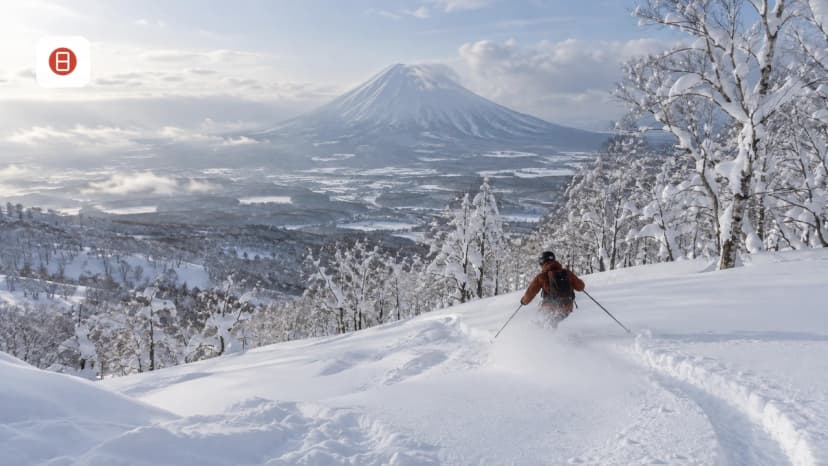
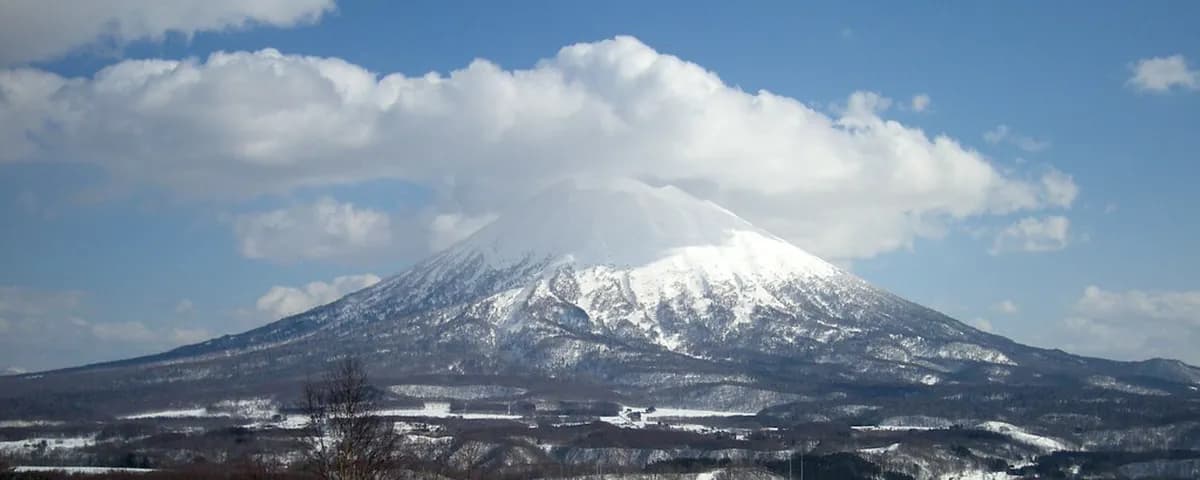
The outdoor areas are just as important as the indoor galleries at this site. On clear days, you can enjoy an unobstructed view of Mount Yotei from the garden. The mountain's volcanic peak provides a dramatic backdrop for the museum's red brick buildings. Photographers usually get the cleanest light in the morning, while late afternoon can be risky because of the 16:00 last-entry cutoff.
Clear mornings give the best unobstructed view of Mount Yotei from the observation tower and garden paths. If the sky is cloudy, prioritize the indoor manuscript galleries first and check whether the view improves before you leave.
The gardens are maintained to reflect the changing seasons of Hokkaido. Spring brings new greenery, summer has the clearest walking conditions, autumn offers strong color around the grounds, and winter gives the farm landscape a quiet snowfield atmosphere. Walking through these spaces is a good way to experience the local environment without committing to a long hike. Many visitors find the outdoor spots ideal for quiet reflection after the literary exhibits.
Benches are scattered throughout the park for those who want to sit and relax. The main museum areas and many garden paths are manageable for most travelers, but visitors using wheelchairs, strollers, or canes should confirm current snow and path conditions before relying on the outdoor route. Wear shoes with traction in winter and avoid scheduling the garden portion after dark. It is a lovely place to spend an hour before or after exploring the museum.
Family-Friendly and Budget-Friendly Options in Arishima
For those on a budget, the museum grounds offer plenty of free outdoor space. You can enjoy the mountain setting before deciding how much time to spend inside. Nearby, Fukidashi Park provides another excellent low-cost spot for families to explore. Combining these locations makes for an affordable and scenic day out in Niseko.
The museum itself has reasonable admission rules for families and students: adult admission is ¥500 for the permanent exhibition, high school students and younger are admitted free, Niseko-cho residents aged 65 and over are admitted free, and groups of 10 or more pay ¥400 per adult. Children often enjoy the tall observation tower and the open grassy areas outside. The on-site cafe can work as a short rest stop, but do not rely on it as your main meal plan during a tight sightseeing day.
Parking is free and useful for families moving between Niseko attractions by car. You can save time by bringing water, checking toilet stops before leaving the museum, and keeping the visit to the permanent exhibition plus tower if children are losing focus. The museum gift shop has small souvenirs that fit a variety of budgets. This makes it one of the most accessible cultural attractions in the region.
How to Plan a Smooth Arishima Attractions Day
Start your day early if the forecast is clear. The morning light is ideal for viewing the majestic peaks of Niseko Annupuri from the tower, and it leaves enough time for the indoor galleries before lunch. A morning visit also gives you a buffer if buses are infrequent or winter roads slow down your drive. For a short Niseko itinerary, this attraction is worth including when you want one quiet cultural stop between outdoor activities.
Consider combining your museum visit with a trip to a local onsen for relaxation. Several traditional baths are located within a twenty-minute drive of the memorial grounds. Soaking in natural hot springs is a natural follow-up after a slower museum visit. This combination creates a balanced day of history and physical wellness without overloading the schedule.
Pack a light jacket even during the summer months for the cool Hokkaido breeze. The weather in this mountainous region can change quickly without much warning. Understanding the best time to visit Niseko helps you prepare appropriately for seasonal conditions. Common planning mistakes include assuming every sign has full English detail, arriving on a closed day, skipping the official calendar, and leaving public transport until the last minute. Bringing a translation app and building in extra time makes the visit much smoother.
rate_review Related information
Recent visitor feedback highlights the importance of checking the weather before your trip. Clear days provide the best views from the observation tower across the valley. If it is cloudy, you might miss the dramatic sight of the nearby mountains. Check the local forecast to decide whether to prioritize the tower or spend more time with the indoor exhibits.
Many travelers mention that the museum is much quieter than the nearby ski resorts. This makes it an excellent retreat for those seeking a break from crowds, especially in winter when Niseko's resort areas are busy. You can enjoy the exhibits at your own pace without feeling rushed. It offers a meditative experience that contrasts with the high energy of the slopes.
Some reviews point out that English translations are available but may be limited. Bringing a translation app can help you understand the deeper context of the works, especially names, titles, and farm-history panels. Most visitors find the visual displays and the architecture impressive regardless. The staff is generally helpful, but travelers should prepare their route, closing-day check, and return transport in advance.
有島記念館Arishima Takeo Memorial Museum
The 有島記念館 serves as a vital cultural hub for the local community. It opened in 1978 on the site of the former Arishima Farm, giving the location direct significance rather than a purely commemorative role. This farm was famous for its land-sharing history in the early 1900s. Takeo Arishima gave his land to tenant farmers, a decision that remains central to how Niseko remembers him.
The architecture of the memorial museum is inspired by traditional farm buildings. Its red brick exterior and tall tower reflect Western influences during Hokkaido's development. Walking through the halls feels like stepping back into a transitional historical period. The design successfully blends rustic charm with modern museum standards for visitors.
Inside, the permanent collection details the author's life, works, art relationships, and connection to the farm. You can see personal items and materials tied to the Arishima family, along with displays that connect Niseko to the broader Shiribeshi art and literature scene. These artifacts help humanize the writer and provide a window into his life. It is a moving experience for anyone interested in art and social reform.
Facility information
The museum is open from 10:00 to 16:30, with last entry at 16:00. It is closed every Monday, on the 1st, 3rd, and 5th Tuesdays of each month, and over the year-end and New Year period. Occasional irregular closures occur, so check the official Arishima Takeo Memorial Museum site before visiting. This matters most in winter, when a missed opening day can be hard to replace with another nearby indoor stop.
| Visitor Type | Admission | Notes |
|---|---|---|
| Adult (permanent exhibition) | ¥500 | Groups of 10+ pay ¥400 |
| High school students and younger | Free | – |
| Niseko-cho residents aged 65+ | Free | – |
| Opening hours | 10:00–16:30 | Last entry 16:00 |
| Closed | Mon; 1st, 3rd, 5th Tue; year-end/New Year | Check official calendar for irregular closures |
The museum is closed every Monday and on the 1st, 3rd, and 5th Tuesdays of each month. Last entry is at 16:00 — arriving after 15:30 leaves little time for the observation tower and indoor galleries.
Adult admission is ¥500 for the permanent exhibition. High school students and younger, as well as Niseko-cho residents aged 65 and over, are admitted free, and groups of 10 or more pay ¥400 per adult. You can find more details on the official site for Bookings and prices. It is best to bring cash as some smaller facilities might not accept cards.
Parking is free and readily available for those driving to the museum site. The museum is located at 57 Arishima, a short drive from central Niseko. If you are using public transport, plan around JR Niseko Station, the Arishima Kinenkan-mae bus stop, and a possible short walk rather than assuming resort shuttles will serve the museum directly. Plan for about two hours to see the exhibits, climb the tower, walk the grounds, and pause at the cafe if it is open.
Region Niseko
The town of Niseko is globally famous for its powder snow and resorts. Many visitors stay at Niseko Village for easy access to the slopes. However, the region offers much more than winter sports and outdoor activities. The Arishima Memorial Museum adds intellectual depth to any local travel itinerary and works especially well on bad-weather afternoons, rest days, or slower family schedules.
During the summer months, the area transforms into a green landscape for hikers, cyclists, and drivers. You can explore the trails around Shinsen-numa for marshland views, then use the museum as a lower-effort cultural stop. The cooler temperatures make the area a popular escape from humid summer heat. It is a versatile destination that caters to both adventure seekers and culture fans.
Local agriculture also plays a major role in the identity of this region. You can sample fresh produce at various roadside stations throughout the town. Many restaurants focus on farm-to-table dining using ingredients grown in volcanic soil. This commitment to the land mirrors the values championed by Takeo Arishima and makes the museum feel connected to present-day Niseko rather than isolated from it.
Frequently Asked Questions
Which arishima memorial museum visitor guide options fit first-time visitors?
First-time visitors should prioritize the observation tower and the main manuscript gallery. These offer the best balance of scenic views and historical context. Most guests find that a two-hour visit covers the highlights comfortably. Check the Niseko guide for more local tips.
How much time should you plan for arishima memorial museum visitor guide?
You should plan for approximately two hours to fully enjoy the museum and grounds. This allows enough time to view the exhibits, climb the tower, and walk the garden. If you plan to visit the cafe, add an extra thirty minutes to your schedule.
What should travelers avoid when planning arishima memorial museum visitor guide?
Avoid visiting on Mondays and the 1st, 3rd, and 5th Tuesdays of each month, as the museum is typically closed to the public on those days. You should also avoid arriving late in the afternoon, as last entry is at 16:00. Check the weather forecast to ensure you have clear views from the observation tower.
Is arishima memorial museum visitor guide worth including on a short itinerary?
Yes, it is definitely worth including if you want a break from outdoor sports. The museum offers a unique cultural perspective that you won't find at the ski resorts. It is conveniently located near the town center, making it an easy addition to any trip.
Which Museums, Art, and Culture in Arishima options fit first-time visitors?
The permanent exhibition on Takeo Arishima’s life is the best starting point for new visitors. It provides the necessary background to understand the other artistic displays. The red brick architecture itself is also a major highlight for those interested in historical design.
The Arishima Takeo Memorial Museum is a quiet cultural stop in the heart of Niseko. It offers a focused blend of literary history, farm heritage, architecture, and mountain scenery. Following an arishima memorial museum visitor guide ensures you make the most of your time. You will leave with a deeper understanding of Hokkaido's unique cultural and social history.
From the heights of the observation tower to the quiet manuscript galleries, there is much to see. The museum serves as a lasting tribute to a man who valued community and equality. It provides a peaceful contrast to the high-energy activities found elsewhere in the region. For most 2026 itineraries, the best plan is a morning or early-afternoon visit with enough buffer for weather, transport, and the official closing schedule.
Whether you visit in the snowy winter or the green summer, the experience is memorable. Pair it with nearby viewpoints, parks, or hot springs rather than rushing through it between ski transfers. Check the Niseko travel page for more ideas on local attractions. Enjoy your journey through the life and legacy of one of Japan's important modern writers.
To verify current details, consult the Arishima Memorial Museum on Wikipedia.