Exploring the island becomes much easier when you have a reliable Okinawa Prefectural Museum & Art Museum visitor guide to lead the way.
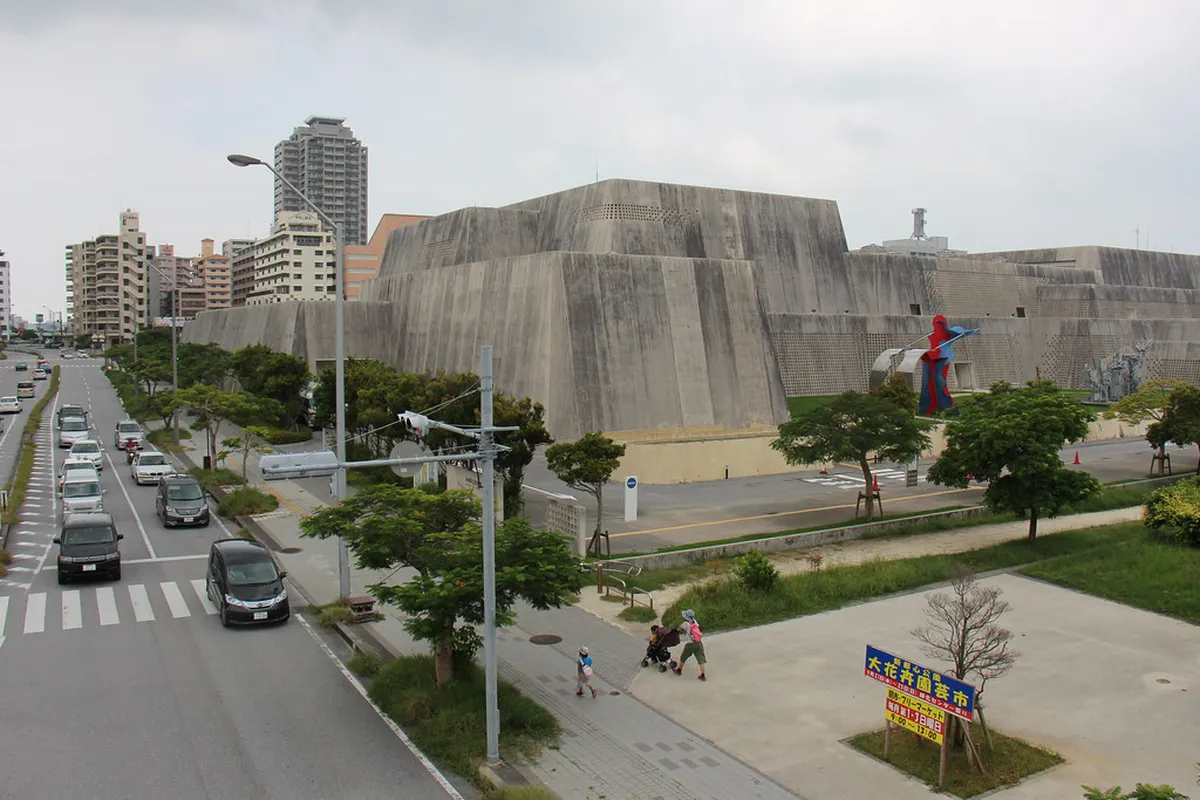
This striking building in Naha looks like a modern fortress and gives 2026 visitors a concentrated introduction to Ryukyu history, Okinawan natural history, and modern local art.
Visitors often start their journey here to understand the complex history of the archipelago before visiting other local historical sites.
The museum is especially useful on a first Naha day, because it explains why Okinawa's language, architecture, crafts, and ritual traditions feel distinct from mainland Japan.
Must-See Okinawa Attractions
The Okinawa Prefectural Museum & Art Museum visitor guide often ranks this facility as a top priority for first-time travelers to Naha.
It serves as a comprehensive introduction to the island's unique identity, which differs significantly from mainland Japanese culture.
Many guests find that visiting this museum helps them appreciate the architectural nuances of sites like Shuri Castle later in their trip.
The massive limestone walls of the museum itself are designed to resemble the ancient fortifications found across the prefecture.
If your Naha schedule is short, choose the permanent museum exhibition first, then add the art museum if you still have time and energy.
Museums, Art, and Culture in Okinawa
Okinawa boasts a rich artistic heritage that blends indigenous styles with influences from China, Southeast Asia, and mainland Japan.
The art wing of the museum showcases everything from traditional lacquerware and textiles to contemporary paintings by local modern artists.
Understanding these creative shifts provides a deeper look into how the islanders have maintained their distinct voice through centuries of change.
You can explore a wide variety of Naha cultural experiences that start right in the heart of the Omoromachi district.
For travelers comparing Okinawa Prefectural Museum & Art Museum reviews, the strongest praise usually goes to the museum side's clear historical arc, while art-focused visitors tend to value the quieter contemporary galleries.
Parks, Gardens, and Outdoor Spots in Okinawa
While the museum is an indoor anchor, the surrounding grounds offer outdoor exhibits that are free for the public to enjoy.
You can walk through a traditional Okinawan house reconstruction to see how families lived before modern urbanization changed the landscape.
If you enjoy these outdoor historical displays, you should also consider visiting the nearby Fukushuen Garden for more scenic views.
These green spaces provide a peaceful break between exploring the dense galleries of the history and art sections.
In hot or rainy weather, do the outdoor house first if conditions are comfortable, then save the climate-controlled galleries for the longer part of the visit.
Family-Friendly and Budget-Friendly Options in Okinawa
Traveling with a family can be expensive, but this museum offers several ways to keep your daily costs manageable while learning.
Admission fees are tiered to provide significant discounts for students and children, making it an affordable educational stop for large groups.
The museum also provides a dedicated breastfeeding room next to the first-floor ticket counter, which makes it easier for parents with infants to pause without leaving the building.
Interactive touch-screens and physical models in the history wing keep younger visitors engaged with the stories of the Ryukyu people.
Families using strollers should arrive earlier in the day because stroller loans are limited and handled on a first-come, first-served basis rather than by advance reservation.
How to Plan a Smooth Okinawa Attractions Day
Efficiency is key when navigating the busy streets of Naha, so planning your Naha itinerary with a museum visit early in the day is highly recommended.
Most travelers spend about two to three hours exploring both the history and art wings before heading to other nearby locations.
The museum is a short walk from the Omoromachi Monorail Station, which connects easily to major shopping and dining hubs in the city.
Check the official Japan-Guide.com page for updated transit schedules and walking maps before you depart your hotel.
Common planning mistakes include arriving on a Monday, treating the museum as a quick photo stop, assuming every gallery allows photography, and forgetting that last admission is before closing.
If you are driving, allow extra time around Shintoshin shopping traffic and confirm parking before pairing the museum with a timed meal or tour reservation.
Museum Information
Having the right logistical details ensures that you do not arrive to find the museum closed for a local holiday or maintenance.
The facility generally opens at 9:00 AM and stays open until 6:00 PM, with extended hours on Fridays and Saturdays until 8:00 PM.
Note that the museum is typically closed on Mondays, so you should plan your itinerary around this weekly schedule to avoid disappointment.
Current ticket prices are subject to change, so verify the latest rates on the official website before finalizing your travel budget.
- General Admission Details
- History: 540 yen
- Art: 400 yen
- Combined: Variable rates
- Location: Omoromachi district
- Operating Schedule
- Open: 9:00 AM
- Close: 6:00 PM
- Weekends: 8:00 PM close
- Closed: Every Monday
For 2026 visitor information, bring cash for admission and leave a buffer before closing so you are not choosing between the museum wing and the art wing at the ticket counter.
The easiest transit plan is to ride the Yui Rail to Omoromachi Station, walk to the museum, then continue by monorail or taxi to dinner and shopping areas.
The museum is closed every Monday. If Monday falls on a public holiday, it closes the following business day instead. Arrive on a Tuesday through Sunday to avoid a wasted trip.
| Admission | Fee |
|---|---|
| History wing (adult) | 540 yen |
| Art wing (adult) | 400 yen |
| Open (Tue–Thu, Sun) | 9:00 AM – 6:00 PM |
| Open (Fri–Sat) | 9:00 AM – 8:00 PM |
| Closed | Every Monday |
Okinawa Prefectural Museum & Art Museum and its collection
The permanent collection is divided into two distinct sections that cater to different interests, from ancient fossils to modern sculptures.
In the history wing, you can view artifacts from the prehistoric era through the golden age of the Ryukyu Kingdom maritime trade.
The art wing focuses on the evolution of Okinawan aesthetics, featuring works that reflect the island's unique light and vibrant natural colors.
Many of these pieces are considered national treasures and are rarely seen outside of this specific facility in the prefecture.
The best approach is to use the museum wing for context, then look for recurring motifs in ceramics, textiles, maps, and paintings rather than trying to read every label in order.
Travelers with limited time should prioritize natural history, Ryukyu trade, and postwar Okinawa displays, because those topics explain many other Naha attractions in a single visit.
Why is the museum concerned about visitor conduct?
Maintaining a quiet and safe environment ensures that every guest can appreciate the delicate artifacts without any unnecessary distractions or noise.
Staff members monitor the galleries closely to protect rare paintings and ancient pottery from accidental damage, food residue, moisture, and harmful camera flashes.
You should review the official Okimu.jp guidelines to understand specific rules regarding photography and large bags.
Respecting these rules helps preserve the integrity of the collection for future generations of residents and international travelers alike.
Visitors should avoid eating or drinking in galleries, using pens near exhibits, bringing wet umbrellas inside, touching display objects, and making phone calls in exhibition rooms.
If you need to translate a caption with a phone camera, tell staff first so the action is not mistaken for prohibited photography.
The museum is cash-only — no credit cards are accepted at the ticket counter. Locate a convenience store ATM before you arrive if you need to withdraw yen.
Audio guide rental (free)
Learning about the exhibits is much more immersive when you utilize the complimentary audio devices available for the permanent museum and art museum exhibits.
These devices support Japanese, English, Chinese, Korean, and Spanish, helping international visitors understand the geological, historical, and artistic displays.
Ask at the media library for audio guide rental, and plan around first-come, first-served availability because advance reservations are not accepted.
The museum also maintains a barrier-free environment with accessible exhibition routes, magnetic loops in auditorium and lecture rooms, and free wheelchair and stroller rentals to accommodate guests with different mobility needs.
Wheelchairs and the five available strollers are borrowed at the information desk, so travelers who rely on them should build in a few extra minutes on arrival.
Consult the Okimu.jp service page to see a full list of available amenities for your upcoming visit.
Nearby and in or around Naha
After finishing your museum tour, you are perfectly positioned to explore the modern side of Naha in the surrounding Shintoshin area.
You can find plenty of dining and shopping options along Kokusai Street, which is just a short monorail ride away.
Those interested in local crafts might prefer a quick trip to the Tsuboya Pottery District to see traditional kilns in action.
Combining these sites into a single day provides a well-rounded view of both the historical past and the vibrant present of Okinawa.
A practical route is museum in the morning, lunch near Omoromachi, Kokusai Street in the afternoon, and Tsuboya before dinner if you still want one more cultural stop.
Frequently Asked Questions
How much time should you plan for okinawa prefectural museum & art museum visitor guide?
You should plan to spend between two and three hours to fully explore both the history and art wings. This allows enough time to listen to the audio guide and view the outdoor traditional house exhibits without feeling rushed. Check Naha travel tips for more itinerary ideas.
Is the Okinawa Prefectural Museum & Art Museum worth including on a short itinerary?
Yes, it is highly recommended because it provides the essential cultural context needed to understand the rest of the island. Even a quick 90-minute visit to the history wing can greatly enhance your appreciation of Naha's heritage. It is a perfect rainy-day activity.
Which museum options fit first-time visitors best?
First-time visitors should prioritize the permanent history exhibition to learn about the Ryukyu Kingdom. The free audio guide is a must-have tool for English speakers to navigate the detailed displays. The art wing is a great addition if you have an extra hour to spare.
Using this Okinawa Prefectural Museum & Art Museum visitor guide ensures that you make the most of your time in Naha.
The facility offers a rare look into the heart of Okinawan culture through its impressive collection of art and historical artifacts.
Whether you are a solo traveler, a family with children, or a visitor who needs barrier-free planning, the museum provides a deep and practical introduction to Okinawa.
Plan your 2026 visit with enough time for the permanent museum exhibition, the art wing, and the nearby Omoromachi area, and this limestone fortress becomes one of the most useful stops in the city.
For more Naha planning, see our things to do in Naha.
For the latest official information, see the Okinawa Prefectural Museum & Art Museum on Wikipedia.