

Osu Kannon is more than a temple — it is the anchor of one of Nagoya's most layered and energetic neighborhoods. The bright red main hall sits at the entrance to a covered shopping district that stretches across eight color-coded arcades, hosts over 1,200 businesses, and spills onto streets lined with street food vendors, maid cafes, and vintage clothing stores. Spirituality and commerce have coexisted here since 1612, and that tension is precisely what makes the area so compelling in 2026. For broader Nagoya attractions context, see our comprehensive guide.
Whether you visit for the 15,000-manuscript library beneath the temple, the antique flea market on the 18th and 28th of each month, or simply an afternoon of bargain hunting, Osu rewards curiosity. This guide covers the temple, the shopping arcades, the festivals, the food scene, and the practical details needed to plan a smooth half-day or full-day visit.
Short Tour Around Osu Kannon: One of Japan's Top Three Kannons
The temple's formal name is Kitanosan Shinpuku-ji Hosho-in, but everyone calls it Osu Kannon. It ranks alongside Asakusa Kannon in Tokyo and Tsu Kannon in Mie as one of the three great Kannon temples in Japan. The deity enshrined here is Kannon, the goddess of mercy, and the main wooden statue survived multiple fires that destroyed earlier structures. The current vermilion hall is a 20th-century reconstruction, completed after wartime damage, yet the spiritual atmosphere inside feels unchanged.
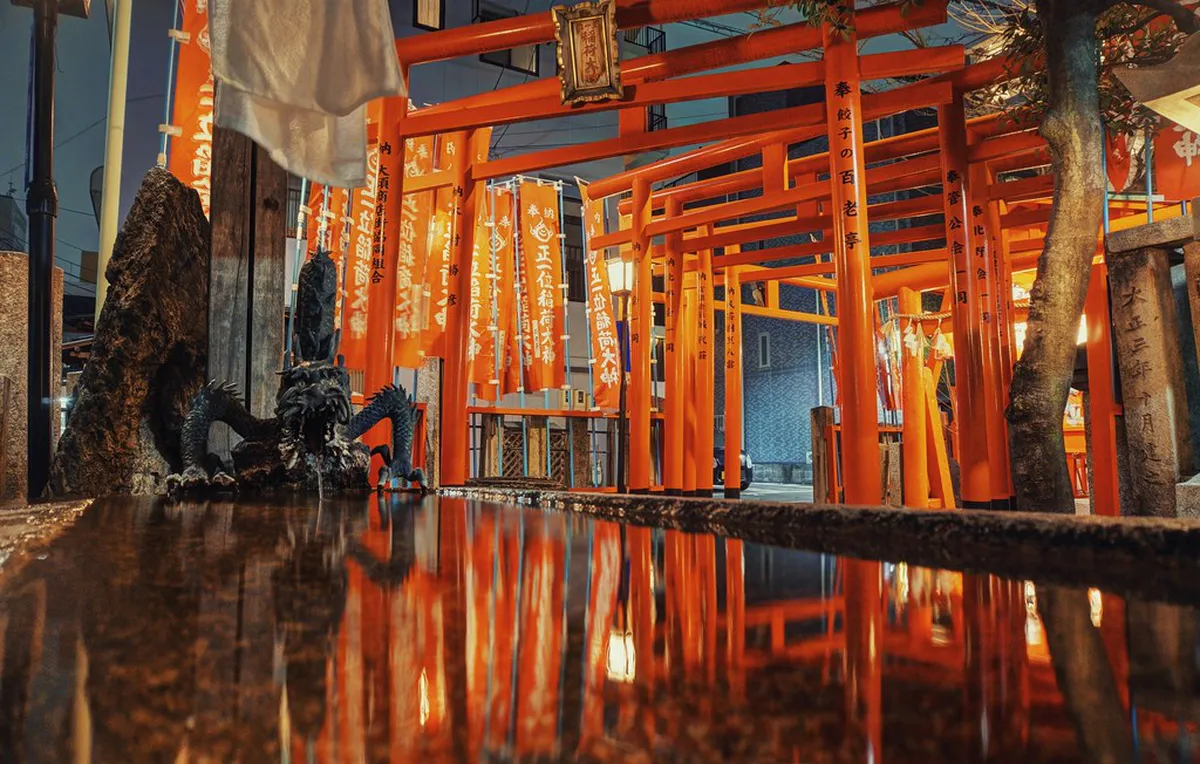
Visiting the temple requires no ticket. Walk up the main steps, make a small coin offering if you wish, put your hands together, and bow your head. Incense sticks cost a few hundred yen from stalls on the periphery. The large paper lantern hanging above the entrance is one of the most photographed details in the entire Osu district. Mornings before 09:00 offer the calmest atmosphere, with only regular worshippers present.
What most visitors do not realize is that the grounds contain one of Japan's most important literary archives. The Shinpukuji Library, housed beneath the temple, holds more than 15,000 Japanese and Chinese historical manuscripts. Among them is the oldest surviving copy of the Kojiki, Japan's earliest written chronicle of the country's creation myth and imperial lineage, predating the 8th century. The library is not open to the public, but its existence elevates Osu Kannon far beyond a scenic photo stop — it is one of the country's most significant repositories of written culture.
Small shops around the gate sell omamori lucky charms for protection, health, and safe travel. A five-minute guided walk with a local can reveal the protective deities stationed at each gate and explain the symbolism of the courtyard layout. The temple also functions as a genuine community hub: on any weekday morning you are likely to see business professionals pausing for a brief prayer before heading to the office.
Shop Till You Drop at the Osu Shopping Street
The Osu Shopping Street extends more than 1,700 meters across eight main arcades, each identified by color-coded signposts that keep navigation straightforward even without a map. The covered format protects shoppers from rain and summer heat while creating a dense corridor of more than 1,200 businesses. Electronics stores that revived the district in the post-war era still operate here alongside vintage clothing, kimono retailers, anime merchandise shops, and toy stores. For a detailed Nagoya shopping guide, our city overview covers the best boutiques and markets across the region.
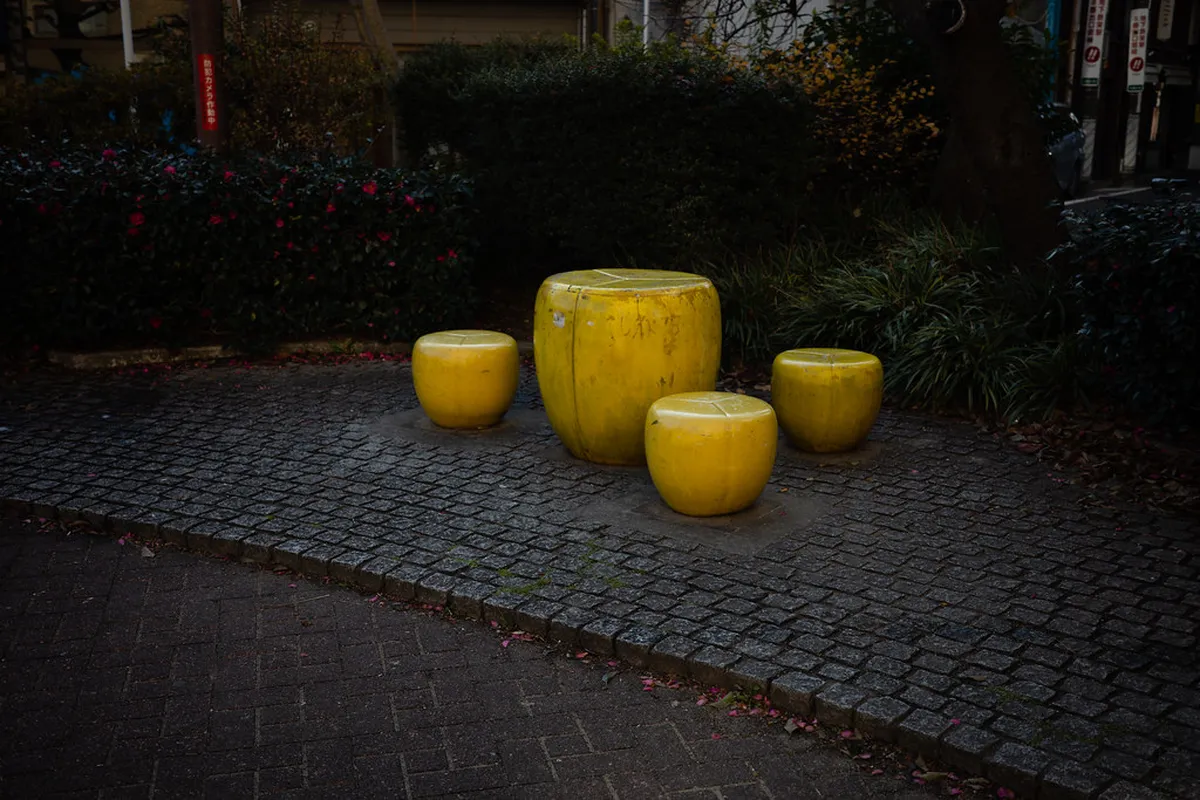
Osu has the best concentration of second-hand stores in Nagoya. The standout is Komehyo, which operates three separate outlets in the district: one specializing in kimonos, one selling clothing by weight, and a flagship store for luxury brand goods including bags and watches at heavily discounted prices. If you have a budget for vintage or pre-owned items, Komehyo is worth a dedicated stop before browsing the arcades generally.
Kimono shops appear at almost every corner and cater to every budget, from a few thousand yen for a pre-owned cotton yukata to premium handcrafted pieces in the tens of thousands. Several stores offer kimono rental and dressing services for a few thousand yen, including accessories and a walk through the arcades in full traditional dress. Anime and cosplay merchandise is equally prominent: figurines, playing cards, costumes, and collectible items fill dozens of specialist shops aimed at the Otaku community that has called Osu home for decades.
The antique flea market on the 18th and 28th of each month draws around 60 stalls into the temple precincts, selling ceramics, coins, textiles, vintage jewelry, and general curiosities. Arriving before 10:00 gives you the best selection. Prices are largely fixed but politely asking for a small discount on multiple purchases is not unusual. This market is the single best reason to plan your Osu visit around a specific date.
The antique flea market runs on the 18th and 28th of each month inside the temple precincts — roughly 60 stalls selling ceramics, coins, textiles, and vintage items. Arriving before 10:00 gives you the best selection before popular pieces sell out.
Osu: a Street Food Paradise
Osu is one of the most concentrated street food zones in the Chubu region. Every arcade has vendors selling savory and sweet snacks at standing areas, and the volume of choice on a weekend afternoon can feel overwhelming. The most practical strategy is to walk the main arcade first, note what appeals, then circle back to eat rather than buying continuously while walking — eating on the move is gently discouraged throughout the district.
For Nagoya-specific dishes, look for Miso Kushi Katsu, which are deep-fried pork skewers dipped in the city's signature sweet-savory miso sauce, sold at Yabaton and several stalls nearby. Uiro, a traditional confection made from rice flour, water, and sugar with a dense, slightly sweet texture, comes from Aoyagi Sohonke and is one of Nagoya's oldest local sweets. Karaage (Japanese fried chicken) is the universal budget snack at 500 to 800 yen per cup. Takoyaki octopus balls, tapioca drinks, waffle snacks, and steamed dumplings fill out the options for quick, cheap grazing.
Osu also has one of the highest concentrations of international food in Nagoya. A Brazilian restaurant, a Vietnamese pho shop, Turkish kebab stalls with the spinning ice cream performance, Indian curry houses, and Italian restaurants sit within the same few blocks. This international character reflects the neighborhood's long history of welcoming subcultures and migrant communities. Budget roughly 1,500 to 2,500 yen for a satisfying street food loop without a formal sit-down meal.
Maid cafes are another Osu staple. Locals credit the district with starting the whole maid cafe phenomenon before it spread across Japan. Maidreamin is the most foreigner-friendly option with staff trained to handle international guests, English menus, and a clear price structure for food and the performance interactions.
Join the Fun at One of the Colorful Festivals of Osu
Osu runs a busy calendar of festivals that transform the arcades into something far more theatrical than ordinary shopping. The most participatory is Setsubun, held on 2 or 3 February each year. Worshippers gather at Osu Kannon from 10:00 to 18:00 to throw roasted soybeans while shouting "Oni wa Soto, Fuku wa Uchi" — devils out, fortune in. Treasure ship floats representing the gods of happiness and good luck parade through the surrounding streets. First-time visitors who arrive in early February can join the bean-throwing without any advance booking.
The Osu Summer Festival in late July or early August is the district's largest annual event. The highlight is a cosplay parade with more than a thousand participants in full costume, a samba parade reminiscent of Brazilian carnival, and traditional Awa-dancing and Bon-dancing processions. A central stage runs performances across both days, and on the final evening the area around the temple becomes an open Bon dance floor where anyone can join. The festival closes with a hand-held fireworks display inside the arcade area — an unusual and memorable finale for a street festival.
Street performance festivals are another recurring feature, and Osu is credited as the origin point of the format in Japan. Jugglers, dancers, mimes, and traditional artists perform at close range on the street. The Oiran procession — women dressed as Edo-period courtesans in elaborate garments weighing around 20 kilograms — commemorates Osu's history as the entertainment and red-light district of pre-modern Nagoya. The World Cosplay Summit, one of the largest cosplay competitions globally, draws participants from more than 40 countries to Osu every year in late July or early August. If your visit aligns with any of these events, plan to arrive early and stay late.
Museums, Art, and Culture in Osu
Culture in Osu goes beyond the temple and the shopping arcades. Small independent art galleries occupy upper floors of the arcade buildings, showcasing local Nagoya artists who blend traditional techniques with contemporary themes. Keep an eye out for posters advertising pop-up exhibitions while you walk through the main thoroughfares — these spaces change frequently and admission is usually free or minimal.
The district maintains links to Edo-period performing arts through engei halls that occasionally offer rakugo storytelling or traditional music. The expressive nature of these performances remains engaging even without Japanese language skills. For deeper samurai history, combine an Osu visit with the Tokugawa Art Museum, which holds one of the most significant collections of samurai-era artifacts in the country.
Owari Butsugu is a craft tradition unique to Nagoya, covering the Buddhist metalwork and lacquer artifacts produced in the city since 1610. Some workshops near Osu offer introductory sessions where you create a small metal item under the guidance of a master craftsperson. This is a low-profile but genuine cultural experience that most visitor guides skip entirely. Back alleys throughout Osu also feature murals depicting local folklore and anime characters — a photogenic side of the neighborhood that rewards slower, less-directed exploration.
Parks, Gardens, and Outdoor Spots Near Osu
The temple courtyard has benches where you can sit and watch the flow of worshippers and pigeons. Morning hours before the shopping arcade opens around 10:00 or 11:00 are particularly calm. The rhythmic sound of chanting from the main hall provides a pleasant backdrop for a rest. Photographers find the early light on the red facade more useful than the harsh midday conditions.
Shirakawa Park, a short walk north, houses the Nagoya City Science Museum and the city art museum. Wide paths and shaded lawns make it a practical mid-day break point, especially for families. Cherry blossoms in late March and maples in November both create compelling contrasts against the temple's red pillars and the park's open water features. Planning around these seasonal windows adds a visual dimension to the visit that the urban shopping context does not provide.
Family-Friendly and Budget-Friendly Options in Osu
Entry to the Osu Kannon temple grounds is completely free. A small coin offering and a few hundred yen for incense is the only spending required for a full temple experience. The arcades themselves cost nothing to walk through, and window shopping in the toy, hobby, and electronics stores is a free activity that occupies children for a surprisingly long time. Gachapon capsule machines dispensing small collectibles are everywhere at 200 to 500 yen per turn — budget accordingly if you have young travelers.
Street food keeps food costs low. A satisfying snack loop covering karaage, a sweet item, and a drink comes to well under 2,000 yen per person. Families with dietary restrictions can navigate Osu comfortably because the range of international food options covers most common requirements. The covered arcades keep children away from street traffic for most of the route, which reduces supervision pressure significantly compared to an open street market.
The biggest budget mistake at Osu is underestimating shopping time. The arcades are easy to browse quickly but the Komehyo stores, kimono shops, and antique market on flea market days can absorb hours. Set a spending limit before entering the second-hand section specifically, as the discounted prices on luxury goods make impulse purchases easy to justify in the moment.
Entry to the Osu Kannon temple and all eight shopping arcades is free, but the Komehyo discount stores for luxury pre-owned goods and kimono shops can absorb your budget unexpectedly. Set a spending limit before entering the second-hand sections.
Samurai Heritage Tour: Nagoya Castle, Atsuta Shrine & Tokugawa Museum
Nagoya's samurai history is deep enough to fill a dedicated day. The Atsuta Jingu shrine holds one of the three imperial regalia of Japan and sits within an ancient forested precinct that feels genuinely removed from the city. Nagoya Castle follows with its gold shachihoko statues and the reconstructed Honmaru Palace, where interactive displays explain Edo-period engineering in English. The Tokugawa Art Museum closes the circuit with armor, swords, lacquerware, and the famous illustrated handscroll of The Tale of Genji.
Private guides offer this circuit as a six-hour tour from around 252 USD per group — a practical option for visitors who want historical context delivered without the effort of reading every museum panel. The combination of political power at the castle, spiritual authority at Atsuta, and refined warrior aesthetics at the Tokugawa Museum produces a coherent picture of samurai culture that no single site can match alone. Use Osu Kannon as the starting point or endpoint, since it sits within easy subway range of all three.
Ghibli Park Tour with Ramen & Grilled Eel
Ghibli Park is located in Expo 2005 Aichi Commemorative Park, roughly an hour from central Nagoya by train. It requires advance ticket booking, typically two months ahead, and is closed on Tuesdays. The park covers themed areas from Studio Ghibli films with detailed environmental design rather than rides — expect to spend most of the visit walking and looking rather than queuing. A guided car tour from Nagoya Station costs around 630 USD per group and eliminates the navigation complexity of train transfers.
Pairing a Ghibli Park visit with Nagoya's signature grilled eel (hitsumabushi) makes a logical full-day itinerary. Hitsumabushi is eaten in three ways: plain, with condiments, and finally as a broth over the remaining rice. Reservations at established eel restaurants are strongly recommended. Budget 4,000 to 8,000 yen per person for a high-quality hitsumabushi meal. This day-trip works best as a standalone event rather than combined with an Osu afternoon, given the travel time involved.
Fascinating Kakouzan and Motoyama: Green Buddha and Hidden Gardens
If you seek a quieter alternative to Osu's crowds, the Kakouzan and Motoyama districts offer a compelling half-day. Nittaiji Temple is the only Buddhist temple in Japan not affiliated with a specific sect — it was built to house a portion of the Buddha's ashes gifted by Thailand, and the grounds are spacious enough to feel genuinely contemplative. A private garden belonging to one of Nagoya's historic wealthy families sits nearby; local guides can arrange access that independent visitors often miss.
The giant green Buddha in the Motoyama area is a modern monument that creates an arresting visual contrast to traditional bronze statuary. The surrounding neighborhood is dominated by university students, which means the cafes and small shops have a different, more relaxed character than the commercial energy of Osu. Guided visits to this area run around 170 USD per group and take 3.5 hours. The Nagoya City Science Museum is easily reachable from Motoyama by subway, making a logical combination for an afternoon.
Old Japan Alive at Takayama & Shirakawa-go
Many travelers use Nagoya as a base for exploring the Japanese Alps. Takayama preserves Edo-period wooden merchant houses and hosts a morning market with local vegetables, crafts, and Hida beef products. Shirakawa-go is a UNESCO World Heritage site known for its gassho-zukuri thatched-roof farmhouses, which appear dramatically snow-covered during winter light-up events from late November to February. Full-day guided tours from Nagoya cover both destinations in nine hours and cost around 881 USD per group — a significant investment that makes the most sense for visitors with a strong interest in rural Japanese architecture.
Independent travelers should book express bus or train seats in advance, especially in autumn and winter. Allow three hours of travel time each way from central Nagoya. The Hida beef in Takayama and the regional sake breweries are worth building time into the itinerary specifically. This excursion works best as a dedicated day trip rather than an extension of an Osu afternoon.
How to Get to Osu and Plan a Smooth Visit
The simplest route to Osu from Nagoya Station is the Higashiyama Line to Fushimi Station, then a change to the Tsurumai Line to Osu Kannon Station. The total ride costs 210 yen and takes about nine minutes. Exit 2 at Osu Kannon Station deposits you almost directly in front of the temple entrance. From Sakae, the Meijo Line to Kamimaezu Station takes three minutes at 210 yen. A rechargeable IC card (Manaca or Suica) makes these transfers seamless.
Most arcade shops open between 10:00 and 11:00. Arriving at the temple around 09:00 gives you an hour of quiet before the retail environment wakes up. Weekdays are noticeably calmer than weekends, when local families and domestic tourists fill the arcades from noon onward. If you are visiting on a flea market day (18th or 28th), arrive by 09:30 for the best stall selection.
Accommodation directly in Osu is limited but central. Abest Osu Kannon Ekimae is a three-star hotel a few meters from the station at 2-24-45 Osu, Naka Ward, with a public bath and sauna — a practical choice for travelers who want to base themselves in the neighborhood. A budget hostel option, Trip & Sleep Hostel, offers dormitory and private rooms including Japanese-style tatami rooms with futon beds at the same address. Both are well-positioned for early temple access and late shopping.
Combine Osu with Nagoya Castle for an efficient two-stop day. Start the morning at the castle, arrive at Osu around noon, eat street food for lunch, and spend the afternoon in the arcades. This flow keeps travel on the subway to a minimum and gives each location its appropriate time without rushing either.
Frequently Asked Questions
Which osu kannon visitor guide options fit first-time visitors?
First-time visitors should focus on the main temple and the Osu Shopping Street. This combination offers a perfect balance of culture and retail. You can easily spend three hours exploring the area without needing a complex itinerary or high budget.
How much time should you plan for osu kannon visitor guide?
Plan for approximately two to four hours to see the main highlights. This allows enough time for a temple visit, a stroll through the arcades, and a street food snack. If you enjoy vintage shopping, you might want to extend your stay.
Is osu kannon visitor guide worth including on a short itinerary?
Yes, the district is highly recommended even for short trips due to its central location. It provides an authentic local experience that is easy to access via the subway. You can find more details on the Japan-Guide.com website.
Osu Kannon anchors one of the most layered neighborhoods in all of Japan. The temple's free entry and its position at the start of 1,700 meters of covered arcades means a two-hour visit can stretch into an entire afternoon without any planning pressure. Whether you come for the antique market, the Setsubun bean-throwing, the second-hand luxury goods at Komehyo, or simply a plate of Miso Kushi Katsu eaten standing up, the district earns its place on any 2026 Nagoya itinerary.
Use the temple visit to orient yourself before diving into the arcades. Leave the day-trips to Ghibli Park, Takayama, or Shirakawa-go for separate days — each deserves its own focused time. Osu itself is the rare destination where an unstructured afternoon produces better memories than a tightly scheduled tour.
For more Nagoya planning, see our Nagoya itinerary guide for multi-day routes and regional context.


