
Iwakuni offers a perfect escape for travelers looking beyond the busy streets of Hiroshima. This charming city combines historical engineering with stunning mountain views and unique local wildlife. Most visitors come to see the iconic Kintai Bridge and the castle perched high above the river. Our guide helps you navigate the logistics of the ropeway and the surrounding samurai district.
A trip here usually takes about half a day, making it an easy addition to any Western Japan itinerary. You can enjoy a scenic ride to the summit for a panoramic look at the Seto Inland Sea. The area feels especially magical during the cherry blossom and autumn leaf seasons. Proper planning ensures you see the best sites without overspending on individual tickets.
Why Visit Iwakuni and the Kintai Bridge?
Iwakuni serves as a vital cultural bridge between the modern vibes of Hiroshima and the rural beauty of Yamaguchi. The city is famous for its five-arched wooden bridge that spans the wide Nishiki River. Travelers often visit to experience a slower pace of life while exploring feudal-era history. The mountain backdrop provides a dramatic setting for the reconstructed castle and its steep ropeway.
Many people choose an Iwakuni day trip to see how traditional architecture survives today. The area around the bridge is filled with museums, parks, and traditional teahouses. You will find that the compact nature of the tourist zone makes walking very easy. It is a destination that rewards those who take the time to look at the fine details.
Photographers will appreciate the different angles available from the riverbanks and the mountain summit. The reflection of the arches on the water creates a symmetrical view that is world-renowned. Seasonal changes bring white snow in winter and vibrant pink blossoms in the spring months. Visiting in 2026 allows you to see these timeless structures in their best condition.
Kintaikyo: Five Arches and Nail-Free Joinery
The Kintai Bridge is a masterpiece of wooden engineering first built in 1673. Its unique design uses five wooden arches supported by massive stone piers in the riverbed. Builders used sophisticated timber-frame techniques that required no metal nails for the main structure. This flexible design helped the bridge withstand the heavy currents of the Nishiki River for centuries.
Walking across the bridge requires a small fee, which helps maintain the delicate woodwork. The steep arches provide a fun physical challenge and offer great views of the castle above. You can see the intricate underside of the bridge by walking down to the rocky riverbank. Local festivals often take place here, celebrating the history of the Kikkawa clan and the bridge builders.
Special events like the Kintai Bridge Festival showcase traditional costumes and local pride (Seasonal Event Context). The bridge remains the primary gateway to the rest of the historical district and the ropeway. Most visitors spend about 20 minutes crossing and taking photos from the central arches. It is truly the heart of the city and a symbol of local resilience.
Tickets & Combo: How to Buy it Right
Understanding the ticket system is the best way to save money during your visit. A common mistake is buying a bridge-only ticket for ¥310 and later deciding to visit the castle. Bridge-only tickets cannot be upgraded once you have entered the crossing area. You should always look for the comprehensive "Set Ticket" at the main ticket booths.
The combo ticket costs ¥970 for adults and covers all the major attractions in the park. This pass includes the bridge crossing, the round-trip ropeway ride, and entrance to the castle. Purchasing this set saves you over ¥200 compared to buying each entry separately. Keep your ticket safe, as you will need to show it at three different checkpoints.
Ticket booths are located at both ends of the bridge for easy access. They accept cash and most major Japanese transit cards for your convenience. Staff members usually speak enough English to help you select the right pass. Buying the combo ticket upfront streamlines your entire morning or afternoon itinerary.
Iwakuni Castle & Ropeway (Worth it?)
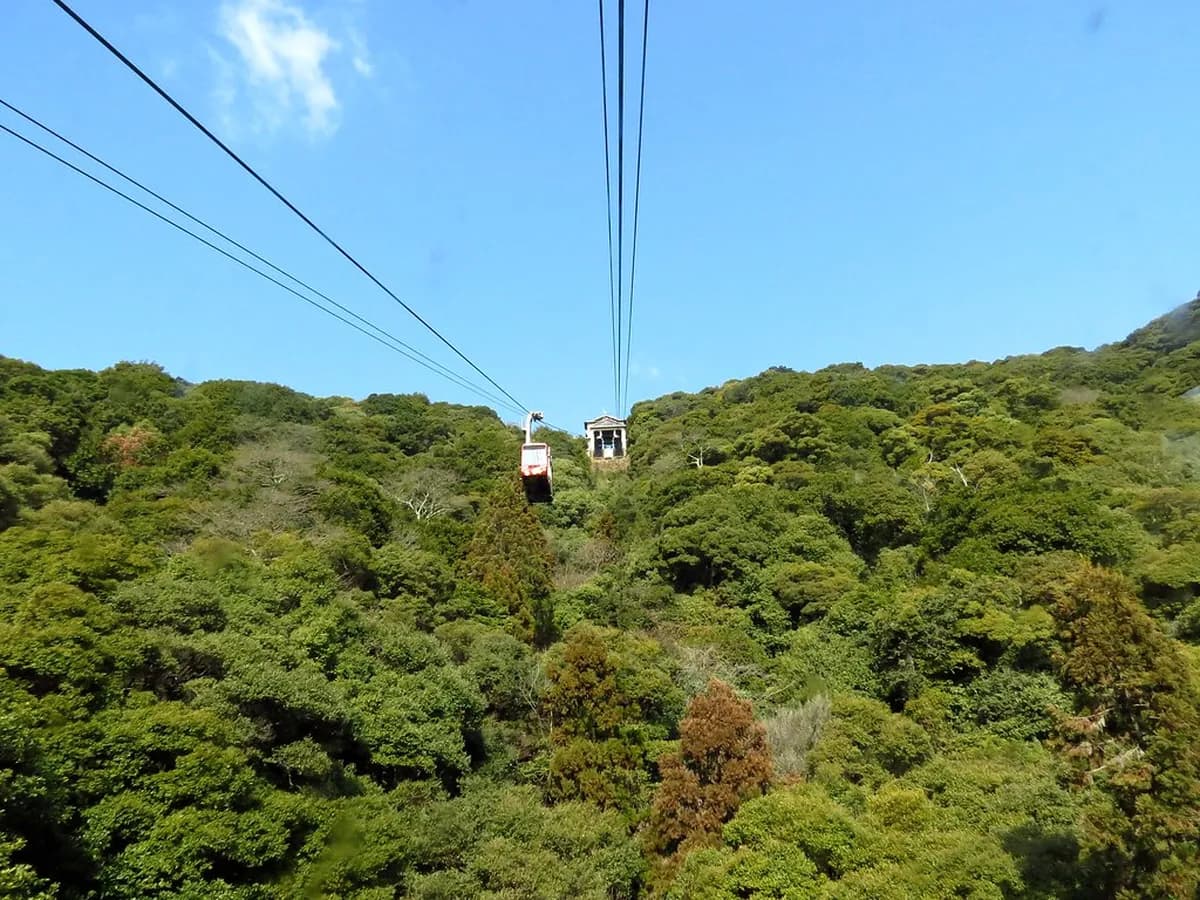
The ropeway spans 412 meters and reaches the summit in approximately three minutes. It offers a smooth ride that saves you from a very steep hike up Mount Shiroyama. Cars depart every 15 minutes, so you never have to wait long for a lift. You can check the latest operational status on the (Official Iwakuni Tourism) website.
Once at the top, a short five-minute walk through the forest leads you to Iwakuni Castle. The current structure is a 1962 reconstruction of the original 1608 mountaintop fortress. Inside, you will find a museum featuring samurai swords, armor, and historical maps. The top floor provides a stunning 360-degree view of the city and the distant islands.
Many travelers wonder if the castle is worth the trip compared to sites like Himeji. While smaller than Himeji, the view from Iwakuni is far more dramatic due to its elevation. The ropeway ride itself is a highlight for families and photography enthusiasts. You can find the exact location of the top station via (Location Data).
Kikko Park & the Samurai District
Kikko Park sits at the base of the mountain and serves as the cultural hub of the city. This area was once the site of the Kikkawa family residences during the Edo period. You can explore the Kikko Park grounds for free while walking toward the ropeway. The park features large fountains, seasonal flower gardens, and several historical statues.
Several preserved samurai houses are open to the public for a small additional fee. These buildings offer a glimpse into the daily lives of high-ranking warriors. The quiet streets around the park are perfect for a relaxing stroll away from the crowds. You will also find many shops selling the city's famous soft-serve ice cream with over 100 flavors.
The park acts as a natural transition between the river and the mountain forest. It is a great place to sit and rest before or after your castle visit. Local families often gather here on weekends for picnics and outdoor play. Make sure to stop by the statues of famous local figures to learn about the city's heritage.
White Snake Museum: A Natural Monument
Iwakuni is famous for its unique population of albino snakes found nowhere else in the world. These white snakes are considered messengers of the gods and symbols of good fortune. You can visit the Iwakuni White Snake Museum near the ropeway station. The facility offers educational displays about the biology and history of these rare creatures.
Admission to the museum is quite affordable at just ¥200 for adults. The museum is open daily from 9:00 to 17:00 for visitors. Live snakes are kept in clean, naturalistic enclosures for public viewing. It is a quick but fascinating stop that adds variety to your historical tour.
The snakes were designated as a National Natural Monument by the Japanese government. Local legends say they have protected the city's rice granaries for centuries. Children especially enjoy the interactive exhibits and the chance to see the snakes up close. It is a unique cultural quirk that sets this city apart from other castle towns.
Iwakuni Sushi, Lotus Root & Ukai
No visit to the city is complete without trying the local culinary specialty called Iwakuni-zushi. This square-pressed sushi is made in large wooden molds and layered with colorful ingredients. It was originally created as a preserved food for samurai during long military campaigns. You can find it served in many restaurants around the Kintai Bridge area.
The region is also famous for its lotus root, which uniquely features nine holes instead of eight. Local chefs use this crunchy vegetable in everything from tempura to pickled side dishes. The nine holes are said to represent the crest of the Kikkawa clan. Eating these local foods is a great way to support the regional economy.
During the summer months, you can witness the traditional art of Ukai, or cormorant fishing. Fishermen use trained birds to catch sweetfish in the river under the glow of torches. Special boat tours allow you to watch this ancient practice from the water. The city is also connected to the famous Dassai sake, which is brewed in this river basin.
Getting There from Hiroshima / Miyajima
Most travelers arrive from Hiroshima using the JR Sanyo Line for a 50-minute journey. The train fare is approximately ¥770 and is covered by the Japan Rail Pass. Be careful to get off at JR Iwakuni Station rather than the Shinkansen station. From the station, catch a bus labeled for "Kintaikyo" from platform number one.
The bus ride to the bridge takes about 20 minutes and costs roughly ¥300. If you are coming from Miyajima, the train ride is even shorter at about 25 minutes. Shin-Iwakuni Station is only useful if you are arriving via the Shinkansen bullet train. Buses also run from the Shinkansen station but are less frequent than from the main JR hub.
Taxis are available at all stations if you prefer a direct and private transfer. The walk from the JR station to the bridge is too long for most tourists. Using the local bus system is the most cost-effective and reliable way to reach the park. Check the Iwakuni travel guide for specific bus timetables.
One-Day Shimose Museum and Miyajima Island Extension
If you have a full day, consider visiting the Shimose Art Museum for a modern contrast. This museum recently won the Prix Versailles for its innovative architectural design. It is located along the coast and offers beautiful views of the Seto Inland Sea. The museum features colorful glass boxes that seem to float on a water plaza.
Combining Iwakuni with a trip to Miyajima Island is possible but requires an early start. You should aim to visit the bridge and castle in the morning before the crowds arrive. Take the afternoon train to Miyajimaguchi to catch the ferry to the island. This allows you to see two of Japan's most iconic views in a single day.
For sake lovers, a detour to the Dassai store or brewery can be a rewarding experience. The brewery is famous worldwide for its high-quality Junmai Daiginjo sake. You can sample different varieties and learn about the unique rice polishing process. It adds a sophisticated touch to your exploration of the Yamaguchi prefecture.
Practical Planning: Weather and Itineraries
The best time to visit is during the spring or fall for mild temperatures and clear skies. Summer can be very humid, making the walk to the castle more tiring. Winter is often quiet and peaceful, though some outdoor events may be limited. Always check the weather forecast to ensure the ropeway is operating during your visit.
A "90-minute express" visit is possible if you only see the bridge and take the ropeway. A "4-hour relaxed" trip allows for a full lunch, museum visits, and park exploration. Decide your pace based on your overall schedule and interest in samurai history. Most visitors find that three hours is the perfect amount of time for the main sites.
- 90-Minute Express Itinerary
- Focus: Bridge and Castle view
- Pace: Fast-moving walk
- Cost: ¥970 combo ticket
- Best for: Busy travelers
- 4-Hour Cultural Itinerary
- Focus: Full district exploration
- Pace: Relaxed and steady
- Lunch: Iwakuni-zushi included
- Best for: History buffs
Planning more? See things to do in Iwakuni and our Onomichi & Setouchi region guide. For the latest details, check the official site and more background.
Frequently Asked Questions
Is Iwakuni Castle worth visiting if I've seen Himeji?
Yes, it is worth visiting for the unique mountain setting and ropeway experience. While Himeji is larger, Iwakuni offers a spectacular view of the Kintai Bridge and the Seto Inland Sea from above. It provides a different perspective on Japanese feudal history. Check our Iwakuni Castle guide for more details.
How much is the combo ticket for Kintai Bridge and the ropeway?
The combo ticket costs ¥970 for adults and covers the bridge, round-trip ropeway, and castle entry. This set ticket is the best value for visitors. Buying individual tickets costs significantly more and is less convenient for travelers. It is available at most bridge ticket booths.
How do I get from Hiroshima Station to Iwakuni Castle?
Take the JR Sanyo Line from Hiroshima Station to JR Iwakuni Station, which takes about 50 minutes. From there, board a local bus to the Kintaikyo stop for a 20-minute ride. The total transit time is usually around 75 minutes. This is a very popular day trip route.
Can you walk up to Iwakuni Castle instead of taking the ropeway?
Yes, there is a hiking trail that leads to the summit of Mount Shiroyama. The walk takes about 30 to 45 minutes depending on your fitness level. Most visitors prefer the ropeway for the views and to save time. The trail can be steep and slippery after rain.
What are the white snakes of Iwakuni?
These are rare albino snakes that are unique to the Iwakuni area and designated as a natural monument. They are considered lucky symbols and have been protected by locals for centuries. You can see them at the dedicated museum near the ropeway. They are a fascinating part of local lore.
Iwakuni is a destination that perfectly balances natural beauty with historical depth. The combination of the Kintai Bridge and the mountain castle creates an unforgettable skyline. By using the combo ticket, you can enjoy all the major sites while keeping your budget in check. It remains one of the most rewarding day trips in the Chugoku region.
Whether you are interested in samurai history or unique wildlife, this city has something to offer. The ease of access from Hiroshima makes it a stress-free addition to your Japanese adventure. Remember to try the local sushi and take plenty of photos from the summit. We hope this visitor guide helps you make the most of your time in Iwakuni.

