

What to Eat in Gifu: 10 Must-Try Dishes and Best Restaurants (2026)
What to eat in Gifu: 10 must-try dishes from Hida beef and Nagara River ayu to hoba miso, plus where to eat each one in Gifu City and Takayama.
On this page
Last updated July 2026, this guide to what to eat in Gifu splits Gifu City's river cooking from Hida-Takayama's mountain cooking. Gifu City's food identity runs along the Nagara River below Gifu Castle and Mount Kinka, where ayu sweetfish and cormorant fishing shape the summer menu. The list below covers ten dishes, from Hida beef and hoba miso to riverside sake, plus where to eat each one in Gifu City, Yanagase, and Takayama.
10 Must-Try Dishes to Eat in Gifu
Gifu City sits below Gifu Castle and Mount Kinka, with the Nagara River running beneath it, and the local menu follows the water and the mountains around it. This list moves from the river to the peaks, covering the dishes visitors ask about most. Some, like Hida beef and hoba miso, actually belong to Hida-Takayama, roughly two hours north, rather than Gifu City itself.
- Hida Beef (Hidagyu)
- Black-haired cattle raised in Hida's mountains produce Hidagyu, wagyu graded up to A5, Japan's top wagyu tier. Order it as yakiniku, steak, sukiyaki, or nigiri sushi.
- Skewers show up as street food at festivals, a cheaper way to sample the marbling.
- JNTO's Gifu cuisine guide ranks Hida beef among Japan's most recognized wagyu brands, and the Hida beef dining guide covers cuts and grades in more depth.
- Nagara River Ayu (Sweetfish)
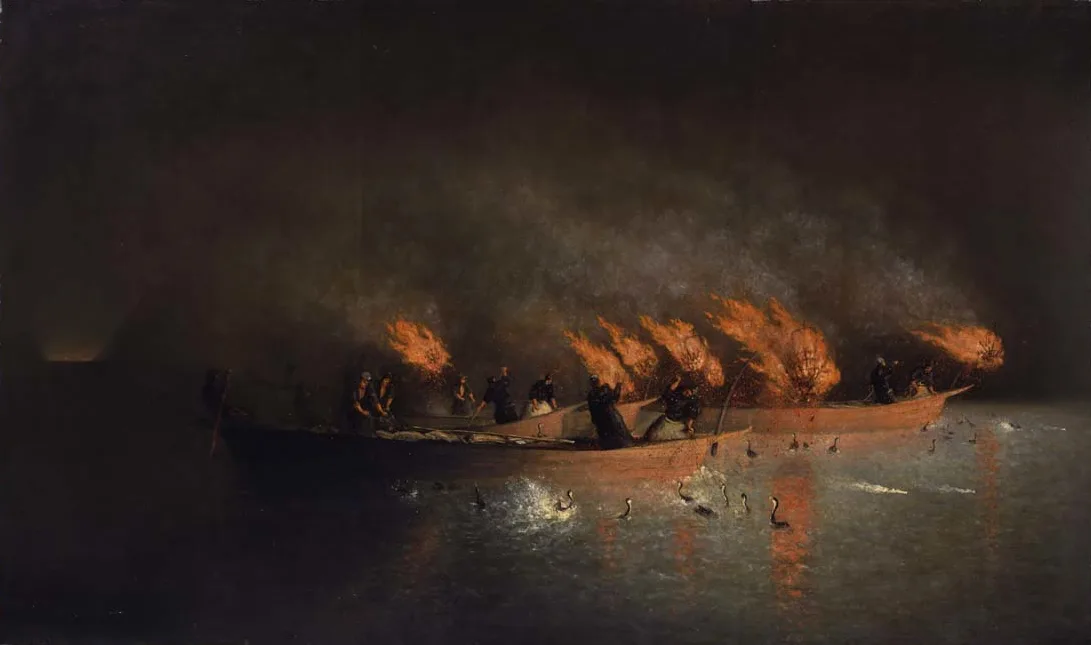
- Ayu feed on river algae, which gives the grilled fish a light, melon-like scent locals call sweetfish flavor. Ukai, the Nagara River's cormorant fishing tradition, is a recognized Intangible Cultural Property that typically runs from May 11 to October 15.
- Riverside kawadoko dining platforms serve grilled ayu through the season.
- The Nagara River ayu guide covers viewing spots and menus in more depth.
- Hoba Miso
- Miso paste and mountain vegetables grill together on a dried magnolia (hoba) leaf, a dish born from Hida's harsh winters.
- Modern versions add toppings like Hida beef or sea urchin to what began as a farmer's meal.
- Hidatakayama Hida-Gyu Kyodo-ryori Shusai serves a traditional version alongside other regional preparations.
- Keichan Chicken
- Keichan spans both regions: a Gifu City-style version and mountain renditions from Hida's Meiho area, each with its own marinade.
- Sauces range from miso to soy to garlic, since every household historically developed its own recipe.
- Meiho-area shops still sell it as takeaway near train stations, a quick option between sightseeing stops.
- Takayama Ramen
- Also called Hida ramen, this bowl uses a light soy broth built from chicken and seafood stock.
- Thin curly noodles absorb the broth, topped with bamboo shoots, green onions, and pork slices.
- Shops near Takayama's old town, including Hida Beef Bone Takayama Ramen Matsuri, often finish the broth in front of guests.
- Kurikinton (Candied Chestnut Sweets)
- Gifu's kurikinton candies peeled chestnuts in sugar, a lighter take on the sticky New Year's osechi version eaten nationwide.
- The neighboring Nakatsugawa area is closely associated with the confection.
- Autumn chestnut harvests set the freshest season for buying it fresh from local confectioners.
- Gifu Persimmons and Hoshigaki
- Fuyu persimmons ripen through autumn and turn up fresh in markets, roadside stations, and cafe desserts.
- Hoshigaki, the dried version, concentrates the sweetness into a winter delicacy worth seeking out.
- Chefs also fold persimmons into cakes, jellies, and savory salads outside the fresh-fruit season.
- Gifu Soba
- Buckwheat soba grown in the region's mountain valleys has a nutty flavor and firm bite.
- It works as a quieter counterpart to a Hida beef or ayu-heavy meal, and JNTO lists it among the prefecture's core specialties.
- Local Sake
- Gifu's clear river water and mountain rice supply several breweries producing sake built to pair with river fish and grilled beef.
- The Gifu sake breweries guide lists tasting rooms and tour details for planning a stop.
- Wild Game and River Delicacies
- A few Gifu Prefecture kitchens serve oysters and wild game, known as gibier, including venison and boar.
- Kaki to Gibier no Omise is one such spot, reflecting the mountain-hunting side of Gifu's food culture.
- These dishes sit apart from the everyday river-and-beef staples, worth trying for a change of pace.
Gifu City or Hida-Takayama: Where Each Dish Comes From
Gifu City and the Hida-Takayama mountains share a prefecture but not a menu. Ayu and Gifu City-style keichan belong to the city, caught and cooked along the Nagara River near Gifu Castle and Mount Kinka. Hida beef, hoba miso, and Takayama ramen come from Takayama and the surrounding Hida mountains. A same-day day trip from Nagoya usually covers only one side, so decide which region's food matters more before building the itinerary.
When to Eat What: Gifu's Food Seasons
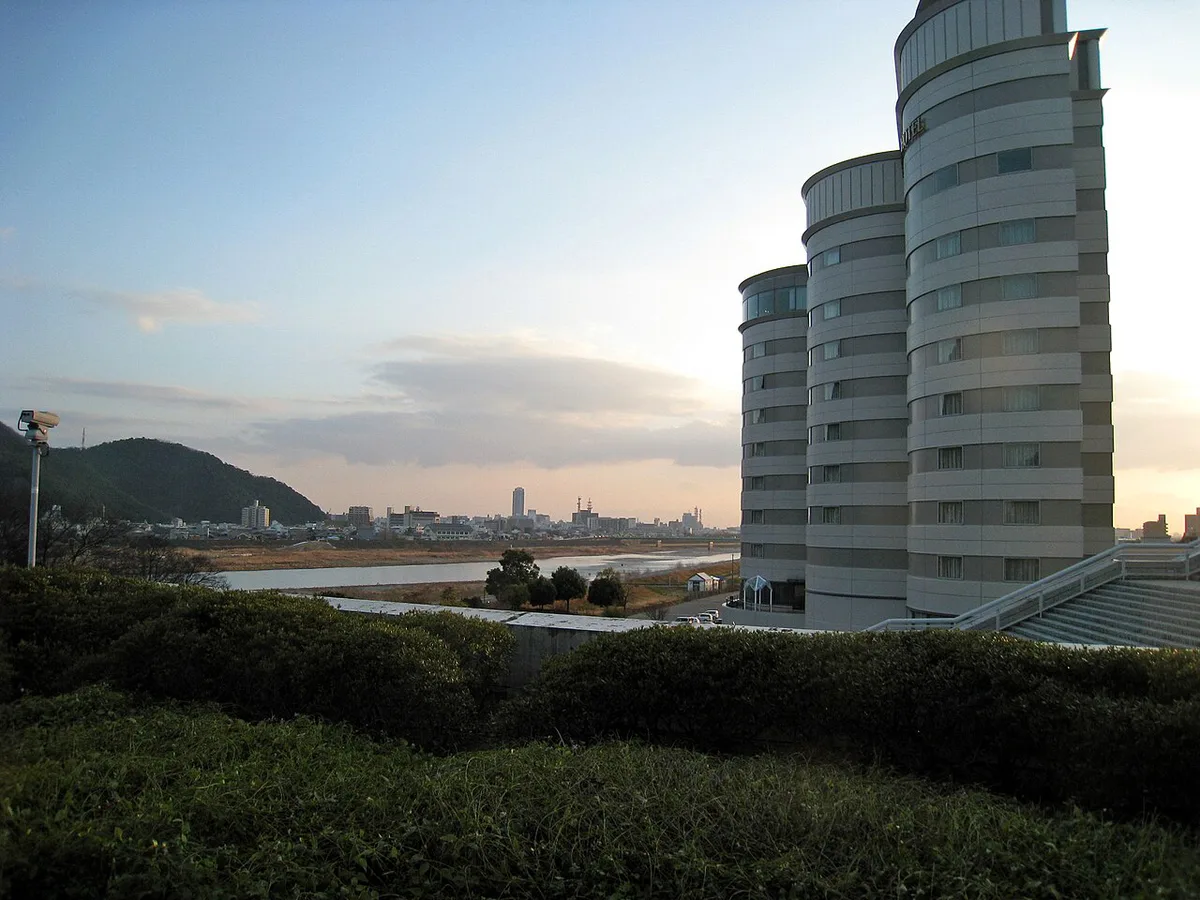
Timing changes what is worth ordering in Gifu. Plan around a dish's season instead of assuming everything runs year-round, and pair the table below with the best time to visit Gifu guide for weather alongside food.
| Dish | Peak Season | Note |
|---|---|---|
| Nagara River Ayu / Ukai | Mid-May to mid-October | Cormorant fishing typically runs May 11 to October 15; kawadoko platforms open for the season. |
| Hida Beef | Year-round, richest in winter | Cattle build extra marbling in cold months. |
| Hoba Miso | Year-round, rooted in winter | Began as a winter dish for Hida mountain farmers. |
| Keichan Chicken | Year-round | A home-style dish with no strong season. |
| Kurikinton | Autumn | Tied to the chestnut harvest around Nakatsugawa. |
| Persimmons / Hoshigaki | Autumn through early winter | Fresh Fuyu persimmons give way to dried hoshigaki in winter. |
| Takayama Ramen | Year-round | A steady order after sightseeing in Takayama's old town. |
Where to Eat Hida Beef and Ayu in Gifu City
Gifu City's downtown centers on Yanagase and Kawaramachi, where yakiniku grills and steakhouses serve Hida beef shipped down from the mountains. Kawadoko platforms along the Nagara River open seasonally for grilled ayu. Hanelu Cafe Yanagase Store, inside the Yanagase arcade, works as a lighter stop between meals.
- Hanelu Cafe Yanagase Store
- Best for: a coffee or sweets break between meals.
- Price range: low.
- Access: inside the Yanagase shopping arcade, walking distance from Gifu Station.
- Kawadoko Riverside Platforms
- Best for: a seasonal ayu dinner with a river view.
- Price range: mid to high, and it varies by restaurant.
- Access: along the Nagara River near Gifu Castle and Mount Kinka, downstream from central Gifu Station.
- Yanagase and Kawaramachi Yakiniku Row
- Best for: an evening Hida beef dinner without the trip to Takayama.
- Price range: mid to high.
- Access: Yanagase and Kawaramachi, a short walk from central Gifu Station.
Hida-Takayama Restaurants Worth the Trip
Takayama holds most of the region's named Hida beef specialists, roughly two hours from Gifu City by train. Reserve ahead for sukiyaki and multi-course sets. Confirm current hours before the trip, since several restaurants close early.
- Hidagyu Sukiyaki Nakabashi Wakachiya
- This sukiyaki specialist sits a 13-minute walk from Takayama Station, near the red Nakabashi bridge.
- A course runs ¥5,000, and the restaurant lists an English menu with English-speaking staff.
- Hours run 10:30am to 7:00pm, with last order at 6:00pm, and there is no listed regular closing day.
- Italian Cuisine Bocca Buona
- Bocca Buona folds Gifu ingredients into pasta and pizza, a break from beef-heavy menus.
- It sits about 15 minutes on foot from Takayama Station and closes Wednesdays.
- Lunch starts at ¥1,000 and dinner at ¥2,000, with an English menu available.
- Aji no YOHEI
- This teppanyaki and sukiyaki spot sits about 30 minutes from the Takayama Interchange by car.
- Both lunch and dinner run ¥3,500, served with an English menu and English-speaking staff.
- Lunch runs 11:00am to 3:00pm with last order 2:30pm; dinner runs 5:00pm to 8:30pm with last order 8:00pm.
- Jukusei Hidagyu Yakiniku GYU-SUKE
- GYU-SUKE specializes in aged, or jukusei, Hida beef yakiniku.
- Confirm the current last-order time before visiting, since posted hours can shift.
Yanagase and Kawaramachi After Dark
Yanagase and Kawaramachi form Gifu City's main evening dining district, a short walk from Gifu Station. The Yanagase and Kawaramachi food guide maps izakayas, yakiniku counters, and bars across both districts. Kaki to Gibier no Omise breaks from the standard rotation with oysters and wild game, including venison and boar. Local sake pairs well with either menu, given the region's mountain rice and river water.
Planning a Gifu Food Tour: Hours, Reservations, and Cash
Build the food half of the trip around opening hours, not just flavor. Many Takayama restaurants finish dinner service by 8:00 or 8:30pm. Reserve ahead for sukiyaki and multi-course Hida beef sets, especially on weekends. Carry cash, since smaller sukiyaki and hoba miso counters often skip cards even where larger restaurants list Visa and MasterCard. Pair a lunch stop with the Gifu attractions guide. Sequence meals around sightseeing using the Gifu Itinerary One Day Travel Guide. Downtown food stops sit within walking range of the Gifu Great Buddha Shoho-ji Travel Guide. Hotels near the station and river are listed in the where to stay in Gifu guide. Check the getting to Gifu guide for train times from Nagoya or Takayama.
Mistakes to Avoid When Eating in Gifu
A few planning mistakes come up again and again for first-time visitors eating their way through Gifu.
Ayu (sweetfish) and the ukai cormorant-fishing tradition are strictly limited to May 11 to October 15. Visitors arriving outside this window miss both the signature river fish and the chance to witness this traditional cultural fishing practice.
- Assuming every Gifu dish is in Gifu City
- Hida beef, hoba miso, and Takayama ramen belong to Takayama and the Hida mountains, roughly two hours from Gifu City.
- Budget a separate day, or check Day Trips From Gifu Travel Guide for how to combine the two without rushing.
- Visiting the river in the wrong month
- Ukai cormorant fishing and kawadoko riverside dining are seasonal, typically running mid-May through mid-October.
- Arrive in winter expecting grilled ayu on the river, and there will be nothing running.
- Skipping reservations for sukiyaki
- Multi-course Hida beef sets and sukiyaki dinners fill up, especially in Takayama's old town on weekends.
- Book ahead rather than walking in.
- Assuming every restaurant takes cards
- Traditional counters serving hoba miso or keichan are more likely to be cash-only than larger yakiniku chains.
- Carry enough cash to cover a full dinner as a backup.
How to Choose a Hida Beef Restaurant in Takayama
Choose a Hida beef restaurant by cooking style, since each preparation highlights different qualities. Yakiniku lets diners compare several cuts and control the cooking time. Steak emphasizes marbling and texture, while sukiyaki pairs thin slices with a sweet soy-based broth. Nigiri and skewers suit travelers seeking a smaller tasting portion.
- Honba No Aji Maruaki: Best for casual yakiniku and comparing multiple cuts. It also operates beside a Hida beef retail counter.
- Steak House Kitchen Hida: Best for a formal, Western-style steak meal near Takayama’s historic center.
- Hidagyu Tabedokoro Tengu: Best for traditional sukiyaki and a slower seated meal.
Maruaki and Kitchen Hida are accessible from central Takayama, making them practical around old-town sightseeing. Reserve sukiyaki or steak dinners when visiting on weekends. Walk-ins may be easier at lunch, but availability varies. Confirm opening hours directly because Takayama restaurants often finish service earlier than urban restaurants.
For trip-planning details, see Gifu (city) - Wikivoyage.
Explore food in other cities
Check before you go: Use the official Visit Gifu food and drink guide for current local listings, and cross-check seasonal food traditions with the Japan National Tourism Organization.
Frequently Asked Questions
Is Hida beef from Gifu City or Takayama?
Hida beef comes from cattle raised in the Hida mountains around Takayama, not Gifu City itself. Gifu City still serves it in downtown yakiniku grills and steakhouses, but the cattle and the brand name trace to the mountains two hours north.
When is the best time to eat ayu sweetfish in Gifu?
Ayu season lines up with Nagara River cormorant fishing, typically mid-May through mid-October. Kawadoko riverside platforms operate during that window, and grilled ayu is hardest to find outside it.
What is hoba miso, and where should visitors try it?
Hoba miso is miso and mountain vegetables grilled on a dried magnolia leaf, a dish that began as Hida farmers' winter food. It is a Hida-Takayama specialty, and Hidatakayama Hida-Gyu Kyodo-ryori Shusai is one option serving traditional regional preparations.
Do Gifu restaurants take credit cards?
Larger yakiniku and steakhouse chains generally list Visa, MasterCard, and other major cards. Smaller traditional counters serving hoba miso or keichan are more likely to be cash-only, so carry cash as a backup.
How many days should visitors plan for a Gifu food trip?
One day covers Gifu City's ayu, keichan, and riverside dining near Gifu Castle and Mount Kinka. Add a second day, or an overnight, to reach Takayama for Hida beef, hoba miso, and Takayama ramen.
Explore Gifu's Food Scene
Dig deeper into what to eat in Gifu, from riverside sweetfish and Hida beef to sake breweries and where to eat downtown.
Signature Local Dishes
Where to Dine
- Riverside Dining in Gifu
- 10 Best Restaurants in Yanagase & Kawaramachi
- Where To Stay In Gifu Travel Guide
Drinks & Day Trips
Plan Your Gifu Trip
Free guide: Japan's Hidden Gems
12 under-the-radar places beyond Tokyo & Kyoto — with the best season to visit each and a local tip you won't find in the guidebooks.
You might also like


Continue reading
More guides you'll find useful


