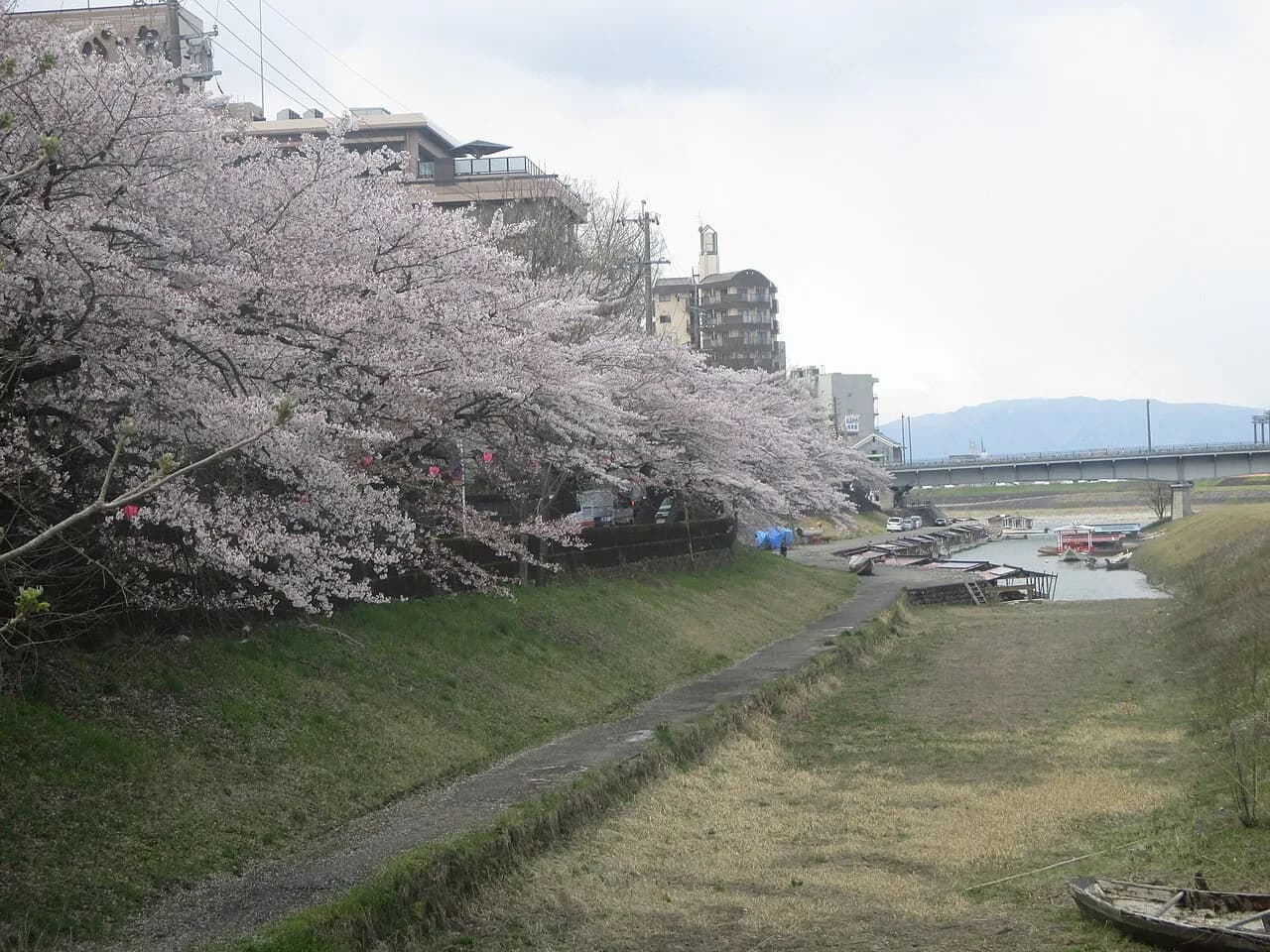
Sake Breweries Near Gifu: Best Regions, Tours, and Tasting Tips
Find the best sake breweries near Gifu, from Ogaki's water district to Hida Takayama's alpine kura, with 2026 travel times, tasting fees, and tour tips.
On this page
Last updated July 2026, this guide maps sake breweries near Gifu across three regions: Ogaki, Hida Takayama, and the Ena-Nakatsugawa route. Gifu Prefecture is a landlocked "Sake Kingdom" with 42 breweries, the seventh-most of any Japanese prefecture. Ogaki sits 15 minutes from Gifu Station, while Hida Takayama's alpine kura reward a 2-hour trip and an overnight stay.
Sake Breweries Near Gifu: A Region-by-Region Overview
Two ingredients define sake across Gifu Prefecture: Hidahomare rice and G-yeast. Hidahomare grows on Northern Alps snowmelt, and its low protein content and high shinpaku ratio suit high-grade brewing. The Gifu Prefecture Sake Brewery Association developed G-yeast with the prefecture's Industrial Technology Center, and breweries have used it since around 1997. Sake made with Hidahomare typically balances sweetness, spice, acidity, and bitterness rather than leaning into one note. In 2024, Japan's traditional sake brewing was added to the UNESCO Intangible Cultural Heritage list. Gifu's kura are part of that recognized craft. Most visits pair naturally with Gifu's food scene. Grilled ayu sweetfish is a classic match for drier styles. So is Hida beef, especially with richer junmai pours. Water chemistry shapes flavor as much as rice does. Ogaki's underground springs feed its kura directly, giving a mineral-forward base. Toki City's Chigonoiwa Shuzo, in Gifu's pottery-producing region, uses a different water source. Local clay filters the groundwater there into an unusually soft profile, according to the brewery's own account. The resulting sake reads gentler on the palate than Ogaki's spring-fed styles.
Japan's traditional sake brewing was added to UNESCO Intangible Cultural Heritage in 2024, a recognition Gifu's breweries exemplify through their multi-generational heritage, including breweries like Hirase recorded since 1623 and Iwamura matching water-and-rice profiles for roughly 400 years.
| Region | Distance from Gifu City | Breweries in This Guide | Best For |
|---|---|---|---|
| Ogaki | About 15 min by train from Gifu Station | Takeuchi, Miwa, Watanabe | Half-day trip, City of Water wells |
| Hida Takayama | About 2 hr on the JR Hida Limited Express | Hirase Shuzo, Oita, Hirata Syuzoujou, Kawashiri Shuzoujou | Overnight stay, Sanmachi Suji old town |
| Ena / Nakatsugawa | Guided tour from JR Nakatsugawa Station | Iwamura Jozo, Kuramoto Yamada, Ena Jozo | Guided hopping tour, mountain spring water |
Ogaki: The City of Water, 15 Minutes From Gifu Station
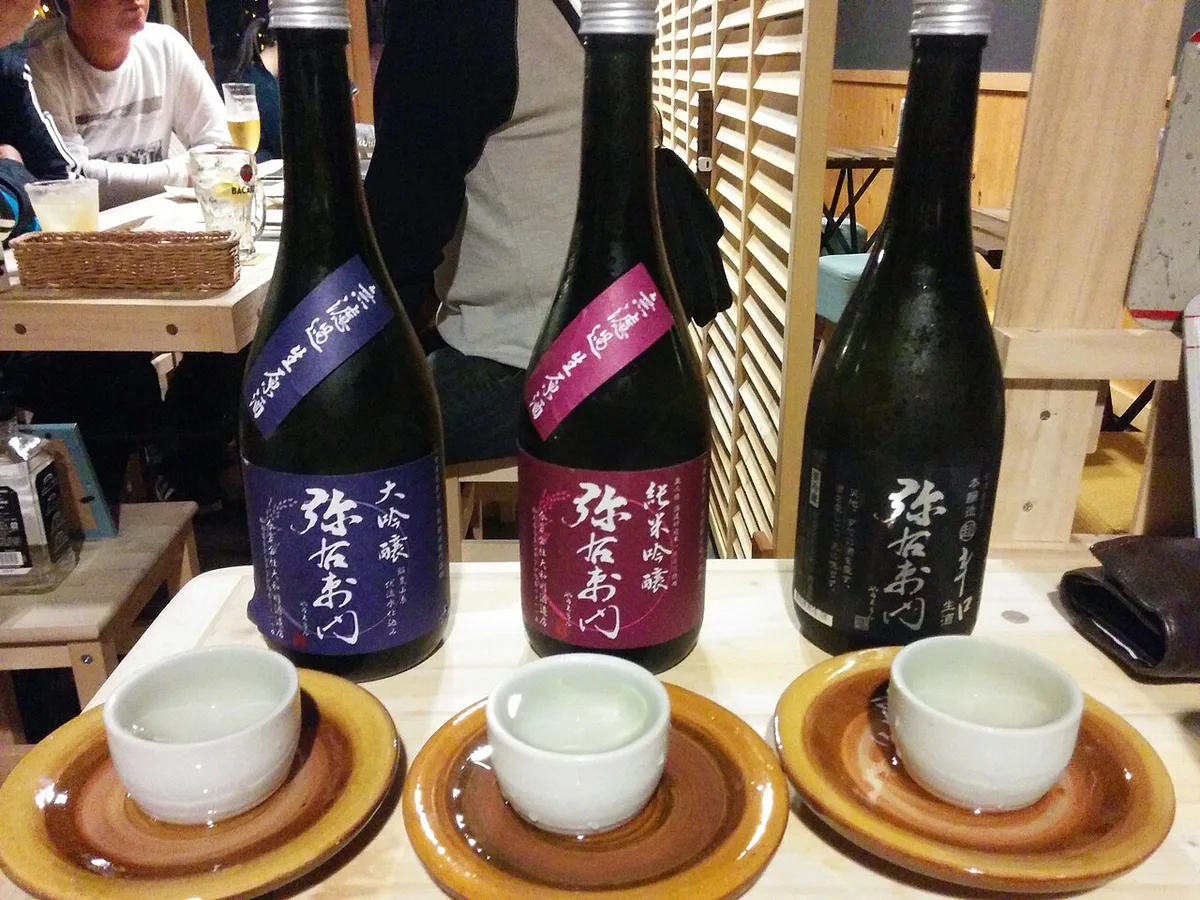
Ogaki earned its "City of Water" nickname from groundwater that surfaces naturally across downtown. Several public wells let visitors taste that same water before touring a kura. The city sits about 15 minutes from Gifu Station, making it the easiest half-day option for a first sake stop. Three breweries anchor the district, each with a different specialty. Takeuchi blends Edo-period tradition with newer brewing techniques under labels including Mino Beniume. Miwa's nigori sells across Japan and abroad, built around its rich, cloudy brewing style. Female master brewers remain uncommon across Japan's sake industry, so in our editorial assessment, Watanabe is worth prioritizing if only one Ogaki stop fits the schedule. Pair a stop at Takeuchi with a morning at Gifu Castle on Mount Kinka before the ride to Ogaki. Alternatively, treat the whole loop as a day trip from Gifu. Discover Gifu also runs a combined mizu-manju, masu-making, and sake-tasting experience through Ogaki's brewery district for travelers who want the water culture alongside the sake.
- Takeuchi Sake Brewery (founded 1744): near Ogaki Castle, an Edo-period house producing Mino Beniume; call ahead to confirm tour availability.
- Miwa Sake Brewery (founded 1837): specializes in nigorizake, a rich, cloudy style, under labels including Shirakawa-go and Dosan Gin Setsuhana.
- Watanabe Sake Brewery (founded 1902): its fourth-generation toji is Gifu Prefecture's only female master brewer, producing Minonishiki and Snow White.
Hida Takayama: The Alpine Tradition Worth an Overnight
Hida Takayama sits roughly a 2-hour trip from Gifu City on the JR Hida Limited Express. Treat it as an overnight rather than a half-day add-on. The Sanmachi Suji old town concentrates seven sake breweries within its Edo-period streets. Labels marked junmai, ginjo, or honjozo follow Japan's quality standards for rice-polishing ratio and added ingredients, and Hirase Shuzo focuses specifically on these "specific-name" categories rather than mass-market blends. Discover Gifu's Nihonshu Magic experience puts travelers through the brewing process itself, in a 7-hour session held during the October-to-March season. Pricing is available directly from Discover Gifu, since group size and season affect the rate. Building this into a longer Gifu Itinerary One Day Travel Guide makes the overnight easier to justify. Travelers based in Gifu City can compare options at Where To Stay In Gifu Travel Guide before deciding whether to sleep in Takayama instead.
- Hirase Shuzo (recorded since 1623): the oldest brewery in Takayama, 15 generations and more than 380 years in, at the foot of Mt. Tenjin.
- Oita Sake Brewery (roots in the 1720s): relocated to Kiyomi Village in 1991 for its natural surroundings, and now brews with Hida mountain groundwater and Hidahomare rice.
- Hirata Syuzoujou (founded 1887): pumps its own well water and follows a "sake is grown, not manufactured" philosophy.
- Kawashiri Shuzoujou (founded 1839): ages sake in-house for several years, aside from its unfiltered ori-shu, for a deeper amber color and mellower taste.
- Nihonshu Magic schedule: 6:00, breakfast with a toji at Miyagawa Morning Market.
- 6:45 to 11:00, hands-on brewing work at the kura.
- After 11:00: sake tasting, lunch in the Takayama Historical District, and a complimentary 720ml bottle to take home.
Ena and Nakatsugawa: The Mountain Spring Route
Nakatsugawa and Ena hold a smaller cluster of family-run breweries, best reached with a guided tour rather than independent stops. Soy Travel Japan runs a 7-hour sake breweries hopping tour from JR Nakatsugawa Station, available April through September for groups of one to eight people. A private taxi covers one to three travelers, while a private van covers up to eight, and both include a guide for the full route. Guiding, tasting, and lunch are included in the tour price, which is available on request from the operator. Ena Jozo's fifth-generation owner, Koemon Nagase, acquired the brewing rights in 1818, and the family has run the kura for eleven generations since, seven of them as sake brewers. It's a practical way to see three rural kura without arranging separate transport or advance appointments at each one.
- Iwamura Jozo (founded 1787): set in the castle town below Iwamura Castle, with stone walls still standing; the guided tour shows the rail system historically used to move rice and sake through the kura, and the brewery has matched its water to its rice for roughly 400 years by its own account.
- Kuramoto Yamada (founded 1868): known on the tour route for its hospitality toward visitors, in the water-rich Yaotsu area.
- Ena Jozo (founded 1818): a family-run brewery now on its 11th generation, using spring water from the Futatsumoriyama hillside behind the kura for its Kujiranami label.
Planning a Gifu Sake Brewery Visit: Transport, Timing, and Costs
Most routes start with getting to Gifu City itself. Check How to Get to Gifu: 2026 Travel Guide for rail and highway bus options from Nagoya and Tokyo. Travelers based in Nagoya can also treat the whole trip as a day trip from Nagoya, skipping an overnight in Gifu City entirely. From Gifu Station, Ogaki is roughly 15 minutes by local train, and Hida Takayama is about 2 hours on the JR Hida Limited Express. Compare that fixed-schedule train against Soy Travel's private taxi or van option from Nakatsugawa, which trades a train transfer for door-to-door stops at each brewery. Time the trip around the Best Time To Visit Gifu Travel Guide. October through March is brewing season, when tours like Nihonshu Magic run and fresh pressings are available. Tasting rooms themselves stay open year-round, so a summer trip still works for tasting even without a brewing-season tour. Combine a brewery day with Gifu's other attractions if breweries alone don't fill the day. The Gifu Great Buddha Shoho-ji Travel Guide is an easy add-on within the city.
Ogaki sits 15 minutes from Gifu Station, making it ideal for a quick half-day brewery visit, while Hida Takayama's 2-hour trip justifies the investment of staying overnight.
- Brewery tasting fee: roughly ¥100 to ¥500 per person at most kura.
- Full-day guided tour (Soy Travel or Discover Gifu's Nihonshu Magic): price on request, since group size and season affect the rate.
Sake Tasting Etiquette and Mistakes to Avoid
A few habits separate a smooth brewery day from a frustrating one. Save room for pairing back in Gifu City. Yanagase and Kawaramachi's food scene pours many of these same labels alongside dinner. Riverside kawadoko dining is a seasonal option for pairing sake with a summer meal.
- Book ahead. Most kura want one to two weeks' notice for a behind-the-scenes tour instead of a walk-in tasting-room stop.
- Skip the fragrance. Strong perfume or cologne interferes with the tasting room's aroma work, so staff generally ask visitors to avoid it.
- Plan sober transport. Gifu's rail links to Ogaki and Takayama make it easy to taste without driving, and the guided Nakatsugawa tour already includes transport.
- Confirm hours first. Tasting-room hours change by season, so confirm directly with Miwa, Watanabe, or any other kura before a visit.
Why Watanabe’s Female Tōji Stands Out
A tōji is the brewery leader responsible for fermentation decisions, production schedules, quality control, and the brewing team. The role requires technical knowledge and close judgment throughout each batch.
Historically, many tōji were men recruited through regional brewing guilds and seasonal agricultural labor networks. That legacy still shapes leadership across the sake industry. Watanabe Sake Brewery therefore offers more than a convenient Ogaki tasting stop. Its fourth-generation tōji is the only female master brewer in Gifu Prefecture.
Visitors can explore her brewing approach through Watanabe’s Minonishiki and Snow White labels. Ask staff which bottles are currently available and whether any use local rice or Gifu-developed yeast. Compare aroma, acidity, sweetness, and finish rather than judging every pour only as dry or sweet. The tasting room also fits easily into an Ogaki walking route with Miwa Sake Brewery, Takeuchi Sake Brewery, and the city’s public groundwater wells. Confirm opening hours and tasting availability directly before traveling.
Check before you go: Use the official Visit Gifu food and drink guide for current local listings, and cross-check seasonal food traditions with the Japan National Tourism Organization.
Frequently Asked Questions
Which sake brewery is closest to Gifu City?
Ogaki's three breweries are the closest option, about 15 minutes from Gifu Station by train. Takeuchi, Miwa, and Watanabe all sit within Ogaki's compact water district, making it realistic as a half-day trip.
Do sake breweries near Gifu require advance booking?
Many do, especially for behind-the-scenes tours rather than a simple tasting-room stop. Plan for one to two weeks' notice, and confirm current tasting-room hours directly with each brewery before visiting.
Can you visit Hida Takayama's sake breweries as a day trip from Gifu City?
It's possible but tight, since the JR Hida Limited Express takes about 2 hours each way. Most travelers treat Takayama as an overnight, leaving time to see the Sanmachi Suji old town alongside its breweries.
When is the best time for a Gifu sake brewery tour?
October through March is brewing season, when hands-on experiences like Nihonshu Magic operate and fresh-pressed sake is available. Tasting rooms stay open the rest of the year, so a visit outside those months still works for tasting.
How much does sake tasting cost near Gifu?
Tasting fees at most breweries run roughly ¥100 to ¥500 per person. Full-day guided tours cost more and price on request, since group size and season affect the rate.
What is Kujiranami sake and where does it come from?
Kujiranami is the signature label of Ena Jozo, a family-run brewery near Nakatsugawa now on its 11th generation. It uses spring water drawn from the Futatsumoriyama hillside behind the kura.
What is G-yeast and why does it matter for Gifu sake?
G-yeast is a proprietary strain the Gifu Prefecture Sake Brewery Association developed with the prefecture's Industrial Technology Center. Breweries across the prefecture have used it since around 1997 to shape a consistent house character.
Is a car necessary to visit sake breweries near Gifu?
No. Ogaki and Hida Takayama are both reachable by train from Gifu Station, and the Ena-Nakatsugawa route runs as a guided tour with transport included. Renting a car stays optional for all three regions.
Free guide: Japan's Hidden Gems
12 under-the-radar places beyond Tokyo & Kyoto — with the best season to visit each and a local tip you won't find in the guidebooks.
You might also like


Continue reading
More guides you'll find useful