

Where to Eat Ayu in Gifu: 4 Best Spots for Nagara River Sweetfish
Where to eat ayu in Gifu, from Kawaramachi's Izumiya to riverside kawadoko platforms and yana fish traps, with 2026 hours and prices.
On this page
Last updated July 2026, this guide narrows where to eat ayu in Gifu down to four proven picks near Kawaramachi and the Nagara River. Ayu, the small sweetfish tied to Gifu's cormorant-fishing tradition, appears on menus mostly between May and October, so timing matters as much as picking a restaurant. Each pick below covers a different way to eat it: a refined dining room, open-air river platforms, a rustic fish-trap restaurant, and casual street sweets.
Nagara River Ayu and the Ukai Cormorant-Fishing Tradition
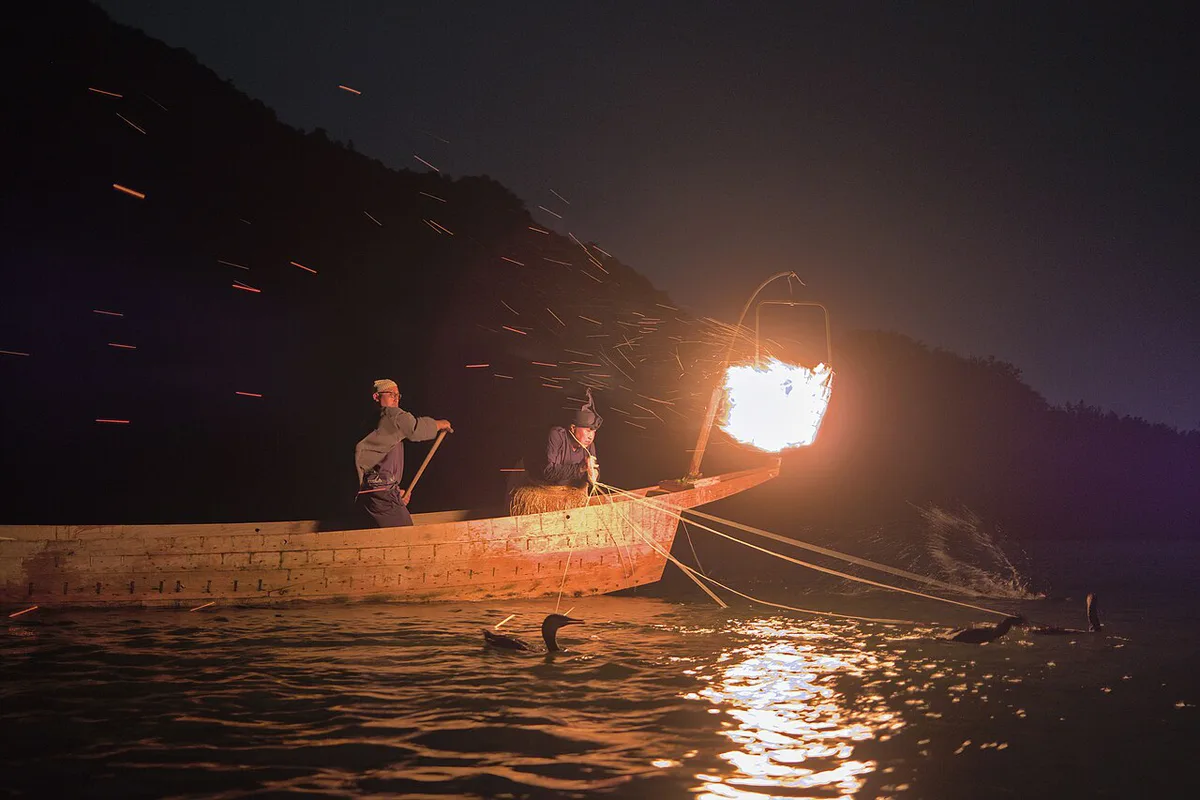
Gifu's ayu culture centers on ukai, a cormorant-fishing method that has run on the Nagara River for more than 1,000 years. An usho, or cormorant handler, sets out by boat at night with several tethered cormorants and a torch for light. Each bird dives for ayu and holds them in its throat, restrained by a neck snare, until the handler retrieves the catch. Wild ayu here are also caught by tomo-zuri, a technique built around the fish's territorial instinct: a lure ayu is set loose, a rival fish attacks it, and the attacking fish hooks itself. Two names worth watching for on menus are Gujo ayu and Wara ayu, both wild-caught varieties tied to the Nagara and Gujo river system. Nagara River ayu fishing also carries Globally Important Agricultural Heritage System recognition, underscoring how central the fishery is to the region's identity. During the boat-viewing season, a solo vendor boat pulls alongside the cormorant-fishing cruises and grills ayu on the spot, serving it hot to passengers as they watch. Oda Nobunaga, the 16th-century warlord who used Gifu as a strategic base, remains part of the city's historical narrative, and Kawaramachi-area itineraries sometimes pair an ayu meal with nearby sites connected to him.
Wild vs. Farmed Ayu on Gifu Menus
Not every ayu on a Gifu menu is wild-caught. Restaurants like Kawaramachi Izumiya specifically advertise natural ayu, caught by tomo-zuri in the Gujo and Nagara rivers, as a selling point. Farmed ayu costs less and stays available for more of the year, since supply is not limited to the wild fishing season. Course menus built around Gujo ayu or Wara ayu, the wild-caught varieties named above, typically sit at the higher end of local pricing. If a menu does not specify, ask directly, since wild fish carry the strongest algae-fed aroma and the higher price that comes with it.
Wild Gujo and Wara varieties disappear after October 15 until spring, forcing winter travelers to accept farmed fish; farmed ayu costs less than wild but sacrifices the distinctive algae-scented character that defines the local delicacy.
When to Eat Ayu in Gifu: Season by Season
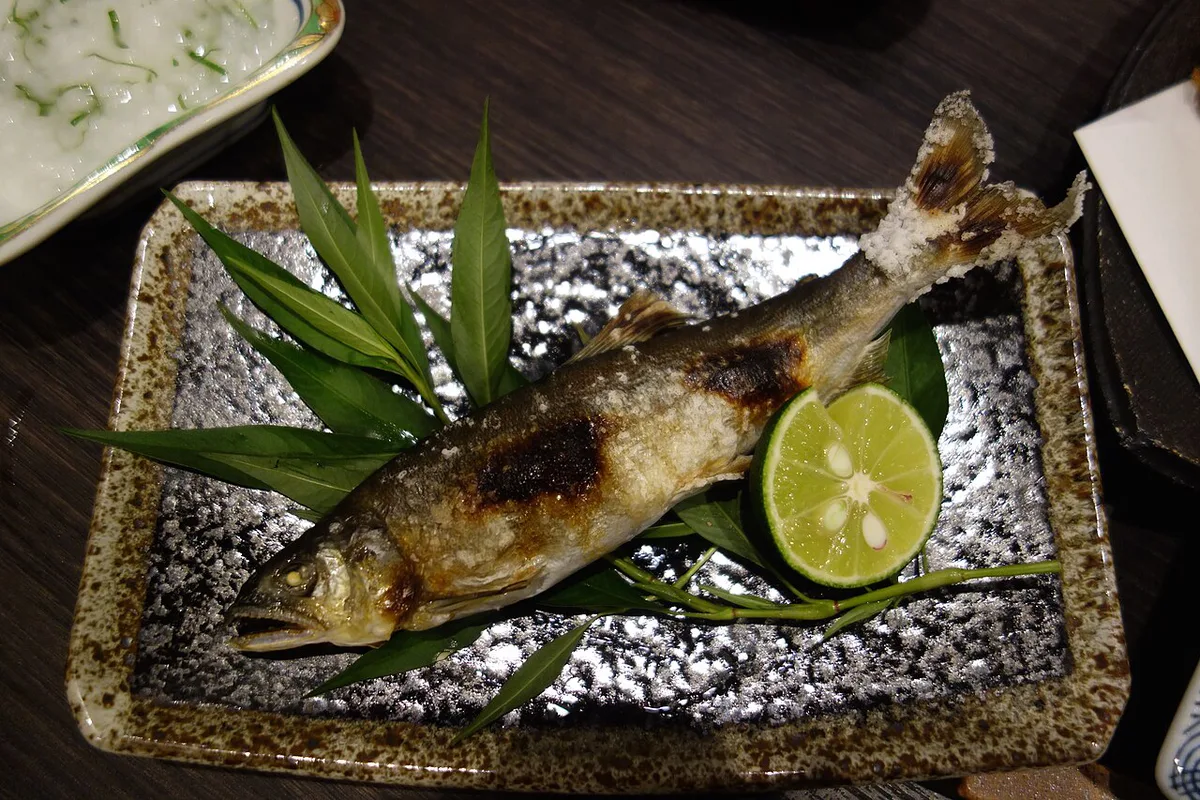
Ayu appears on Gifu menus mainly from May 11 through October 15, matching the Nagara River's cormorant-fishing season. Locals call the fish kougyo, or fragrant fish, for its watermelon-like scent, caused by algae it grazes along clean riverbed stones. The fish also changes shape and flavor across summer, so the same kitchen can serve three distinct versions between June and October. This closure protects spawning ochi-ayu, which carry roe as they head downstream before winter. Outside the season window, some restaurants switch to reservation-only service, and fresh wild ayu becomes hard to find until it reopens. Check the Best Time To Visit Gifu Travel Guide guide for exact shoulder-season planning before booking a table.
| Period | Ayu Stage | Typical Dish |
|---|---|---|
| June-July | Ko-ayu (young ayu) | Tempura, eaten whole |
| August | Peak-size ayu | Shioyaki (salt-grilled) |
| September-October | Ochi-ayu (spawning, with roe) | Grilled or simmered; season ends October 15 |
Where to Eat Ayu in Gifu: 4 Top Picks
These four picks cover the main ways to eat ayu in Gifu, from an indoor dining room to open-air river platforms and a rustic fish-trap restaurant. Choose based on budget, atmosphere, and how far in advance you can book.
- Kawaramachi Izumiya (Fine Dining Pick)
- This ayu specialist is about a 5-minute walk from the Nagara River cormorant-fishing boarding area, in the Kawaramachi merchant-house district.
- The kitchen chars ayu over charcoal for 30 to 40 minutes and serves a signature ayu ramen made with natural ayu fish sauce broth.
- As of 2026, course meals run about ¥10,000, with hours of 11:30am-2:30pm and 5:00pm-9:00pm during the May 11-October 15 season, closed Wednesdays.
- Kawadoko Riverside Platforms (Atmosphere Pick)
- Kawadoko restaurants build open-air platforms directly over the Nagara River for summer dining, a setup distinct from indoor Kawaramachi dining rooms.
- Ayu shioyaki, the salt-grilled classic, is the standard order here, often eaten while watching cormorant-fishing boats pass after dusk.
- Expect premium pricing versus a yana or street stall; the kawadoko dining guide lists specific platforms and booking windows.
- Yana Fish-Trap Restaurants (Local Pick)
- Yana restaurants set bamboo traps across a river channel, then grill or fry whatever ayu the traps catch that day.
- The mood is informal and family-friendly, with communal seating on wooden platforms above or beside the water.
- Most yana sit further upstream from central Gifu City, which makes one a good fit for a day trip from Gifu.
- Kawaramachi Street Sweets (Casual Pick)
- Kawaramachi's lattice-fronted merchant houses now hold cafes selling ayu-gashi, also called waka-ayu, fish-shaped castella cakes wrapped around a soft gyuhi paste.
- These sweets make an inexpensive, no-reservation stop between cormorant-fishing viewings.
- The Kawaramachi food guide covers the wider street beyond ayu, including nearby cafes and shops.
Essential Ayu Dishes to Order
Beyond choosing a restaurant, what to order matters just as much. All four restaurant styles above serve at least one of these dishes, though preparation and price vary by setting. Salt-grilled ayu, called ayu no shioyaki, is the standard order nearly everywhere in Gifu. Small stalls along the Nagara River serve it during cormorant-fishing evenings. Rice porridge simmered in ayu broth, called ayu zosui, often closes out a grilled-ayu meal. Uruka, made from salted and fermented ayu innards, is the most adventurous option on the list. It carries a pronounced bitterness that many locals treat as the point, and it pairs deliberately with a pour from a Gifu sake brewery. For a non-fish alternative on the same trip, see the Hida beef in Gifu guide, and check the Gifu food guide for the rest of the local menu beyond ayu.
| Dish | What It Is | Notes |
|---|---|---|
| Ayu no Shioyaki | Whole ayu, salted and charcoal-grilled | The default order at nearly every restaurant and stall |
| Ayu Zosui | Rice porridge simmered in ayu broth | Often the closing course after a grilled-ayu meal |
| Uruka | Salted, fermented ayu innards | An acquired taste; pairs with local sake |
How to Eat Ayu Like a Local
Ayu is almost always served whole, head, tail, bones, and all, which can be intimidating on a first try. Hold the fish by the head and tail, then bite along the spine in small sections rather than trying to fillet it with chopsticks. Bones soften considerably during grilling and are typically edible, though some diners set aside the head and tail. Innards carry a distinct bitterness. That bitterness is intentional to many locals, who pair it deliberately with sake rather than treating it as a flaw. Working through one section at a time, rather than attempting the whole fish in two bites, makes the bones easier to manage.
Budget, Reservations, and Getting to Kawaramachi
Prices for ayu span a wide range, from a street-stall skewer to a full multi-course dinner. As of 2026, expect roughly ¥1,000 to ¥15,000 depending on the format. Reservations become mandatory during the cormorant-fishing season, especially at sit-down restaurants near the boarding area. Travelers planning to combine an ayu meal with a cormorant-fishing cruise can pre-order an Ayu Bento at Kawaramachi Izumiya at least two days in advance. Most Kawaramachi restaurants sit close to JR Gifu Station. Kawaramachi Izumiya, for example, is about 11 minutes away by car, and the How to Get to Gifu: 2026 Travel Guide guide covers bus and taxi options from the station. Credit cards are accepted at some restaurants, though smaller stalls and yana operators may be cash-only, so carry yen as a backup. Day-trippers coming from Nagoya can treat ayu as the anchor of a single afternoon. The day trip from Nagoya guide covers train timing. Travelers staying overnight should check Where To Stay In Gifu Travel Guide for hotels within reach of the river district.
Ayu's limited season from May 11–October 15 concentrates demand at sit-down restaurants, making reservations mandatory; travelers planning premium dining experiences or specialty items like ayu bentos should book at least two days ahead.
| Style | Typical Price | Time Commitment |
|---|---|---|
| Street-stall ayu-gashi or grilled skewer | from ¥1,000 | 5-10 min, no reservation |
| Yana fish-trap restaurant | mid-range, varies by operator | about 1-1.5 hrs, casual seating |
| Kawaramachi or ryotei course (e.g. Izumiya) | about ¥10,000-15,000 | 1.5-2 hrs, reservation required in season |
Mistakes to Avoid When Eating Ayu in Gifu
A few planning mistakes are easy to avoid with a little lead time. Skipping a reservation during cormorant-fishing season is the most common one. Walk-ins often get turned away at Kawaramachi's smaller restaurants on weekends. Searching for fresh wild ayu in December or January is another dead end, since the season closes October 15 and does not reopen until spring. Do not expect a filleted presentation. Ayu is served whole nearly everywhere, so plan to eat it head-to-tail rather than asking for boneless cuts. Arriving at Kawaramachi without checking whether a restaurant requires a full course order, rather than an à la carte plate, can also lead to a longer and pricier meal than planned. Assuming every restaurant has an English menu is another pitfall; Kawaramachi Izumiya offers one, but confirm in advance elsewhere, especially at smaller yana operators.
Rounding Out an Ayu Day in Gifu
An ayu lunch pairs naturally with Gifu's other landmark sights nearby. Gifu Castle on Mount Kinka is not far from Kawaramachi, making it a logical stop before or after eating. The Gifu Great Buddha Shoho-ji Travel Guide is another option within reach of the same district. For a full day plan, the Gifu Itinerary One Day Travel Guide guide sequences ayu dining with these sights. The Gifu attractions guide lists other nearby options worth adding.
For trip-planning details, see Cormorant fishing - Wikipedia.
Check before you go: Use the official Visit Gifu food and drink guide for current local listings, and cross-check seasonal food traditions with the Japan National Tourism Organization.
Frequently Asked Questions
What is the best time of year to eat ayu in Gifu?
Ayu is most available from May 11 through October 15, matching the Nagara River's cormorant-fishing season. August brings peak-size, peak-flavor fish, while June and July serve smaller ko-ayu, and September and October bring roe-bearing ochi-ayu.
Do restaurants in Gifu require reservations for ayu?
Yes, especially during cormorant-fishing season. Kawaramachi Izumiya, for instance, operates dinner by reservation only outside peak months, and it fills up on weekends even in season.
Why does Gifu ayu smell like watermelon?
Ayu grazes on algae growing over clean riverbed stones, and that diet gives the flesh a mild, watermelon-like aroma. Locals call the fish kougyo, meaning fragrant fish, for this reason.
Can beginners eat ayu whole, bones and all?
Yes, ayu is almost always served whole, and the bones soften enough during grilling to eat along with the flesh. Some diners set aside the head, tail, and bitter innards, though many locals treat the innards as a delicacy.
How do you get from JR Gifu Station to the ayu restaurants?
Kawaramachi sits about 11 minutes by car from JR Gifu Station, and bus or taxi options are covered in the How to Get to Gifu: 2026 Travel Guide guide. Travelers staying overnight can check Where To Stay In Gifu Travel Guide for hotels near the river district.
Is ayu in Gifu always wild-caught?
Not always. Some restaurants specifically market natural, wild-caught ayu taken by tomo-zuri, while farmed ayu is more widely available outside peak season and usually costs less.
How much should you budget for an ayu meal in Gifu?
Budgets range from about ¥1,000 for a street-stall skewer to ¥10,000-15,000 for a full course at a restaurant like Kawaramachi Izumiya. Yana restaurants typically fall between those extremes, though exact pricing varies by operator.
Free guide: Japan's Hidden Gems
12 under-the-radar places beyond Tokyo & Kyoto — with the best season to visit each and a local tip you won't find in the guidebooks.
You might also like


Continue reading
More guides you'll find useful


