Doburoku Sake in Shirakawa-go: A Complete 2026 Guide
A 2026 guide to doburoku sake in Shirakawa-go: what it is, Doburoku Matsuri dates in October, year-round tastings, and the best Hida food pairings.
On this page
Last updated July 2026. Doburoku sake in Shirakawa-go is the cloudy, unfiltered rice brew that Gassho-zukuri farming families ferment each autumn to thank Shirakawa Hachiman Shrine for the harvest. Unlike bottled nihonshu sold elsewhere in Japan, it stays legal here only under a special reconstruction-zone permit. This guide separates the October festival crowds from the quiet year-round tastings, and shows how the drink pairs with hoba miso and Hida beef.
Doburoku Sake in Shirakawa-go: What Makes the Village's Brew Different
Doburoku starts the same way as any sake: steamed rice, water, and koji mold go into a fermentation tank. Shirakawa-go's brewers skip the final pressing and filtering step that clarifies ordinary sake. What's left is a thick, porridge-like mash with visible grains of rice still suspended in it. Flavor balances a sharp sourness against a rice-forward sweetness, closer to fermented rice pudding than to a crisp table sake. Alcohol content typically lands between 10 and 15 percent, on par with standard nihonshu despite the chunkier texture. Fermentation itself takes several weeks, timed so a batch peaks right around the October shrine festivals. Because the rice solids never get pressed out, each batch tastes slightly different from the last, depending on the rice, the water, and the koji strain a family or shrine committee uses.
Japan restricts home and small-batch sake brewing nationwide under its liquor tax law, which normally requires a commercial brewing license. Shirakawa-go holds a rare Special Reconstruction Zone permit that lets a handful of shrine-linked producers brew doburoku legally, for local rituals and, in limited cases, for retail sale. Farming families in the village's Gassho-zukuri thatched-roof houses have brewed a version of this drink for generations, offering the season's first batch to Shirakawa Hachiman Shrine as thanks for the rice harvest. That offering, more than the drink itself, is the tradition the October festival still centers on.
The Doburoku Matsuri: Shirakawa-go's October Festival
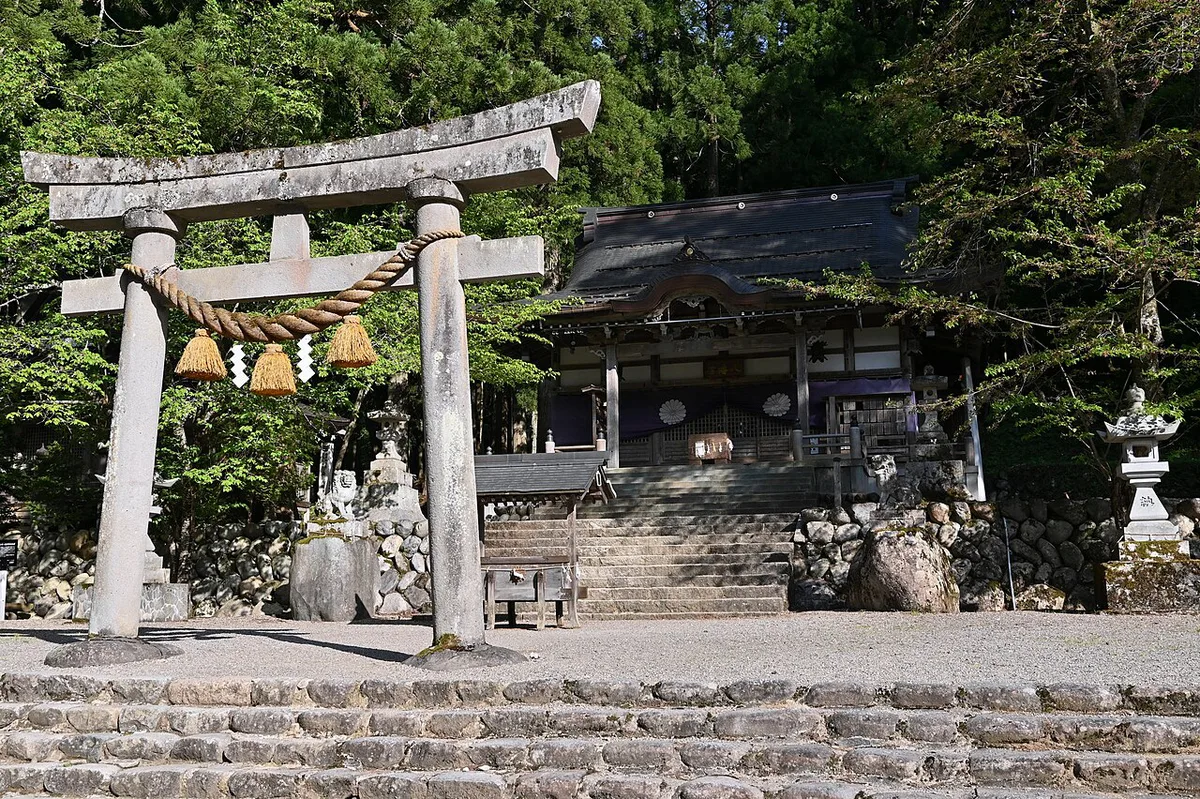
Each October, three of Shirakawa-go's Shinto shrines hold their own doburoku festivals in sequence. Locals set aside part of the year's batch specifically for these dates. Priests bless the mash in a Shinto ceremony, then residents and visitors share it from large wooden bowls in a communal ritual. A Shishimai lion dance troupe performs in the shrine courtyard between rounds of drinking, marking the end of the harvest season. Each shrine follows a similar order: blessing first, communal drinking next, then the lion dance to close the evening. The atmosphere leans solemn rather than festive, closer to a harvest thanksgiving rite than a street party. The official Shirakawa-go tourism site lists the shrine schedule each autumn, since exact dates can shift by a day or two.
Book lodging early, since rooms in the village's thatched-roof inns sell out months before the festival. Reserve a gassho farmhouse stay as soon as festival dates post if an overnight visit is the plan. Ogimachi sits within the wider Japan Alps region, so festival crowds compound with typical autumn leaf-viewing traffic on the access roads. Parking fills fast on festival days, and the narrow mountain roads in and out of the village turn slow well before the ceremonies start.
- Hachiman Shrine, Ogimachi: October 14-15
- Hatogaya Shrine: October 16-17
- Iijima Shrine: October 18-19
Where to Taste Doburoku Year-Round
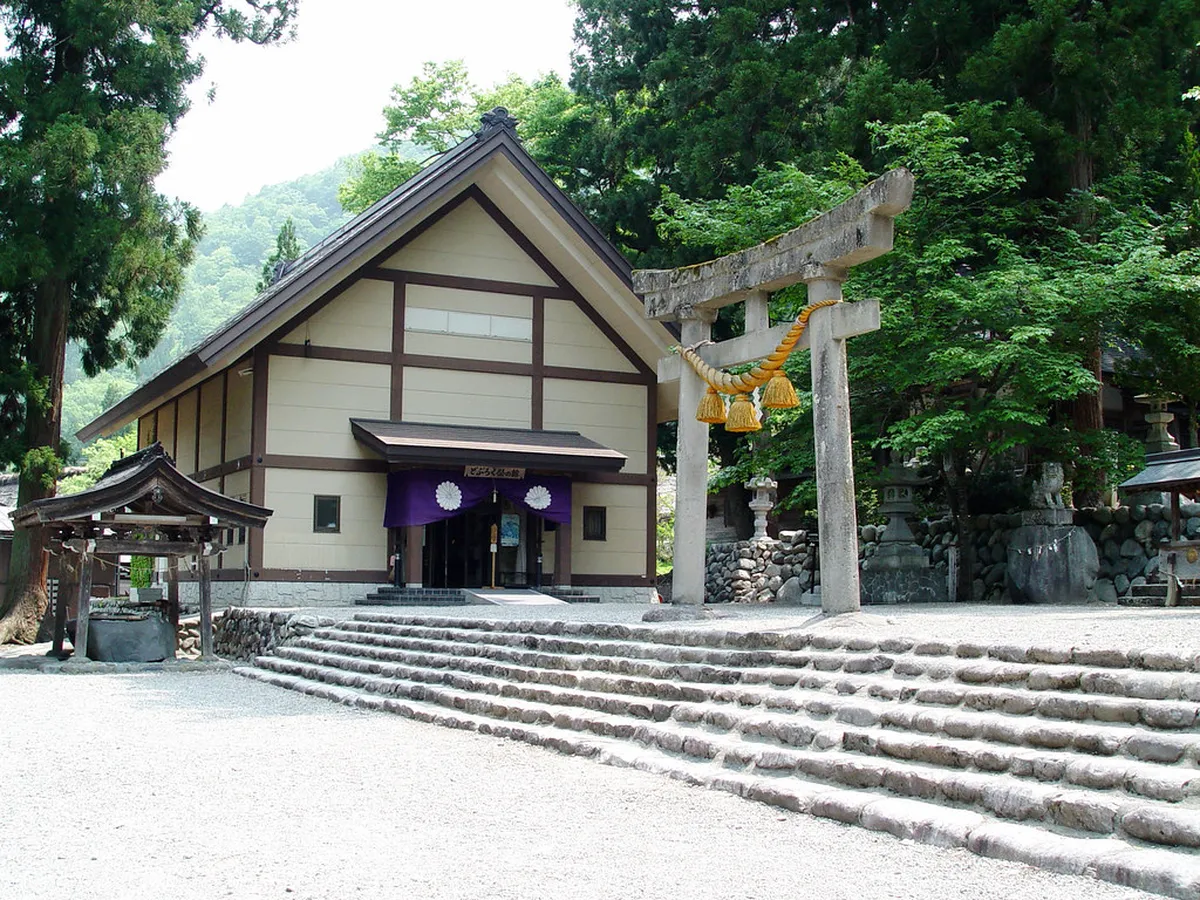
Skipping the October crowds doesn't mean skipping the drink. Shirakawa Hachiman Shrine keeps a small festival hall open through the year, often called the Doburoku Matsuri no Yakata, with festival costumes, video footage of past ceremonies, and a tasting counter. Displays typically include archival photos, ceremonial items, and the large wooden bowls used for communal drinking. Entry has historically run in the ¥300 to ¥600 range and includes a small cup of the shrine's own brew. Confirm the current price locally, since small museum fees like this one shift from year to year. Visit the Shirakawa-go attractions guide for the shrine's hours and how it fits alongside the village's other historic sites. Winter hours often run shorter than the rest of the year, so check ahead before building it into a tight schedule.
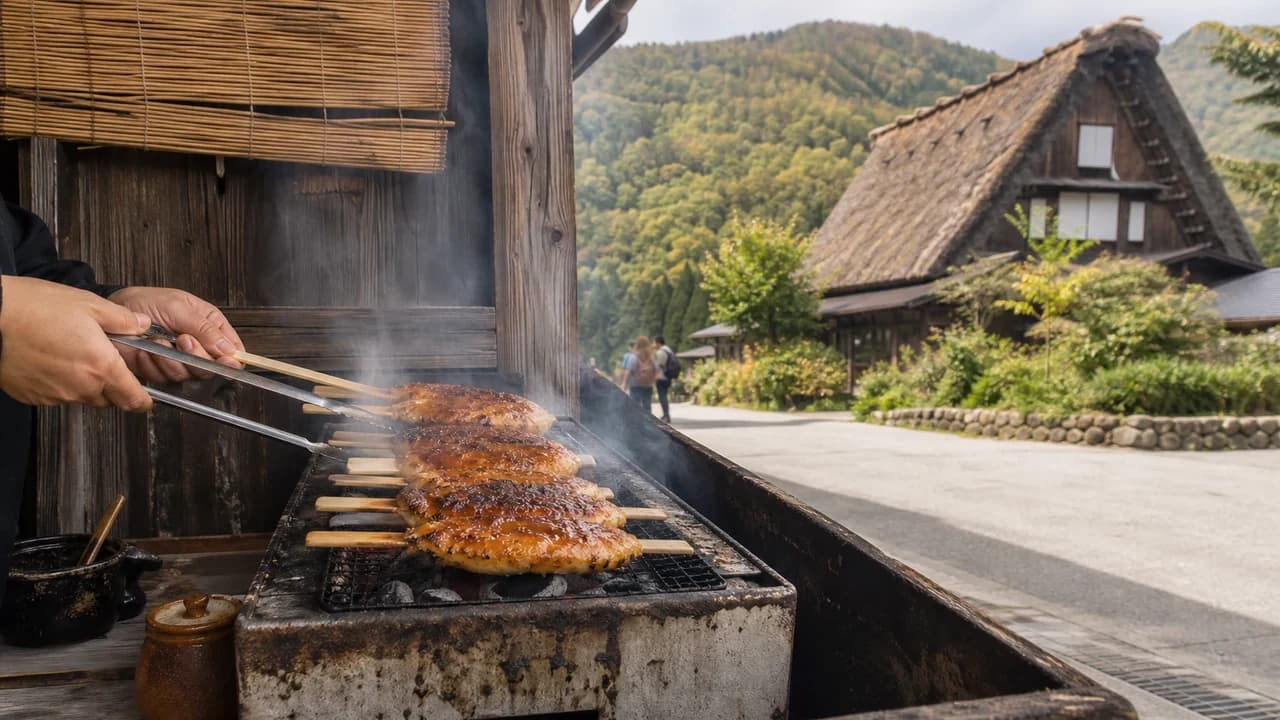
Bottled doburoku sold in souvenir shops around Ogimachi is brewed commercially under the same special zone permit. It differs from the shrine-poured version, since retail bottles are pasteurized and shelf-stable rather than a raw daily draw. Pair a tasting with a walk through the village center, where the Shirakawa-go food guide rounds up the wider dining scene beyond just doburoku. Grazing between stalls works well too: the village's food stalls and snacks guide covers grilled skewers and other quick bites that pair well with a cup of the local brew.
Pairing Doburoku with Hida Cuisine
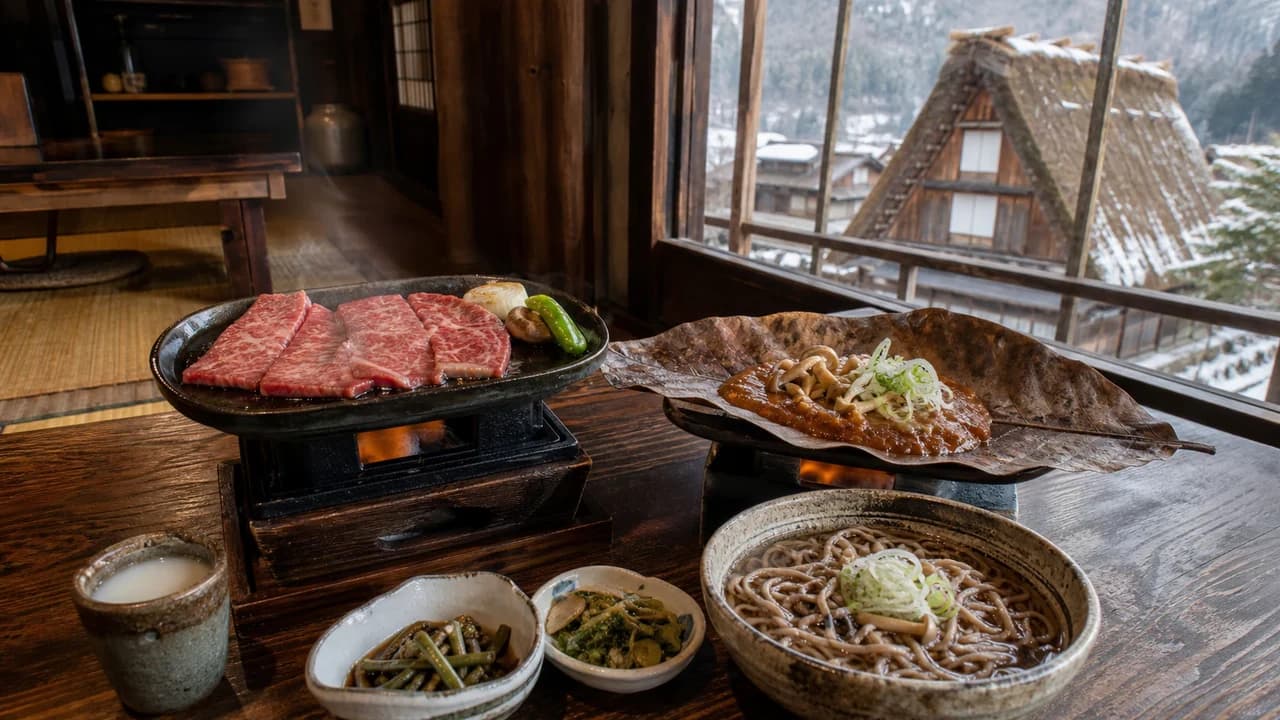
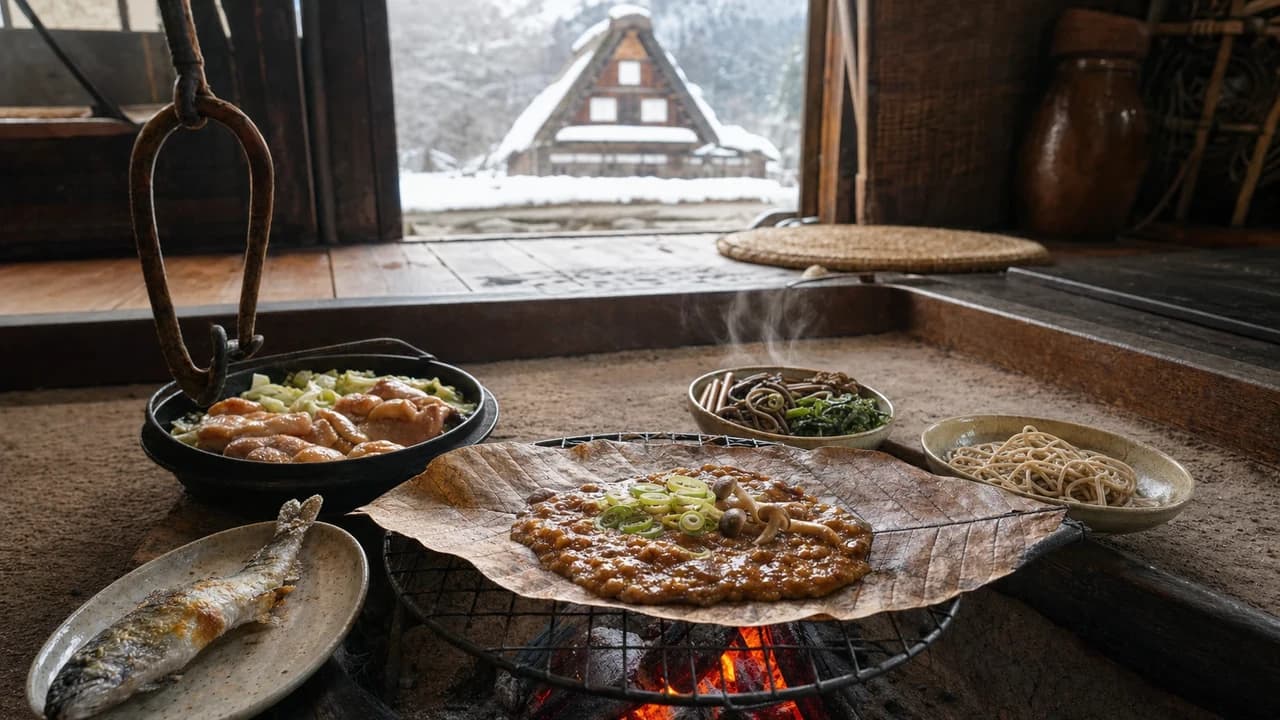
That sharp, sour edge cuts through rich, fatty local dishes, which is why villagers have always served doburoku alongside specific foods rather than on its own. Hoba miso, a miso paste grilled on a magnolia leaf with green onion and mushroom, is the classic match. The hoba miso and keichan guide covers that dish along with keichan, the marinated grilled chicken often served on the same leaf. Hida beef is the other pairing locals reach for, since its fat marbling balances the drink's acidity. Check the Hida beef in Shirakawa-go guide for where to find it grilled, as sushi, or on a skewer. Mountain vegetables, foraged locally in spring and summer, round out a typical set dinner alongside the beef and miso dishes. Several restaurants around the village center pour doburoku by the cup alongside set dinners. The Ogimachi restaurants guide flags which ones keep it on the menu outside festival season.
Planning Your Visit: Festival Season vs Quiet Off-Season
Timing shapes the doburoku experience more than almost any other factor in a Shirakawa-go trip. October brings the ritual, the crowds, and the once-a-year ceremonial brew. The rest of the year offers a calmer museum tasting instead. Winter light-up season draws separate crowds for illuminated thatched roofs, scheduled on different nights than the sake festival. Winter light-up nights often require advance reservations or a lottery entry, since access is limited on those evenings. Confirm current requirements before planning a winter visit around both the illumination and a quiet doburoku tasting. Spring and summer visits skip both spectacles but bring milder weather for walking the village's outdoor paths, and museum tastings run year-round regardless of season. Cross-reference all three seasons against the best time to visit guide before locking in travel dates. Travelers building a full day around food and sake should start with the Shirakawa-go itinerary for a suggested route through the village.
A museum tasting costs only ¥300 to ¥600, making off-season visits much more affordable than festival week, when lodging and transport run well above normal village rates.
Budget shapes the choice as much as timing does. A festival hall visit costs the same as a small museum ticket, roughly ¥300 to ¥600. Attending the October festival itself costs nothing beyond a customary donation at the shrine. Transport and lodging during festival week, however, can run well above an off-season visit once availability tightens.
Getting there also affects timing, since transit options vary by starting city. Travelers routing through Takayama often stop for Hida beef in Takayama before catching a bus onward.
Watch the clock if drinking during the festival, since the last buses back to Takayama and Kanazawa tend to leave early in the evening. Staying overnight in the village removes that pressure entirely. Mountain weather turns cold fast once the sun sets, even in October, and shrine paths can be uneven or slick, so pack sturdy footwear.
- Takayama: often the shortest approach; the Takayama transit guide covers current bus schedules.
- Nagoya: a longer day trip; the Nagoya route guide lists transfer points.
- Tokyo: doable as a long day but easier with an overnight stay; the Tokyo transit guide covers the fastest connections.
- Kanazawa: a popular half-day pairing; the Kanazawa day-trip guide lists direct bus times.
Doburoku Matsuri Etiquette: What First-Time Visitors Should Know
Festival evenings run outdoors and get cold fast once the sun goes down in mid-October. Dress in warm layers, since the ceremony and drinking both happen in open shrine courtyards. Bring small cash for shrine donations, since card payment is not standard at rural shrine offerings. Sharing a cup from the communal bowls is a gesture of respect toward the ritual, not an obligation to finish every pour. Photography is generally welcome in the courtyard, but give priority space to residents performing the ceremony and to the Shishimai dancers. Visitors who skip the sake entirely can still watch the lion dance and the shrine blessing up close.
Doburoku vs Nigori Sake: What's the Difference
Confusion between doburoku and nigori sake is common, but they are not the same drink. Nigori is a standard commercial sake that's coarsely filtered through a mesh screen, leaving some rice sediment behind for a cloudy look. Doburoku skips filtration entirely, leaving the full rice mash intact. The table below breaks down the practical differences.
Neither drink is better on its own merits; they simply serve different occasions. Reach for nigori for an easy, portable cloudy sake, and save doburoku for a Shirakawa-go visit built around the ritual behind it. Either way, pair the tasting with hoba miso or Hida beef, since doburoku was never meant to be sipped on its own.
Deciding between the festival and the museum comes down to what the trip is built around. A festival visit rewards travelers who can commit to lodging and transport well ahead of October. A museum tasting rewards travelers who want the flavor and history without the calendar pressure. Both roads lead to the same shrine, the same rice, and the same centuries-old reason for brewing it in the first place.
| Attribute | Doburoku | Nigori Sake |
|---|---|---|
| Filtration | Unfiltered; whole rice mash remains | Coarsely filtered through mesh cloth |
| Texture | Thick, porridge-like, with visible rice grains | Cloudy but pourable liquid |
| Alcohol content | Typically 10-15% | Standard sake range; check the bottle label |
| Where it's sold | Mostly limited to Shirakawa-go and a few other permit-holding villages | Sold nationwide in liquor stores and supermarkets |
| Legal status | Brewed only under special permits like Shirakawa-go's reconstruction-zone license | Brewed and sold nationwide under standard sake licensing |
Check before you go: Confirm current restaurant and shop details in the Shirakawa-go Tourist Association directory, and verify seasonal access with the Japan National Tourism Organization.
Frequently Asked Questions
Is doburoku alcoholic?
Yes. Doburoku typically runs 10 to 15 percent alcohol by volume, similar to standard sake despite its thicker, unfiltered texture.
Can you buy doburoku to take home from Shirakawa-go?
Commercially bottled doburoku is sold in shops around Ogimachi under the village's special zone permit. Because it is an unfiltered, minimally processed rice brew, check whether a bottle needs refrigeration before packing it for travel.
Is doburoku gluten-free?
Doburoku is made from rice, water, and koji mold, so it is generally free of gluten-containing grains. Confirm with the specific producer if a bottle lists additional ingredients.
Can children enter the Doburoku Matsuri no Yakata festival hall?
Children can enter the festival hall to see the costumes, floats, and festival displays. Tasting the doburoku itself is limited to adults.
What's the real difference between doburoku and nigori sake?
Nigori is coarsely filtered into a cloudy, pourable liquid. The mash inside doburoku stays unfiltered, so it is thicker and largely intact.
Does attending the Doburoku Matsuri cost anything?
Watching the ceremony and receiving a cup from the communal bowls is generally covered by a customary donation rather than a ticket price. Budget separately for transport and lodging, since both get expensive during festival week.
What should first-time visitors wear to the festival?
Warm layers work best, since the ceremony happens outdoors on cool October evenings. Comfortable, closed shoes help on the shrine's uneven stone paths.
Is the Doburoku Matsuri the same event as the winter light-up?
No. The Doburoku Matsuri happens in October and centers on the harvest sake ritual. The winter light-up is a separate seasonal event built around illuminated snow scenes, held on different dates entirely.
Free guide: Japan's Hidden Gems
12 under-the-radar places beyond Tokyo & Kyoto — with the best season to visit each and a local tip you won't find in the guidebooks.
You might also like

Continue reading
More guides you'll find useful