Keichan Chicken in Gujo Hachiman: Where to Eat It in 2026
Where to eat keichan chicken in Gujo Hachiman, from old-town spots like Houkaen to the Meiho roadside station, with 2026 prices, hours, and ordering tips.
On this page
Last updated August 2026. Keichan chicken in Gujo Hachiman is a stir-fry of miso-marinated chicken and cabbage, built here on local Gujo miso rather than the plainer soy-based style found in nearby Gero. This guide covers where to eat it in the old town, why Meiho still claims the deepest roots, and what a plate costs in 2026.
Fast Answer: Where to Eat Keichan First
Two starting points work for most itineraries in Gujo Hachiman. Choose a central old-town restaurant for convenience, or budget half a day for the Meiho area, where keichan carries the most local weight.
- Quick and central: the Former Hachiman Government Building Memorial Hall, an easy walk from the old town's main streets.
- Worth the drive: Roadside Station Meiho (Surusumi-no-sato), about 30 minutes away and the base for the Meiho Keichan Study Group.
What Is Keichan Chicken in Gujo Hachiman?
Keichan is chicken marinated in miso, soy sauce, and garlic, then stir-fried on a hot plate with cabbage and seasonal vegetables. Cabbage does double duty here, flavoring the dish while cutting the richness of the marinated meat. Gujo Hachiman's version typically leans on Gujo miso, a long-fermented barley or soybean paste made locally. That gives the sauce a deeper, funkier edge than the plainer, soy-forward keichan served an hour away in Gero. Houkaen, one of the old town's specialty restaurants, built its recipe specifically around this local miso. For background on how that fermented paste fits into the rest of the region's kitchen, see Gujo's barley and soybean miso. Keichan sits alongside river fish and mountain vegetables as one of the pillars of Gujo Hachiman's food scene.
From Retired Egg Hens to an Everyday Local Dish
In Gujo's mountain villages, families once kept chickens mainly for eggs, not meat. When a hen stopped laying, its meat was tough, so home cooks marinated it in miso or soy sauce to tenderize it before grilling. For years, that made keichan a special-occasion dish, served around New Year or the Obon summer holidays rather than as everyday food. Restaurants started adding keichan to their menus around 1960. The 1970s spread of farmed broiler chicken pushed prices down and turned it into a daily staple across the wider Hida area. Some specialty shops still offer keichan made with mature laying hens, known as oya-dori, for a chewier, richer bite than the broiler thigh or breast most menus use today.
Where to Eat Keichan in the Old Town
The old town keeps three reliable options within walking or short driving distance of the castle approach.
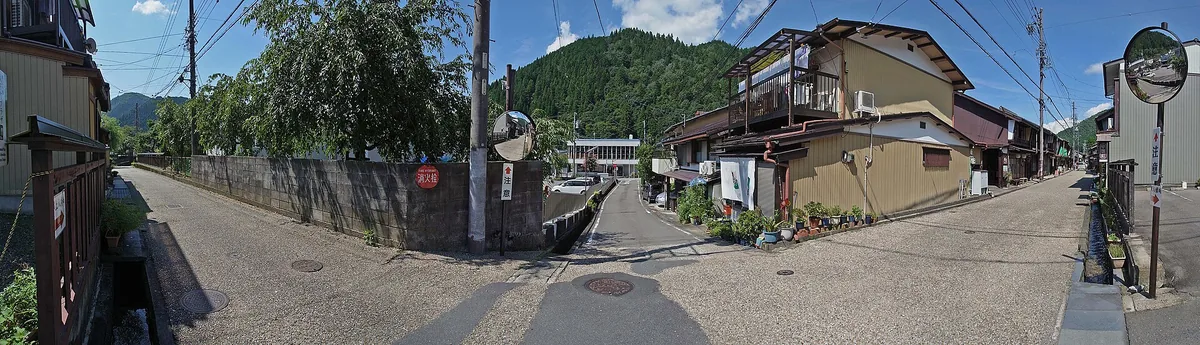
- Houkaen (5-15-4 Hachimancho-Ono) is a sit-down old-town option associated with Gujo-miso keichan. Its hours, closing day, parking, chicken sourcing, and menu availability should be checked directly before a special trip, because the current general Gujo tourism guide does not confirm the detailed schedule and history previously quoted here. For more on local river fish, see Gujo's sweetfish dishes.
- Former Hachiman Government Building Memorial Hall: the most central option, inside the old government building complex a few minutes from the castle approach. It's a straightforward first stop if you want keichan without planning a special trip.
- Cafe Hope: a casual, cafe-style spot in the old town, useful if you want keichan alongside a lighter, coffee-shop atmosphere rather than a full restaurant setting.
The Meiho Area: Keichan's Heartland Outside Town
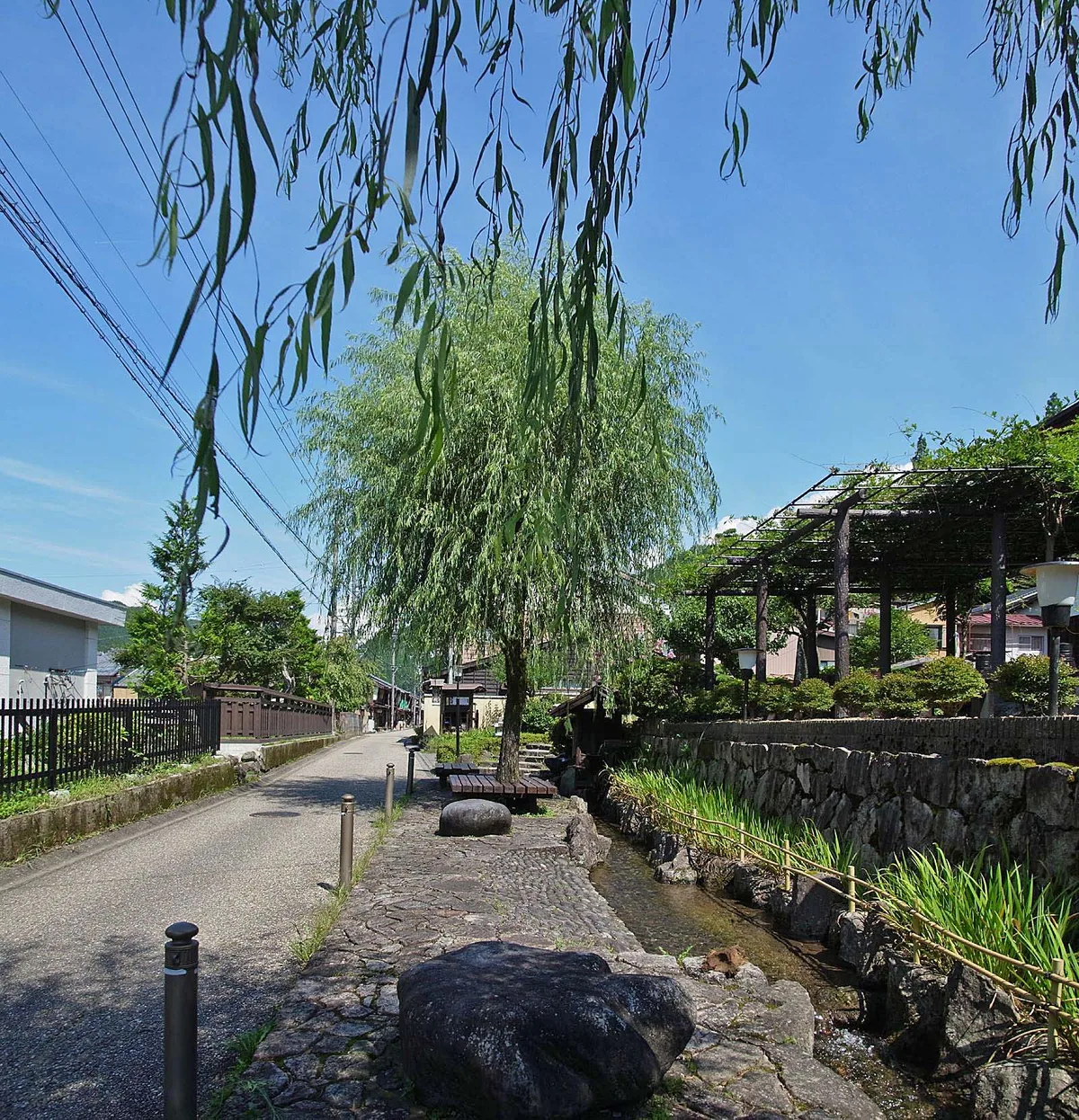
Meiho sits about 30 minutes from central Gujo Hachiman by car or local bus. It's where keichan carries the most local identity. The Meiho Keichan Study Group has worked to revitalize the area around the dish. Its influence shows in how many restaurants there serve it. Roadside Station Meiho (Surusumi-no-sato) is the definitive stop. It combines a sit-down restaurant with a take-out counter selling vacuum-packed keichan to bring home. Several smaller Meiho restaurants and inns also keep keichan on their menus, including Yuseikan, Cafe Meiho, and Restaurant Yuyu. That density is part of why the area functions as an open-air tasting ground for different house sauces.
| Restaurant | Area | Vibe | Signature note |
|---|---|---|---|
| Houkaen | Old town (Hachiman-cho) | Sit-down local dining | Gujo-miso-style keichan; confirm the current menu directly |
| Former Government Building Memorial Hall | Old town, central | Casual, walk-in | Closest first stop to the castle approach |
| Cafe Hope | Old town | Cafe | Casual local atmosphere |
| Roadside Station Meiho | Meiho, about 30 min by car | Roadside station, sit-down and takeout | Widest variety, hub of the Meiho Keichan Study Group |
Ordering and Portion Sizes
Keichan may be ordered as a set or as a shared tabletop dish, depending on the restaurant. A set commonly combines marinated chicken and cabbage with rice, soup, or pickles, but portions and serving formats vary. Ask whether a single-serving pan is available if you want a lighter meal, and check the current menu board for pricing rather than relying on a town-wide range.
How to Eat Keichan Like a Local
Most restaurants cook keichan tableside on a portable gas burner, using a domed, Jingisukan-style pan or a flat griddle. Many line the pan with parchment paper or a cooking sheet first. That keeps the miso sauce from scorching against the hot metal while the chicken stays juicy. The usual order is cabbage and vegetables on the bottom, chicken on top, so the vegetables shield the sauce from the highest heat. Once the meat and vegetables are gone, ask about adding udon noodles or rice to the leftover sauce and scorched bits. The result is a fried-rice-style finish some menus call kei chahan. A bottle of local sake or a cold beer is the standard pairing. For background on the water and breweries behind that sake, see Gujo Hachiman's sake and spring water.
Getting to Gujo Hachiman and On to Meiho
From Nagoya, Gujo Hachiman is roughly 1.5 hours by car or highway bus, making it a workable day trip or a first stop on a longer Gifu itinerary. Reaching Meiho from the old town takes about another 30 minutes by car or local bus. Local buses to Meiho run on a limited schedule. Confirm the return time before you commit to a Meiho lunch, or plan around a rental car or taxi instead. Many visitors also reach Gujo Hachiman on the Nagaragawa Railway, a local line known for its red retro-style carriages. A special sightseeing train called Naka runs once a day in each direction, pairing a dining car serving local ingredients with a separate sightseeing car.
Visiting Meiho for keichan from Nagoya involves 1.5 hours to reach Gujo Hachiman, then another 30 minutes to Meiho; since local buses run limited schedules, planning return travel before committing to a meal prevents missing the final connection.
Prices, Hours, and Taking Keichan Home
Keichan prices depend on portion size and whether rice, soup, or pickles are included, so use the current menu board rather than a fixed town-wide range. Many old-town restaurants take a mid-afternoon break, but each venue sets its own hours; confirm Houkaen's current schedule directly before planning around it. If you want to bring keichan home, look for vacuum-packed, pre-marinated packs at roadside stations such as Roadside Station Meiho and at local supermarkets, then follow the package's refrigeration and cooking directions. Pair a keichan lunch with a walk up to Gujo Hachiman Castle, checking current admission and hours separately. For more low-cost options, see budget and vegetarian meals in Gujo Hachiman.
Common Mistakes to Avoid When Ordering Keichan
A few small missteps are easy to avoid once you know what to expect.
- Assuming every keichan tastes the same: Gujo restaurants lean on funky, fermented Gujo miso, while Gero's version, about an hour away, is typically a plainer soy-and-garlic marinade.
- Heading to Meiho without a car: buses run on a limited schedule, so check the timetable before you plan a meal around one.
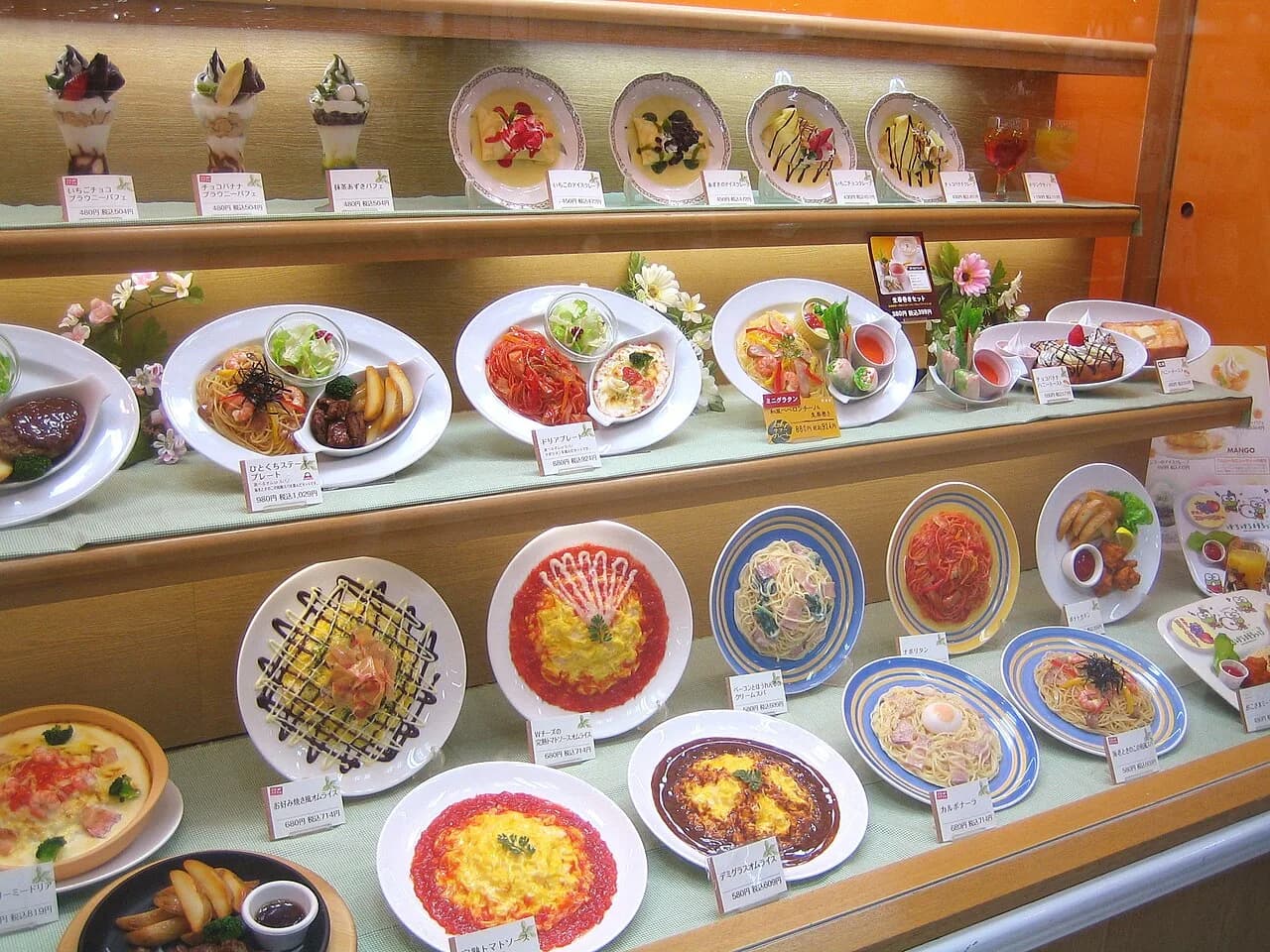
- Skipping the food-sample connection: Gujo Hachiman is known for producing the wax food models displayed in restaurant windows across Japan. Browsing a workshop pairs naturally with an actual keichan lunch. For more on that craft, see Gujo Hachiman's food sample workshops.
- Treating keichan as a whole meal on its own: it's one part of a bigger local food scene alongside river fish and mountain vegetables, worth building into a fuller day of eating in the old town.
How This Guide Was Verified
Food availability, access details, seasonal rules, and the time-sensitive claims in this guide were checked on August 22, 2026 against the official sources below. Independent restaurant menus, prices, opening days, and sell-outs can change, so confirm the operator's same-day notice before making a special trip.
Frequently Asked Questions
What does keichan chicken taste like in Gujo Hachiman?
Expect a savory, slightly funky sauce built on Gujo miso, soy sauce, and grated garlic, stir-fried with cabbage until the vegetables soak up the marinade. It's closer to a hearty stir-fry than a soup or hot pot.
Is keichan in Gujo different from keichan in Gero?
Yes. Gujo restaurants like Houkaen build their sauce around Gujo miso for a deeper, funkier profile, while Gero shops such as Suginoko favor a plainer soy-and-garlic marinade. Comparing a plate in each town on the same trip is a common way to settle on a favorite style.
How much does keichan cost in Gujo Hachiman?
Prices vary by restaurant, portion, and whether rice, soup, or pickles are included. Check the venue's current menu or ask before ordering rather than relying on a fixed town-wide range.
Do I need a car to eat keichan in Meiho?
Not strictly, since local buses connect the old town to Meiho in about 30 minutes. Service is limited, so confirm the return schedule before you go, or plan around a rental car or taxi.
Can I take keichan home as a souvenir?
Yes. Vacuum-packed, pre-marinated keichan is sold at roadside stations, including Roadside Station Meiho, and at local supermarkets. It travels well if kept cold and needs only a hot pan and cabbage to finish.
What's the best first stop for trying keichan in the old town?
Former Hachiman Government Building Memorial Hall is the most convenient starting point, since it sits centrally and is easy to reach on foot. Houkaen, a short drive or bus ride away in Hachiman-cho, is the better choice for a more traditional, sit-down version.
Free guide: Japan's Hidden Gems
12 under-the-radar places beyond Tokyo & Kyoto — with the best season to visit each and a local tip you won't find in the guidebooks.
You might also like


Continue reading
More guides you'll find useful