10 Best Things to Eat in Iwakuni, Japan
Discover Iwakuni sushi, lotus root, Sanzoku chicken, Kintaikyo ice cream and local sake, with practical advice on where to try each specialty.
On this page
Last updated August 2026, this guide covers what to eat in Iwakuni beyond the view from Kintaikyo Bridge. The city stacks a 300-year-old pressed sushi tradition against theatrical mountain-bandit dining and a 100-flavor ice cream rivalry, all within a compact downtown. Below are ten dishes and restaurants worth building a visit around, plus the logistics for reaching the ones that sit outside the city center.
The Iwakuni Food Bucket List at a Glance
Iwakuni sits less than an hour by train from Hiroshima Station, inside Yamaguchi Prefecture's stretch of the Setouchi tourism region. That makes it a common half-day or full-day stop for travelers based on the Seto Inland Sea coast. Three dishes anchor the city's food identity: layered, historical Iwakuni Sushi, theatrical mountain-bandit dining at Irori Sanzoku, and an ice cream rivalry that plays out just across Kintaikyo Bridge. Iwakuni Renkon, the local lotus root, runs through several dishes, from formal sushi toppings to cheap fried croquettes sold near the bridge. Ayu sweetfish adds a seasonal layer each summer, tied to the Nishiki River's cormorant fishing tradition. Visitors based near MCAS Iwakuni add a fourth thread: ramen, yakiniku, and international restaurants that suit stays longer than a single day. The city's food identity also has a drinking side, anchored by Dassai sake from Asahi Shuzo. Together, these dishes let a day-tripper skip a single best-restaurant search and instead build a short food route around the bridge and downtown.
10 Must-Try Foods to Eat in Iwakuni
These ten stops cover Iwakuni's signature dishes, its destination restaurant, and the practical meals that round out a visit, ordered roughly from the most distinctly local to the most flexible options for a longer stay.
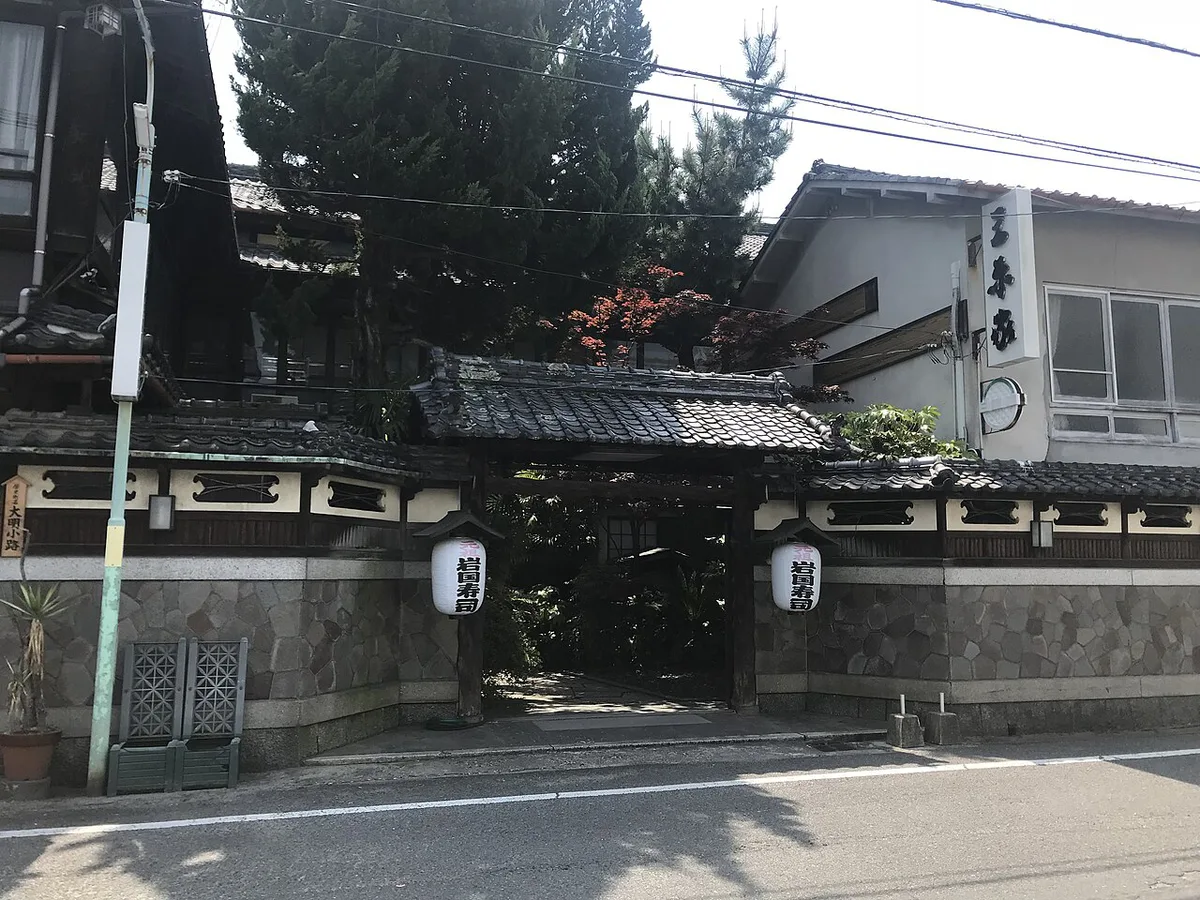
- Iwakuni Sushi (Tonosama Sushi) at Hirasei
- Iwakuni Sushi is a pressed, layered sushi that dates back more than 300 years, originally packed as preserved food for samurai heading into battle.
- Traditional versions stack five layers of vinegared rice with lotus root, shiitake, egg, and sweet fish flakes called denbu, though most restaurants now serve one or two layers.
- Hirasei's Iwakuni Sushi is served near Kintaikyo Bridge. Current official hours are 11:30 a.m. to 1:30 p.m. last order on weekdays and 11:00 a.m. to 2:00 p.m. last order on weekends and holidays; it is closed Tuesdays and Wednesdays, with irregular closures possible. No dinner service is listed.
- Sanzoku-yaki and Sanzoku Musubi at Irori Sanzoku Kuga
- Irori Sanzoku is a mountain-bandit themed restaurant with lantern-lit outdoor terraces, waterfalls, and several dining buildings spread across a hillside.
- Its signature order is sanzoku-yaki, a whole grilled chicken thigh on a skewer with a smoky, teriyaki-glazed crust.
- Pair it with sanzoku musubi, a large rice ball wrapped in seaweed, plus a side of gyoza or karaage.
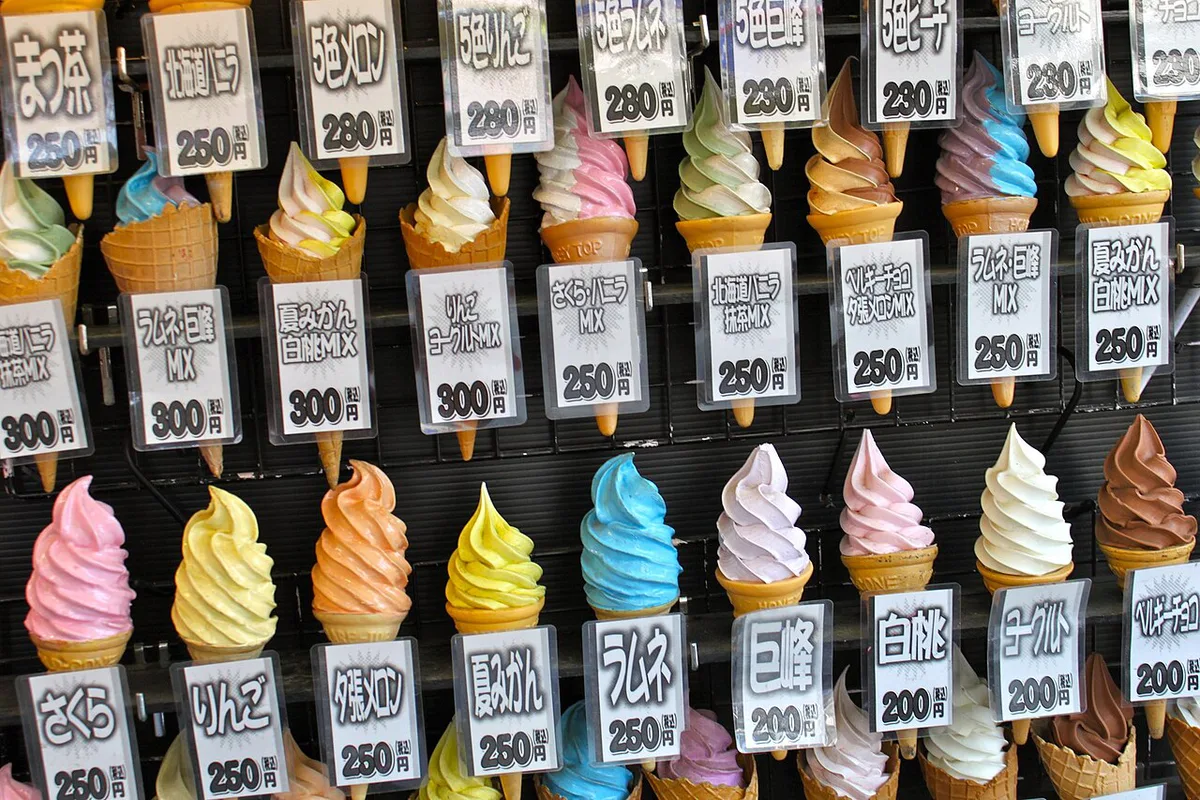
- 100-Flavor Ice Cream at Musashi and Sasaki Kojiro
- Cross Kintaikyo Bridge and Shokujidokoro Musashi serves around 100 ice cream flavors, including a novelty scoop made with local ayu sweetfish.
- Sasaki Kojiro is the second shop locals point to for the bridge's flavor-count rivalry, giving you a spot to compare oddball scoops against plain vanilla or matcha.
- Kintaikyo Bridge ice cream shops tend to close by early evening, so plan this stop for daytime.
- Ayu Sweetfish, Salt-Grilled on a Skewer
- Ayu is a small freshwater fish caught by traditional cormorant fishing on the Nishiki River during summer nights.
- It carries a faint sweet, almost melon-like scent, which is why it is known as sweetfish rather than plain river fish.
- It is primarily a summer specialty, at its best from June through August, and is most often served salted and grilled whole on a skewer.
- Lotus Root Croquettes (Iwakuni Renkon)
- Iwakuni is known regionally for growing lotus root, or renkon, and croquettes are the fastest way to taste it between sightseeing stops.
- The croquettes fold chopped lotus root into a potato-and-panko shell, giving a crunchy exterior over a mildly sweet, slightly fibrous filling.
- Iwakuni's lotus root dishes are worth seeking out in autumn, when the local harvest peaks.
- Kawara Soba
- Kawara soba is green-tea-infused soba noodles served sizzling on a heated roof tile, a presentation created by Shinichi Takase.
- The dish was inspired by soldiers cooking on roof tiles during the 1877 Seinan War and was popularized from Takase's Shimonoseki restaurant starting in 1962.
- It is topped with thin fried beef, nori, scallion, grated daikon with chili, and a lemon slice, then dipped in a soy-based broth.
- Bari Soba
- Bari soba is deep-fried, crunchy noodles piled with seasonal seafood, cabbage, mushrooms, and bamboo shoots in a chicken-based broth.
- It looks similar to Nagasaki's sara udon, but the broth base differs and bari, in local dialect, means a generous amount.
- Order it for a heartier, sauce-forward alternative to a simple bowl of ramen.
- Ramen Rivalry: Yamabiko vs Kaisugi
- Yamabiko serves a rich tonkotsu broth with thin noodles and thick-cut chashu, and it is the shop most frequently named as Iwakuni's best.
- Kaisugi is known instead for tantanmen and shiru-ari tantanmen, plus reported weekend hours running as late as 4:00 a.m. on Fridays and Saturdays.
- Confirm current late-night hours directly with Kaisugi before planning a visit around them, since posted hours can change.
- Yakiniku at Janjaka Minami
- Janjaka Minami serves higher-grade cuts than the all-you-can-eat yakiniku chains around town, at semi-private grill tables.
- Set meals let you choose meats and vegetables to grill tableside, a slower format than the base-area chains nearby.
- It draws a mixed crowd from downtown Iwakuni and the nearby MCAS Iwakuni community, so weekend evenings can fill up.
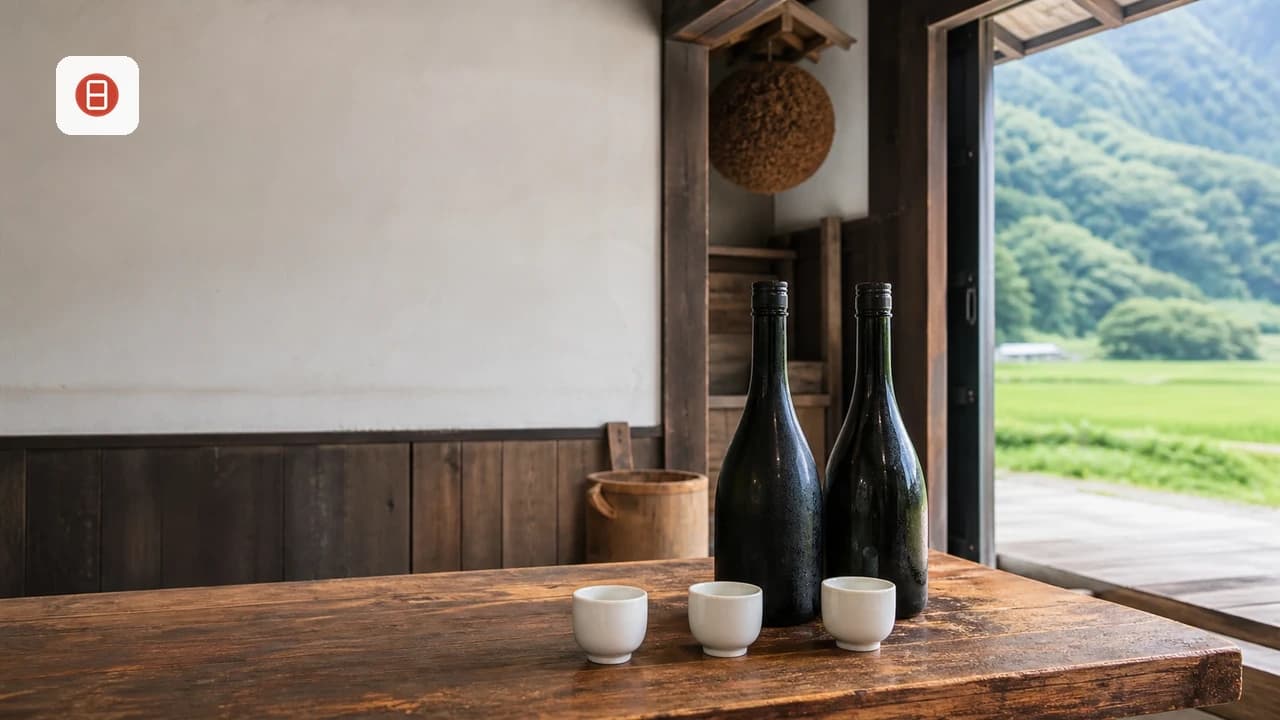
- Dassai Sake at Asahi Shuzo
- Iwakuni is home to five sake breweries, and Asahi Shuzo is the one that produces Dassai, one of Japan's best-known sake labels.
- Dassai is a Junmai Daiginjo, sake's highest polish grade, with a smooth, fruity profile that works even for travelers who normally skip sake.
- Pairing a glass with fugu, grilled ayu, or Iwakuni Sushi gives a fuller sense of the city's food identity than trying dishes in isolation.
Iwakuni Sushi Anatomy: What's Stacked Inside
Iwakuni Sushi is easy to admire without knowing what is inside it, since the appeal is as visual as it is about flavor. Restaurants traditionally pressed the dish in a wooden frame using body weight, stacking five layers before cutting it into portions. Most restaurants today serve one or two layers rather than the full historical five, which keeps portions manageable for a single lunch. Travelers who want a distinctly local experience, not a generic sushi platter, should treat this dish as the priority. The table below breaks down what each layer typically contains.
| Layer | What It Is |
|---|---|
| Base | Vinegared sushi rice |
| Vegetable layer | Sliced lotus root (renkon), a crop Iwakuni is known for growing |
| Mushroom layer | Shiitake mushroom |
| Egg layer | Crushed or shredded cooked egg |
| Topping | Denbu, a sweet, pink-tinted fish flake |
Irori Sanzoku Logistics: Is the 15-Kilometer Trip Worth It?
Irori Sanzoku Kuga sits roughly 15 kilometers outside central Iwakuni, in the town of Kuga. It is not a place you can walk to from Kintaikyo Bridge. Most visitors arrive by car, taxi, or rental car, since the restaurant points guests toward driving rather than transit. If relying on trains, check JR West's current schedule to Kuga Station before building a visit around it, since local frequency can be limited. The trade-off is straightforward: extra travel time and cost, against eating within walking distance of Iwakuni's downtown restaurants. In exchange, you get lantern-lit terraces, a waterfall soundtrack, and several themed dining buildings that downtown restaurants do not offer. If time is tight, treat Irori Sanzoku as a separate outing rather than folding it into the Kintaikyo Bridge food walk.
| Detail | What to Know |
|---|---|
| Distance from Kintaikyo Bridge area | About 15 km to Kuga |
| Recommended transport | Car, taxi, or rental car |
| Train option | Check JR West schedules to Kuga Station before relying on it |
| Walkability | Not walkable from downtown Iwakuni |
The Kintaikyo Bridge Food Walk: A 4-Hour Loop
Travelers with about four hours near Kintaikyo Bridge can cover most of Iwakuni's signature food without a car. The loop below moves from the bridge to the ice cream shops, a quick snack, and a formal lunch.
The four-hour bridge loop depends on reaching Hirasei before its lunch last order: 1:30 p.m. on weekdays or 2:00 p.m. on weekends and holidays. It closes Tuesdays and Wednesdays, with irregular closures possible.
- Cross Kintaikyo Bridge
- Walk the five-arched wooden bridge over the Nishiki River, where cormorant fishing runs on summer nights.
- Sample the ice cream rivalry
- Stop at Shokujidokoro Musashi or Sasaki Kojiro on the far bank for a scoop from a rotating, roughly 100-flavor menu.
- Grab a lotus root croquette
- Pick up a lotus root croquette from a nearby stall as a cheap, quick snack between stops.
- Finish with Iwakuni Sushi at Hirasei
- Close the loop with a formal Iwakuni Sushi lunch at Hirasei, checking the current calendar because it closes Tuesdays and Wednesdays and may close irregularly.
Which Iwakuni Meal Fits Your Trip
Not every visitor has time for all ten stops, so it helps to match the food to the kind of trip being taken. Day-trippers from Hiroshima with only a few hours should prioritize the Kintaikyo Bridge food walk: ice cream, a lotus root croquette, and an Iwakuni Sushi lunch, all within walking distance of the bridge. Foodies chasing a distinctly regional dish should make Iwakuni Sushi the priority, since it is rarely found outside the city, and pair it with Dassai sake for a fuller sense of local flavor. Travelers with a car, or willing to book a taxi, should treat Irori Sanzoku as a half-day commitment rather than a lunch stop, given the 15-kilometer distance from central Iwakuni. Longer-stay visitors, including those based near MCAS Iwakuni, get the most value from mixing in Devi, Mamuang Cafe, or Janjaka Minami on nights when a change from Japanese food sounds appealing.
Ramen, Yakiniku, Cafés, and International Options Beyond the Bridge
Travelers staying more than a single day, including those based near MCAS Iwakuni, have more variety downtown than the sushi-and-chicken-shack circuit suggests. Devi, an Indian restaurant that now operates from a single location near the base's main gate, serves curry with naan bread across a spice range that runs up to level 15. A chicken broth soup arrives before the meal, and garlic cheese naan is a common order on its own. Mamuang Cafe, a small Thai spot tucked off Route 188, runs on a short, single-cook menu, including a fried chicken and rice set served with soup and vegetable egg rolls. Sobatamaya serves okonomiyaki, the pan-fried cabbage pancake found across Japan, with traditional floor seating and generous toppings folded into well-fried noodles. Local recommendations often steer visitors toward Sobatamaya over more visible chain okonomiyaki spots downtown. Mountain Café, on the Imazu River, is a straightforward option for a sit-down lunch set with a main dish, salad, soup, and small dessert included. Its Croque Madame, karaage, and pork cutlet curry sets suit a traveler short on time before an afternoon train. For ramen, Yamabiko and Kaisugi represent the city's two most-cited bowls, and they solve different problems. Both sit firmly in downtown Iwakuni, an easy add-on after a day spent near the bridge.
| Ramen Shop | Style | Best For |
|---|---|---|
| Yamabiko | Rich tonkotsu broth, thin noodles, thick chashu | Classic pork-bone ramen |
| Kaisugi | Tantanmen and shiru-ari tantanmen | Late-night eating; reported open to around 4:00 a.m. Fri-Sat |
Iwakuni's Sake Breweries and Where to Taste Dassai
Iwakuni counts five sake breweries within city limits, more than most similarly sized Japanese cities. Asahi Shuzo is the standout, producing Dassai, a Junmai Daiginjo sake sold well beyond Yamaguchi Prefecture. Five breweries within one city is unusual density even by Japanese standards, and it reflects Iwakuni's access to good rice and water. A brewery-side store near Asahi Shuzo sells bottles and offers tastings, giving you a way to try Dassai without booking a full brewery tour. Iwakuni's sake breweries beyond Asahi Shuzo are smaller and less set up for casual drop-in visits, so confirm tasting availability ahead of time. Pairing a glass of Dassai with fugu, grilled ayu, or Iwakuni Sushi rounds out a food-focused day in the city.
Iwakuni Food by Season
Two dishes are genuinely seasonal, and timing a visit around them adds a layer most day-trippers miss. Ayu sweetfish runs from June through August. Its season is tied to cormorant fishing nights on the Nishiki River. Iwakuni Renkon lotus root peaks in autumn, which is the best window for both Iwakuni Sushi and lotus root croquettes at their freshest. Outside those windows, the rest of the list, from Sanzoku-yaki to Dassai sake, is available year-round.
Visit June through August to pair seasonal ayu with the cormorant fishing on the bridge walk, experiencing both the caught ingredient and its harvest method in a single summer trip.
| Season | What's Best |
|---|---|
| Summer (June-August) | Ayu sweetfish, salt-grilled and tied to Nishiki River cormorant fishing |
| Autumn | Iwakuni Renkon lotus root at peak harvest, in sushi and croquettes |
| Year-round | Iwakuni Sushi, Sanzoku-yaki, ramen, and Dassai sake |
Practical Planning: Prices, Hours, and Mistakes to Avoid
Budget expectations vary a lot by format. A lotus root croquette or a scoop of Kintaikyo ice cream counts among the cheapest bites in the city, closer to snack pricing than a sit-down meal. A formal Iwakuni Sushi lunch at Hirasei or a multi-dish spread at Irori Sanzoku costs more, in line with a proper restaurant meal rather than a quick stop. For exact current menu pricing, check restaurant menus before visiting. Most shops near Kintaikyo Bridge close by late afternoon, so plan bridge-area snacking earlier in the day and save downtown ramen or yakiniku for dinner. Hirasei currently closes Tuesdays and Wednesdays, with irregular closures possible, and does not list dinner service. Confirm the calendar before building a schedule around it. Two mistakes are worth avoiding. Do not try to walk to Irori Sanzoku; arrange a car or taxi instead. And do not skip lotus root dishes if visiting in autumn, when the Iwakuni Renkon harvest peaks. Pair the food route with a stop at Iwakuni's main attractions so the day covers Kintaikyo Bridge, the castle grounds, and the food stops in one loop.
How This Guide Was Verified
Food availability, access details, seasonal rules, and the time-sensitive claims in this guide were checked on August 22, 2026 against the official sources below. Independent restaurant menus, prices, opening days, and sell-outs can change, so confirm the operator's same-day notice before making a special trip.
Explore food in other cities
Frequently Asked Questions
What is the most famous food in Iwakuni?
Iwakuni Sushi, also called Tonosama Sushi, is the dish most associated with the city. It is a pressed, layered sushi with lotus root, egg, shiitake, and sweet fish flakes, traditionally stacked in five layers before being cut into portions.
Is Irori Sanzoku worth the trip from Kintaikyo Bridge?
Irori Sanzoku Kuga sits about 15 kilometers from central Iwakuni, so it takes a car or taxi rather than a walk from the bridge. If relying on public transit, check JR West's current schedule to Kuga Station before planning around it. Most travelers who make the trip go for the sanzoku-yaki grilled chicken and the lantern-lit outdoor setting.
When is the best time to eat ayu sweetfish in Iwakuni?
Ayu is primarily a summer specialty, at its best from June through August. It is typically caught using cormorant fishing on the Nishiki River and served salt-grilled on a skewer.
How much time should travelers plan for eating in Iwakuni?
A half-day covers the Kintaikyo Bridge food walk: ice cream, a lotus root croquette, and an Iwakuni Sushi lunch. Add another block of time, plus transport, for a separate trip out to Irori Sanzoku in Kuga.
Does Iwakuni have food options beyond traditional Japanese cuisine?
Yes. Devi serves Indian curry near the MCAS Iwakuni main gate, and Mamuang Cafe serves Thai food off Route 188 downtown. Both suit longer-stay visitors looking for variety beyond ramen and sushi.
What is Iwakuni Renkon and when is it in season?
Iwakuni Renkon is the city's regionally grown lotus root, used in both Iwakuni Sushi and lotus root croquettes. It peaks in autumn, though croquettes are sold through much of the year.
How much should travelers budget for a day of eating in Iwakuni?
Snacks like ice cream and lotus root croquettes cost close to convenience pricing. A sit-down Iwakuni Sushi lunch or a multi-dish Irori Sanzoku meal costs more, in line with a full restaurant meal. Check official restaurant websites for exact current prices before visiting.
Explore Iwakuni Food and Dining
Use these guides to compare local dishes, dining areas and practical food experiences in Iwakuni.
Food and Dining Guides
Free guide: Japan's Hidden Gems
12 under-the-radar places beyond Tokyo & Kyoto — with the best season to visit each and a local tip you won't find in the guidebooks.
You might also like


Continue reading
More guides you'll find useful