Where to Eat in Iwakuni: 9 Restaurant Picks
Where to eat in Iwakuni: 9 restaurants and lunch spots from Kintaikyo Bridge sushi counters to the 15-kilometer countryside detour to Irori Sanzoku Kuga.
On this page
Last updated August 2026. Where to eat in Iwakuni splits between two hubs, Kintaikyo Bridge and downtown near Iwakuni Station. Bridge-side shops serve pressed Iwakuni sushi and rival ice cream flavors, while downtown covers ramen, curry, yakiniku, and a 15-kilometer countryside detour to a grilled-chicken hall open into the evening.
Must-Try Iwakuni Food Specialties Before You Pick a Restaurant
Iwakuni's food scene centers on four specialties before any restaurant name matters. Each one turns up more than once in the list below, so recognizing the name in advance helps. Ayu season runs through the summer months on the Nishiki River, when the local sweetfish is most widely available on menus.
- Iwakuni Sushi (岩国寿司)
- This pressed, layered sushi is topped with egg, sakura denbu, shiitake mushroom, and sliced lotus root, and it is traditionally stacked five layers before being cut into portions.
- The pressed sushi tradition began as preserved food for samurai preparing for battle more than 300 years ago.
- Most restaurants today serve it in one or two layers rather than the historic five-layer block.
- Sanzoku-yaki (山賊焼)
- This grilled chicken thigh is skewered on a large stick and cooked over an open hearth until the skin crisps under a teriyaki glaze.
- It is the signature order at Irori Sanzoku Kuga, the destination restaurant covered in the list below.
- Ayu (Sweetfish)
- Ayu is a small freshwater fish caught in the Nishiki River and usually served salt-grilled on a skewer, with a scent often compared to watermelon or cucumber.
- Adventurous eaters can also find an ayu-flavored scoop at the ice cream shop across Kintaikyo Bridge.
- Renkon (Lotus Root)
- Iwakuni is known for growing lotus root, and it shows up as a topping on Iwakuni sushi as well as in local side dishes across the city.
- The local lotus root farming tradition is worth a closer look if the vegetable keeps appearing on the same menu.
9 Best Places to Eat in Iwakuni for Lunch and Dinner
These nine restaurants cover both hubs, from bridge-side sushi counters to a 15-kilometer countryside detour. Each entry notes what to order and when the doors are realistically open.
- Irori Sanzoku Kuga
- This destination restaurant sits roughly 15 kilometers outside central Iwakuni in Kuga, a 20-25 minute drive or taxi ride each way.
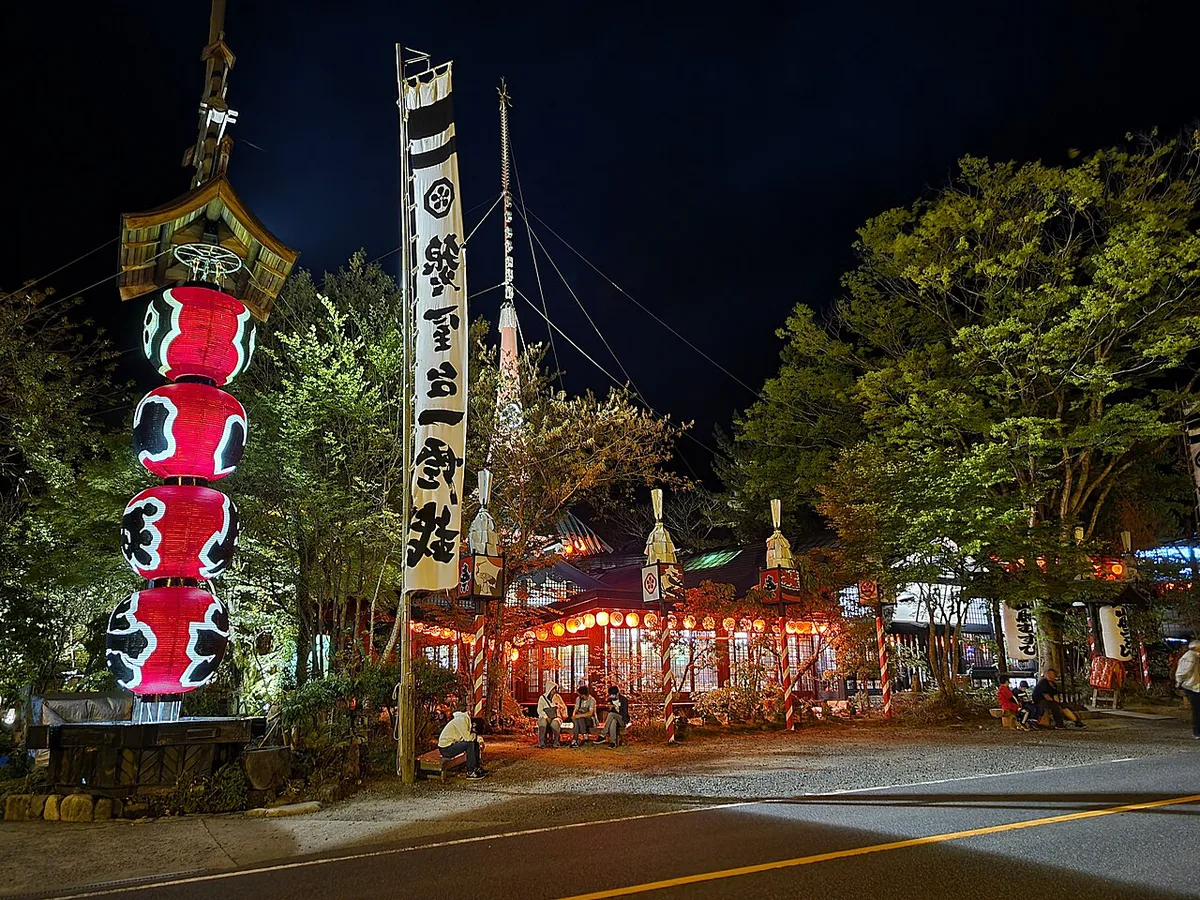
- Samurai armor and lantern-lit outdoor seating fill the multi-building property, and the order to make is Sanzoku-yaki skewered grilled chicken with a Sanzoku Musubi rice ball wrapped in seaweed.
- Weekend evenings bring the longest waits, so arrive early or budget extra time after dark.
- Kintaikyo Bridge Sushi Counters
- Shokudo-style restaurants on the Kintaikyo Bridge side of the Nishiki River serve set lunches built around Iwakuni sushi.
- Several close by around 5:00 PM, so plan a bridge-area lunch before mid-afternoon rather than after a full day of sightseeing.
- Shokujidokoro Musashi (Ice Cream)
- Just across Kintaikyo Bridge, this shop is reported to stock around 100 ice cream flavors, including a version made with Nishiki River ayu.
- It sits opposite a rival ice cream counter, Kojiro, which turns the bridge crossing into a two-shop comparison stop.
- Yamabiko Ramen
- Yamabiko specializes in tonkotsu ramen, with a thick pork-bone broth, thin noodles, and thick-cut chashu pork belly.
- A side of fried rice is the most frequently repeated order alongside the ramen.
- Kaisugi Ramen
- Kaisugi is the later-night ramen option, reportedly serving until around 4:00 AM on Friday and Saturday nights.
- Tonkotsu ramen anchors the menu, and the tantanmen and shiru-ari tantanmen (broth-based tantanmen) are the most-ordered specialty items.
- Gyoza works as a reliable side order here too.
- Devi Indian Restaurant
- Devi sits near the main gate of MCAS Iwakuni and runs a lunch special alongside a curry menu with spice levels from a mild 2-3 up to a maximum of 15.
- A small chicken broth soup arrives before the meal, and garlic cheese naan with mutton or keema curry are the most repeated recommendations.
- Mamuang Cafe (Thai)
- This small Thai restaurant sits down an alley off Route 188 in downtown Iwakuni and runs on a short, scratch-cooked menu.
- The Thai-style fried chicken and rice set, served with soup and vegetable egg rolls, is the standout order.
- Sobatamaya Okonomiyaki
- Sobatamaya serves Hiroshima-style okonomiyaki with traditional floor seating, so plan accordingly if kneeling through a meal is uncomfortable.
- Its fried noodles and generous toppings set the okonomiyaki apart from other okonomiyaki restaurants around the city.
- Janjaka Minami Yakiniku
- Janjaka Minami offers semi-private tables and higher-grade cuts than the all-you-can-eat yakiniku chains around downtown Iwakuni.
- Set meals let diners choose specific meats and vegetables instead of committing to an all-you-can-eat course.
Kintaikyo Bridge or Downtown: Building a Lunch Plan Around the Clock
Pick a hub before picking a restaurant, since the two sides of the Nishiki River run on different schedules. Pair a bridge-side lunch with sightseeing at Iwakuni's other attractions before the shops close. For a closer look at the rival ice cream counters and other bridge-side snacks, see the bridge-side ice cream shops guide. Visitors staying near Iwakuni Station can walk to downtown ramen and curry restaurants, while a taxi or short drive is the practical way to reach both Kintaikyo Bridge and Kuga.
| Hub | Best For | Typical Closing | Signature Order |
|---|---|---|---|
| Kintaikyo Bridge | Iwakuni sushi lunch, ice cream | Around 5:00 PM at many sit-down shops | Iwakuni sushi set, Musashi/Kojiro ice cream |
| Downtown / Iwakuni Station | Ramen, curry, yakiniku, late-night eating | Varies; Kaisugi's 4:00 AM Fri-Sat hours are traveler-reported, so confirm directly | Tonkotsu ramen, curry sets, yakiniku |
| Kuga (15 km out) | Destination dinner, groups | Evening visits; weekend waits | Sanzoku-yaki, Sanzoku Musubi |
Decision Matrix: Choosing Where to Eat in Iwakuni Tonight
Match the pick to the traveler rather than defaulting to whatever is closest. A compact itinerary usually pairs one bridge-side meal with one downtown meal, saving Kuga for an evening with more time to spare.
| Traveler Type | Best Pick | Why |
|---|---|---|
| First-time visitors | Kintaikyo Bridge sushi counters | A set-course Iwakuni sushi lunch in one stop, finished before the 5:00 PM close |
| Families and groups | Irori Sanzoku Kuga | Shareable rice balls and open floor seating turn the 15-kilometer drive into part of the outing |
| Solo travelers, late arrivals | Yamabiko or Kaisugi Ramen | Both sit downtown near the station; verify current late-night hours directly |
| Foodies willing to travel further | Kawara Soba in Shimonoseki | This hot-tile noodle dish originated in Shimonoseki in 1962, so it is a deliberate day-trip add-on rather than an Iwakuni stop |
Practical Planning: Hours, Cash, and Getting to Kuga
A few logistics decide whether the day's meals go smoothly.
Families recommended for Kuga should know the 20-25 minute drive each way compounds with weekend wait times, so weekday visits or early arrivals reduce the total time investment.
- Bridge Hours
- Many traditional shops on the Kintaikyo Bridge side close by around 5:00 PM, so treat that hub as a lunch stop rather than a dinner plan.
- Reservations
- Ramen shops, cafes, and Mamuang Cafe generally do not require reservations.
- Irori Sanzoku Kuga can have long waits on weekend evenings, so a weekday visit or an early arrival cuts the wait.
- Cash
- Smaller local restaurants, including bridge-side shokudo and cafes, may be cash-only, so carry yen rather than relying on a card.
- Getting to Kuga
- Irori Sanzoku sits roughly 15 kilometers from downtown, so pair the visit with a taxi or rental car rather than walking or local transit after dark.
- Budget
- Ramen bowls and cafe set lunches are the least expensive options downtown.
- Janjaka Minami's yakiniku and a full dinner course at Irori Sanzoku Kuga cost noticeably more per person, so treat them as the splurge stops in the lineup.
- Sake Pairing
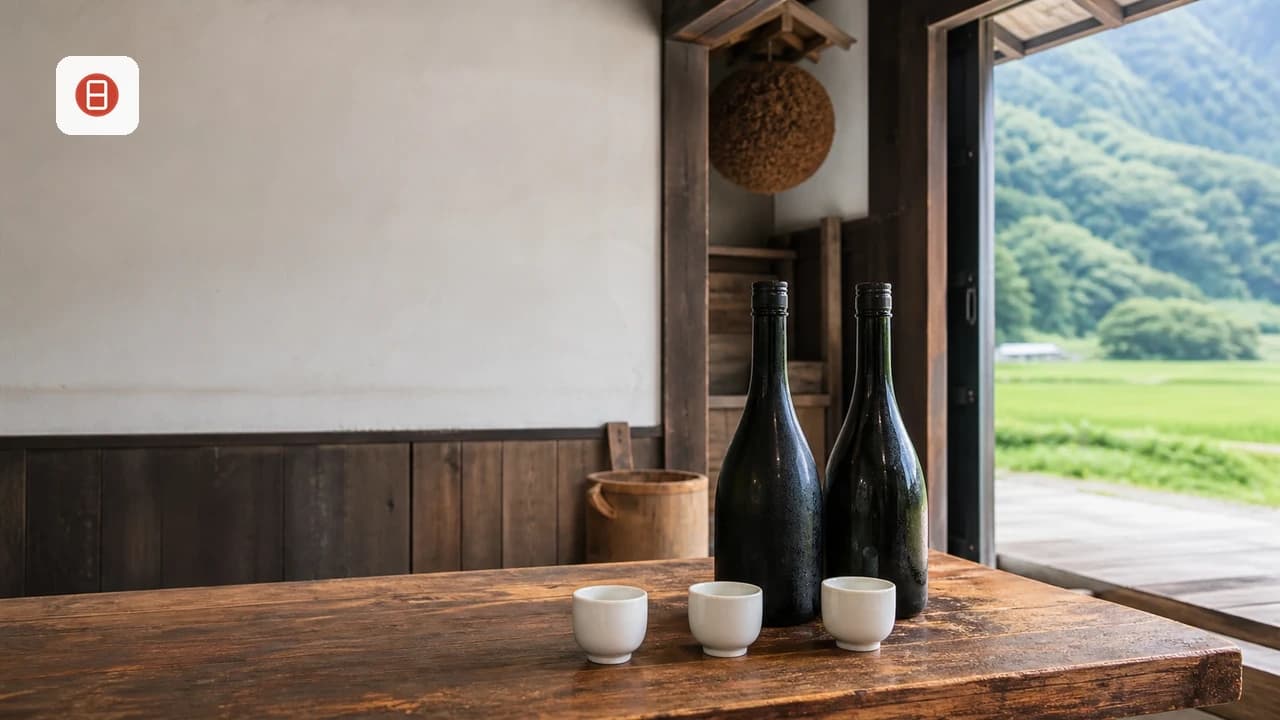
- Iwakuni is home to five sake breweries, including the maker of Dassai's Junmai Daiginjo, so a Kuga dinner pairs naturally with a local pour.
How This Guide Was Verified
Food availability, access details, seasonal rules, and the time-sensitive claims in this guide were checked on August 22, 2026 against the official sources below. Independent restaurant menus, prices, opening days, and sell-outs can change, so confirm the operator's same-day notice before making a special trip.
Frequently Asked Questions
What is Iwakuni sushi, and where should you try it?
Iwakuni sushi is a pressed, layered sushi topped with egg, sakura denbu, shiitake mushrooms, and sliced lotus root, traditionally stacked five layers deep before being cut into portions. It began as preserved food for samurai heading into battle more than 300 years ago. Restaurants on the Kintaikyo Bridge side of the river serve it as part of set lunches, usually before their afternoon closing time.
How far is Irori Sanzoku Kuga from central Iwakuni, and how do you get there?
Irori Sanzoku Kuga sits about 15 kilometers outside downtown Iwakuni, a 20-25 minute drive or taxi ride each way. There is no quick walking or transit option, so plan on a car or taxi both ways, especially for an evening visit.
Where can you get ramen late at night in Iwakuni?
Kaisugi Ramen is the late-night option, reportedly serving until around 4:00 AM on Friday and Saturday nights. Yamabiko Ramen keeps more standard hours and suits a sit-down tonkotsu bowl earlier in the evening.
What time do restaurants near Kintaikyo Bridge close?
Many traditional shops on the Kintaikyo Bridge side of the river close by around 5:00 PM. Treat that hub as a lunch or early-afternoon stop, and shift toward downtown Iwakuni for dinner.
Do Iwakuni restaurants take credit cards?
Smaller local restaurants, including bridge-side shokudo and cafes, may be cash-only. Carry yen rather than counting on a card, particularly outside downtown chains.
Do you need a car to eat well in Iwakuni?
Downtown restaurants near Iwakuni Station and the Kintaikyo Bridge food counters are both reachable on foot or by a short local ride. Irori Sanzoku Kuga is the exception, since it sits about 15 kilometers out in Kuga and realistically needs a car or taxi.
Free guide: Japan's Hidden Gems
12 under-the-radar places beyond Tokyo & Kyoto — with the best season to visit each and a local tip you won't find in the guidebooks.
You might also like


Continue reading
More guides you'll find useful