6 Best Champon and Sara Udon Spots in Nagasaki (2026 Guide)
Compare the best champon and sara udon in Nagasaki, from Shikairou's 1902 original to Kozanro's deluxe bowl, Ringer Hut, and regional Goto Udon.
On this page
Last updated August 2026. Finding the best champon and sara udon in Nagasaki means choosing between a one-pot noodle soup and a stir-fried noodle plate. Champon uses a milky pork-and-seafood broth, while sara udon comes as either crunchy or soft noodles under a starchy stir-fry. The six picks below cover both dishes, the city's most famous rivalry, and the regional versions worth a longer stay.
Champon vs Sara Udon: What Actually Sets Them Apart
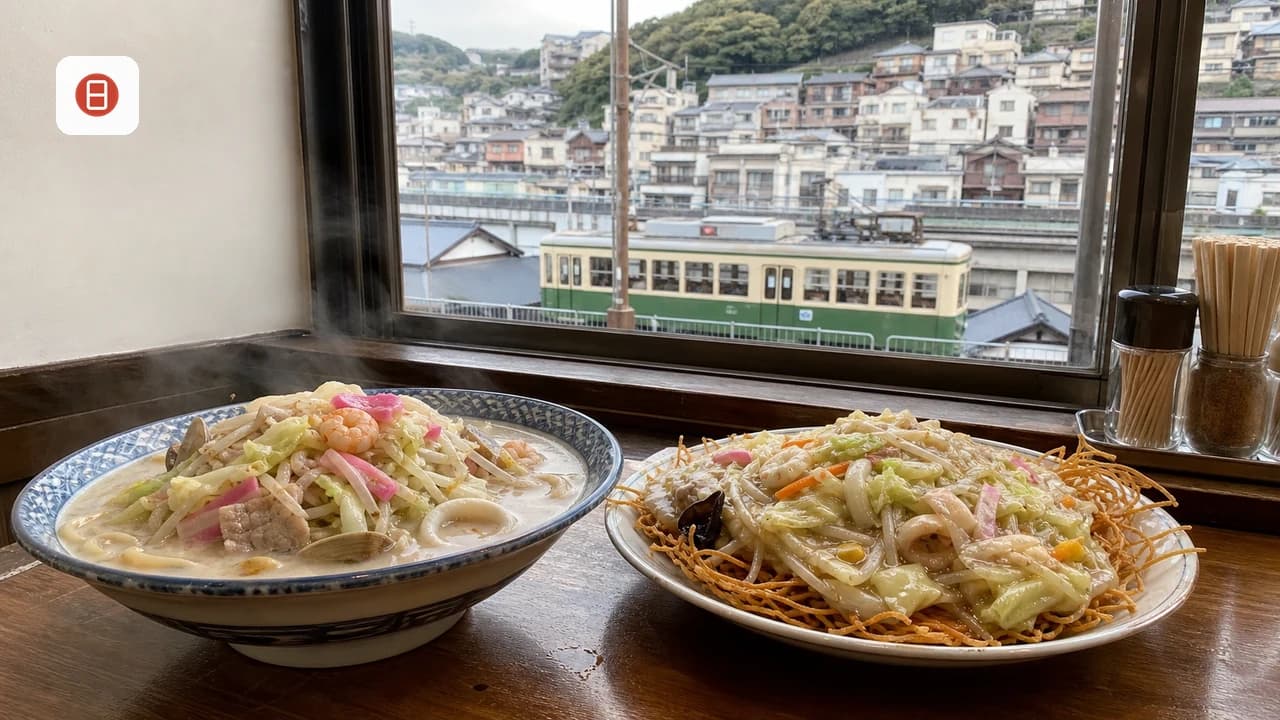
Champon started as a one-pot meal for Chinese students living in Nagasaki's port district. Cooks simmer pork and seafood into a broth that turns milky white, then add cabbage, bean sprouts, and kamaboko fish cake straight into the pot with thick noodles. Seasonal seafood changes the exact mix through the year, so a summer bowl looks different from one served in winter. Sara udon means plate noodles, and the name is misleading: the noodles share little with standard udon. A similar mix of cabbage, bean sprouts, pork, prawns, squid, and kamaboko gets stir-fried in a starch-thickened sauce. It's then poured over noodles on a flat plate instead of into a bowl. Both dishes grew out of Fujian-style Chinese cooking that arrived through Nagasaki's port. The same techniques show up in Nagasaki's shippoku banquet cuisine, in a more formal, multi-course form. One detail separates authentic Nagasaki noodles from copies made elsewhere: touaku, a traditional alkaline treatment unique to the city. Touaku gives the noodles their springy, chewy bite. It's difficult to replicate outside Nagasaki, so the texture rarely travels well.
Crispy or Soft? Choosing Your Sara Udon Noodles
Most first-time visitors order the crispy version by default, without realizing a second style exists. Kyofun noodles are thin wheat noodles, deep-fried until crunchy, and they arrive under the stir-fry looking close to a Cantonese chow mein. Chufun noodles use the same thick, alkaline dough as champon, pan-fried instead of deep-fried. They stay chewy enough to soak up the starchy gravy rather than sitting dry on top of it. Menus don't always label kyofun or chufun clearly in English, so pointing at a photo or asking staff for thick noodles usually works. Nagasaki locals often prefer the thick chufun version, even though restaurants outside the prefecture tend to stock only the thin one. Ordering both across two meals is the fastest way to feel the texture difference firsthand. Expect two condiments on the table: a Worcestershire-style sauce bottle and a vinegar bottle. In Nagasaki, sauce goes on sara udon, not vinegar. Add it in small amounts around the plate rather than pouring it over the top. Taste the dish unseasoned first so the stir-fry's own flavor comes through.

6 Best Champon and Sara Udon Spots in Nagasaki
These six picks cover the full range, from the restaurant that invented both noodle dishes to regional versions worth a longer stay. Each entry notes what to order, what it costs, and why it earns the stop. Together they span central Nagasaki, Shinchi Chinatown, and two day-trip destinations further out in the prefecture.
- Shikairou — The 1902 Birthplace
- Shikairou opened in 1902 near Oura Church and is credited with inventing both champon and sara udon.
- Its dining room overlooks the water, and arriving toward the end of lunch service, rather than at the noon peak, shortens the wait.
- Order the soft chufun noodle version here, and pair the stop with a walk through Glover Garden and Oura Church nearby.
- Kozanro — Chinatown's Deluxe Champon
- Kozanro is the best-known restaurant inside Shinchi Chinatown, split between a main building and a newer annex next door.
- A recent visitor account priced the deluxe (tokusei) champon at ¥1,575, loaded with shrimp, squid, scallops, and clams; confirm current pricing before the visit.
- The noodles use touaku, the alkaline treatment that defines authentic Nagasaki texture, and the restaurant is locally known for a theme song written by musician Masashi Sada.
- Ringer Hut — The Reliable Chain
- Ringer Hut started in Nagasaki in 1974 and has grown into a chain of more than 470 locations across Japan, with several branches inside the city.
- It's a dependable budget and fast-access backup when a sit-down restaurant has a long line or when traveling with children.
- Both champon and sara udon appear on every branch's menu, and it remains one of the few chains built solely around these two Nagasaki noodle dishes.
- Shinchi Chinatown's Other Kitchens
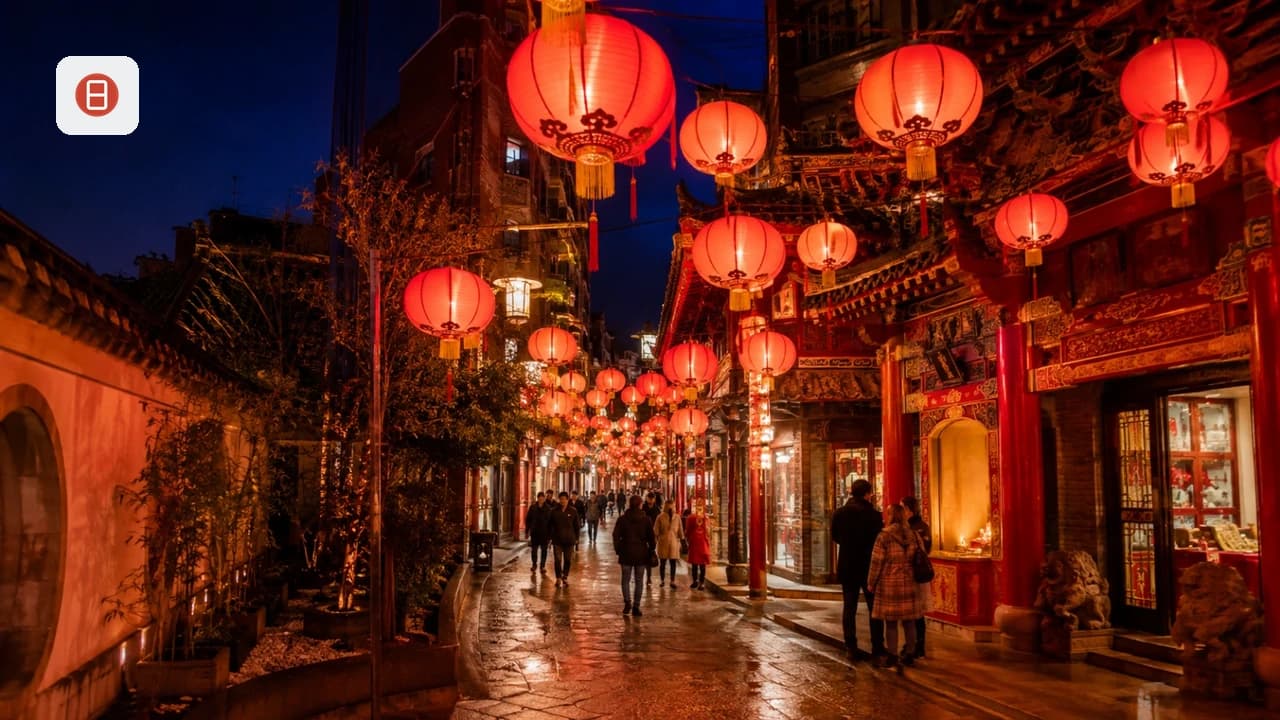
- Shinchi Chinatown is small, covering roughly one crossroad and its surrounding blocks, about a tenth the footprint of Yokohama's Chinatown.
- Several other Chinese restaurants sit within a short walk of Kozanro, and Nagasaki also has Chinese kitchens scattered well beyond the Chinatown gate.
- High-end versions of both noodle dishes also appear on multi-course banquet menus that fold in the same Chinese technique.
- Obama Champon — A Lighter Day Trip
- Obama Champon swaps the standard rich pork-and-seafood broth for a lighter, seaweed-based version with a more delicate flavor.
- It's associated with the Obama Onsen area, making it a reasonable add-on for travelers already planning a day trip outside central Nagasaki.
- Order it as a comparison after trying the standard Nagasaki bowl, since the broth difference is the whole reason to seek it out.
- Goto Udon — Camellia Oil Noodles
- Goto Udon uses thin, hand-stretched noodles coated in camellia oil, an island specialty that gives them a glossy, smooth texture and keeps them from breaking easily.
- The traditional serving style, jigokudaki, boils the noodles, then dips them in a sauce with raw egg, often alongside a flying fish broth.
- It's a different noodle entirely from champon and sara udon, but it's the natural next stop for travelers with extra time in Nagasaki Prefecture.
Practical Logistics: Costs, Timing, and Getting There
Pricing runs in two tiers at most sit-down restaurants: a standard bowl and a deluxe version loaded with extra seafood. At Kozanro, a recent visitor account put the deluxe (tokusei) champon at ¥1,575. Menu prices shift, so confirm the current cost before visiting, and expect a standard bowl to run less than the deluxe tier. Chinatown gets crowded fastest around noon, and lunchtime lines at Kozanro and nearby restaurants build quickly. Visiting right when doors open, or waiting until the tail end of lunch service, avoids the worst of it. Evenings are the bigger trap: many Chinatown kitchens close by 8:00 or 8:30 PM, well before a typical dinner hour in a larger city. If Chinatown is shut for the night, look toward Nagasaki's nightlife district for restaurants and bars that stay open later. Getting to Shinchi Chinatown and the Oura Church area for Shikairou is straightforward on the Nagasaki Tram network. It connects the city's main sightseeing districts without a car. Souvenir stores around the city also sell DIY sara udon kits with noodles and sauce included, a lower-cost way to bring the flavor home after the trip. For the wider food scene beyond noodles, including Nagasaki's castella cake, see the 10 Essential Tips for Your Nagasaki Food Guide: What to Eat and Where. It covers the full list of specialties worth building a day around.
A deluxe champon at flagship restaurants like Kozanro runs ¥1,575, but Ringer Hut provides a budget-friendly alternative. Its noodle-only menu and numerous locations make it accessible for cost-conscious travelers.

Common Mistakes to Avoid
Ordering sara udon and expecting the crispy version every time is the most common mix-up. Menus rarely specify kyofun or chufun by name, so ask for soft noodles specifically if that's the local favorite. Expecting champon to taste like a standard ramen bowl is another mismatch. Champon's broth is milder and creamier, built from pork and seafood rather than the soy or miso bases common in ramen shops elsewhere in Japan. Treating Chinatown like a late-night dinner option is the last trap. Most kitchens there wind down by 8:00 or 8:30 PM, so plan an early dinner or shift toward restaurants outside the district after dark. Confusing sara udon noodles with regular thick udon is a smaller but common error. Sara udon's noodles are thin wheat noodles or alkaline champon-style noodles, not the standard udon found in the rest of Japan. Picking only one of the two flagship restaurants and assuming it represents the whole city is a common oversight. Shikairou and Kozanro differ meaningfully in atmosphere, price, and broth style, so trying both gives a fuller picture.
Where to Find Champon After Chinatown Closes
Late diners should continue north from Shinchi Chinatown toward Doza-machi and Shianbashi. These adjoining entertainment districts have more evening restaurants than the compact Chinatown crossroads.
Use Shianbashi or Kankodori tram stops as practical starting points. Search the side streets between the stops and Hamamachi Arcade for Chinese restaurants serving champon or sara udon. Some izakaya also offer champon as a filling final dish.
Check the kitchen’s last-order time before sitting down. A restaurant may remain open for drinks after it stops accepting noodle orders. Thick sara udon can also sell out earlier because fewer kitchens prepare both noodle styles.
Ringer Hut remains the simplest fallback when independent kitchens have closed. Its standardized menu makes ordering easy, especially for families or travelers arriving after sightseeing. Confirm the nearest branch’s hours that day, since closing times vary by location.
Frequently Asked Questions
What's the difference between champon and sara udon?
Champon is a one-pot noodle soup with a milky pork-and-seafood broth. Sara udon is a stir-fry served over noodles on a flat plate, with either a crispy or soft noodle base.
Should you order thin or thick noodles for sara udon?
Thin kyofun noodles are deep-fried and crunchy, closer to a Cantonese chow mein. Thick chufun noodles use the same alkaline dough as champon and stay chewy under the sauce. Nagasaki locals often lean toward the thick version, so ordering it at least once is worth trying.
Is Shikairou or Kozanro the better choice?
Shikairou has the history, opening in 1902 near Oura Church with bay views and a quieter tail-end-of-lunch visit. Kozanro sits inside Shinchi Chinatown and serves a richer, seafood-heavy deluxe champon. Neither is a wrong choice; the decision comes down to atmosphere and how much time is available for the wait.
What condiments go on sara udon in Nagasaki?
Tables typically carry a Worcestershire-style sauce and a vinegar bottle. In Nagasaki, sauce is the local choice for sara udon, not vinegar. Add it sparingly and taste the dish first.
When do Chinatown restaurants close for the night?
Many kitchens in Shinchi Chinatown wind down by 8:00 or 8:30 PM. Arriving for a late dinner risks finding the kitchen already closed, so plan an earlier seating or look toward restaurants outside the district.
Can you buy champon or sara udon to take home?
Souvenir shops around Nagasaki sell DIY sara udon kits with noodles and sauce included. They're a lower-cost, packable way to bring the flavor home after the trip.
Free: The Nagasaki Essentials guide
Top things to do, where to stay, a perfect day plan, getting around, and the best time to go — a Nagasaki mini-guide you can take offline.
You might also like


Continue reading
More guides you'll find useful