Nagasaki Shippoku Ryori: A Complete 2026 Dining Guide
A practical guide to Nagasaki shippoku ryori: the Ohire ritual, signature dishes, 2026 restaurant prices, and etiquette for booking a table.
On this page
Last updated August 2026, this guide breaks down Nagasaki shippoku ryori, the banquet-style cuisine that turns Edo-period trade history into a shared meal. Diners sit at one round, vermilion-lacquered table, with no host seat and no guest of honor. Here you'll find the meal's ritual opening, its Japanese-Chinese-Dutch dishes, and what a course actually costs in 2026.
What Is Nagasaki Shippoku Ryori?
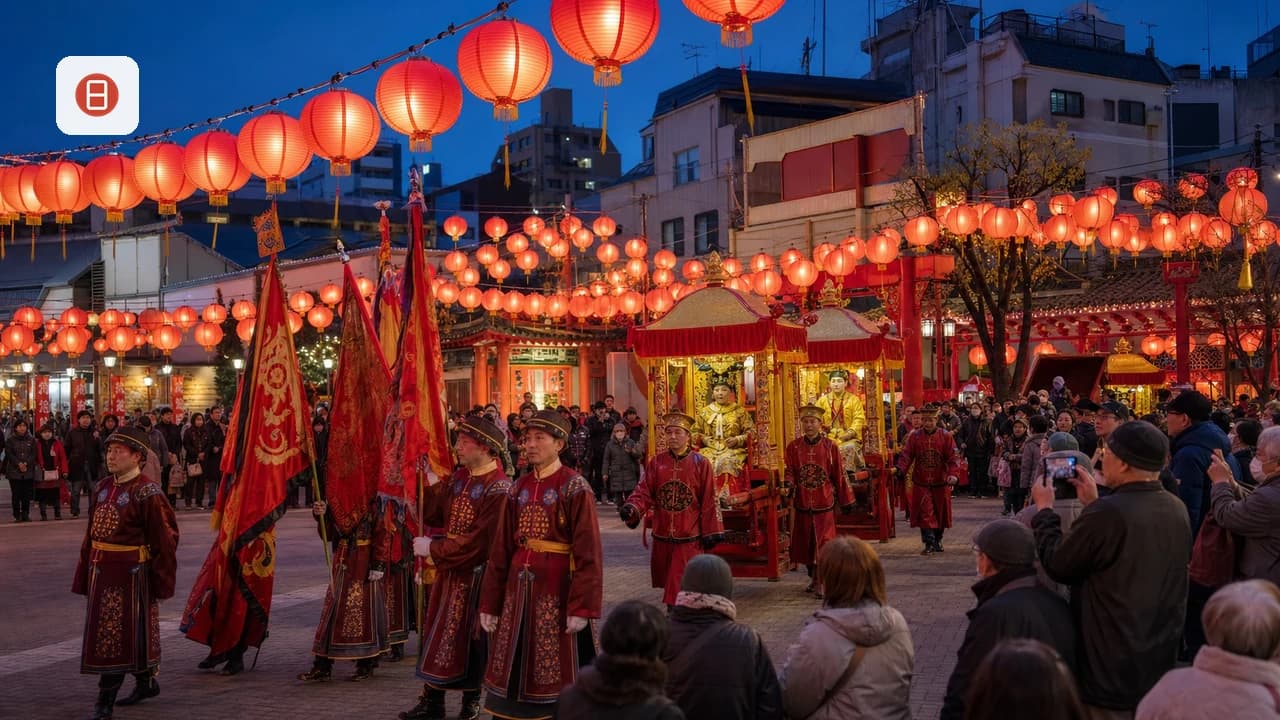
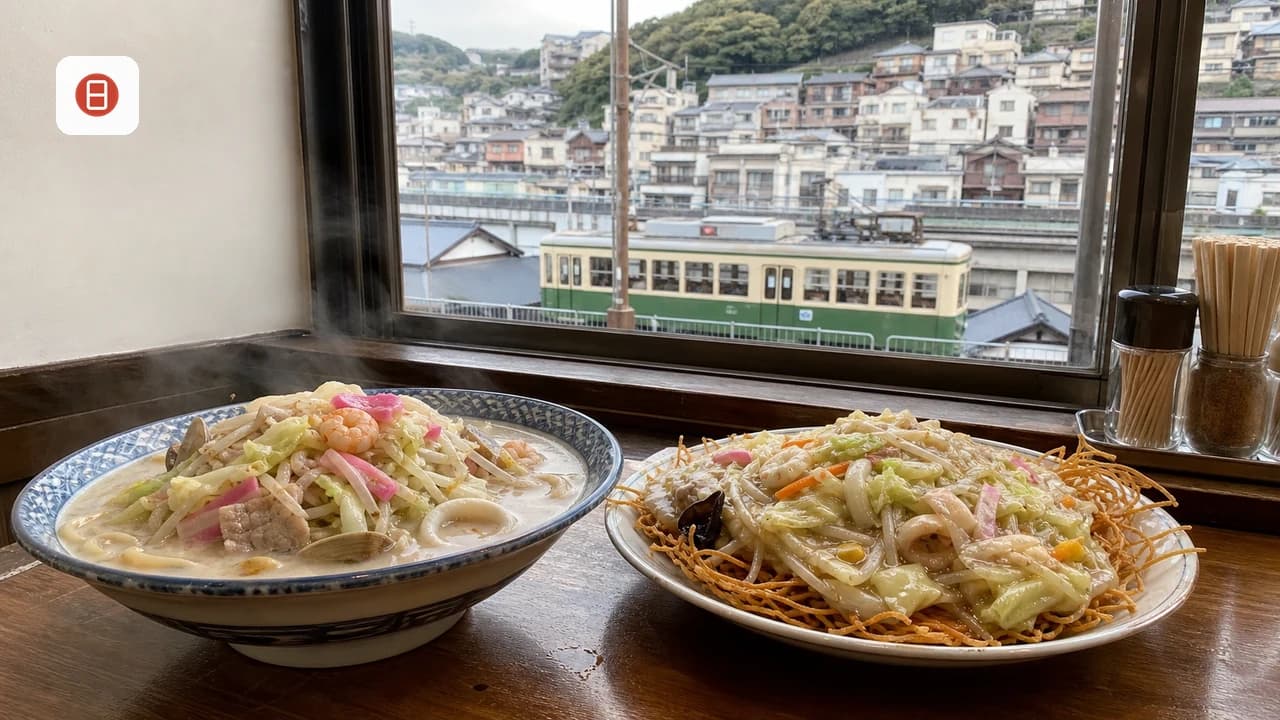
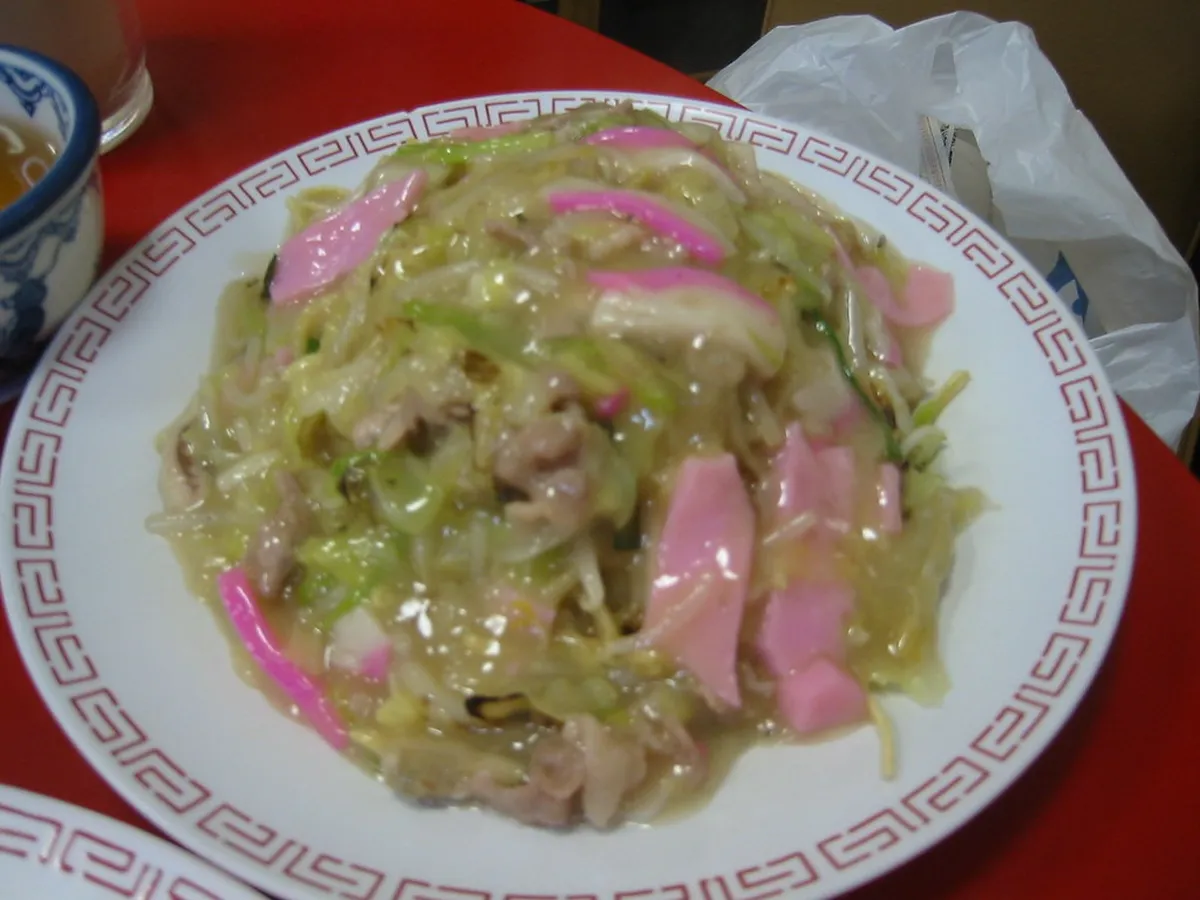
Shippoku ryori is Nagasaki's banquet-style cuisine, built from Japanese, Chinese, and Dutch cooking traditions. Locals shorthand this three-way blend as Wa-Ka-Ran: Wa for Japanese, Ka for Chinese, Ran for Dutch. Large shared platters arrive at one round, vermilion-lacquered table, instead of the individual trays used in formal kaiseki dining. Everyone sits as equals at that table, with no host chair and no seat of honor. Faster, cheaper versions of the same cross-cultural story show up in champon and sara udon, both part of Nagasaki's wider food scene.
The History Behind Shippoku's Round Table
Shippoku's name comes from two words: shitsu for table and hoku for tablecloth, a nod to the shape of a Chinese banquet table. Records trace the style back roughly 400 years, to Chinese residents cooking in Nagasaki during the Edo period. Nagasaki was Japan's only port open to foreign trade during that era's long seclusion policy, so Portuguese and Dutch traders lived and ate there too. Cooks folded each group's techniques into local seafood and vegetables over generations. By the eighteenth century, Japanese interest in Chinese cooking had grown. Restaurants began specializing in shippoku alongside fucha, a related vegetarian style with its own Chinese roots. This round table, without a head or foot seat, reflects that mixed-nationality history: no single guest outranked another at dinner.
The Ohire Ritual: How a Shippoku Meal Begins
Every shippoku meal opens with a set phrase from the host or proprietress, not with a toast. Nagasaki's official tourism site records the line as Ohire wo nasare, please have some fins. Ryoutei Kagetsu's own proprietress uses a house variant, Ohire wo douzo, please have the soup, but both point to the same first course. Ohire is a Japanese-style soup built around sea bream. Historically, the bowl included the fish's pectoral fins, to show the kitchen spared nothing for the guest. Nobody proposes a toast or gives a speech until that soup is finished. After ohire, the rules relax: guests reach directly into the shared platters with their own chopsticks for the rest of the meal.
Signature Dishes on the Shippoku Table
Ryoutei Kagetsu's printed menu sequences roughly 15 dishes, from the ohire soup to a final sweet course. Several dishes define the meal's cross-cultural reputation. Shippoku keeps its own dessert course inside the meal. For Nagasaki's other signature sweet, see Nagasaki's castella cake, sold on its own across the city.
- Kakuni: braised pork belly, Nagasaki's clearest Chinese import, overlapping with the braised dishes found in Nagasaki Chinatown's food scene.
- Nagasaki tempura: thick-battered fritters, adapted from a Portuguese frying technique.
- Tsukuri and yubiki: sliced sashimi and parboiled fish, the meal's Japanese seafood course.
- Mame: boiled beans, one of the plainer dishes between the richer courses.
- Gohan, nimono, and kou-no-mono: rice, a simmered dish, and Japanese pickles fill out the middle of the course.
- Hikado: a ginger-flavored kakuni stew, listed on Kagetsu's own take-out menu as Kagetsu Hikado Kakuni.
- Umewan: the closing sweet course, a bean soup often served with mochi.
Shippoku Ryori Prices: Lunch, Dinner, and Take-Out
Shippoku spans a wide price range, from a take-out bento to a multi-course dinner at a historic ryotei. Kagetsu, in Nagasaki's Maruyama district, publishes exact tax-included prices for both lunch and dinner shippoku courses.
| Course | Price (tax included) |
|---|---|
| Lunch shippoku, entry course | ¥10,560 per person |
| Lunch shippoku, mid course | ¥14,520 per person |
| Lunch shippoku, head-chef course | ¥17,160 per person |
| Dinner shippoku, entry course | ¥23,760 per person |
| Dinner shippoku, mid course | ¥26,400 per person |
| Dinner shippoku, head-chef course | ¥33,000 per person |
| Kaiseki dinner (alternative menu) | ¥23,760 per person |
| Seasonal shippoku bento (take-out) | ¥3,240 |
| Kagetsu-gozen bento (take-out) | ¥4,104 |
| Hors d'oeuvre platter, 2+ guests (take-out) | ¥7,560 |
Booking a Table: Reservations and Etiquette
Most sit-down shippoku venues are built around a shared round table, so plan on booking for two guests or more. Confirm the exact minimum when you call, since policies vary by restaurant. Solo diners are not shut out: Kagetsu's seasonal shippoku bento, at ¥3,240, packages the same flavors for one person. Its delivery service also lists menus sized for an individual as well as a family. Call 095-822-0191 during reception hours, 11:00 to 20:00, closed Tuesdays, to arrange delivery instead of a restaurant seat. Kagetsu also runs a separate kaiseki dinner menu at ¥23,760 per person, for guests who prefer conventional formal dining over the shared shippoku table.
- Extra plates: Kagetsu's official rule allows up to two extra servings per guest, easing the load on staff who once served every dish by hand.
- Chopsticks, shared platters: guests reach directly into the communal dishes rather than passing plates around the table.
- Dress code: historic ryotei run a formal dining room, so confirm current dress expectations when you book.
- Lead time: a full course uses about 15 prepared dishes, so call ahead rather than walking in without a reservation.
Where to Eat Shippoku Ryori in Nagasaki
Ryoutei Kagetsu operates inside Maruyama, Nagasaki's historic pleasure quarter, worth pairing with a stop at Nagasaki's historic attractions. Maruyama also anchors Nagasaki's nightlife scene, so a shippoku dinner can lead straight into an evening out nearby. For a lower-cost sit-down version, head to En-sui on Ginyamachi instead. Both restaurants take phone reservations, and Kagetsu's take-out line also handles delivery orders.
| Restaurant | Area | Hours / Notes | Contact |
|---|---|---|---|
| Ryoutei Kagetsu (dine-in) | Maruyama | Confirm current dine-in hours when booking; reservations recommended | See restaurant website |
| Ryoutei Kagetsu (take-out & delivery) | Delivered from Maruyama | Reception hours 11:00-20:00, closed Tuesdays | 095-822-0191 |
| En-sui (Ginyamachi honten) | Ginyamachi, near Nigiwaibashi Station | Lunch 11:30-15:00 (last order 14:00), dinner 17:00-22:00 (last order 20:00), open daily | 095-829-3222 |
Common Mistakes to Avoid
First-time visitors tend to trip on a few details here. These slip-ups show up most often before the meal even starts.
Although shippoku's full sit-down experience features roughly 15 courses at a shared round table, solo diners can order Kagetsu's seasonal shippoku bento at ¥3,240 to enjoy the same flavors.
- Walking in without a reservation: a full course uses roughly 15 prepared dishes, and traditional ryotei need advance notice to build it.
- Confusing shippoku with kaiseki: Kagetsu runs both menus at similar price points, so specify shippoku when you book if that is the meal you want.
- Underestimating the portion size: with around 15 courses across the meal, skip a heavy lunch beforehand.
- Assuming casual dress is fine: historic ryotei keep a formal dining room, so confirm current dress expectations when you call.
- Overlooking solo-diner options: the seasonal shippoku bento and individual delivery menus exist because the sit-down table is built for groups.
Frequently Asked Questions
What does Ohire wo nasare mean?
It is the phrase that opens a shippoku meal, roughly please have some fins. Hosts or proprietresses say it before the sea bream soup is served, and no toast happens until that soup is finished.
How much does shippoku ryori cost in Nagasaki?
At Ryoutei Kagetsu, published tax-included prices run from ¥10,560 per person for a lunch course to ¥33,000 per person for the head-chef dinner course. A Ministry of Agriculture, Forestry and Fisheries dining guide lists a more casual option, En-sui, at an average of ¥4,001-5,000 per person.
Can one person order shippoku ryori?
Most sit-down shippoku tables are built for two or more guests, since the dishes are shared. Kagetsu's seasonal shippoku bento, priced at ¥3,240, and its individual delivery menus both work for a solo diner.
What is the difference between shippoku and kaiseki?
Kaiseki serves each course on an individual tray, often with a set seating hierarchy. Shippoku puts shared platters on one round table with no head seat, reflecting Nagasaki's Chinese, Japanese, and Dutch influences instead of a single culinary line.
What dishes should you expect on a shippoku table?
Expect roughly 15 courses moving from the ohire soup through kakuni braised pork, Nagasaki tempura, sashimi, and boiled beans, ending with a sweet umewan course. Ryoutei Kagetsu's printed menu follows this same sequence.
Free: The Nagasaki Essentials guide
Top things to do, where to stay, a perfect day plan, getting around, and the best time to go — a Nagasaki mini-guide you can take offline.
You might also like


Continue reading
More guides you'll find useful