

Agu Pork Izakaya in Naha: 2026 Guide to Kumoji's Best Kitchens
Find the best Agu pork izakaya in Naha: five Kumoji and Matsuyama kitchens, 2026 prices, reservation rules, and the 15-minute late policy.
On this page
Last updated August 2026: Agu pork izakaya in Naha cluster mostly around Kumoji and neighboring Matsuyama, a few minutes' walk from Kencho-mae and Miebashi stations. The Okinawan breed carries darker meat and a thicker band of white fat than standard pork, and kitchens serve it as bamboo-steamed seiro-mushi, boiled shabu-shabu, or grilled yakiniku. This guide compares five specialist restaurants, their reservation rules, and what a typical set actually costs.
What Makes Agu Pork Worth Seeking Out in Naha
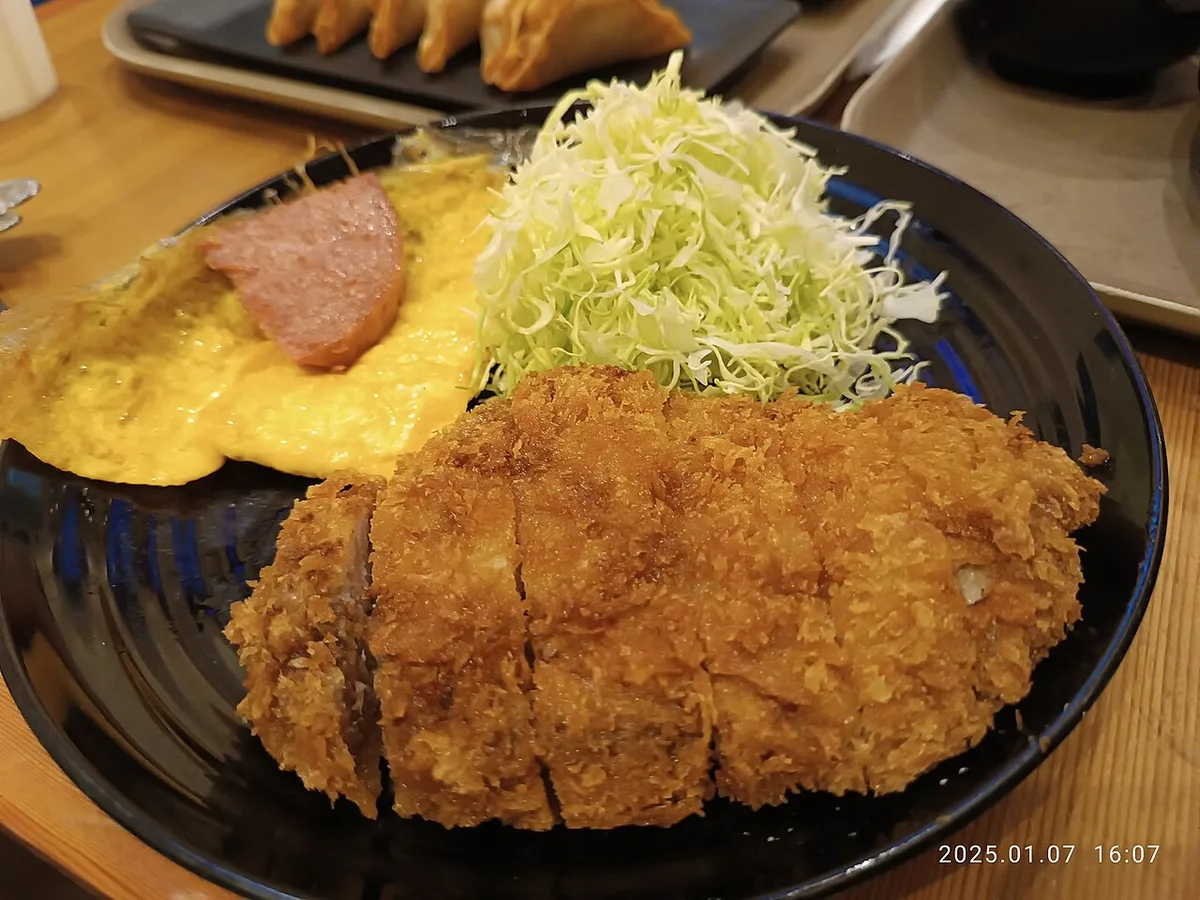
Agu is a Ryukyu heritage pig breed raised in small numbers across Okinawa, and its scarcity earned it the nickname phantom pig. The meat looks different at the table: darker red flesh with a noticeably thicker band of marbled white fat than a standard cut. That fat carries most of the flavor. At the counter or on a raw platter, look for a deeper red-pink muscle color. A wide, creamy-white fat cap is another visual sign of the breed, not just a menu description. Okinawan chefs describe the meat as sweeter and higher in umami than ordinary pork, thanks to a higher concentration of glutamic acid. Restaurants in Naha also market Agu as a lighter choice. Some menus and shop descriptions cite roughly 25% less cholesterol than standard pork, with little of the smell associated with other breeds. Three cooking styles show up again and again on Naha menus. Seiro-mushi steams the pork in a bamboo basket, which renders excess fat away while keeping the meat juicy. Shabu-shabu cooks thin slices in broth at the table, the classic format for Agu specialists. Yakiniku grills it directly, usually alongside Okinawan Wagyu beef at meat-focused kitchens. For a broader view of Okinawan cooking beyond Agu pork, see the Naha Food Guide: 10 Best Dishes and Dining Experiences (2026).
Agu Pork Izakaya in Naha: Five Kitchens Worth Booking
Five specialist kitchens cover most of what travelers look for, from steamed to shabu-shabu to pineapple-fed pork. Reservation habits vary sharply, so check the details below before you pick a night.
AKINDO's ¥860 shabu-shabu portions combine with à la carte sides like ¥250 jimami tofu from the Ryukyu menu to deliver a full Agu pork experience at roughly half the cost of most set-course restaurants.
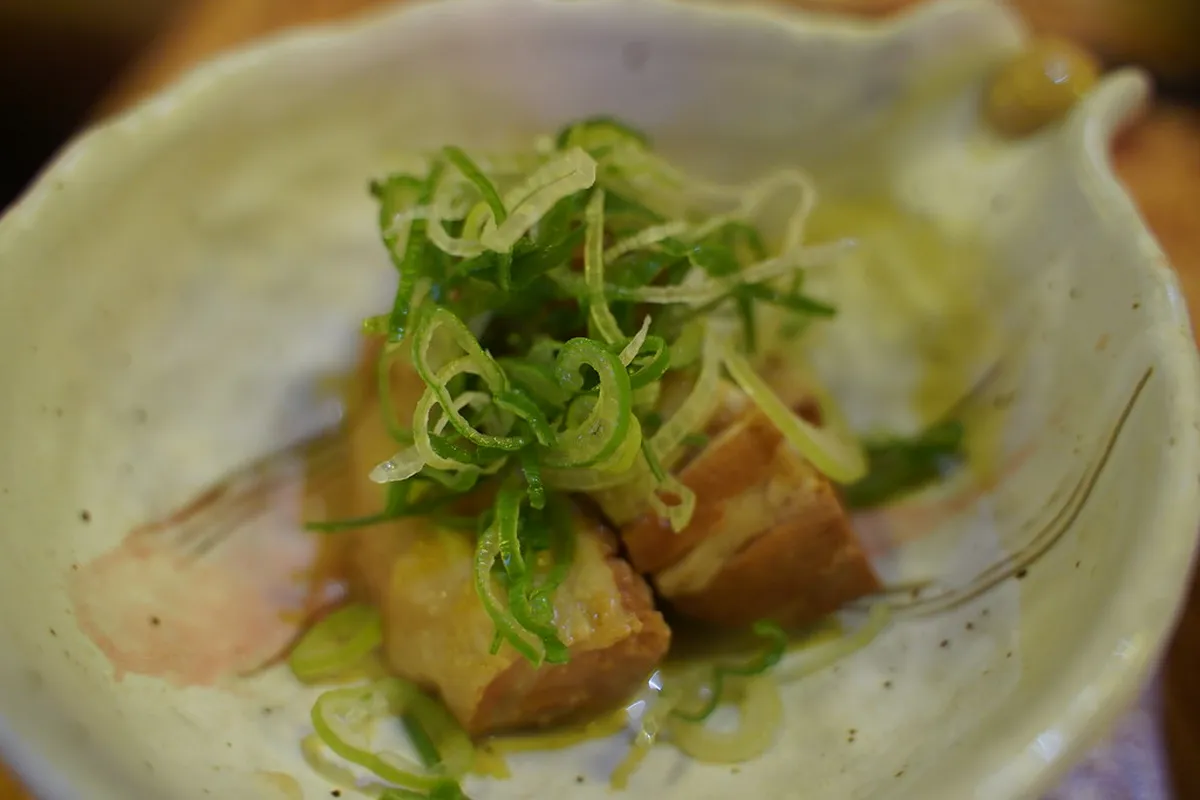
Steam-dining Shimabutaya sits at 3-6-3 Kumoji, about 364m from Miebashi Station and 490m from Kencho-mae Station. The kitchen's signature is Yanbaru Island Agu pork seiro-mushi, a bamboo-steamed set built around 150g of meat plus seasonal vegetables. Course menus run ¥5,980 to ¥6,480 for a 1.5 to 2-hour all-you-can-drink format, and the minimum spend is ¥3,500. Groups of six or more must pay a ¥4,400 deposit, and Shimabutaya enforces a strict 15-minute arrival window. Arrive later than that without contacting the restaurant, and the table is released. Arrive late but still get seated, and a fee equal to 50% of the deposit, about ¥2,200, applies on top of the food and drink bill.
Matsumoto Agu Shabu-shabu Specialty Restaurant sits at 1-7-1 Matsuyama, reached by heading through the Kumoji intersection toward Fukushu Garden and turning right at Daiten Temple. Its Agu Pork Shabu-Shabu Set costs ¥5,000 per person, with an average spend closer to ¥6,000 once appetizers and rice porridge are added. The restaurant is open 5:30pm to 10:30pm (last order 10:00pm) on weekdays, Saturdays, and holidays, with no regular closing day outside the New Year period. Because it draws steady crowds, book ahead before a weekend visit.
Agu Shabu-shabu Miruku, at 1-33-2 Matsuyama, is known for a rich shabu-shabu broth and a rafute (slow-stewed pork rib) simmered for hours without a pressure cooker. Average spend runs ¥3,001 to ¥3,500, making it one of the more affordable Agu specialists in the area. Hours run 5:00pm to midnight, with last order at 11:00pm, and the restaurant is closed on Tuesdays.
Niku Kyu Naha Kumoji Branch, at 3-12-1 Kumoji, is a 4-minute walk from Kencho-mae Station on the Yui Rail monorail. Its point of difference is Agu Pork Paiton, pork fed on pineapple from Higashi-mura, an area known for the fruit. The kitchen credits that feed with a sweeter, lighter fat than standard Agu. The Agu pork and lettuce shabu-shabu anchors a Meat Kappo menu that also features Japanese black beef dishes, including a seared nigiri and a truffle-topped yukke. Hours run 17:00 to 23:30 Sunday through Thursday and on holidays, with last order at 22:30 for food and 23:00 for drinks. Friday, Saturday, and the day before a holiday extend service to midnight. There is no regular closing day, aside from a short break around January 6 to 8.
AKINDO is a shabu-shabu specialist in Kumoji, a 3-minute walk from Kokusai-dori. Its Kin Agu pork shabu-shabu, made with pork raised in Kin-cho, comes with an okayu rice porridge soup base and costs ¥860 per person. Sides run cheap: jimami tofu at half size costs ¥250, zaru mozuku is ¥680, and a Sanpin-cha jasmine tea highball is ¥500. The counter-style seating suits solo diners and small groups looking for a lighter bill than the set-course specialists nearby.
| Izakaya | Area | Typical Spend | Best For |
|---|---|---|---|
| Steam-dining Shimabutaya | Kumoji | ¥3,500–¥6,480 | Groups, health-conscious diners |
| Matsumoto Agu Shabu-shabu | Matsuyama | ¥5,000–¥6,000 | Classic shabu-shabu, book ahead |
| Agu Shabu-shabu Miruku | Matsuyama | ¥3,001–¥3,500 | Budget-friendly, late finish |
| Niku Kyu Naha Kumoji | Kumoji | Course pricing varies by menu | Couples, Wagyu pairing |
| AKINDO | Kumoji | ¥860 per shabu-shabu dish | Solo diners, quick bite |
What Comes With the Set: Ryukyu Sides Worth Knowing
Agu pork courses rarely arrive alone. Shimabutaya's steaming courses open with a Ryukyu appetizer plate that mixes mimiga (pig ear), sea grapes, and jimami tofu, then move through minudaru (pork in black sesame sauce), rafute, deep-fried gurukun, and goya champuru (bitter melon stir-fry) before finishing with ochazuke or dessert. Courses built around this format run ¥5,480 to ¥6,480, depending on the number of dishes and the drink package. AKINDO's à la carte sides work well if you would rather build a smaller order. Zaru mozuku costs ¥680, half-size jimami tofu is ¥250, and a Seekwasa shochu highball is ¥550, and all three pair naturally with shabu-shabu. Ordering a few sides alongside the main Agu pork dish gives a fuller sense of Ryukyu cooking than the pork alone.
Which Izakaya Fits Your Trip
Match the kitchen to the group and the trip, rather than the other way around.
Shimabutaya's bamboo steaming technique reduces excess fat, and Agu pork itself carries 25% less cholesterol than standard pork—a combination particularly appealing for health-conscious diners seeking a lighter meal.
- Groups of six or more: Shimabutaya's steaming courses are built for larger tables, but confirm the ¥4,400 deposit and 15-minute arrival window before you book. Missing that window can mean losing the table entirely.
- Couples or intimate dinners: Niku Kyu's Meat Kappo course or Matsumoto's Agu Pork Shabu-Shabu Set both suit a table for two. Both restaurants keep smaller dining areas compared with the all-you-can-drink group format.
- Solo travelers: AKINDO's counter seating and half-size dishes, such as the ¥250 jimami tofu, work well for one person. The ¥860 shabu-shabu dish is also sized for a single diner rather than a shared course.
- Health-conscious diners: Shimabutaya's seiro-mushi steaming removes excess fat instead of frying it away. Pairing that with a Sanpin-cha highball rather than alcohol keeps the meal lighter still.
Where to Base an Agu Pork Night: Kumoji and Matsuyama vs. Kokusai-dori
Kumoji and neighboring Matsuyama form Naha's upscale Agu pork cluster. Shimabutaya sits 364m from Miebashi Station. Niku Kyu is a 4-minute walk from Kencho-mae Station. Matsumoto sits just off the Kumoji intersection. This pocket suits a planned dinner rather than a walk-in. Several restaurants require booking days or weeks ahead. Kokusai-dori and the adjoining Makishi covered market work better for izakaya hopping on a lighter budget. AKINDO sits a 3-minute walk from Kokusai-dori and serves individual Agu pork shabu-shabu portions from ¥860. Snacks like mozuku and jimami tofu run under ¥700 each. For more low-cost options along the same strip, the Kokusai-dori budget eats guide covers stalls and set meals beyond Agu pork. The Makishi Public Market Naha: The Ultimate Visitor Guide is useful if you want to see Okinawan produce and seafood before dinner. Either base works well with a day built around Naha's main attractions, since both districts sit within walking distance of downtown sightseeing.
Reservations, the 15-Minute Rule, and Other Logistics
A few house rules catch first-time visitors off guard, and knowing them in advance avoids an awkward night. Some menus and hours cited online date back to 2020, so confirm current details with each restaurant before booking. Once the table closes, the Naha nightlife guide lists bars and late-night spots around Kumoji. If you would rather finish with noodles than dessert, the 5 Best Okinawa Soba Shops in Naha: Where Locals Actually Eat lists shops open late nearby.
- Book ahead. Matsumoto and Shimabutaya fill up weeks in advance on weekends, according to their own booking pages, so reserve online rather than walking in.
- Respect the 15-minute rule. Shimabutaya cancels a table if a group arrives more than 15 minutes late without contact. Even a late arrival that is still seated pays a fee equal to 50% of the deposit, about ¥2,200, on top of the meal.
- Expect an otoshi. Most Naha izakayas add a mandatory table charge, typically ¥300 to ¥500, and it comes with a small starter dish rather than being optional.
- Pair the meal with a local drink. Awamori, Okinawa's distilled spirit, suits a richer shabu-shabu broth. A Sanpin-cha jasmine tea highball, about ¥500 at AKINDO, is a lighter match for steamed or grilled pork.
- Plan around closing times. Agu Shabu-shabu Miruku serves until midnight with last order at 11:00pm, and Niku Kyu stays open to midnight on Fridays and Saturdays. Matsumoto's last order is 10:00pm, earlier than the other kitchens.
Frequently Asked Questions
What is Agu pork, and why is it associated with Naha?
Agu is a Ryukyu heritage pig breed raised in limited numbers, which is why menus call it the phantom pig. It has darker meat and thicker marbled fat than standard pork, along with more umami. Naha concentrates Okinawa's specialist Agu pork izakayas in districts like Kumoji and Matsuyama.
How much does a meal at an Agu pork izakaya in Naha cost?
Expect roughly ¥3,500 to ¥6,500 per person for a set menu, based on current listings from the restaurants covered above. Shabu-shabu sets tend to start around ¥5,000, such as Matsumoto's Agu Pork Shabu-Shabu Set. Budget-leaning spots like Agu Shabu-shabu Miruku average closer to ¥3,001 to ¥3,500.
Do these restaurants require a reservation?
Yes, especially Matsumoto and Shimabutaya, which are frequently booked out weeks ahead according to their own listings. Reserve online rather than walking in during the evening. Smaller counters like AKINDO are more likely to seat walk-ins.
What happens if you arrive late to a reservation?
At Shimabutaya, arriving more than 15 minutes late without contacting the restaurant cancels the table outright. A group that is still seated after that window pays a late fee equal to 50% of the deposit, about ¥2,200. Confirm the specific policy when you book, since terms can vary by party size.
What is the difference between seiro-mushi and shabu-shabu Agu pork?
Seiro-mushi steams sliced pork in a bamboo basket, which drains excess fat while keeping the meat moist, as served at Shimabutaya. Shabu-shabu instead cooks thin slices in simmering broth at the table, the format used at Matsumoto and Miruku. Both preserve the marbling that makes Agu pork distinct.
What should you drink with Agu pork?
Awamori, Okinawa's distilled spirit, is the traditional pairing for richer shabu-shabu broth. A Sanpin-cha jasmine tea highball is a lighter option, priced around ¥500 at AKINDO. Most izakayas also add a mandatory otoshi table charge of ¥300 to ¥500 with a small starter.
Free: The Naha Essentials guide
Top things to do, where to stay, a perfect day plan, getting around, and the best time to go — a Naha mini-guide you can take offline.
You might also like


Continue reading
More guides you'll find useful


