Okinawa Taco Rice: Where to Eat It & Naha Tips
What Okinawa taco rice is, why it exists, where to eat it from Naha, and how to order. Local tips, cost checks, and access trade-offs.
On this page
Last updated October 2026: Okinawa taco rice is seasoned minced beef, lettuce, cheese and tomato served over rice, often finished with salsa. It is an everyday, low-cost local meal rather than a sit-down attraction. Below you will find its origin story, how to order it, and how to reach it from Naha.
What Okinawa Taco Rice Is and Why Okinawa Has It
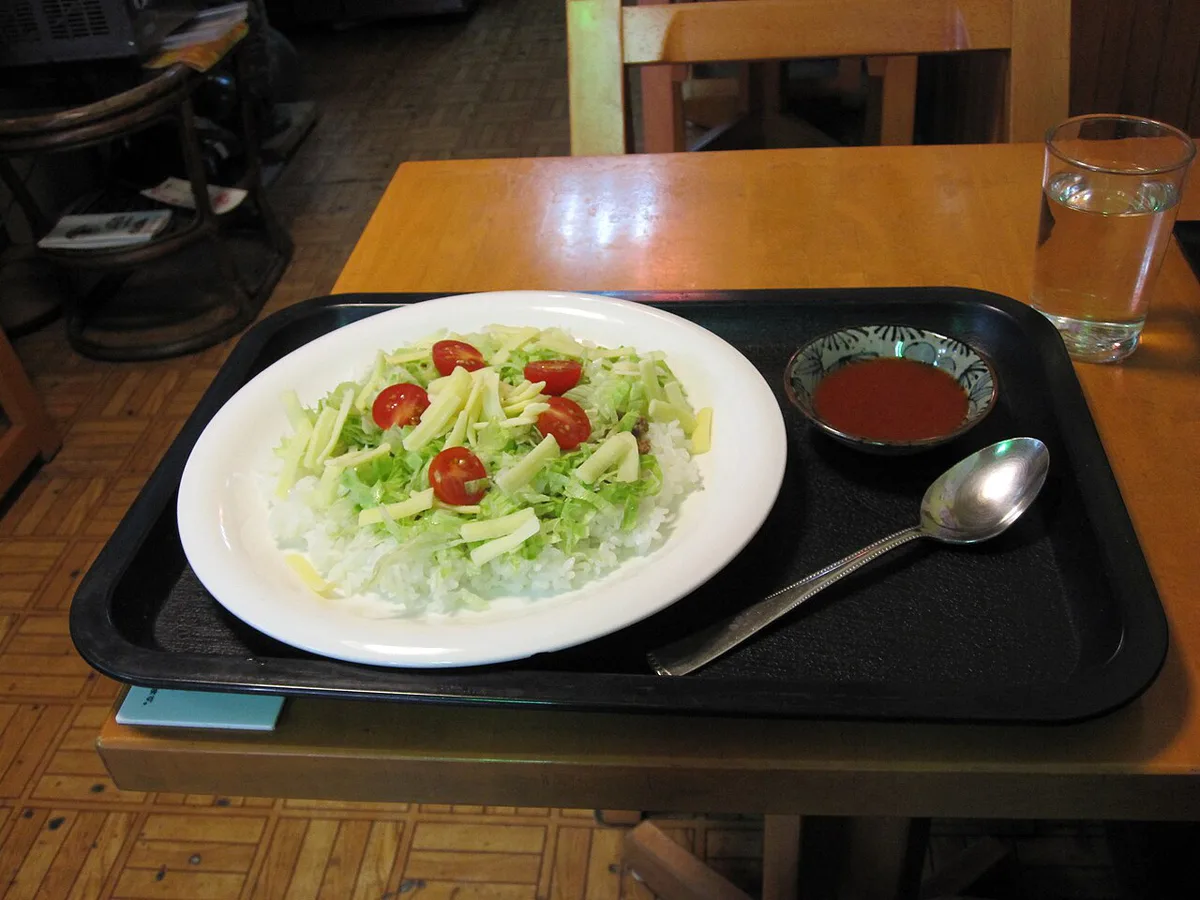
Taco-style minced beef goes on warm rice, then gets topped with shredded lettuce, cheese and tomato. Salsa is the usual finish. Think of it as a rice bowl that borrows taco flavors. It sits closer to a diner lunch than to refined Okinawan cooking.
The backstory is American military presence on the island since World War II. Local restaurants began offering affordable, familiar food for service members and their families. Taco rice grew out of that habit. Rice stretched the meat and made a filling plate that locals also liked.
Origin dates conflict, so treat any single year with care. One account credits restaurant owner Matsuzo Gibo with creating it in 1984, near a US base. Another loosely places it in the 1960s. Your Kin angle matters here too, since the dish is commonly linked to Kin. For local claims, start with the Kin town official site. Until a primary source settles it, say "commonly credited" and move on.
How Okinawa Taco Rice Differs From a Real Taco and a Home Recipe
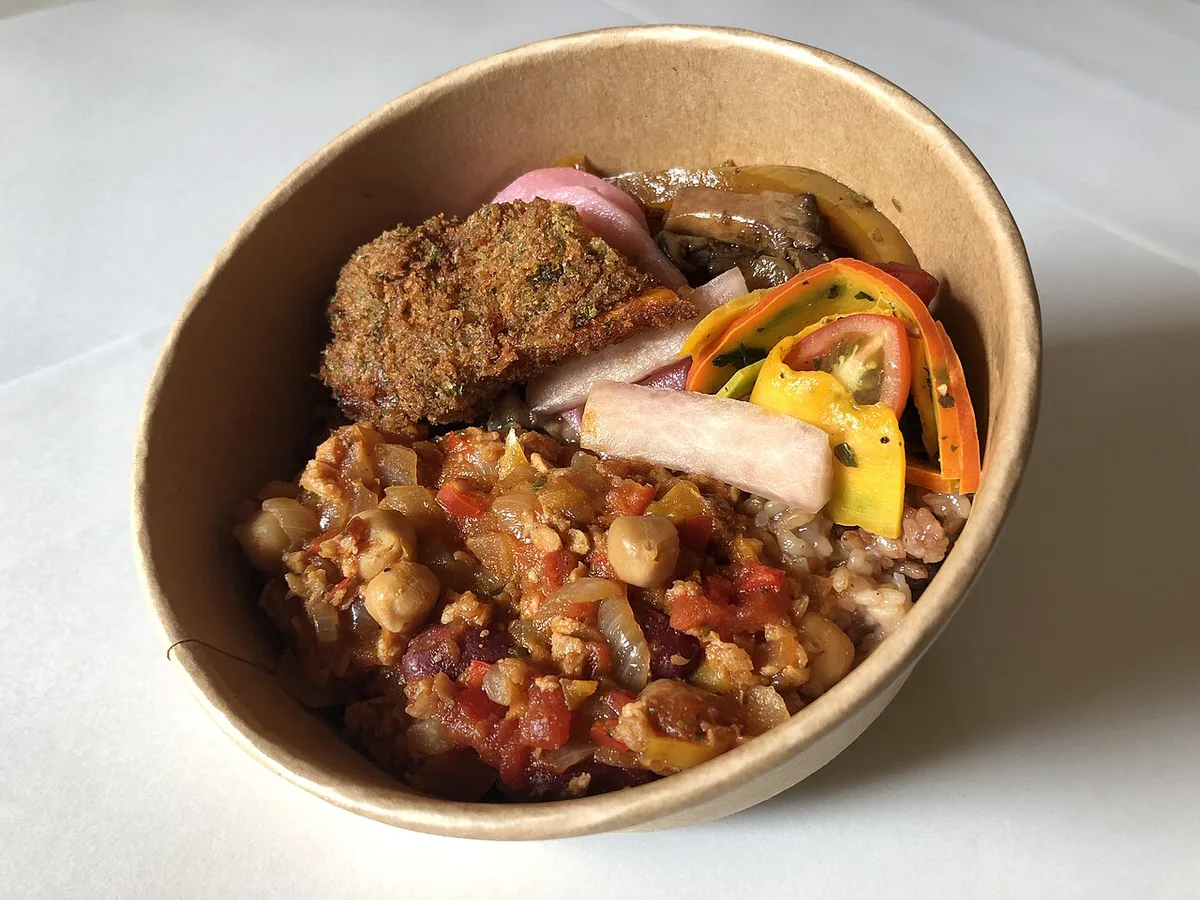
Skip any expectation of a crisp shell or a handheld snack. Taco rice is eaten with a spoon from a plate or bowl. Seasoning is mild-to-medium, built for a wide audience. Some shops reportedly flavor the meat with soy sauce and mirin, so no two plates match. This guide does not include a recipe, since cooking it at home is a different search.
| Feature | Tex-Mex taco | Okinawa taco rice |
|---|---|---|
| Base | Tortilla or shell | Steamed rice |
| How you eat it | By hand | Spoon, often mixed |
| Toppings | Varies by taqueria | Lettuce, cheese, tomato, salsa |
| Flavor | Spice-forward | Mild to medium, varies by shop |
Where to Eat Taco Rice Around Naha
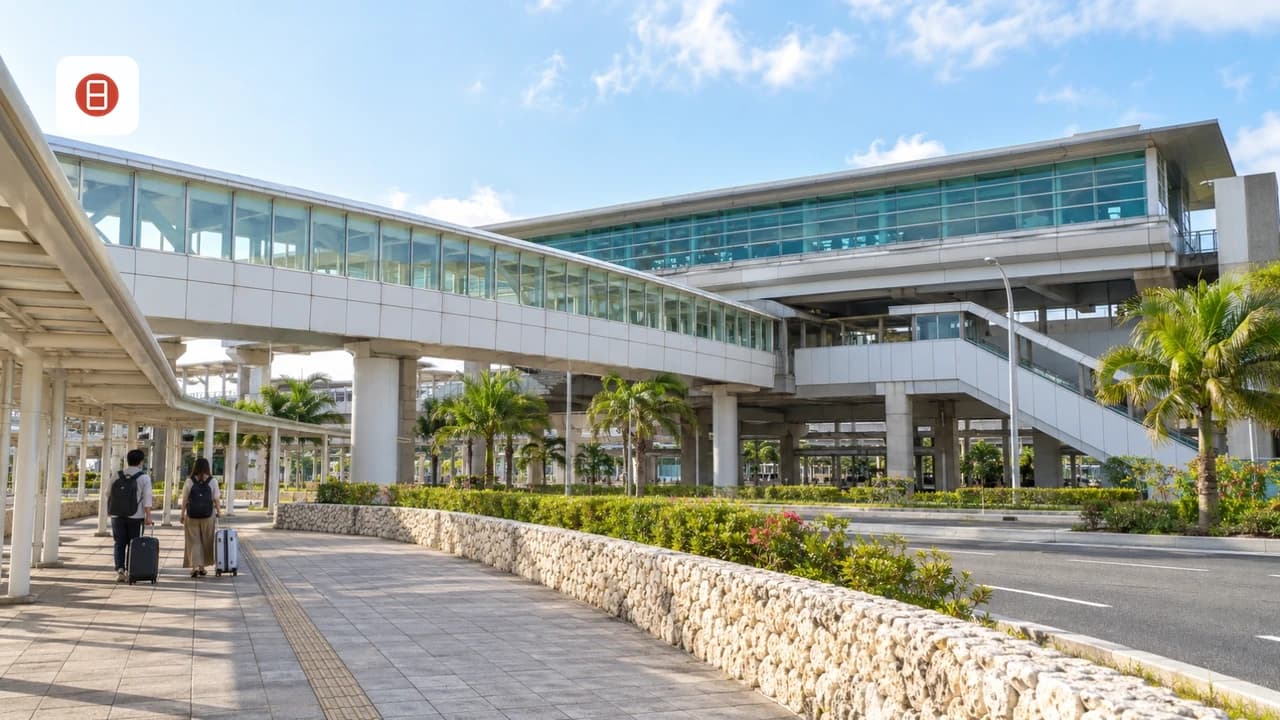
No venue names are verified for this guide, so choose by situation instead. Check each shop's current hours and menu before you go. Airport food is the simplest option for a first or last meal, and the Naha Airport (OKA) Guide: Getting to Naha, Facilities & Tips covers arrival and departure timing. Confirm terminal facilities on the airport's official access page.
In Naha itself, look for local diners and casual lunch counters that list taco rice on the menu. Base-town shops sit farther out, in areas near US installations. Those places tend to be the most typical, and they take more effort to reach.
| Option | Style | Effort to reach | Best for |
|---|---|---|---|
| Airport food court | Standard | Low | Layovers, last meal |
| Naha city diner | Standard or topped | Low to medium | First-timers |
| Base-town shop | Local variations | High, car helps | Food-focused travelers |
| Supermarket or convenience store | Packaged | Low | Budget snack |
- Airport food court: easiest for a layover, with less local character.
- Naha city diner: short ride from your hotel, good for a plain standard plate.
- Base-town taco rice shop: the closest thing to the dish's roots, but plan the trip.
- Convenience store or supermarket version: cheap and quick, best as a snack or test.
- Chain restaurant: predictable menu, handy when hours at small shops are unclear.
How to Order and Eat Taco Rice
Start with the standard plate. Beef, lettuce, cheese, tomato and salsa is the baseline, and you can judge a shop on it. Some places offer cheese-topped or larger portions, so look at the menu photos or ask staff to point.
Dry rice and meat is a common complaint among visitors. Ask for extra salsa or hot sauce when it is offered. Many people mix everything with a spoon so sauce reaches the rice. Others eat it layered. Both are fine.
Payment varies by shop, so carry some cash alongside a card. Small diners may take cash only. Vegetarian options are rare or unconfirmed, because the dish is built on beef and cheese.
Cost, Hours, and Time Needed
No verified yen prices exist for this guide, and quoting a number would be a guess. Expect a plate to cost less than a sit-down set meal at a tourist restaurant. Treat that as a relative comparison and check each menu on the day. Convenience-store versions should sit at the bottom of the price range.
A casual plate takes about as long as any diner lunch. Allow extra time at base-area shops for travel and a possible wait. Hours differ widely, and some small shops close between lunch and dinner. Look up current hours before you set out, using the shop's own page or social account.
Getting There: Transit vs Rental Car
Within Naha, buses, the monorail and taxis cover most city diners without trouble. Public transit costs less and avoids parking. It gets slow once you head toward base towns, where stops are farther apart.
A car saves time on those trips and lets you chain stops. It adds rental cost, parking, and driving on the left. Our Rental Cars in Okinawa: Naha Airport Pickup, Licence Rules & Tips covers those trade-offs in detail. For transport planning, the Visit Okinawa Japan site is a good starting point.
| Choice | Strength | Trade-off |
|---|---|---|
| Bus, monorail, taxi | No parking, lower cost | Slow to base areas |
| Rental car | Flexible, chains several stops | Parking and left-side driving |
Fitting Taco Rice Into a Naha Day or Day Trip
Treat taco rice as a lunch slot, not an itinerary anchor. Pair it with a morning in the city, using the Naha attractions guide to choose sights near your lunch spot. If you head out of town, build it into a central or northern route from the Naha day trip ideas page.
Beach days also work. Pick up a supermarket or convenience-store version before you head to the sand. The beaches near Naha make an easy picnic pairing. Heat matters in summer, so see when to visit Naha before you plan a long outdoor lunch. For wider food context, browse our Japan Travel Guide: Plan Your Trip with Expert Tips & Itineraries.
Who Should Skip It and Common Mistakes
Skip taco rice if you want a crunchy Tex-Mex taco. Skip it if you avoid beef or dairy. It is also a poor fit for anyone seeking refined Okinawan cuisine, since this is comfort food with a cultural story.
- Expecting a tourist-polished restaurant: many shops are plain and local.
- Arriving at odd hours: small shops may close between meals.
- Assuming every shop uses one recipe: seasoning and toppings differ.
- Underestimating distance: base-area shops are farther than they look on a map.
- Skipping the salsa: ask for extra if the plate looks dry.
Frequently Asked Questions
What is Okinawa taco rice made of?
It is minced beef seasoned in taco style, served over rice. Typical toppings are lettuce, cheese and tomato. Salsa usually goes on top. Recipes vary by shop.
Why is taco rice popular in Okinawa?
It grew out of American military presence on the island since World War II. Local restaurants offered affordable, familiar food to service members. Locals took to it too, and it became an everyday meal.
Where can I eat taco rice in Naha?
Look at local diners, chain restaurants and the airport food court. Base-town shops outside the city are the most typical option. Check current hours before you go.
How much does taco rice cost in Okinawa?
No verified yen price is available for this guide. Expect a plate to cost less than a tourist set meal. Convenience-store versions are cheapest. Check the menu on the day.
Is taco rice worth trying on a short trip?
Yes, as a single casual lunch. It gives you a taste of Okinawa's military-era food history at low cost. Skip it if you avoid beef or dairy.
Can I find taco rice near Naha Airport?
Airport food is the easiest option for a layover or last meal. Confirm what is open on the airport's official page. Menus and hours change, so check before you rely on it.
Free: The Naha Essentials guide
Top things to do, where to stay, a perfect day plan, getting around, and the best time to go — a Naha mini-guide you can take offline.
You might also like

Continue reading
More guides you'll find useful