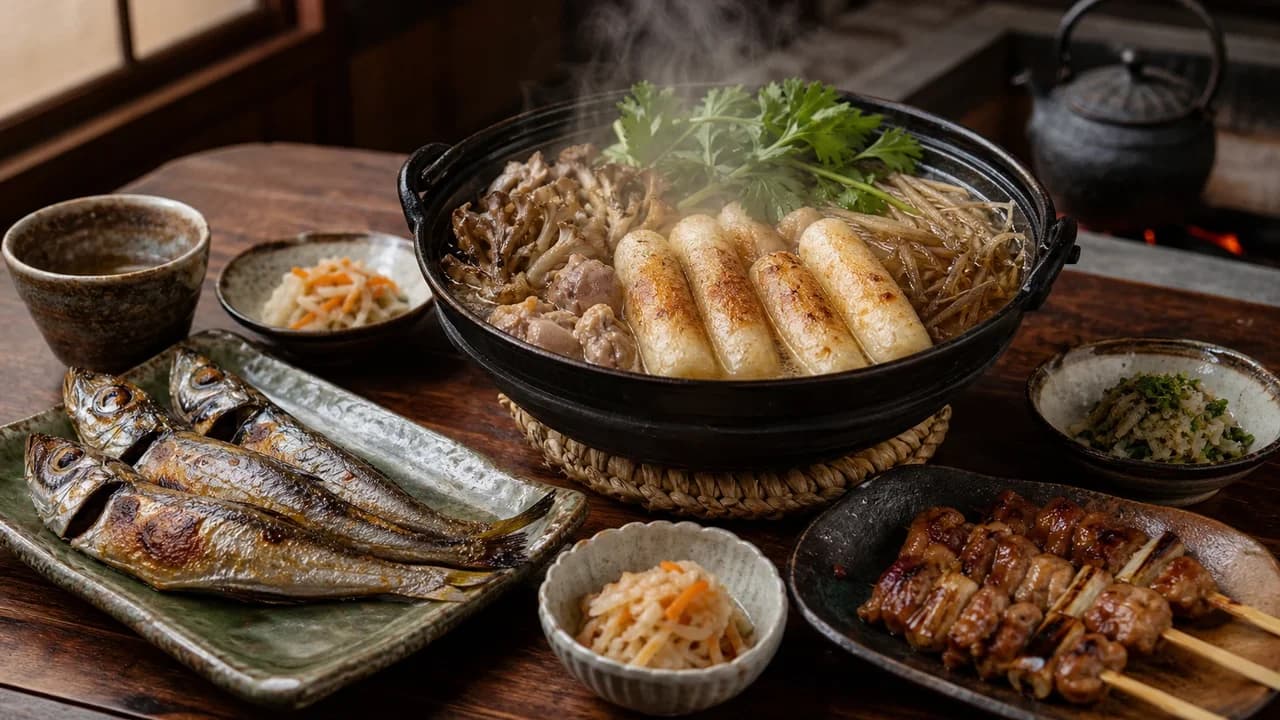
7 Best Restaurants in Akita City: Station Eats to Kawabata Izakayas
The best restaurants in Akita City for 2026, from the Hinai Jidori specialist near JR Akita Station to Kawabata Dori's izakaya row, with prices and reservation notes.
On this page
Last updated July 2026, this guide to the best restaurants in Akita City covers both station-front convenience and the Kawabata Dori izakaya row. Akita City cooking centers on three dishes: Hinai Jidori chicken, Kiritanpo Nabe, and Inaniwa Udon. Each entry below lists the walk from JR Akita Station, a typical price range, and whether a reservation matters.
The Akita Dining Landscape: Station Convenience vs. Kawabata Tradition
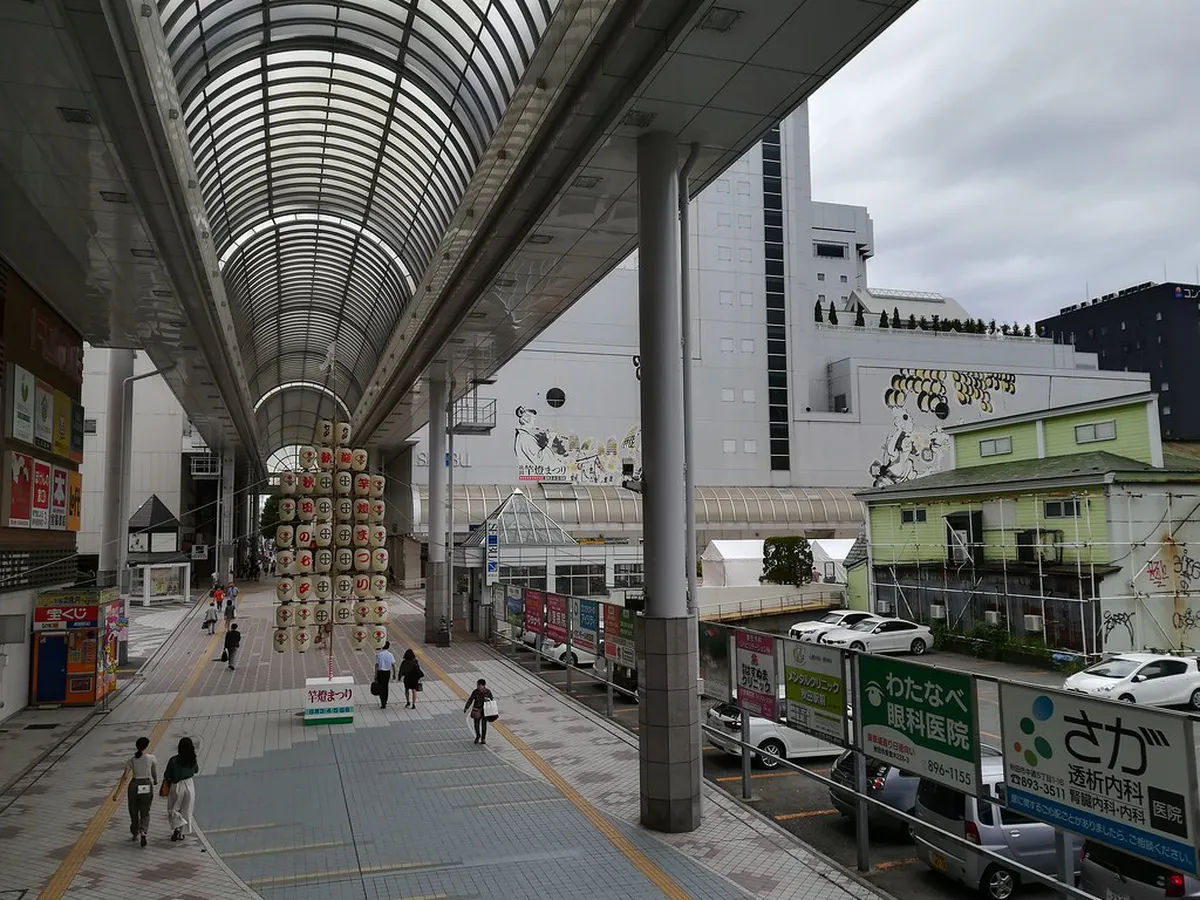
JR Akita Station's west exit opens onto the Topia and ALS shopping complexes, where fast-turnover restaurants suit a short layover between trains. Kawabata Dori, Akita's entertainment district, runs several blocks east and holds the city's older izakaya row, along with bars that stay open past midnight. Sanno, the government district nearby, adds a handful of lunch spots aimed at office workers rather than travelers. Three dishes anchor most menus here: Hinai Jidori chicken, Kiritanpo Nabe, and Inaniwa Udon. Hinai Jidori ranks among Japan's three great chicken breeds, and its ancestor breed earned National Natural Monument status in 1942. Two-thirds of Akita's sake breweries have operated for more than a century, a byproduct of the same rice and water that produce Akita Komachi rice. Winter also brings the shortest daylight hours in Japan to Akita, part of why many kitchens shift dinner service earlier than big-city visitors expect. Most first-time visitors split the difference, with a station-area lunch followed by a Kawabata dinner near where you're staying in Akita. Akita's food scene covers the dishes behind these picks in more depth. Akita's sake and rice explains why pairing choices matter this far north.
7 Best Restaurants in Akita City
These seven cover the specialties above, split roughly between the station area and Kawabata Dori, with notes on solo-friendly seating and reservation needs. Honke Abeya, HORMONE BAR SAMOYED, Rojiura Kadaru, and Sapporo Kani Honke sit within a few minutes of Akita Station. Ani Izakaya and Matsushita sit further out, closer to Kawabata Dori and Senshu Park.
Many Akita restaurants close by 9:00pm to 10:00pm because winter brings the nation's shortest daylight hours here, shifting dinner service earlier than visitors expect. Arriving by 6:30pm maximizes walk-in availability.
- Honke Abeya — Hinai Jidori Chicken Specialist
- This Hinai Jidori specialist sits 713m from JR Akita Station's exits, an easy walk into the Ekimae area near the Topia and ALS shopping complexes, making it a practical first stop.
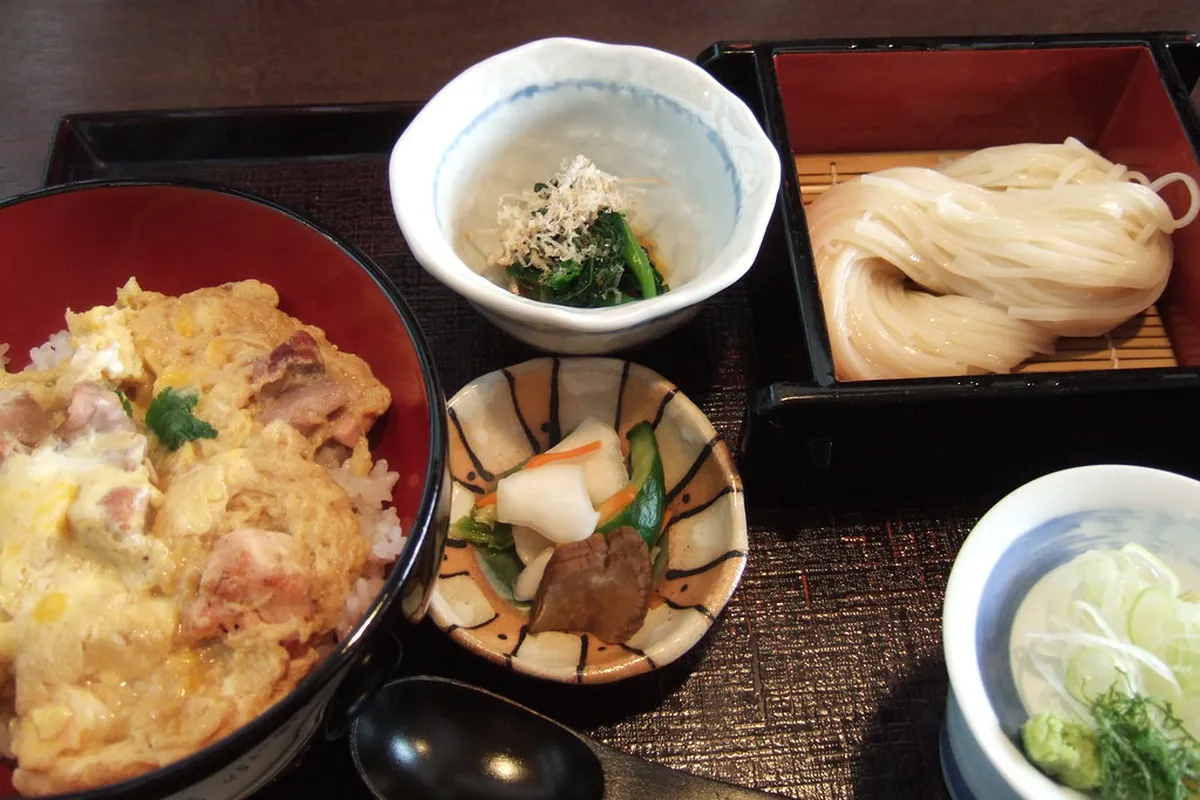
- Lunch sets built around Oyako-don, a chicken-and-egg rice bowl, run ¥1,000 to ¥1,999, while dinner skewers and a full Kiritanpo Nabe course run ¥5,000 to ¥5,999 per person.
- Counter seating works well for solo diners, and the room fills up on weekend evenings; see Hinai Jidori chicken for background on the breed before you order.
- Rojiura Kadaru — Kiritanpo Nabe for Solo Diners
- Rojiura Kadaru is a five-minute, 328m walk from Akita Station and specializes in Kiritanpo Nabe, the rice-tube and chicken hot pot most associated with the prefecture.
- It offers an individual Kiritanpo Hot Pot sized for one diner, an unusual solo-friendly format for a dish normally built around a shared pot for two or more people.
- Dinner runs ¥4,000 to ¥4,999 and the izakaya closes Wednesdays; pair the rice-tube hot pot with Yuki no Bosha sake, and see Akita's kiritanpo and beef dishes for more background.
- Sato Yosuke Honten — Inaniwa Udon
- Sato Yosuke Honten is one of Akita's established names for Inaniwa Udon, hand-stretched into noodles that are thinner and silkier than standard wheat udon found elsewhere in Japan.
- Order it cold with a light dipping sauce during warmer months, or ask for the hot version once temperatures drop through autumn and winter.
- The style ranks among Japan's three great udon traditions, according to the official Akita travel guide, and pairs well with a crisp, dry sake rather than the richer pours suited to Kiritanpo Nabe.
- Ani Izakaya — Neighborhood Bar with a Vinyl Collection
- Look for a small white board near the Paraca paid parking lot; the entrance sits at the back of the lot, in what looks like an ordinary house rather than a bar.
- The owner keeps thousands of vinyl records on the wall and can usually track down a specific English or Japanese pressing if you ask for one by name.
- Community listings put Friday and Saturday hours at 7:30pm to 2:00am; confirm current hours before heading over, since small neighborhood bars change schedules without much notice.
- HORMONE BAR SAMOYED — Budget Yakiniku Near the Station
- This station-front horumon and yakiniku spot in the Ekimae area runs faster and louder than the Kawabata izakayas, built for groups splitting plates over a couple of hours.
- It's a budget-friendly option relative to the kappo-style restaurants further into town, useful when a sit-down reservation isn't practical or the group is still deciding on plans.
- Pair a night here with a day spent at Akita's central attractions, since dinner without a wait matters after a long day on foot.
- Sapporo Kani Honke — Crab Courses for a Splurge
- Sapporo Kani Honke's Akita branch specializes in multi-course crab dinners, a step up in price from the izakaya-style picks earlier on this list.
- The weekday lunch menu runs 11:30am to 3:00pm and is the better-value way to try the crab courses before dinner pricing takes over the same menu.
- Reserve ahead for dinner, and pair the crab with a cleaner, drier Akita sake rather than the richer pours recommended for the Kiritanpo picks above.
- Akita Cultural Industry Facility Matsushita — Maiko Bento
- Matsushita pairs a Maiko Bento lunch with a short traditional performance, a direct way to see Akita Maiko culture without booking a private ryokan engagement elsewhere in the city.
- Reserving ahead is required, since the performance schedule is limited; check current pricing and seat availability directly with the facility when you book.
- It works best as a midday stop between sightseeing blocks; build it into a broader Akita Itinerary Travel Guide: Plan Your 3-Day Trip to Akita, Japan alongside a Kawabata dinner reservation for the same day.
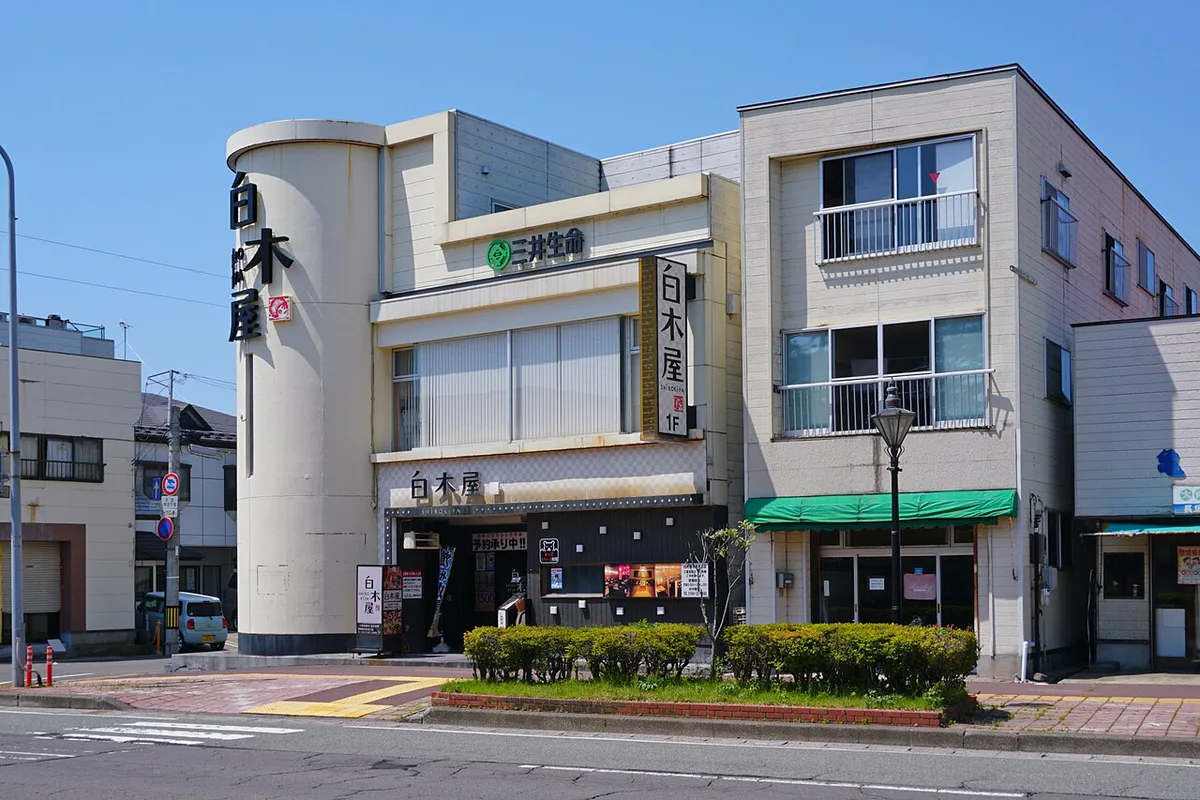
Regional Flavors Worth Tracking Down Beyond the List
Beyond sit-down restaurants, three regional flavors show up across Akita City menus and street stalls. Each pairs naturally with the restaurant picks above, and each has its own seasonal window worth planning around. Fit these in between restaurant stops rather than treating them as full meals on their own.
- Iburigakko
- These smoked daikon pickles turn up as a common izakaya snack across Akita City, often served sliced over cream cheese as a simple starter.
- Look for it on nabe-focused menus alongside Kiritanpo Nabe; Akita's smoked daikon pickles covers where the smoking tradition started and how it's made today.
- Hatahata (Sandfish)
- Hatahata is Akita Prefecture's official fish and shows up grilled, simmered into nabe, or fermented into shottsuru, a fish sauce used across regional cooking.
- Akita's sandfish dishes breaks down how shottsuru changes the flavor of a broth compared to standard soy-based dipping sauces found elsewhere in Japan.
- Babahera Ice Cream
- Street-side stalls sell rose-shaped scoops of Babahera ice cream from umbrella-covered carts, typically appearing once the warmer months set in.
- Check the best time to visit Akita before you travel, since stall availability tracks the season and can vary year to year.
Logistics: Hours, Reservations, and Language Support
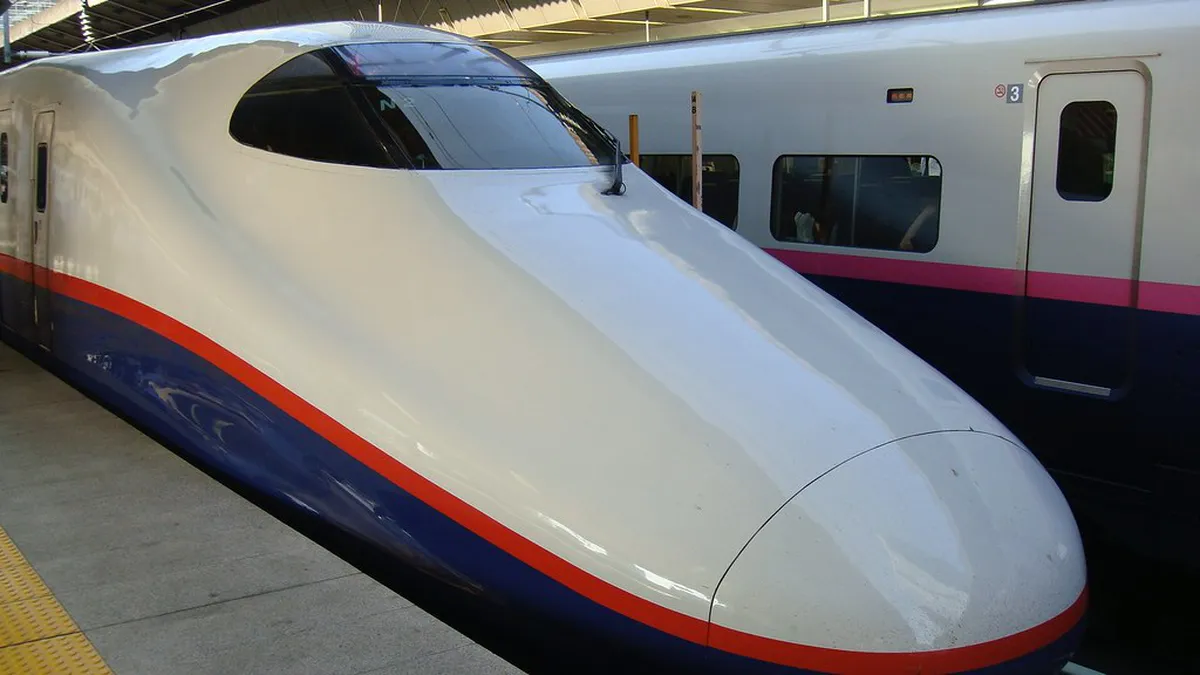
A few practical patterns repeat across Akita City dining, and knowing them avoids a wasted trip after How to Get to Akita from Tokyo: Shinkansen & JR Pass Guide. Local daylight hours also shrink in winter, pushing dinner service earlier than in bigger cities further south. Building slack into your schedule matters more here than in a larger city with later last orders.
Sapporo Kani Honke's weekday lunch runs 11:30am to 3:00pm, ending just as the city's widespread mid-day restaurant break begins (roughly 3:00pm to 5:00pm). This timing makes it a strategic lunch stop between sightseeing blocks.
- Opening Hours
- Many local spots close by 9:00pm to 10:00pm, earlier than many travelers expect from a city with a lively dinner scene.
- Some restaurants also take a mid-day break between roughly 3:00pm and 5:00pm, so a late lunch plan can run into a closed door.
- Reservations
- Kappo-style restaurants and crab specialists like Sapporo Kani Honke benefit from a reservation, especially for dinner during busier travel months.
- Station-area izakayas and casual yakiniku spots, including HORMONE BAR SAMOYED, tend to be walk-in friendly even on weekend nights.
- Language Support
- Ask before you sit down whether an English or photo menu is available; coverage varies quite a bit restaurant to restaurant.
- Station-area spots with steadier tourist traffic have better odds than a neighborhood izakaya like Ani Izakaya, which runs mostly on local regulars.
Which Akita City Restaurant Fits Your Trip?
Match the picks above to your trip style with this quick comparison. Prices below reflect the ranges noted for each restaurant; kappo-style and crab-focused stops run higher than the station-area izakayas. When in doubt, pair a station lunch with a Kawabata dinner, and build in time for the regional flavors above.
| Restaurant | Signature Dish | Price Range | Best For |
|---|---|---|---|
| Honke Abeya | Hinai Jidori oyako-don and skewers | ¥1,000–¥1,999 lunch; ¥5,000–¥5,999 dinner | Solo diners and first-timers wanting the signature chicken |
| Rojiura Kadaru | Individual Kiritanpo Hot Pot | ¥4,000–¥4,999 dinner | Solo travelers craving Kiritanpo Nabe |
| Sato Yosuke Honten | Inaniwa Udon | Budget-to-moderate, below the crab and kappo picks | A quick lunch or noodle purists |
| Ani Izakaya | Drinks with a vinyl soundtrack | Casual drink pricing | Small groups after dinner |
| HORMONE BAR SAMOYED | Yakiniku and horumon | Below the kappo-style picks | Groups and budget-conscious travelers |
| Sapporo Kani Honke | Multi-course crab dinners | Weekday lunch 11:30am–3:00pm value set; higher at dinner | Date night or a seafood splurge |
| Matsushita | Maiko Bento with a short performance | Check current pricing when you book | A cultural stop between sightseeing blocks |
How to Pair Akita Sake With Local Dishes
Akita restaurants often list sake by brewery or label rather than by flavor. Ask for a small glass before ordering a full carafe, especially when several people are sharing dishes.
- Pair Yuki no Bosha Junmai Ginjo with Kiritanpo Nabe. Its fragrant, clean profile suits the chicken broth without overwhelming the toasted rice.
- Try a dry Kariho sake with Sapporo Kani Honke’s crab courses or grilled Hatahata. The crisp finish balances seafood and salty shottsuru seasoning.
- Choose a fuller Taiheizan kimoto-style sake with Hinai Jidori skewers or oyako-don. Its richer character stands up to grilled skin and sweet-savory sauce.
Aramasa labels, including the No. 6 series, are highly sought after and may not be available every night. Ask whether the restaurant has an open bottle rather than planning a meal around it.
At an izakaya, request an “Akita jizake” recommendation and name your main dish. Station-area restaurants may provide clearer menu descriptions, while Kawabata bars often rely on staff suggestions.
Frequently Asked Questions
What's the best area to base a restaurant search in Akita City?
Akita Station's Ekimae area, especially the Topia and ALS complexes, offers faster and more walk-in-friendly options. Kawabata Dori holds the city's traditional izakaya row and stays open later into the night. Most short stays work well with a station lunch and a Kawabata dinner. Both areas sit within a short walk or taxi ride of most hotels in the city center.
Do restaurants in Akita City require reservations?
Kappo-style spots and crab specialists like Sapporo Kani Honke benefit from booking ahead, especially for dinner. Casual izakayas and yakiniku spots near the station, including HORMONE BAR SAMOYED, are typically walk-in friendly. Reserve earlier for Kiritanpo specialists such as Rojiura Kadaru during the autumn and winter peak. Walk-in options thin out fastest around peak dinner hours, so arriving by 6:30pm improves your odds.
What is Kiritanpo Nabe, and where should first-timers try it?
Kiritanpo Nabe is a hot pot built from mashed rice tubes and Hinai Jidori chicken. Rojiura Kadaru, a five-minute walk from Akita Station, serves an individual-portion version suited to solo diners. It runs best from autumn through winter, when the dish is most in season. Outside peak season, Sato Yosuke Honten's Inaniwa Udon makes a lighter alternative to a full nabe course.
Is English widely spoken at Akita City restaurants?
Coverage is mixed across the city. Ask before you sit down whether an English or photo menu is available. Station-area restaurants with steadier tourist traffic have better odds than a neighborhood izakaya like Ani Izakaya. Carrying a translation app is a reasonable backup for the spots that don't have one.
When can you find Babahera ice cream stalls in Akita City?
Street-side stalls with rose-shaped scoops typically appear during the warmer months. Availability tracks the season, so check current conditions close to your travel dates. Pair a scoop with a walk down Kawabata Dori before dinner. Kawabata Dori and the streets near Akita Station are reasonable places to look first.
Free guide: Japan's Hidden Gems
12 under-the-radar places beyond Tokyo & Kyoto — with the best season to visit each and a local tip you won't find in the guidebooks.
You might also like


Continue reading
More guides you'll find useful