

Kotohira Shrine Approach Sweets and Snacks
Discover the best Kotohira sweets and snacks to fuel your Konpira-san climb. From 700-year-old yuzu candy to udon-making classes, plan your food stops here.
On this page
Last updated August 2026, this guide breaks down Kotohira sweets and snacks along the Konpira-san approach so you know where to eat before, during, and after the climb. Along the Omotesando, a 785-step route climbs to Kotohiragu Shrine's main hall, passing candy shops, udon counters, and a 17th-century sake brewery. Three stops define a first visit: golden Kamiyo Ame candy, oiri-topped soft serve, and a bowl of Sanuki udon.
Kotohira Sweets and Snacks: The Big Three to Try First
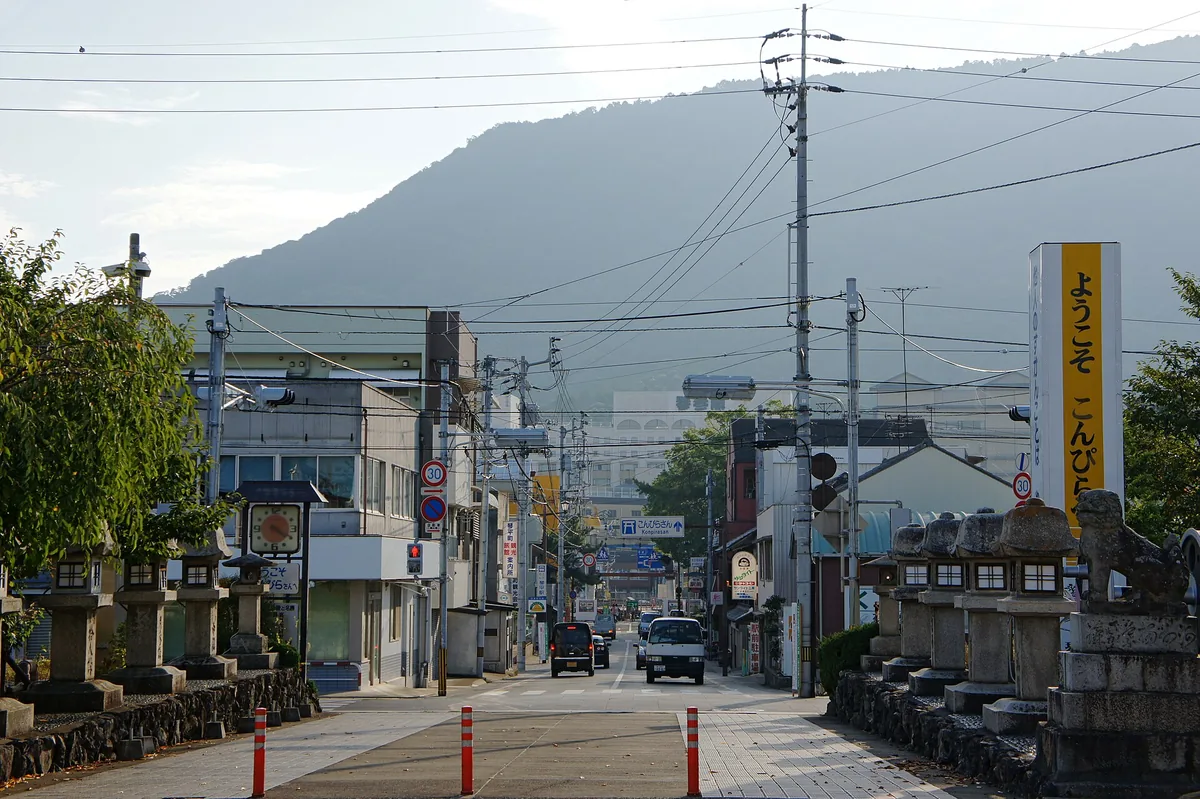
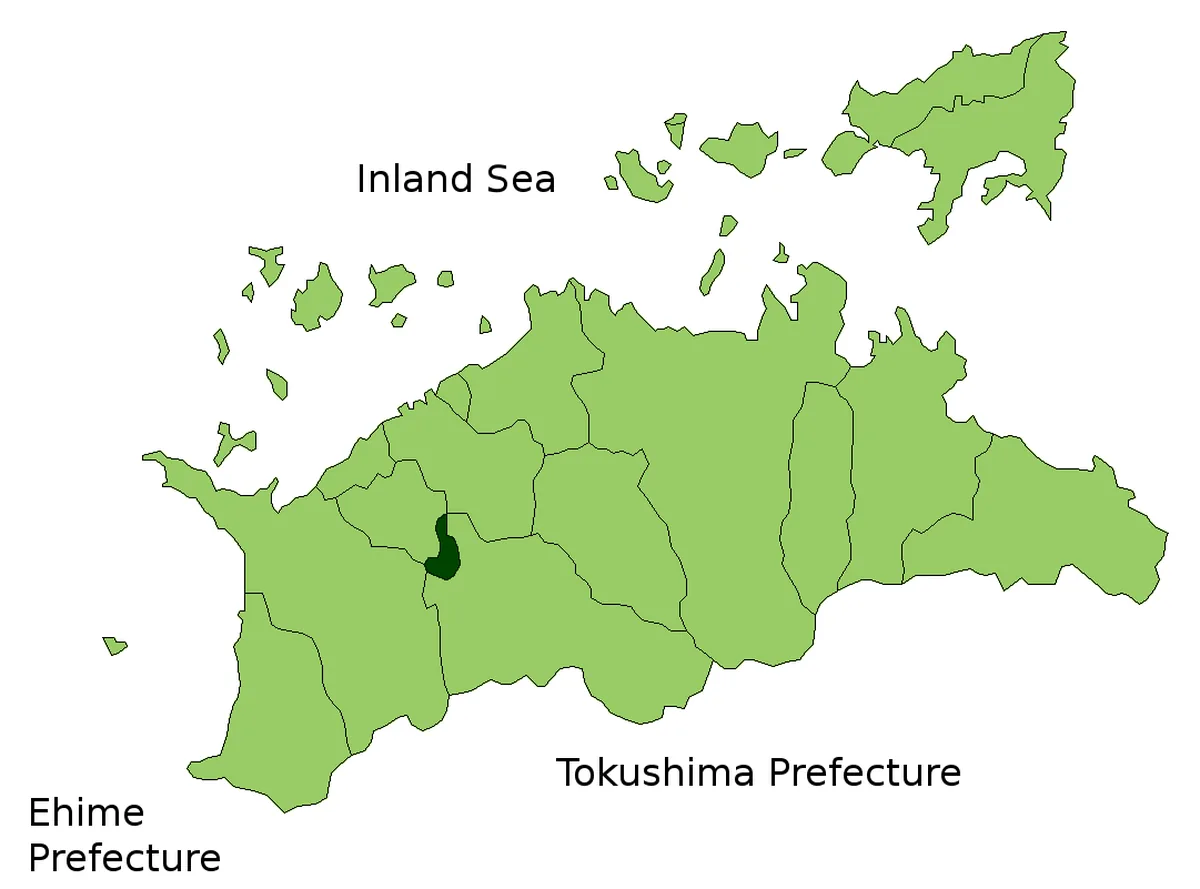
Kotohira sits at the base of Konpira-san, formally Kotohiragu Shrine, where centuries of pilgrims built a food culture around portable energy. Pilgrims have climbed to the shrine since the Edo period, and the food stalls along the way grew up to serve them. Kagawa Prefecture is Japan's udon country, and Kotohira adds a second layer: a shrine-town candy trade that predates the noodle shops. For a full rundown of where to eat beyond snacking, see the wider Kotohira food guide. Kamiyo Ame is the yuzu-flavored hard candy sold only by five historic families inside the shrine grounds. Oiri soft serve tops a cone with colorful traditional wedding rice crackers. Sanuki udon, the hand-cut noodle dish said to have originated in this town, rounds out the trio. Most shops cluster between Kotohira Station and the first 300 steps, so you don't need to commit to the full climb to sample them.
Steps, Timing, Costs, and Getting There
Kotohiragu Shrine sits at the top of a 785-step climb from the town below. Reaching the inner shrine, or Okusha, adds more ground, since the full round trip covers 1,368 steps. Most Omotesando shops open around 09:00 and start closing between 16:00 and 17:00. Shrine gates close at 18:00, so evening visits aren't possible. Round-trip visits to the main hall take about 1 hour 30 minutes. Budget closer to 2 hours 30 minutes if you continue on to the Okusha. That's the '17:00 rule': shop on the way up or during a rest break, not after your descent. Kotohira is reachable from Takamatsu Airport or from Okayama Station on the Sanyo Shinkansen. From Takamatsu, trains to JR Kotohira Station or Kotoden Kotohira Station take about an hour. From Okayama, the JR Seto-Ohashi Line runs directly into town. Street snacks generally run ¥300 to ¥600, workshops cost ¥1,500 to ¥2,500, and boxed souvenirs run ¥500 to ¥2,000. For step counts, gate hours, and the rest of the shrine climb, see the Kotohira attractions guide.
| Snack or Stop | Price | Portable? | Best For |
|---|---|---|---|
| Kamiyo Ame (5 pieces) | ¥463 | Yes, boxed | Souvenir or mid-climb treat |
| Oiri soft serve | ¥300–¥600 | No, eat on the spot | Photo break, kids |
| Udon-making class | ¥1,500–¥2,500 | Experience, not an item | Couples or groups |
| Wasanbon workshop / boxed sugar | ¥500–¥2,000 | Yes, boxed | Souvenir to pack home |
| Sanuki udon bowl | Priced per restaurant | No | Pre-climb fuel |
Energy Management: What to Eat Before, During, and After the Climb
Treat the walk to Kotohiragu Shrine like a short hike. Plan snacks around three phases: fuel before you start, motivation partway up, and a reward once you're back down. Kamiyo Ame works best mid-climb, since the box travels well and breaks into shareable pieces without melting.
Omotesando shops close between 16:00 and 17:00, which can trap the post-climb reward strategy if you start late. An afternoon climb that puts your descent after 16:30 leaves soft serve and dorayaki closed.
- Pre-climb: a bowl of Sanuki udon or a savory bite from a stall near the station
- Mid-climb: a box of Kamiyo Ame, easy to carry and break into pieces as you go
- Post-climb: oiri soft serve or Konpira dorayaki at Kotohira Terrace, plus the free foot bath at Shikishima-kan if your legs need a break
The Five Farmers and Kotohira's 700-Year-Old Candy
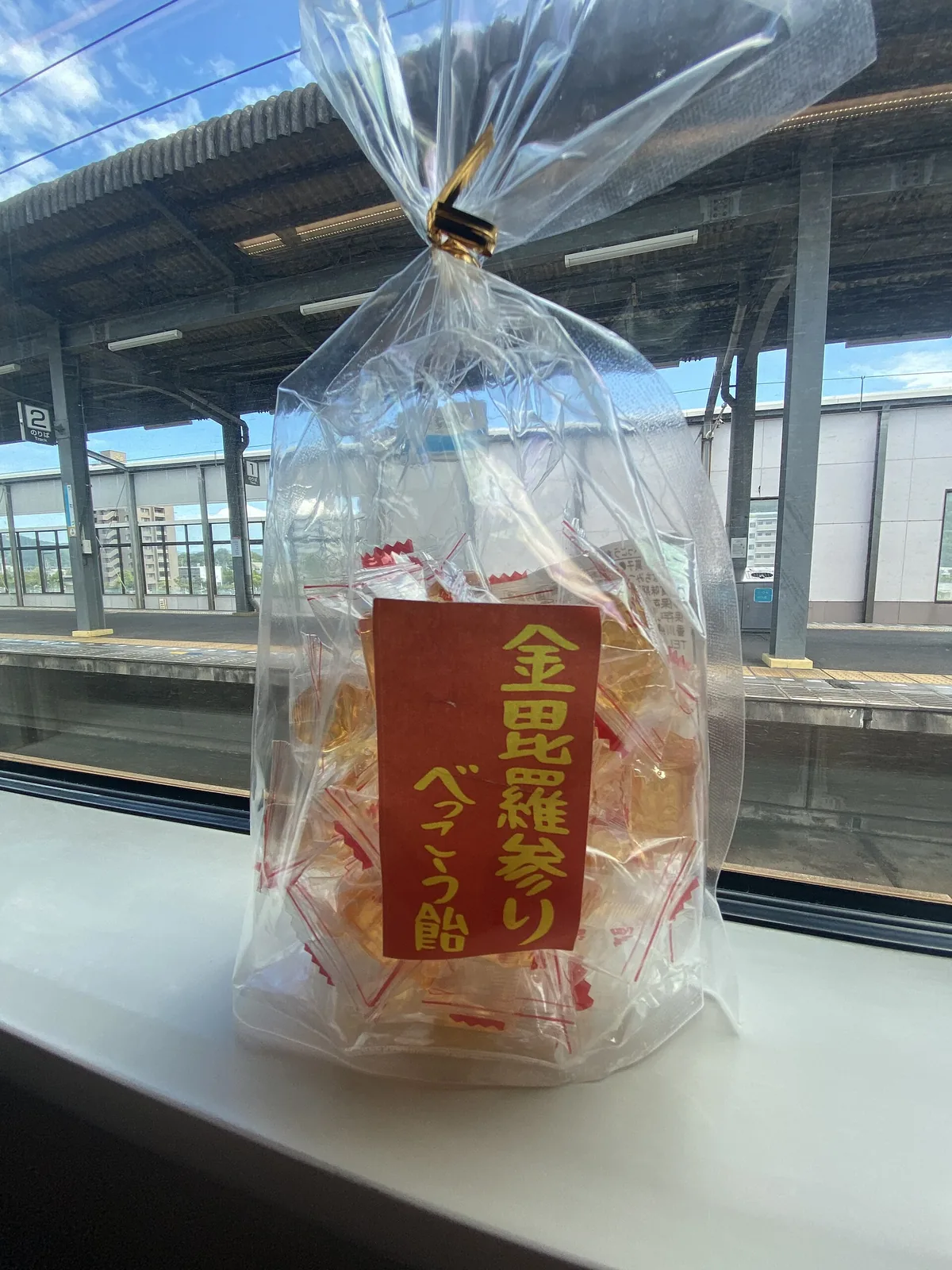
Only five families, known as Gonin Byakusho, have held the right to sell Kamiyo Ame inside Kotohiragu Shrine's grounds for generations. Ikeshouten, one of the five, traces its shop to 1245 and still sells the candy today. Kamiyo Ame itself is a hard, golden, yuzu-flavored candy that has been sold at the shrine for more than 700 years. Its glimmering gold color is meant to evoke the shrine itself, part of why it became the area's signature first souvenir. Vendors traditionally break it into shareable pieces with a small wooden hammer. The custom ties to osusowake, Japan's tradition of sharing good fortune with family who couldn't make the climb. The five families still take part in the shrine's Shinto rituals alongside their role as candy makers, a responsibility passed down for generations. A box of 5 pieces runs ¥463, 11 pieces cost ¥926, and 17 pieces cost ¥1,388, all excluding tax. Ikeshouten also runs a candy-making experience by advance phone reservation, plus a storytelling program that turns visitors into junior guides for the town. Its own café serves soft serve ice cream made with the candy, a second oiri-adjacent treat worth trying alongside Kotohira Terrace's version.
Make Your Own: Udon and Wasanbon Workshops
Nakano Udon School turns Sanuki udon into a hands-on class rather than just a meal. You mix and knead the dough, rest it, roll it out, cut it, and boil your own noodles. Expect the class to run around an hour, though published durations range from about 50 to 90 minutes. The session works well for families or groups, since instructors keep pace with music and everyone finishes together. Graduates take home a certificate, a secret recipe booklet, and a rolling pin. Same-day walk-ins are typically accepted, but confirm current booking policy before you go. Nakano Udon School sits an easy walk from Kotohira Station, on the same stretch as the Omotesando shops. See the Sanuki udon guide for more of the town's noodle scene. Nishiki-ya offers a second workshop: pressing Wasanbon sugar into antique wooden molds. Wasanbon has been part of Kagawa's culinary culture for more than 200 years. The finished candies are traditionally served alongside matcha. Expect the workshop fee to fall within the ¥1,500 to ¥2,500 range typical of Omotesando experiences.
Workshops take 50 to 90 minutes, and pairing this with the climb's 1 hour 30 minutes means nearly four hours of the day are gone. Buy souvenirs on the descent instead of delaying, since most shops close by 17:00.
- Nakano Udon School: dough to bowl in roughly 50–90 minutes, plus a certificate, recipe booklet, and rolling pin to take home
- Nishiki-ya: press Wasanbon sugar into antique wooden molds, then sample the candies with matcha
Oiri Soft Serve and Other Photo-Ready Treats
Kotohira Terrace, renovated in 2022, sells soft serve topped with oiri, the crunchy colored rice crackers traditionally scattered at Kagawa weddings for good luck. The soft serve itself is made with Wasanbon sugar, giving it a smoother, less-sweet finish than standard vanilla. Its counter also sells Konpira dorayaki filled with raw chocolate and fruit. Oiri-topped coffee is on the menu too, for a non-frozen option. Kotohira Terrace sits directly on the Omotesando, easy to reach on the way up or the way down. Expect a short wait during midday peak hours, especially on weekends.
Savory Stops: Udon, Sake, and Craft Beer
Konpira Udon's Sando branch has served noodles for more than 65 years from a building over 100 years old that's registered as a cultural property. Its shoyu udon, topped with a heavy layer of bonito flakes, is the shop's signature order. Kake udon, bukkake udon, and tempura sides like ebi-ten and toriten round out the menu, along with set meals. Set meals pair a bowl with seasoned rice, a filling option before the climb. Kinryo no Sato, a sake brewery founded in 1658, has produced the sacred sake used in Kotohiragu Shrine rituals since the Edo period. A free history museum sits beside a souvenir shop selling sake, sake-flavored snacks, ice cream, and small bottles sized for a suitcase. A tasting counter lets you sample varieties before you buy. Full brewing history and shrine ties appear in the Kinryo Sake Museum Travel Guide. Donzo Brewing, a craft beer taproom that opened in 2023, sits in the Shinmachi Shopping District next to the Omotesando. The taproom occupies a former pottery shop, and the original store's large lettering still hangs above the entrance. Kotohira Kölsch and Kotohira IPA pair with fried chicken made from local garlic. If you want something heartier than a snack, the region's grilled chicken-leg dish gets its own honetsukidori guide. For sit-down meals beyond the Omotesando stalls, check the lunch and restaurants guide.
Souvenirs Worth Packing Home
Several Omotesando shops sell items sturdy enough to survive a suitcase, not just a walk back to the hotel. Pack souvenirs last, after you've committed to how many steps you're climbing, since bags get heavy fast. Boxed souvenirs typically run ¥500 to ¥2,000, depending on size and packaging. Kamiyo Ame boxes travel especially well, since the candy is wrapped individually and doesn't melt in transit. Sake bottles from Kinryo no Sato come in small, flight-friendly sizes as well as full-size bottles for checked luggage. Kinryo no Sato's shop also stocks sake-flavored snacks and ice cream alongside the bottles, all sized for easy carrying.
- Kinryo sake in small, travel-sized bottles from the brewery's own shop
- Boxed Wasanbon sugar candies from Nishiki-ya
- Kamiyo Ame in 5-, 11-, or 17-piece boxes
- A recipe booklet and rolling pin from Nakano Udon School, if you took the class
Mistakes to Avoid on the Approach
Don't carry heavy souvenirs up all 785 steps. Buy them on the way down, or store bags in a coin locker near the station before you climb. Don't wait until after your descent to shop — most Omotesando storefronts are already closing by then. Watch the clock on trains and buses too. Lingering over coffee near closing time can mean missing the last connection back to Takamatsu or Okayama. Carry cash for small candy stores and workshop counters, which often prefer it over cards. Wear shoes with good grip, since the stone steps can get slick after rain.
How This Guide Was Verified
Food availability, access details, seasonal rules, and the time-sensitive claims in this guide were checked on August 22, 2026 against the official sources below. Independent restaurant menus, prices, opening days, and sell-outs can change, so confirm the operator's same-day notice before making a special trip.
Frequently Asked Questions
Are the steps to Kotohiragu Shrine difficult?
The stone steps are steep, though rest areas with benches appear at intervals. A restaurant near the 500th step is reachable by car, and travelers with disabilities can arrange vehicle access in advance.
What are current shop hours on the Omotesando?
Most shops open around 09:00 and begin closing between 16:00 and 17:00. Kotohiragu Shrine's gates close at 18:00, so plan your snack stops for daytime.
Does Nakano Udon School require a reservation?
Reservations are generally recommended, especially for groups. Same-day walk-ins have typically been accepted, but confirm current availability and booking policy directly before your visit.
How much time should you budget for the climb and snacking?
A round trip to the main hall takes about 1 hour 30 minutes. Add stops for candy, soft serve, or a workshop, and budget closer to 2 hours 30 minutes if you're continuing to the Okusha inner shrine.
Is English signage available on the approach?
Prices are usually displayed with numerals you can read without Japanese. Full English menus aren't guaranteed everywhere, so it helps to know the names of the Big Three snacks before you go.
What's the best order to eat your way up and down the approach?
Fuel up with udon or a savory bite near the base before you start climbing. Save Kamiyo Ame for a mid-climb energy boost, since the boxed candy travels well in a bag. Treat oiri soft serve or dorayaki at Kotohira Terrace as the reward once you're back at the bottom.
Can you buy Kamiyo Ame anywhere besides the shrine grounds?
Kamiyo Ame is sold only by the five Gonin Byakusho families, whose shops line the approach to the shrine gate. Ikeshouten is one of them, and the candy itself isn't stocked at general souvenir stores.
Free guide: Japan's Hidden Gems
12 under-the-radar places beyond Tokyo & Kyoto — with the best season to visit each and a local tip you won't find in the guidebooks.
You might also like


Continue reading
More guides you'll find useful


