

Hodosan Shrine is a historic Shinto shrine in Nagatoro, on the northern side of the Chichibu area. For 2026 visitors, it works best as a half-day attraction that combines shrine architecture, Mount Hodosan views, a short ropeway ride, and easy add-ons such as Nagatoro Gorge.
The main shrine complex sits near the lower part of Mount Hodosan, while the inner shrine is near the summit. You can keep the visit gentle by using the Hodosan Ropeway, or make it more active by walking part of the mountain route. Either way, allow enough time for the shrine grounds instead of treating the ropeway as the whole destination.
This Hodosan Shrine visitor guide focuses on practical choices: how to get there, when to arrive, what costs to expect, how to visit respectfully, and which nearby Chichibu attractions pair well with the shrine.
Must-See Hodosan Attractions
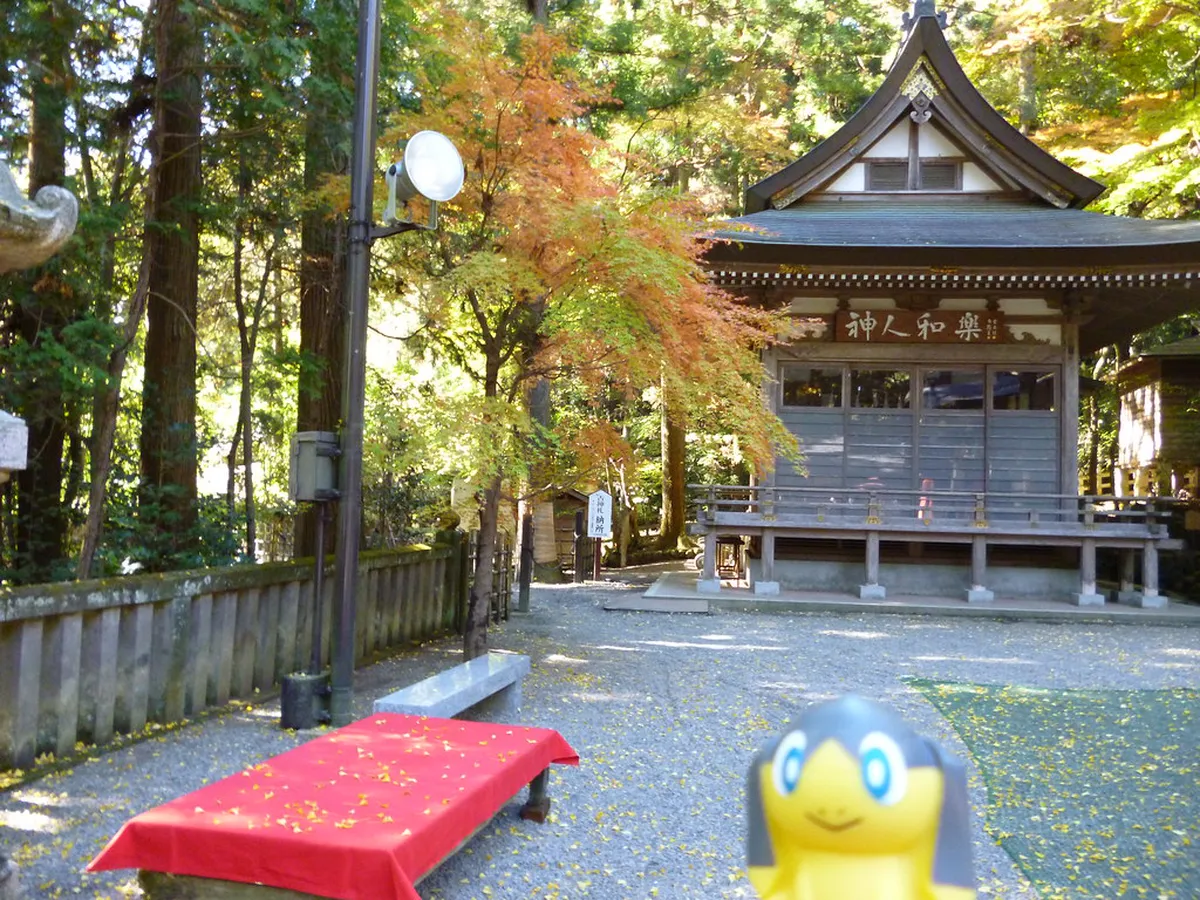
Start at the main shrine buildings, where the worship hall, carvings, and bright decorative details give the visit its strongest cultural focus. Hodosan Shrine is associated with fire protection and mountain worship, and wolf imagery appears around the grounds as a reminder of the shrine's origin legend.
The second essential stop is the Hodosan Ropeway. The ride to the summit area takes about 5 minutes and is the easiest way to reach the inner shrine and seasonal flower areas without committing to a full hike. The posted visitor basics for this page remain: Grounds 24h; ropeway 09:40–17:00. Confirm operating hours with the Nagatoromachi Tourist Association before a tight itinerary, especially in winter or around holidays.
At the summit, choose your pace. Visitors short on time can walk to the inner shrine, enjoy the view, and return by ropeway. Families can add the small zoo and flower garden. Hikers can use the summit as part of a longer Mount Hodosan outing, but should still plan footwear and daylight carefully.
Museums, Art, and Culture in Hodosan
Hodosan Shrine itself is the main cultural stop. Look closely at the decorated shrine buildings before moving on to the ropeway; this is where the attraction feels most distinct from a simple mountain viewpoint. The carvings, prayer areas, torii gates, and purification basin are all part of the visitor experience.
Nagatoro adds a small-town cultural layer around the shrine visit. Local shops near the station and approach roads are useful for snacks, souvenirs, and a slower break between the shrine and gorge. For broader Chichibu context, use the Chichibu travel guide to decide whether to add another shrine, park, or town stop.
If your 2026 dates overlap with local festivals, check official tourism calendars before arrival. Festival days can make the area more atmospheric, but they also change crowd levels, parking pressure, and train timing.
Parks, Gardens, and Outdoor Spots in Hodosan
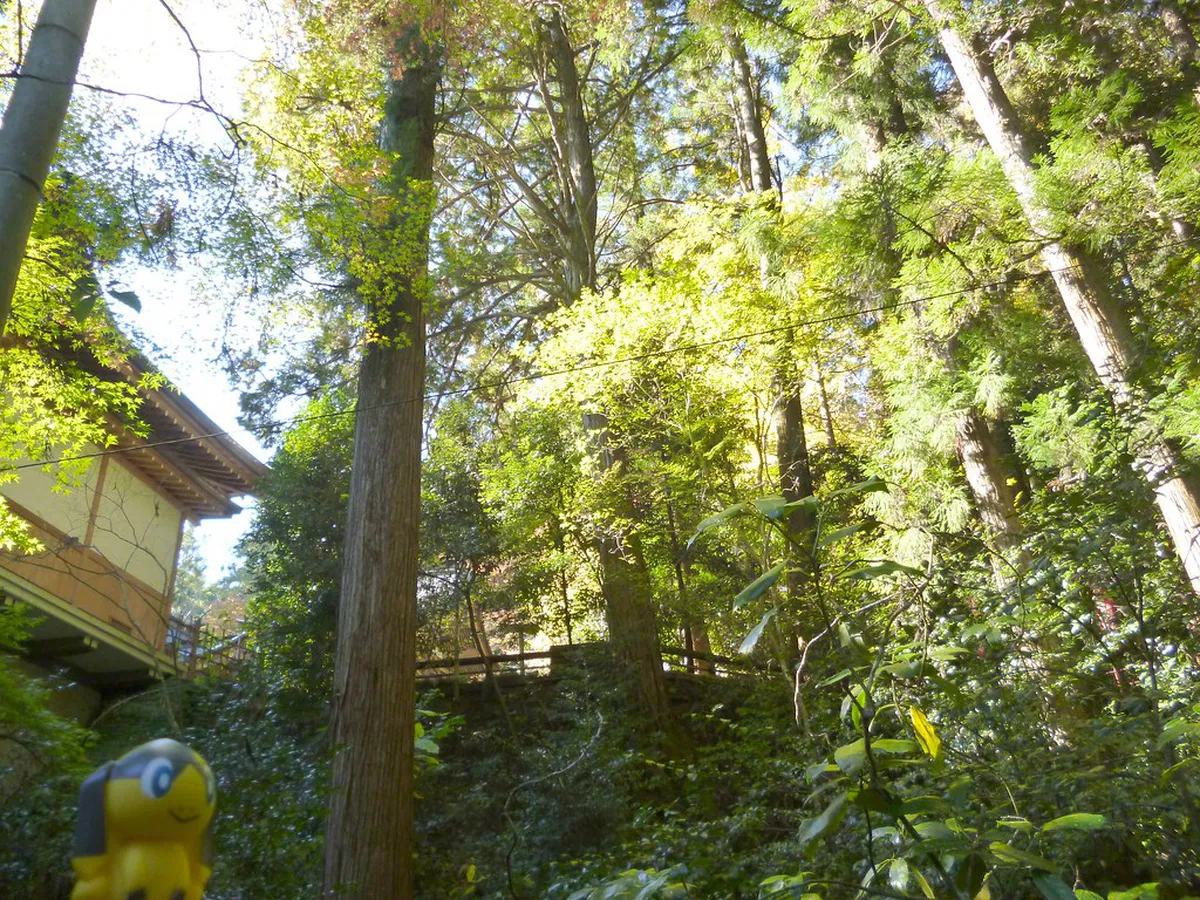
Mount Hodosan is strongest for visitors who want a light nature day rather than a strenuous mountain trip. Seasonal flowers, clear summit air, and short walking routes make it easy to adjust the visit for weather, energy, and group size.
Use this simple 2026 timing guide: winter is known for crisp air and seasonal blossoms around the mountain, spring brings softer flower scenery, summer is greener but hotter, and autumn is the best fit for foliage-focused walkers. Bring a light outer layer outside summer because the summit can feel cooler than Nagatoro Station.
Nagatoro Gorge is the easiest outdoor pairing. It offers river scenery and rock formations within the same local area, so it makes sense if you want a fuller day without changing towns. Learn more about Nagatoro Gorge here.
Family-Friendly and Budget-Friendly Options in Hodosan
Hodosan Shrine is budget-friendly because the shrine grounds are free to enter. The cost decision is the ropeway: Free; ropeway ~¥840. Families with young children, older travelers, or anyone short on daylight will usually find the ropeway worth it because it turns the summit visit into an easy add-on.
For families, the best route is shrine first, ropeway second, summit walk third. Children often enjoy the gondola ride, the wolf guardian details, and the small zoo near the summit. Keep snacks and water handy because food options can be limited once you move away from Nagatoro Station.
If you want to keep costs low, skip paid extras and focus on the shrine, short walks, and station-area browsing. If you want a second family-friendly Chichibu stop on another day, compare it with Hitsujiyama Park, which is better for broad open views and seasonal flower planning.
How to Plan a Smooth Hodosan Attractions Day
Arrive in the morning if Hodosan Shrine is your main attraction. A practical order is Nagatoro Station, shrine approach, main shrine, ropeway lower station, summit area, inner shrine, then Nagatoro Gorge if time remains. This keeps the cultural stop first, before afternoon fatigue or weather changes.
Getting to Nagatoro Station is straightforward from major Tokyo hubs. Take the train to Nagatoro Station on the Chichibu Main Line. It takes about 1 hour 40 minutes from Ikebukuro or 1 hour 50 minutes from Ueno. Check schedules for the Seibu-Ikebukuro, Tobu Tojo, or JR lines, because transfers matter more than distance on this route. For more Chichibu travel tips, visit the Chichibu destination guide.
- Best fit: travelers who want shrine culture plus an easy mountain viewpoint.
- Best time of day: morning to early afternoon, especially on weekends and holidays.
- Allow: about 2 to 3 hours for shrine plus ropeway, longer if adding Nagatoro Gorge.
- Bring: comfortable shoes, water, coins for shrine offerings, and a light layer outside summer.
Chichibu Area Tourism Organization
Use local tourism sources when your plan depends on the ropeway, flower timing, festivals, or weather-sensitive walking routes. Hodosan Shrine is easy to visit independently, but the best version of the day depends on small timing details.
The Chichibu Area Tourism Organization and Nagatoro tourism resources are most useful for maps, event dates, station-area information, and seasonal notices. Check them before finalizing a 2026 weekend trip, when local events can make trains, parking, and restaurants busier than usual.
For general travel safety and official visitor information across Japan, the Japan Tourism Agency is a useful reference. For Hodosan-specific decisions, prioritize local Nagatoro and Chichibu sources.
Purify Thyself Before Visiting a Shrine
Before entering the main shrine area, pause at the temizuya purification basin. The ritual is simple, quiet, and respectful; it also helps first-time visitors slow down before approaching the worship hall.
Use the ladle to rinse your left hand, then your right hand. Pour a little water into your left hand to rinse your mouth, without touching the ladle to your lips. Finally, tilt the ladle upright so water rinses the handle before returning it. If the basin has posted instructions, follow the local signs.
This is one of the easiest ways to make the shrine visit feel more meaningful without overcomplicating etiquette. For another Chichibu shrine experience, compare Hodosan with the Chichibu Shrine guide.
Torii’s Demarcate Consecrated Ground
A torii gate marks the transition into sacred space. At Hodosan Shrine, treat the gate as the start of the shrine visit rather than just a photo spot. A small bow before passing through is appropriate.
Walk slightly to the side instead of directly down the center line, which is traditionally reserved for the deities. This matters most when the approach is not crowded; on busy days, move naturally and avoid blocking other visitors.
The torii, main approach, and mountain setting are part of the same experience. Take photos from the side when possible, keep voices low near prayer areas, and avoid standing in the flow of people who are there to worship.
Before Leaving a Shinto Shrine
Before leaving, step out of the main flow of visitors and take a final look back toward the shrine. A short bow after passing back through the torii is a respectful way to close the visit.
If you buy an omamori charm or draw an omikuji fortune, treat it as part of the shrine experience rather than a casual souvenir stop. Keep purchased charms clean, and tie unfavorable fortune slips only where the shrine provides a proper place.
After the shrine, choose your next stop based on energy and daylight. Nagatoro Gorge is the practical nearby nature add-on, Chichibu Shrine is the cultural comparison, and Mitsumine Shrine is better saved for a separate mountain-focused itinerary. For a wider pilgrimage context beyond Chichibu, see the Shikoku 88 Temple Pilgrimage.
Frequently Asked Questions
How do I respectfully visit a Shinto shrine?
To visit respectfully, bow before entering a torii gate and use the temizuya for purification. Walk to the side of the central path, which is reserved for deities. Be quiet and observant of your surroundings. Remember to bow again when leaving the shrine grounds. Observing these customs shows proper reverence.
What is Mount Hodosan?
Mount Hodosan is a mountain in the Chichibu region, known for its scenic beauty and the historic Hodosan Shrine. It offers hiking trails, a ropeway to the summit, and beautiful flower gardens. The mountain provides a tranquil escape and stunning views. It is a popular destination for nature lovers and cultural explorers.
How to pray at a shrine?
The general method for prayer involves bowing twice, clapping your hands twice, offering your prayer, and then bowing once more. Toss a coin into the offering box before you begin. This sequence is a common practice at many Shinto shrines. Specific shrines might have slight variations, so observe others if unsure.
Are there useful Japanese phrases for visitors?
Learning a few basic Japanese phrases can greatly enhance your visit. "Konnichiwa" (hello), "Arigato gozaimasu" (thank you), and "Sumimasen" (excuse me/sorry) are very useful. "Eigo ga hanasemasu ka?" (Do you speak English?) can also be helpful. Locals appreciate the effort. These phrases can make interactions smoother.
Hodosan Shrine is most rewarding when planned as both a shrine visit and a Mount Hodosan outing. In 2026, the strongest itinerary is simple: arrive via Nagatoro Station, visit the main shrine carefully, use the ropeway if it fits your budget and schedule, then add the summit inner shrine or Nagatoro Gorge depending on time.
Keep the basics clear before you go: the shrine grounds are free, the ropeway is the main paid decision, and morning timing gives you the best chance of a calm visit. With respectful etiquette and realistic pacing, Hodosan Shrine is one of the easiest Chichibu attractions to turn into a satisfying half-day trip.
To verify current details, consult the Hodosan Shrine on Wikipedia and Hodosan Shrine official site.