Best Time To Visit Tokushima Travel Guide
Plan the best time to visit Tokushima with season-by-season weather, Awa Odori timing, crowd levels, and practical packing tips for every month.
On this page
The best time to visit Tokushima is April to May for cherry blossoms and mild weather, or mid-August for the Awa Odori dance festival. Last updated July 2026, this guide reflects current seasonal patterns and confirmed 2026 event dates. Shoulder seasons in late April and mid-October offer the best balance of comfort, cost, and crowd levels.
Tokushima sits on the eastern coast of Shikoku, Japan's fourth-largest island, and sees hot humid summers and mild winters. The city is best known for the Awa Odori festival, Japan's largest bon-odori celebration, drawing over one million visitors each August. Understanding the seasonal rhythm helps travelers avoid typhoon disruptions, heavy rains, and sold-out accommodation.
Tokushima Season Comparison
Good to know
Plan your visit to Tokushima with these useful official and local resources:
Spring (March to May) brings temperatures of 12–22°C / 54–72°F, making it ideal for hiking and city sightseeing. Cherry blossoms peak at Mount Bizan in late March to early April, drawing moderate crowds. The Ohenro pilgrimage season also begins in spring, as walkers set out on the 1,200 km Shikoku 88 Temple circuit.
Summer (June to August) is hot and humid, with temperatures reaching 26–34°C / 79–93°F. Typhoon risk rises from July, peaking in August and September, which can disrupt travel on short notice. Autumn (October to November) sees temperatures settle at 15–25°C / 59–77°F and delivers the quietest, most affordable travel window after summer.
Winter (December to February) averages 5–12°C / 41–54°F with little snow in the city itself. Crowds are minimal and accommodation prices drop noticeably compared to peak summer rates. The Otsuka Museum of Art stays open year-round and is an excellent option during cold or rainy days.
| Season | Months | Temp | Crowds | Best For |
|---|---|---|---|---|
| Spring | Mar–May | 12–22°C / 54–72°F | Moderate | Blossoms, Ohenro, hiking |
| Summer | Jun–Aug | 26–34°C / 79–93°F | Peak in Aug | Awa Odori festival |
| Autumn | Sep–Nov | 15–25°C / 59–77°F | Low | Iya foliage, Naruto tides |
| Winter | Dec–Feb | 5–12°C / 41–54°F | Very low | Budget travel, museums |
Which Season Is Right for You?
Most visitors do best in April to May or October, when weather is comfortable and all major attractions are fully open. For Awa Odori, book accommodation in Tokushima six to twelve months in advance. Rooms sell out by February for mid-August dates, particularly near the festival grounds.
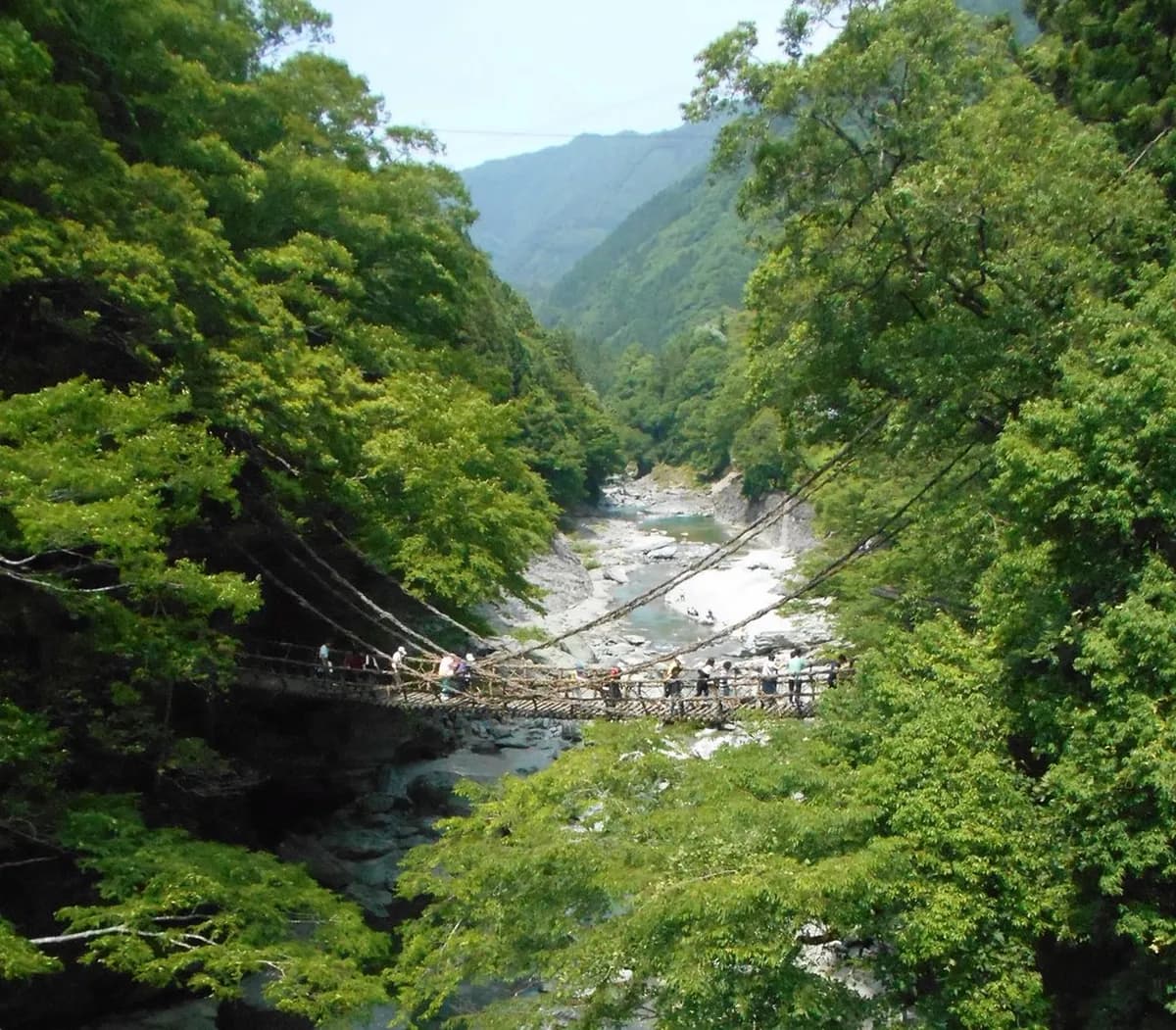
Autumn is the ideal season for the Iya Valley, where Shikoku's mountain valleys turn vivid red and gold from late October. Winter visitors find uncrowded trails and museums, though some rural ryokan in the Iya region close from December to March. Travelers sensitive to heat and humidity should avoid July and August, when outdoor sightseeing becomes exhausting by midday.
- Pick April to May if you want
- Cherry blossoms and mild hiking temperatures
- Pick mid-August if you want
- The full Awa Odori festival atmosphere
- Pick October if you want
- Iya Valley autumn colour and fewer tourists
- Pick December to February if you want
- Lower prices and very uncrowded sights
What to Pack for Tokushima
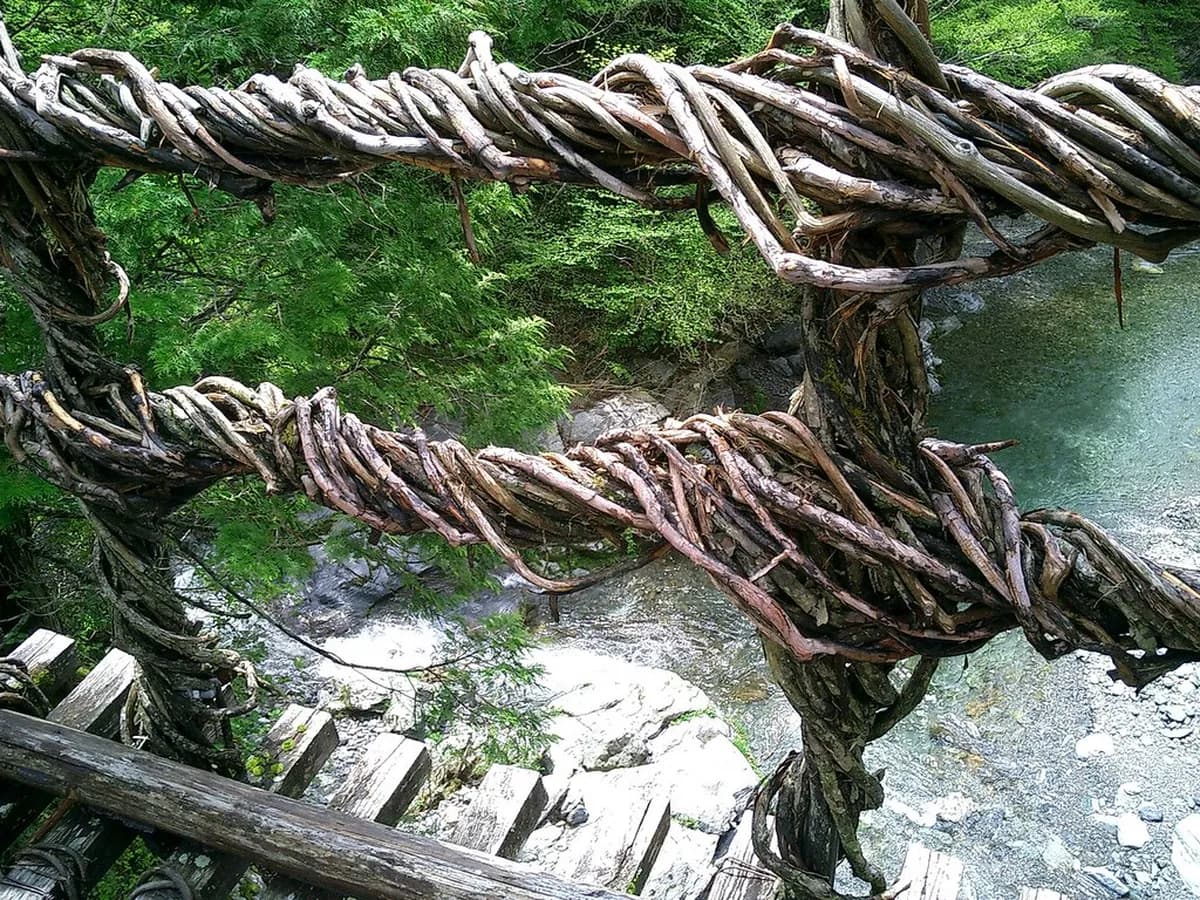
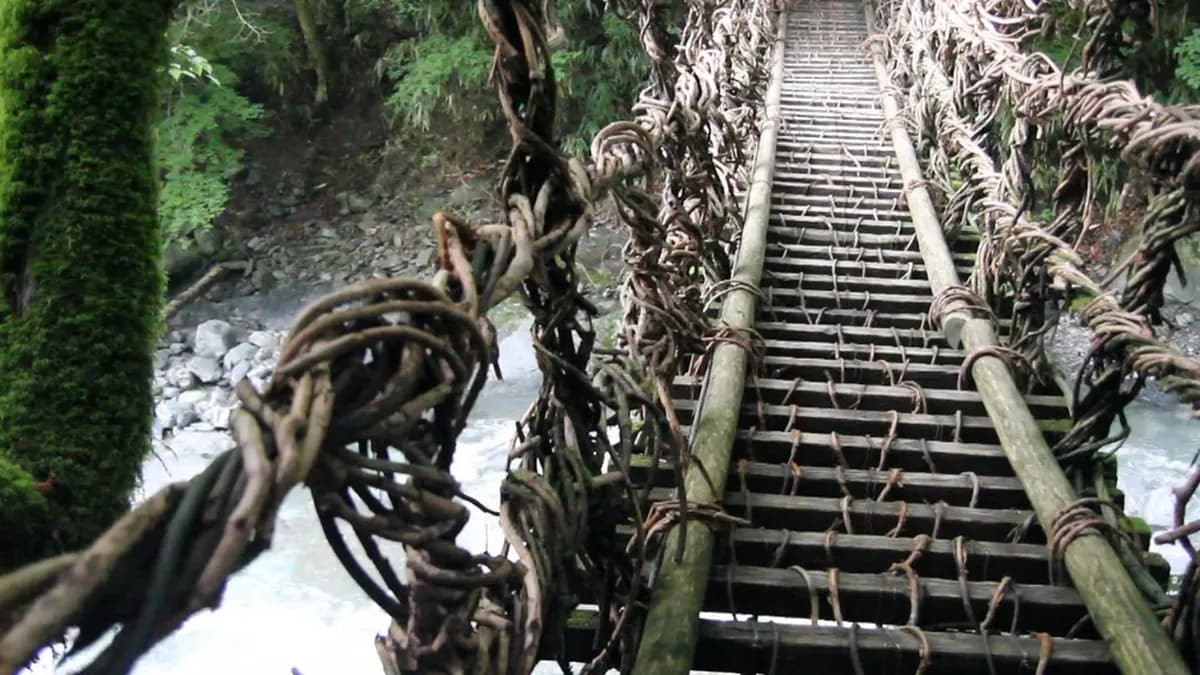
Packing for Tokushima depends on the season, as the climate ranges from cool spring mornings to sweltering August afternoons. Comfortable walking shoes are essential year-round for the Bizan Ropeway trail and the Iya Valley vine bridges. A compact umbrella is useful in any season, as Tokushima receives heavy rainfall even outside typhoon season.
What's Closed in Low Season: some rural guesthouses and tea shops near the Iya vine bridges close from late November to early March. The Bizan Ropeway operates year-round, but check schedules ahead for winter maintenance windows. Most Naruto whirlpool boat tours run year-round, though typhoon swells occasionally cause August and September cancellations.
- Spring (March–May)
- Light layers and a compact umbrella
- Summer (June–August)
- Lightweight clothes and strong sun protection
- Autumn (September–November)
- A mid-layer jacket for cool evenings
- Winter (December–February)
- Warm coat and thermal base layers
Tokushima Events Calendar and Weather Watch
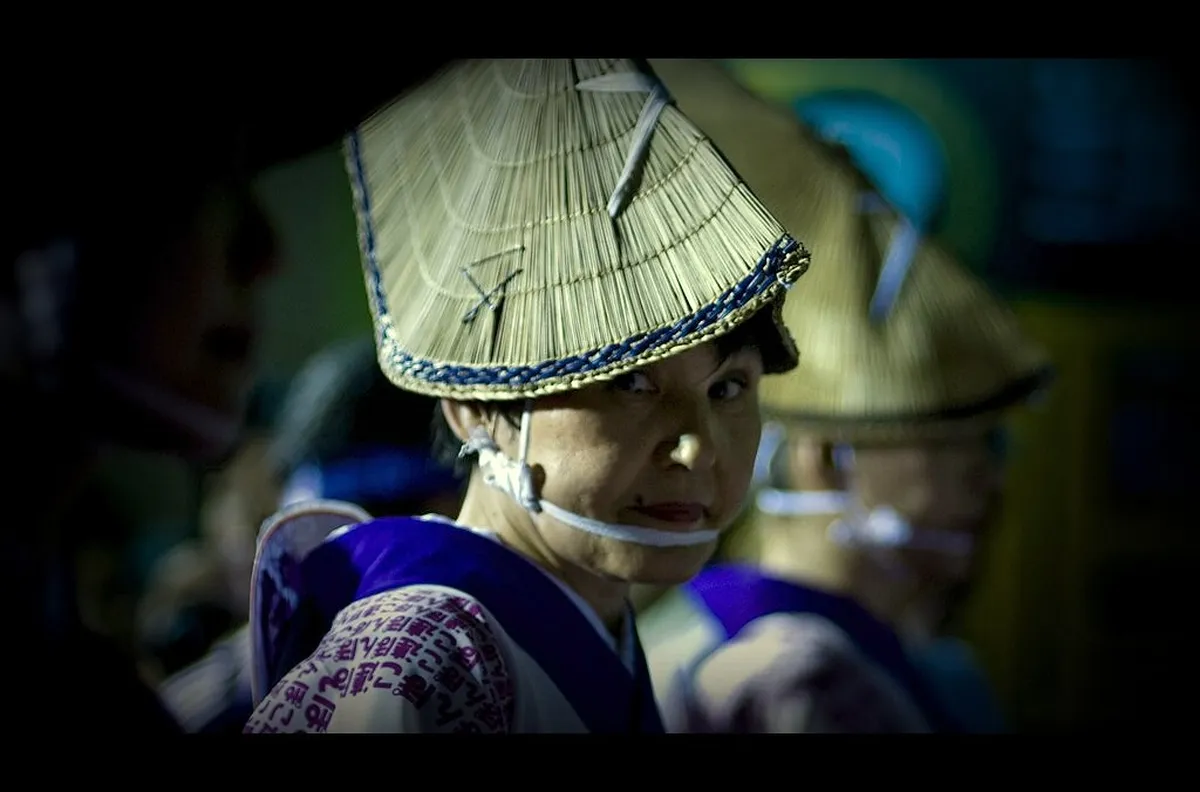
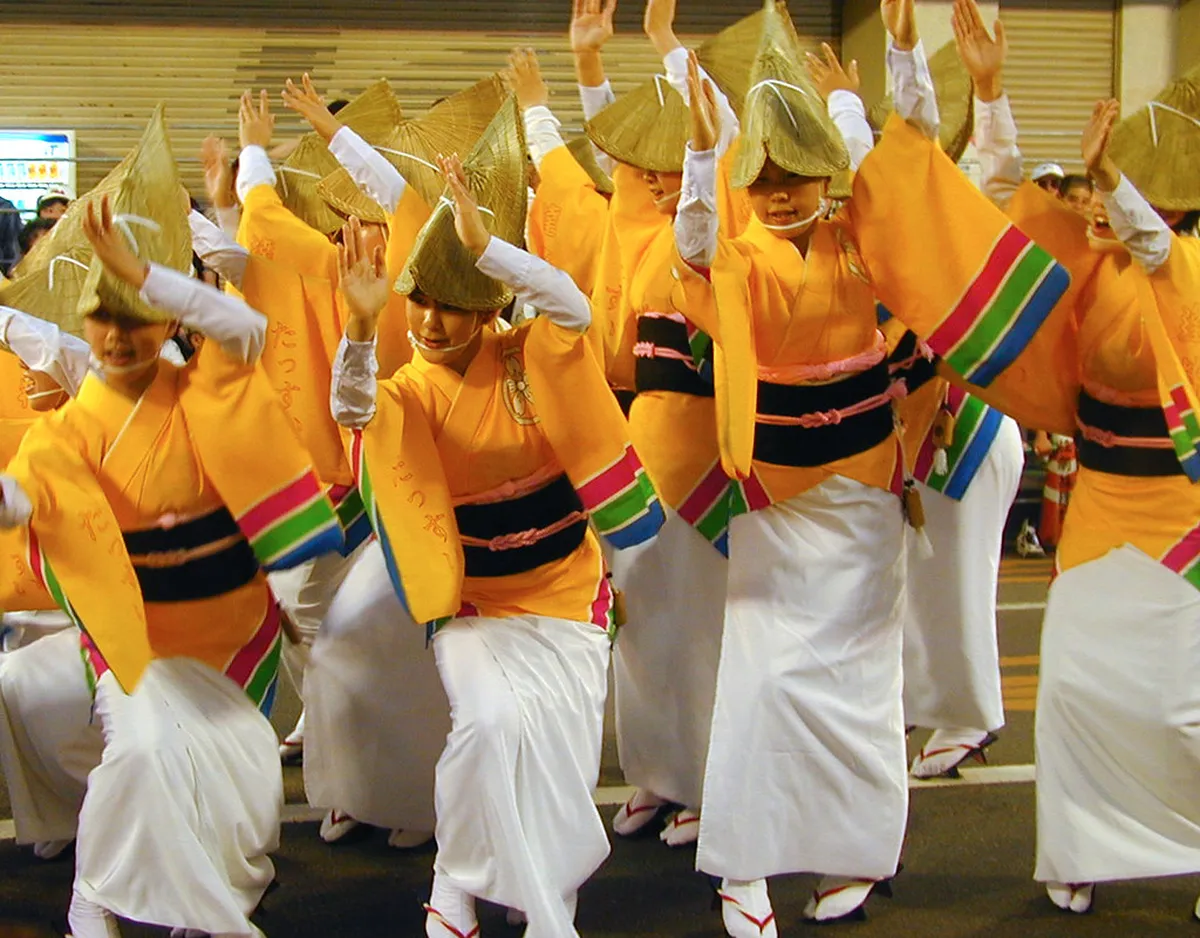
Awa Odori runs August 12–15 each year and is Japan's largest bon-odori celebration, with free street dances and ticketed grandstand events. Spring tides in April and October create the most dramatic Naruto whirlpools, per Naruto-Tourism.jp, reaching up to 20 metres in diameter. The Yoshino River firefly season in late May to early June is a quieter local highlight that sees fewer international visitors.
Typhoon season runs officially from June through October, with the highest risk concentrated in August and September. Most storms track along Shikoku's Pacific coast, leaving Tokushima more exposed than inland destinations on the island. Book flexible transport tickets when traveling in typhoon season, as detailed in the Tokushima transport guide.
Month-by-Month Quick Guide to Tokushima
If you are weighing exact dates, this short month-by-month guide covers what to expect across the year so you can match your trip to the weather and the events that matter most in Tokushima.
March to May is one of the best windows. Cherry blossom reaches Mount Bizan and the castle park in late March and early April, temperatures sit in a comfortable 12–22°C range, and the humidity that defines the Japanese summer has not yet arrived. Rainfall picks up as the plum rains approach in June, so aim for the first half of spring.
June to August brings heat, humidity, and the region's single biggest event. The rainy season runs through June into mid-July, after which the weather turns hot and sticky, often above 30°C. Everything is forgiven in mid-August, when the Awa Odori dance festival takes over Tokushima City from the 12th to the 15th and the prefecture is at its most electric — but you must book accommodation months in advance and expect premium prices.
September to November starts with a lingering typhoon risk in September, then settles into some of the finest travelling weather of the year. October and November bring clear skies, mild days, and vivid autumn colour to the Iya Valley's gorges, making it the ideal time for the mountainous western half of the prefecture.
December to February is quiet, cool, and cheap. Coastal Tokushima rarely sees snow and daytime temperatures hover around 8–12°C, so with a warm layer it is a perfectly comfortable time to see the whirlpools and city sights without any crowds at all.
Frequently Asked Questions
Is Tokushima worth visiting outside of Awa Odori?
Yes, Tokushima offers compelling year-round appeal. The Naruto whirlpools, Iya Valley vine bridges, and Otsuka Museum of Art are rewarding in any season. Spring and autumn are arguably the most enjoyable times for sightseeing without festival crowds. See Tokushima's top attractions for a full overview.
How many days do you need in Tokushima?
Two to three days covers the main highlights: Naruto, Mount Bizan, and the city centre. Adding the Iya Valley requires at least one extra day due to driving distances. Most visitors find three days gives enough time without feeling rushed.
What is the weather like in Tokushima in August?
August in Tokushima is hot and humid, with average highs of 32–34°C / 90–93°F and significant rainfall. Typhoon risk is elevated throughout the month. Awa Odori runs August 12–15 and draws over one million visitors, so accommodation books out months in advance.
April to May and mid-October stand out as the most balanced times to visit Tokushima for most travelers. Mid-August is unmissable for Awa Odori, but requires early booking and a typhoon contingency plan. For current event dates and transport links, Japan's official Tokushima guide is the most reliable reference.
Free guide: Japan's Hidden Gems
12 under-the-radar places beyond Tokyo & Kyoto — with the best season to visit each and a local tip you won't find in the guidebooks.
You might also like

Continue reading
More guides you'll find useful