Oboke Gorge: A Complete Travel Guide
Plan your visit to Oboke Gorge in Tokushima with boat cruise times, ticket prices, transport tips, and Iya Valley connections for a smooth day trip.
On this page
Oboke Gorge cuts through the mountain interior of Tokushima Prefecture, where the Yoshino River has carved steep cliffs over roughly 40 million years. The gorge serves as both a dramatic natural attraction and the main gateway into the remote Iya Valley. Visitors arrive at Oboke Station on the JR Dosan Line and then fan out on foot, by local bus, or aboard a sightseeing pleasure boat.
The area's name is believed to derive from a Japanese phrase meaning 'dangerous to walk,' a nod to the rugged terrain that once isolated these mountain communities. Today, a paved riverside road and a popular boat cruise make the gorge accessible even without a car, though renting one unlocks far more of the valley beyond.
The Oboke Pleasure Boat Cruise
Good to know
Plan your visit to Iya Valley with these useful official and local resources:
The Oboke Pleasure Boat Cruise is the most popular way to see the gorge's jade-green water from river level. Boats depart from the Oboke Yuransen terminal roughly every 20 to 30 minutes, running daily from 9am to 5pm. Each ride lasts about 30 minutes and drifts past layered crystalline schist formations that shift between blue-grey and rust-red depending on the light.
Tickets cost 1,080 yen for adults and 540 yen for children, placing it among the more affordable scenic boat rides in western Japan. The onboard commentary is in Japanese, but the visual spectacle of the canyon walls needs no translation. The river reaches only about four meters in depth, yet the water stays clear enough to spot pale stones and fish on the riverbed below.
Spring and autumn draw the largest crowds, when cherry blossoms or scarlet maples frame the stone cliffs above the waterline. Weekday mornings before 11am tend to offer shorter wait times and a calmer atmosphere on the water. After the cruise, walking back to Oboke Station takes roughly 20 minutes along the riverside road.
- Departure point and opening hours
- Boats leave from Oboke Yuransen terminal daily between 9am and 5pm.
- The terminal sits a short walk downstream from Oboke Station along the river road.
- Ticket prices for the cruise
- Adults pay 1,080 yen per person for the 30-minute river ride.
- Children travel at half price, paying 540 yen per ticket at the terminal.
- Best time to visit for fewer crowds
- Weekday mornings offer shorter queues and a quieter experience on the water.
- Spring cherry blossoms and autumn foliage both frame the gorge cliffs beautifully.
A 40-Million-Year-Old Landscape
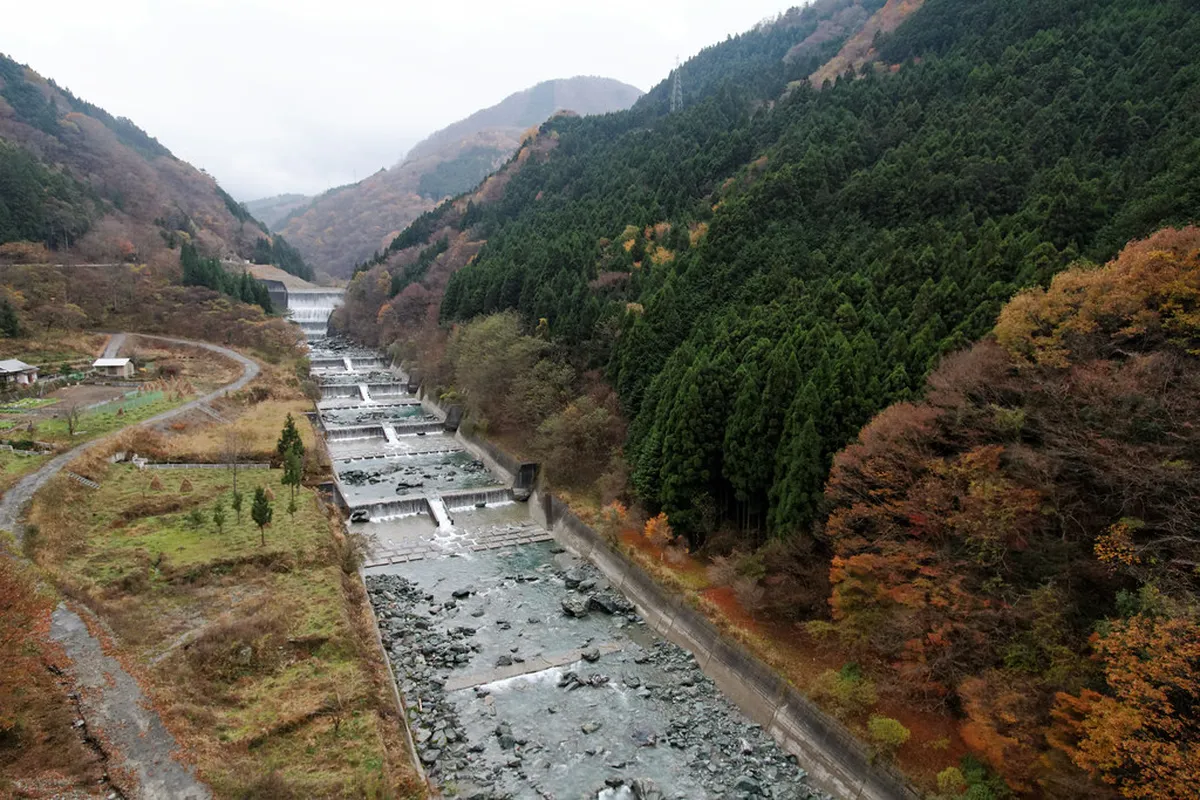
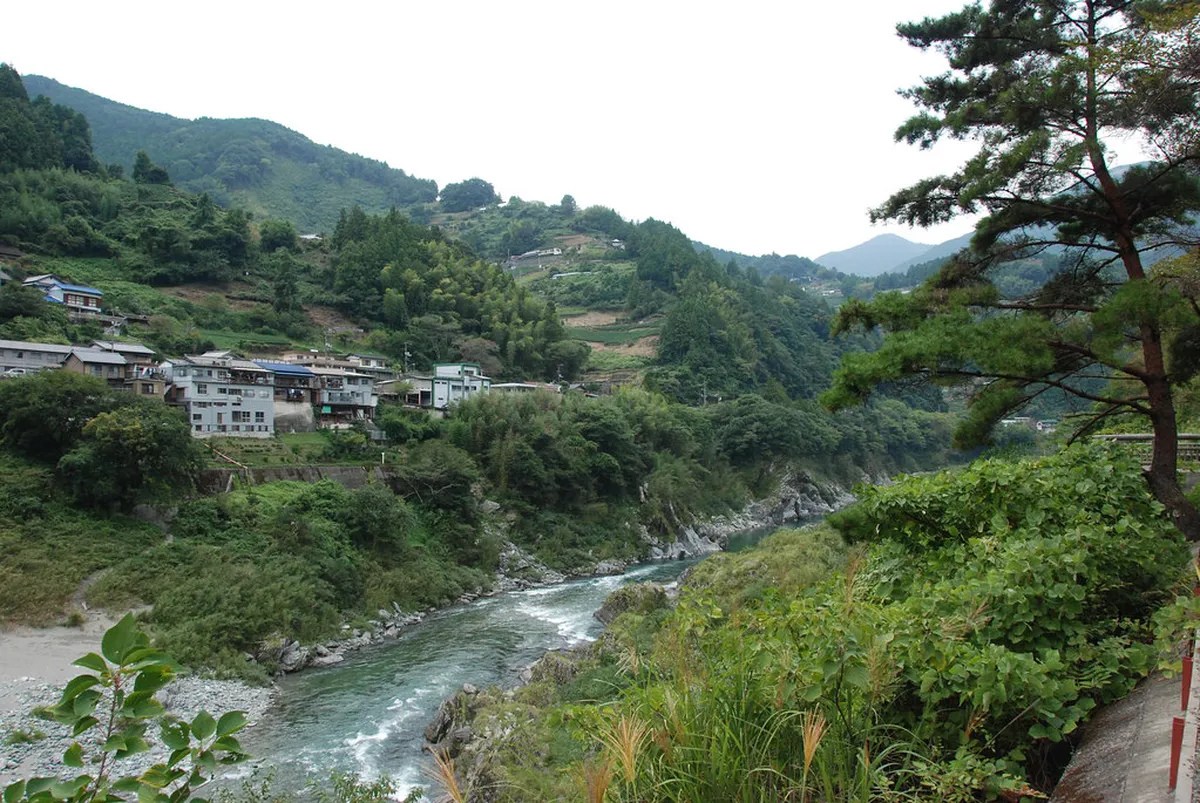
The Yoshino River carved Oboke Gorge through layers of crystalline schist rock over tens of millions of years, producing some of Shikoku's most striking natural scenery. Steep walls rise sharply on both banks, streaked with folded geological strata that record enormous pressure from deep within the earth.
At river level, the water shifts from aqua to deep emerald depending on season and light, fed by clear mountain streams draining the Shikoku highlands. Though the river reaches only about four meters in depth, the water is transparent enough to see pale stones and ayu sweetfish moving along the riverbed.
About 1.5km from Oboke Station, the Lapis Oboke rest area houses a cafe, a gift shop, and the Yokai Yashiki — a small museum dedicated to supernatural creatures from local mountain folklore. In 2008, the Oboke and Iya region earned official recognition as a 'Yokai Heritage' site, one of only two such designations in all of Japan. A joint entry ticket to both museums inside Lapis Oboke costs 500 yen for adults and 300 yen for juniors, with last admission at 4:40pm daily.
Getting to Oboke Gorge
Oboke Station on the JR Dosan Line is the main transport hub for the gorge and is fully covered by the Japan Rail Pass. Travel time runs roughly two hours from Okayama and about one hour from Kochi City. The train journey itself is worth savoring, passing through forested valleys and river tunnels as it descends into Shikoku's interior.
By car, National Route 32 follows the Yoshino River through the gorge and takes around one hour and forty minutes from central Tokushima City. Expressway tolls apply on sections of the route, and parking near the boat terminal fills quickly on peak-season weekends.
Local buses run into the wider Iya Valley from Oboke Station, though weekday services are infrequent. Check the Oboke Station Sotani Line bus timetable before visiting; times highlighted in blue run only on weekends and public holidays. Many valley ryokan and guesthouses offer a free station pickup when guests book accommodation directly in advance.
Exploring the Iya Valley from Oboke
Oboke Gorge is the natural entry point into the Iya Valley, one of Japan's most remote mountain districts. From the station, buses and shared taxis reach iconic landmarks deeper in the valley, including vine bridges and mountain-village lookouts.
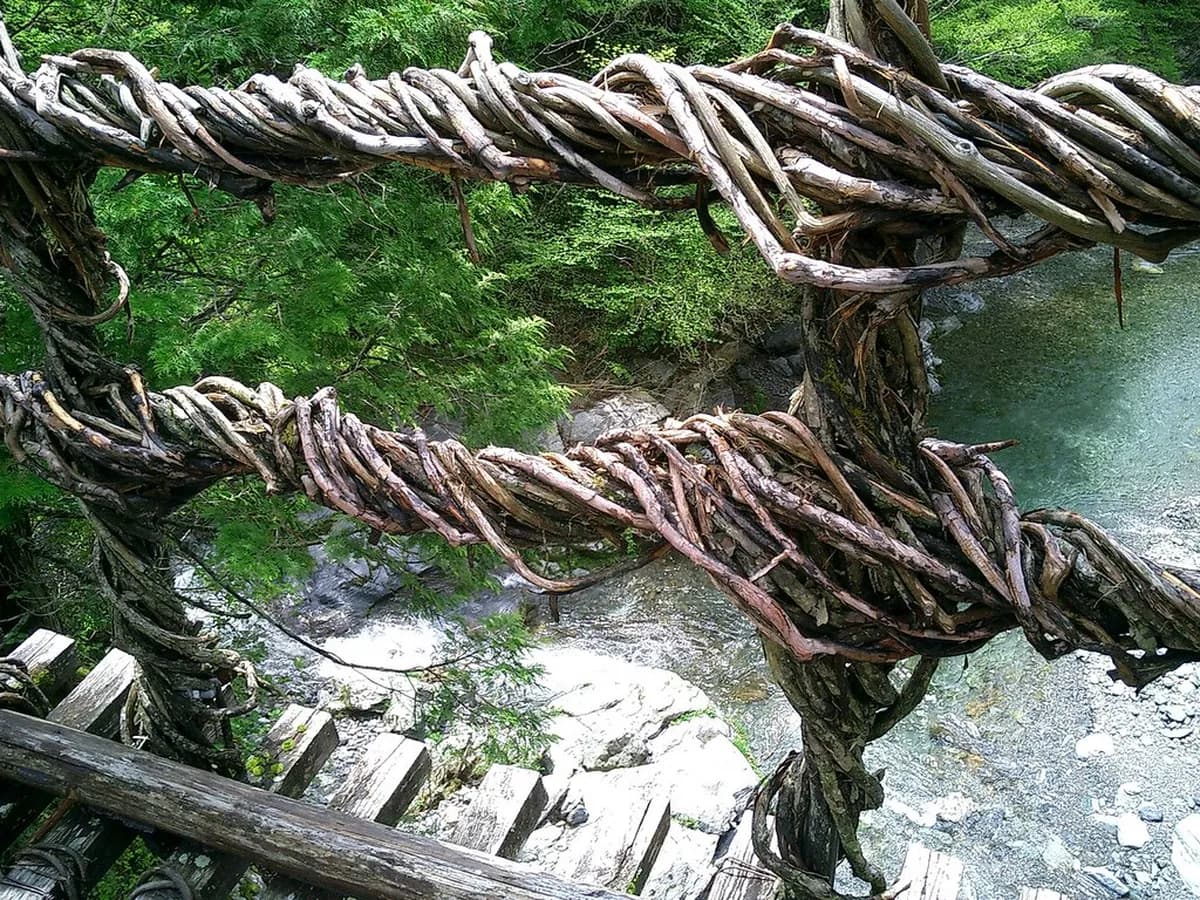
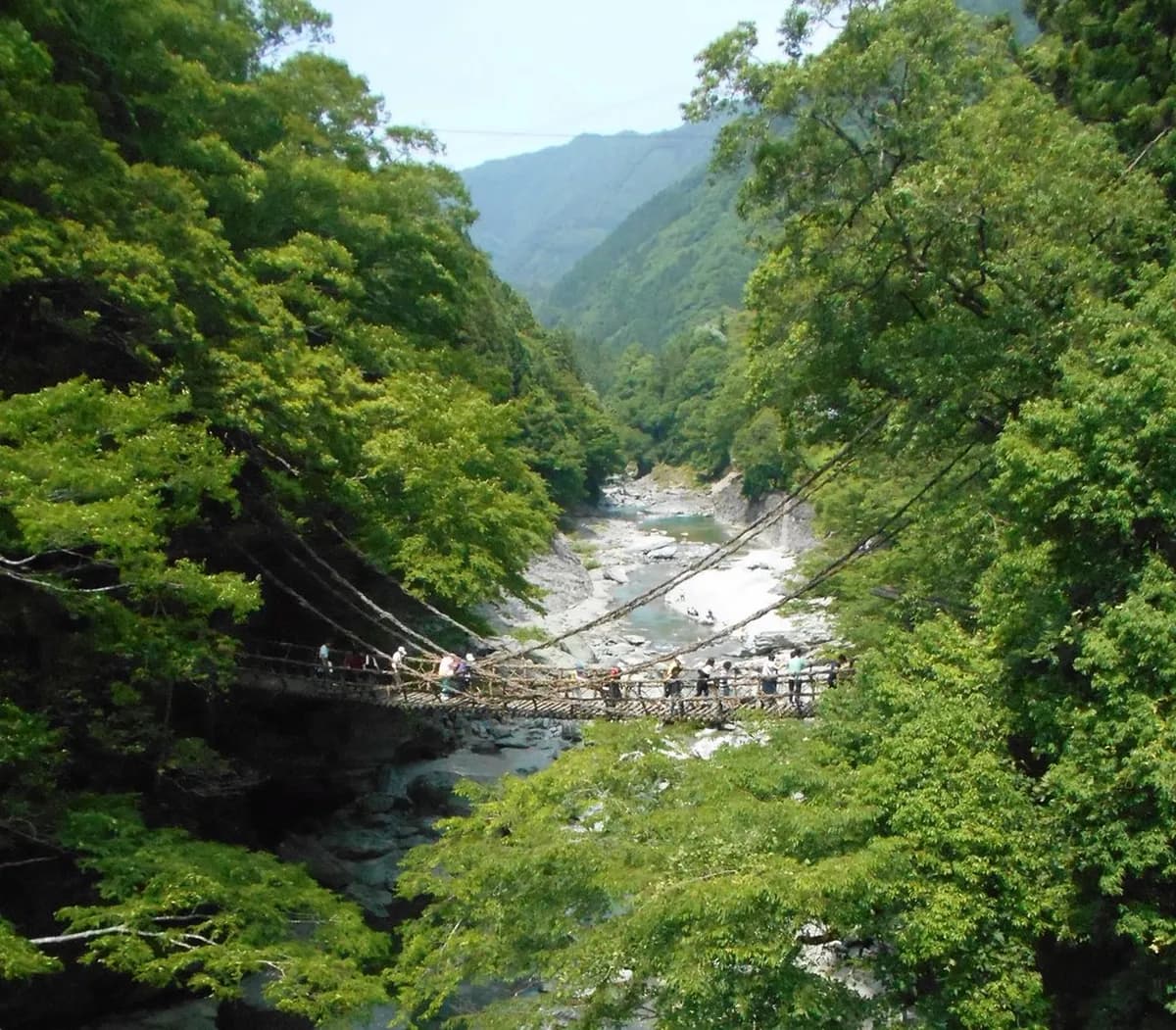
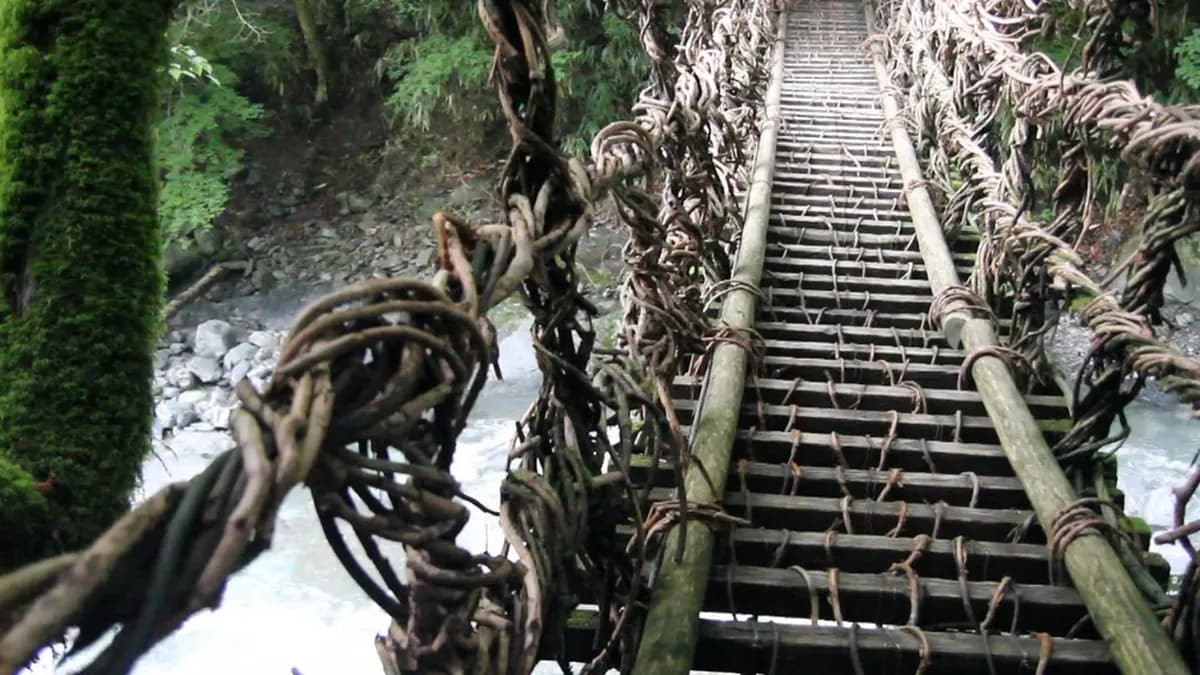
The Iya Kazurabashi vine bridge stretches 45 meters across the Iya River just 14 meters above the rapids, and costs 550 yen to cross. The bridge is rebuilt from wisteria vines every three years, a tradition that has continued through centuries of valley isolation.
Further into the mountains, the Oku-Iya double vine bridges attract far fewer visitors and reward travelers willing to make the extra journey. On weekends, a bus-and-walk combination from Oboke Station can cover both vine bridge sites in a single half-day loop.
For overnight stays, the valley's onsen and accommodation options range from remote riverside ryokan to simpler guesthouses perched above mountain valleys. Most properties arrange a free shuttle transfer from Oboke Station when guests book directly in advance.
Practical Tips and Cost Overview
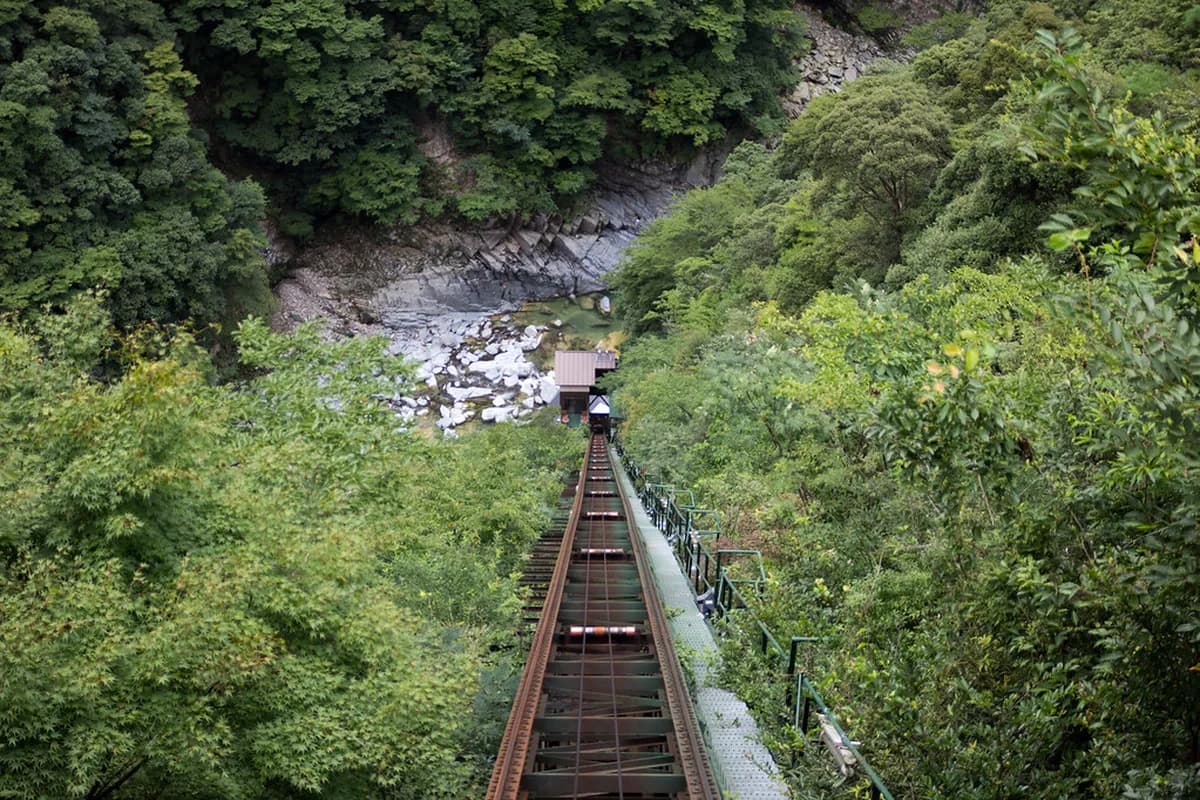
Most visitors can cover the boat cruise, a walk to Lapis Oboke, and the train-bridge viewpoint within four to five hours using only public transport. Budget roughly 2,000 to 3,000 yen per person for the day, covering the boat ride, museum entry, and a bowl of local soba at the riverside rest area.
The gorge area has very few convenience stores, so carrying cash and a light snack before leaving the station is a practical step. Vending machines appear regularly along the riverside road, and the Lapis Oboke cafe serves light meals with a direct view of the canyon walls.
Visitors pairing Oboke with a full day trip into the Iya Valley should target a morning arrival to align with the limited bus connections deeper into the mountains. Renting a car from Kochi or Tokushima remains the best option for reaching the less-visited corners of the valley that public transport does not serve.
Frequently Asked Questions
How long is the Oboke Gorge boat ride?
The Oboke Pleasure Boat Cruise lasts approximately 30 minutes, with boats departing every 20 to 30 minutes from the Oboke Yuransen terminal. The terminal operates daily from 9am to 5pm. After the ride, a roughly 20-minute walk along the riverside road returns you to Oboke Station.
How much does the Oboke boat cruise cost?
Adult tickets cost 1,080 yen and children's tickets cost 540 yen. No advance booking is required — purchase tickets at the terminal on arrival. Always confirm current pricing and any seasonal closures directly with the boat operator before your visit, as hours may vary.
How do I get to Oboke Station from Okayama or Kochi?
Take the JR Dosan Line to Oboke Station, which is fully covered by the Japan Rail Pass. From Okayama the journey takes roughly two hours; from Kochi City, about one hour. Travelers from Osaka typically transfer at Okayama or Tadotsu Station before heading south into Shikoku's interior.
Is Oboke Gorge worth visiting without a car?
Yes — the boat cruise, Lapis Oboke museum, and riverside viewpoints are all walkable from Oboke Station. For deeper exploration of iya valley, local buses run on limited weekday schedules but operate more frequently on weekends and public holidays.
Oboke Gorge rewards visitors with emerald water, ancient rock formations, and a rare sense of remoteness that sits surprisingly close to Shikoku's main rail line. The pleasure-boat cruise gives even a brief stop real depth, letting you look down through four meters of crystal-clear Yoshino River water to the pale stones below.
Pair the gorge with even one night in the Iya Valley and the area shifts from a quick detour into a genuinely memorable journey. Plan your rail pass stops around Oboke Station and one of western Japan's most scenic day trips falls neatly within reach.
Free guide: Japan's Hidden Gems
12 under-the-radar places beyond Tokyo & Kyoto — with the best season to visit each and a local tip you won't find in the guidebooks.
You might also like
Continue reading
More guides you'll find useful