

Yokohama Hakkeijima Sea Paradise is a marine-themed leisure island in the Kanazawa Ward of Yokohama, combining four aquariums, an amusement park, restaurants, and shopping on a single 24-hectare island. Entry to the island itself is free. You only pay for the aquariums and rides, making it flexible for all budgets. This 2026 visitor guide covers the four facilities, ticket options, transport, accessibility, and practical tips to plan your day well.
Yokohama Hakkeijima Sea Paradise: What to Expect
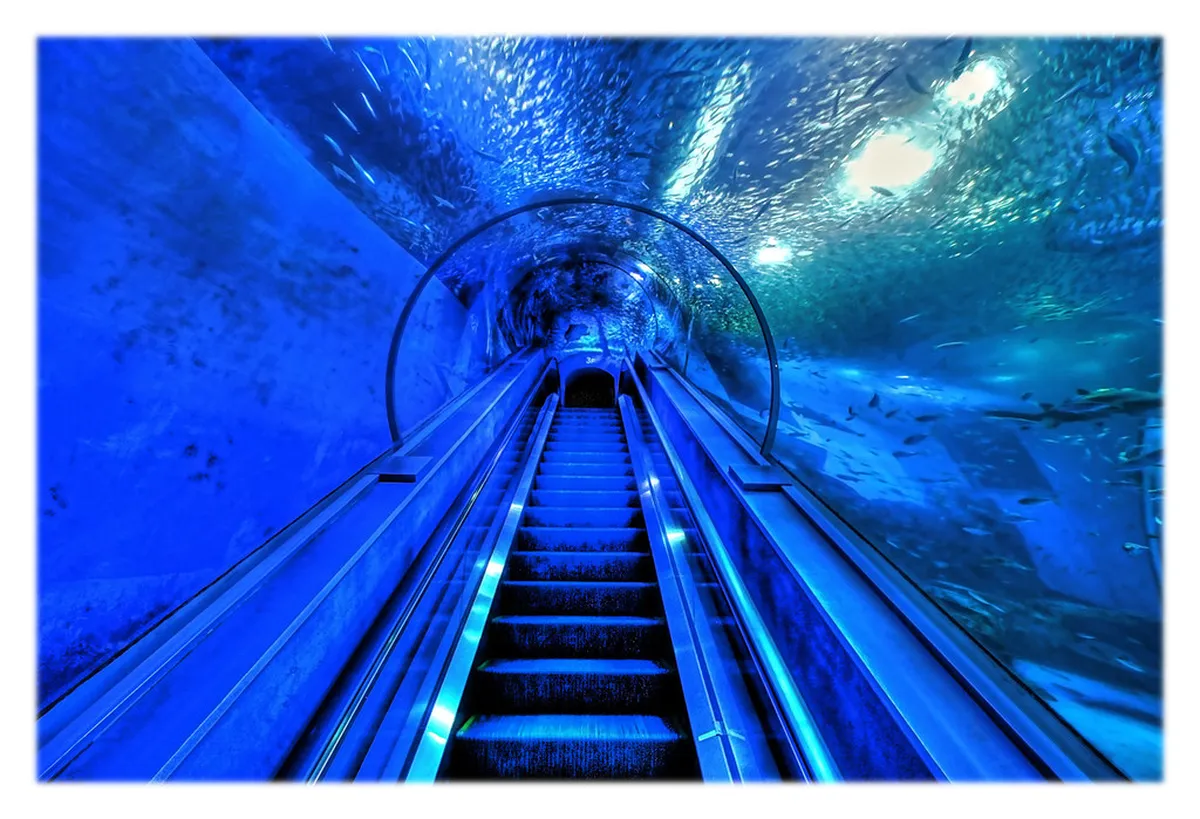
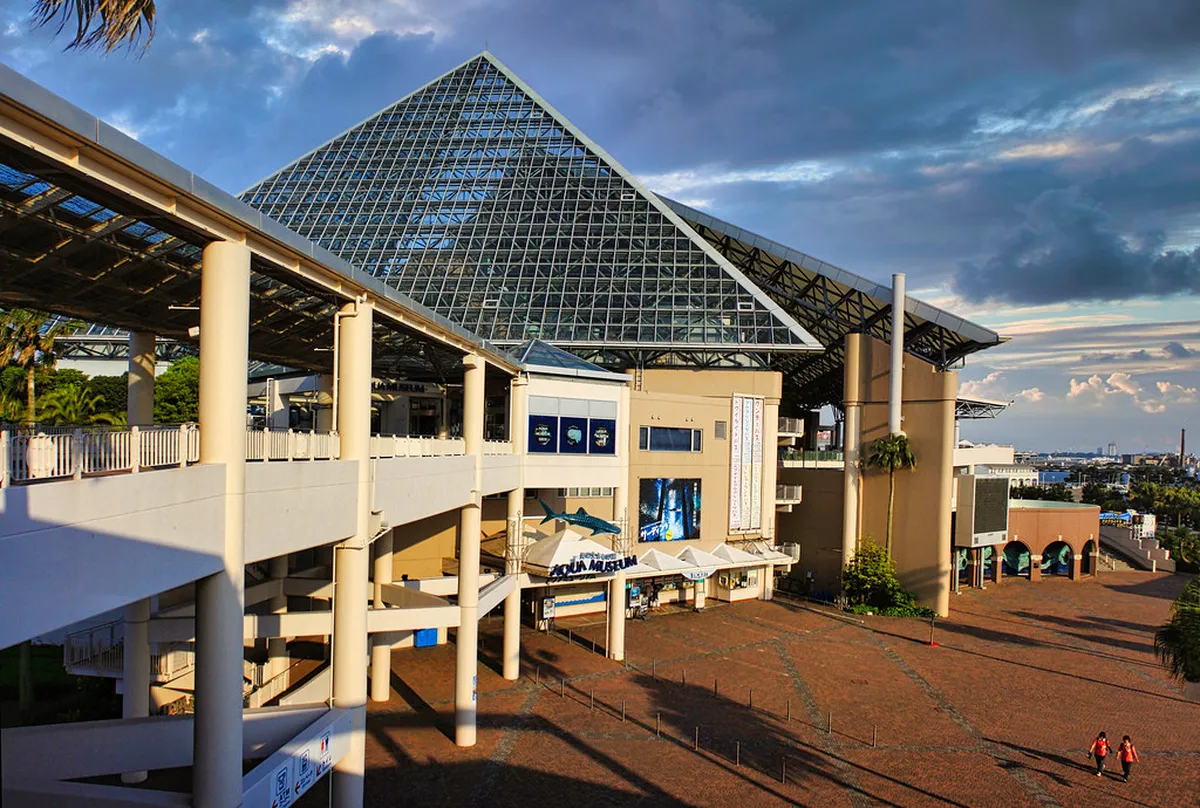
The park opened in May 1993 and has grown into one of Japan's top aquarium destinations. It sits on an artificial island in Kanazawa Ward, in Yokohama Bay, roughly 30 minutes south of downtown Yokohama. The island divides into three zones: Aqua Resorts (the aquarium complex), Pleasure Land (the amusement park), and a central area of shops and restaurants. You can pick the zones that match your interests and skip the rest.
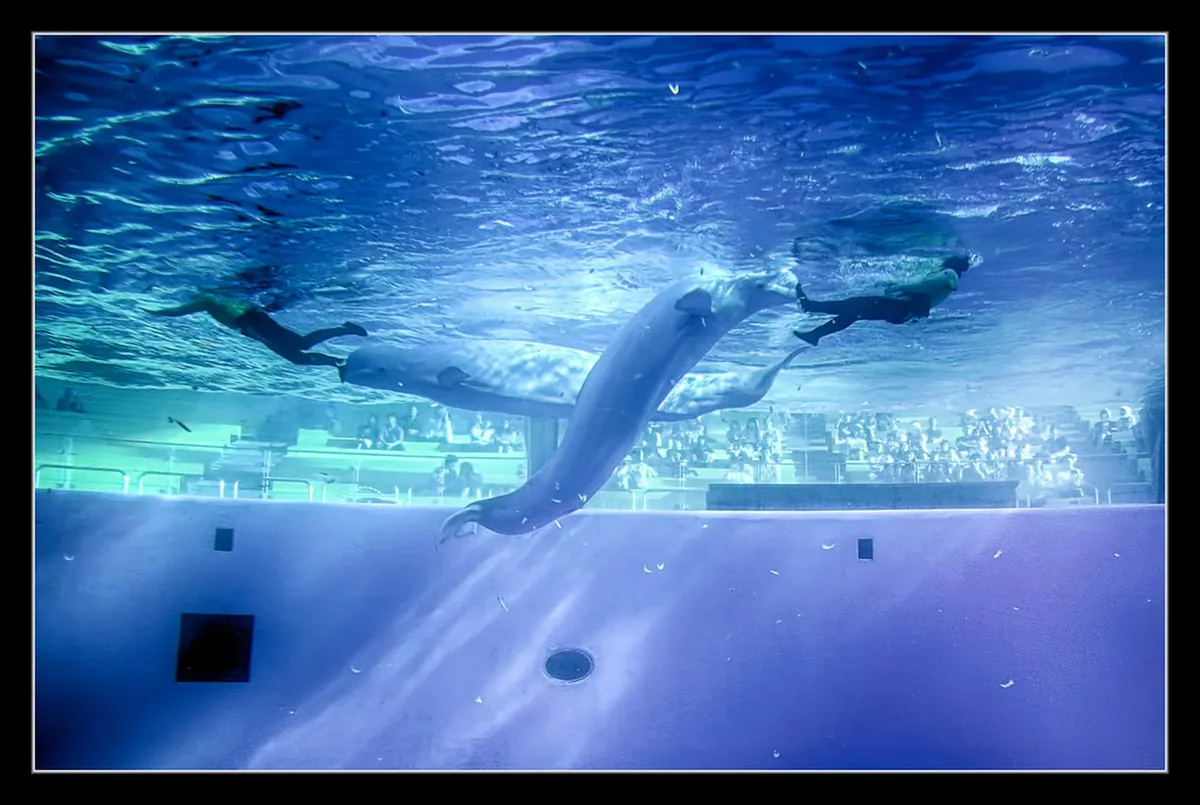
The Aqua Resorts area contains four distinct aquarium facilities included under one pass. The Aqua Museum is the centrepiece — one of Japan's largest aquariums, housing 120,000 marine creatures from over 700 species. You can watch beluga whales, dolphins, sharks, sea turtles, polar bears, and penguins here. Live shows at the Aqua Stadium run daily, typically featuring walrus, dolphin, and beluga whale performances — check the daily schedule posted at the entrance.
The Dolphin Fantasy building puts you inside an arched walk-through tunnel while dolphins and fish swim directly overhead and around you. Fureai Lagoon is the hands-on interaction zone where visitors can touch and feed marine animals including turtles, otters, capybara, and small fish under staff supervision. Umi Farm rounds out the four with a marine fishing and seafood experience. Each facility has a distinct atmosphere, so even a family with young children and older adults will find different highlights to hold their attention.
Pleasure Land is a separate amusement park with 16 attractions, including the Surf Coaster Leviathan roller coaster that runs out over the bay, bumper cars, a Viking ship, water rapids, and a boat cruise. Individual ride tickets range from ¥100 for the tram up to ¥1,100 for the roller coaster. An unlimited rides day pass is available and makes sense if you plan to try more than three or four attractions.
Ticket Options and Prices for 2026
| Pass / ticket | Adults | Children / Seniors |
|---|---|---|
| One Day Pass (aquariums + rides) | ~¥5,600 | ~¥4,000 |
| Aqua Resorts Pass (aquariums only) | ~¥3,300 | ~¥2,800 |
| Pleasure Land Pass (rides only) | ~¥3,200 | Varies |
| Aqua Museum only (adults) | ~¥3,300 | ¥2,800 (seniors 65+) |
| Island entry | Free | Free |
There are three main pass types. The One Day Pass covers all four aquariums plus unlimited amusement rides and is the best value if you plan a full day. It costs approximately ¥5,600 for adults and around ¥4,000 for children and seniors. If you only want to see the marine life and skip the rides, the Aqua Resorts Pass gives access to all four aquariums at around ¥3,300 for adults. The Pleasure Land Pass for rides only is around ¥3,200.
Admission to the Aqua Museum alone (without the rides or other facilities) is approximately ¥3,300 for adults, ¥2,800 for seniors aged 65 and over, ¥2,000 for elementary and junior high school students, and ¥1,000 for toddlers aged 4 and over. Some up-close animal interaction experiences within Fureai Lagoon require advance booking online and carry an additional fee beyond the pass price. Check the official Sea Paradise website before visiting to confirm current rates, as prices can change seasonally.
Walking the island grounds, shopping, and dining require no ticket at all. This makes the park a reasonable half-day stop even on a tight budget — spend a few hours on the free island paths, eat at the food court, and purchase single-attraction tickets only for the exhibits you most want to see.
How to Get to Hakkeijima Sea Paradise
The most direct route is the Seaside Line automated monorail, which connects to the JR Negishi Line at Shin-Sugita Station. Ride to Hakkeijima Station, the final stop on the line. The walk from the station across the bridge to the island entrance takes about five to ten minutes on a gently sloped, wide walkway. From downtown Yokohama (Yokohama Station), the combined journey takes roughly 30 to 40 minutes. From central Tokyo, count on about an hour.
Drivers can reach the island via the Kanazawa bypass. Paid parking is available on the island with space for several hundred cars. This is worth considering on weekdays, but on weekends and national holidays the car park fills quickly. Arriving by train avoids that uncertainty entirely. The Yokohama Air Cabin is a separate urban ropeway nearer to Minato Mirai and is not a direct connection to Hakkeijima, so do not confuse the two when planning your route.
Accessibility at Hakkeijima Sea Paradise
Hakkeijima Sea Paradise is notably accessible compared to most large Japanese theme parks. The bridge from the station to the island is gently sloped with wide, smooth walkways. Inside the Aqua Museum, large elevators serve all floors, and even the outdoor zoo enclosures — including the capybara and mara walkthrough areas — have paved paths suitable for wheelchairs. The Aqua Stadium has dedicated wheelchair seating at the upper level with a clear sightline to the performance pool.
Hakkeijima Station is unstaffed. Wheelchair users must use the call box on the platform and ask specifically for a "slope" — a staff member arrives by train with a portable ramp. Allow more than 10 extra minutes for this.
One important detail for wheelchair users: Hakkeijima Station is unstaffed. There is a call box on the platform to reach a remote attendant. When you call, ask specifically for a "slope" (not a "ramp") and give the name of your destination station. A staff member from another station will come to you by train with a portable ramp. Be prepared to wait more than ten minutes. Plan this extra time into your arrival schedule, especially if you are catching a timed show inside the park.
Many rides in Pleasure Land require the ability to transfer independently into ride vehicles, so wheelchair users should check the individual ride restrictions at the entrance gates. The central food court, most shops, and all restaurant buildings are accessible on the ground floor, with elevators available for upper levels. Accessible toilets are located on floors 1 and 4 of the Aqua Museum and at additional points across the island. Service dogs and registered assistance animals are permitted in most areas of the park.
Dining, BBQ, and Shopping on the Island
One of the least-publicized features of Hakkeijima is the outdoor BBQ area near the Aqua Museum. The park rents grills by the hour and sells raw seafood and meat, making a self-service seaside BBQ a realistic option for groups or families. This is particularly popular during summer months. Note that the semi-outdoor BBQ seating is exposed to weather, so cold or rainy days will push most visitors toward the covered indoor cafeteria instead.
The central food court offers a range of quick meals including ramen, curry, and katsu sets. One standout is the deep-fried aji (Japanese horse mackerel) lunch set — a local specialty that pairs well with the park's coastal setting. Multiple souvenir shops are spread across the island. Prices and selection vary between stores, so walk past the first shop near the entrance before buying — there are several other stores further inside with different stock and sometimes better prices on the same items.
Best Time to Visit and Practical Tips
Live dolphin and beluga whale shows run on fixed daily schedules. Check the posted schedule at the entrance upon arrival and plan your route around show times — they are considered the park's top highlight.
Weekday mornings are the least crowded time to visit. The aquariums open at 10:00 on most days, but the island grounds open from around 08:30, giving you time to walk the exterior paths before the shows begin. On weekends and national holidays, peak crowds arrive between 11:00 and 14:00. Buying tickets online before arrival saves time at the gate, especially during summer school holidays in July and August when queues at the ticket windows can be 20 to 30 minutes long.
Spring (March to May) and autumn (September to November) offer the most comfortable temperatures for spending a full day outdoors on the island. Summer is lively but hot and humid, and many outdoor ride queues offer little shade. Winter visits are quieter and the aquariums are just as impressive, but outdoor areas and some rides may close during heavy rain or strong winds. Always check the official weather forecast before a winter or typhoon-season visit. The park is open year-round, though hours shift with the season — aquariums typically run 10:00 to 17:00 on weekdays and until 20:00 on weekends and school holidays.
Plan at least four to five hours if you want to see all four aquariums and catch a dolphin or beluga show. A full day is recommended if you also want to ride Pleasure Land attractions. Arriving at opening time gives you the best chance of completing both the aquarium shows (which run on fixed schedules) and the more popular rides before afternoon queues build.
Nearby Yokohama Attractions to Combine
Hakkeijima sits in the Kanazawa Ward, about 30 minutes from central Yokohama. Most visitors pair it with one other major Yokohama attraction rather than trying to combine it with the full city circuit, as getting between the Seaside Line area and Minato Mirai requires backtracking through Shin-Sugita to the JR network. The waterfront district of Minato Mirai 21 is the most natural follow-up — the Landmark Tower, Cosmo World, and the Red Brick Warehouse are clustered tightly together there and can fill an afternoon after a morning at Hakkeijima.
If you are visiting with children and have a second day, Cup Noodles Museum and Sankeien Garden are strong full-day options that sit within the main Yokohama transport network, making them easier to reach without the Seaside Line transfer. Day trips to Kamakura or the Enoshima island area are feasible from Yokohama and add a contrast of temples and coastline to an itinerary centered on the bay.
Where to Stay Near Hakkeijima Sea Paradise
Staying in central Yokohama near Sakuragicho or Yokohama Station keeps you within reach of the Seaside Line. The Yokohama Royal Park Hotel in the Landmark Tower building offers harbor-view rooms from the 52nd to 67th floors and is walking distance from Sakuragicho Station, where you catch the Seaside Line. It is the most convenient higher-end option for visitors making Hakkeijima their main stop.
Budget travelers who want to explore the broader Shonan coast — including Enoshima and Kamakura as well as Hakkeijima — can base themselves at properties near Fujisawa Station. The Toyoko Inn Shonan Kamakura Fujisawa-eki Kita-guchi is a reliable budget option near Fujisawa Station with free breakfast. The commute to Hakkeijima requires a transfer at Yokohama, adding 30 to 40 minutes each way versus staying in central Yokohama, but room rates are noticeably lower. The Sotetsu Fresa Inn Fujisawa-Minamiguchi is a similar budget-tier option on the south exit of Fujisawa Station, convenient for those prioritising the coast over the city.
For visitors who want to stay close to the Yokohama JR network without a harbor view premium, the Toyoko Inn Yokohama Shinkoyasu Ekimae is steps from Shinkoyasu Station on the Keihin-Tohoku Line, putting you ten minutes from Yokohama Station by train. The neighborhood is residential and quiet with few tourist crowds. It is a practical, no-frills base for anyone making a multi-day Yokohama stop with Hakkeijima as one of several destinations. Plan your full visit with our Yokohama itinerary guide.
Festival & Events in Yokohama (dates can change without notice)
Yokohama hosts events throughout the year that can enhance or complicate a Hakkeijima visit. The Chinese New Year in Chinatown — usually late January or February — brings dragon dances and large crowds to the central city but generally does not affect Hakkeijima directly. Summer fireworks events, including the Yokohama Sparkling Twilight series, run over the harbor in July and August. These draw large crowds to the waterfront on the evenings they run, so accommodation near Minato Mirai books up quickly during those weekends.
Hakkeijima Sea Paradise itself runs seasonal events including Halloween decorations and illuminations in October, and winter light-up displays from November through February. These nighttime events take advantage of the extended 20:00 closing hours and are worth planning around if you are visiting in autumn or winter. Confirm dates and hours on the official seaparadise.co.jp site before booking travel, as event schedules are announced a few weeks in advance and can shift.
Getting to Yokohama: Flights, Rail, and Transport Planning
Haneda Airport is the most convenient arrival point for Yokohama. The Keikyu Line runs direct from Haneda International Terminal to Yokohama Station in about 25 minutes. Narita Airport is significantly further, requiring either a Narita Express (N'EX) train or a highway bus — count on 90 minutes and higher fares. For most visitors targeting Yokohama and the surrounding Kanagawa Prefecture, Haneda is the clearly superior choice.
A Japan Rail Pass covers the JR Negishi Line within Yokohama but does not cover the Seaside Line (a private railway) to Hakkeijima. Load a Suica or Pasmo IC card for those last-mile journeys. A rental car is useful only if you plan to explore the Miura Peninsula or more remote parts of Kanagawa — driving inside Yokohama is manageable but parking is expensive and slow on weekends. For the Hakkeijima visit itself, public transport is faster and less stressful than driving.
Frequently Asked Questions
How to get to Hakkeijima Sea Paradise?
You can reach the park by taking the Seaside Line to Hakkeijima Station. This automated train connects with the JR Negishi Line at Shin-Sugita Station. The walk from the station to the island entrance takes about five to ten minutes across a scenic bridge.
Which yokohama hakkeijima sea paradise visitor guide options fit first-time visitors?
First-time visitors should consider the One-Day Pass for full access to all four aquariums and rides. If you are short on time, the Aqua Resorts Pass focuses only on the marine life sections. Check out the Yokohama Air Cabin for other nearby transport fun.
How much time should you plan for yokohama hakkeijima sea paradise visitor guide?
Plan to spend at least four to six hours to see all the major aquarium exhibits. If you also want to enjoy the amusement park rides, a full day is highly recommended. Arriving at opening time helps you maximize your ticket value and avoid long afternoon queues.
What should travelers avoid when planning yokohama hakkeijima sea paradise visitor guide?
Avoid visiting on national holidays when the park becomes extremely crowded with local residents. Do not forget to check the weather forecast as many rides and outdoor paths are exposed to the elements. Skipping the dolphin show is a common mistake as it is a park highlight.
Yokohama Hakkeijima Sea Paradise offers a unique and memorable experience for every type of traveler. Whether you love marine life or high-speed thrills, this island has something special to offer. Use this guide to plan your visit and enjoy one of the best attractions in the Yokohama area.