
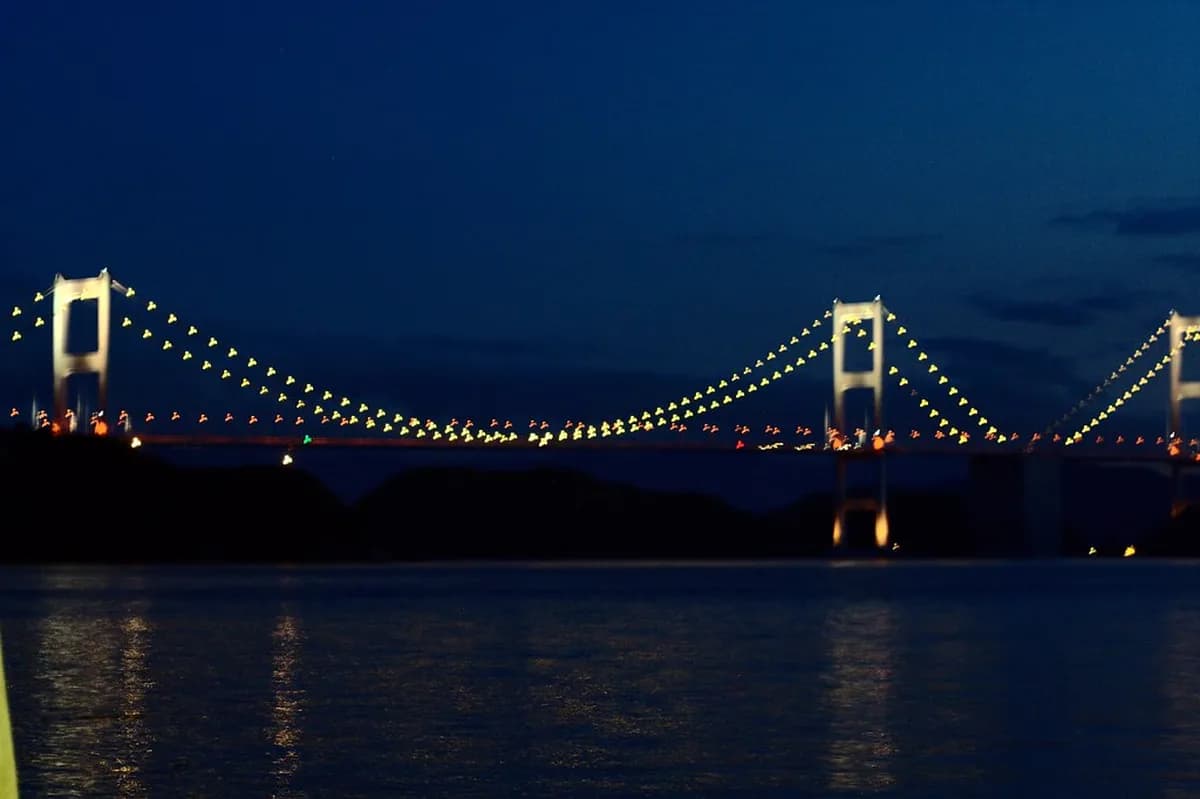
The Kurushima-Kaikyo Bridge stands as a massive engineering feat connecting Imabari to the scenic islands of the Seto Inland Sea.
Visitors often start their journey at this iconic structure while exploring the famous Shimanami Kaido cycling route.
This comprehensive kurushima-kaikyo bridge visitor guide provides essential details for planning a memorable trip to the world's first triple suspension bridge.
Whether you are cycling the entire route or just visiting for the views, this bridge offers a truly unique Japanese experience.
Engineering Marvel: The World’s First Triple Suspension Bridge
Spanning a total length of 4,105 meters, this structure is a primary highlight of any Shimanami Kaido itinerary for travelers. It consists of three separate suspension bridges linked together by common anchors and massive concrete towers. This innovative design was the first of its kind in the world when construction finished in 1999. Engineers chose this complex layout to navigate the strong currents and deep waters of the Kurushima Strait.
The bridge deck sits approximately 65 meters above the sea to allow large cargo ships to pass underneath safely. Its towers reach high into the sky, providing a stark contrast against the blue waters of the inland sea. You can feel the immense scale of the project while walking or cycling across the dedicated pedestrian paths. The structure serves as a vital link between the main island of Shikoku and the smaller islands nearby.
Each of the three sections has its own unique characteristics and technical challenges that builders had to overcome. The Kurushima-Kaikyo Bridge remains a point of pride for the local community and the Japanese construction industry. Modern maintenance keeps the bridge in excellent condition for the thousands of travelers who cross it every month. Understanding the scale of this project adds a layer of appreciation to your visit.
The bridge was designed to withstand earthquakes and high winds common in this coastal region of Japan. Massive cables made of high-strength steel wires hold the weight of the roadway and the many vehicles crossing daily. Nightly illumination often transforms the bridge into a glowing ribbon of light across the dark strait. Seeing the bridge lit up after sunset provides a completely different perspective on its architectural beauty.
Best Viewpoints: Kirosan Observatory and Itoyama Park
Finding the perfect vantage point is essential for capturing the grandeur of the triple suspension bridge during your trip. Itoyama Park is located on the Imabari side and offers an immediate, close-up look at the massive bridge towers. The park features a well-maintained observation deck that is easily accessible for families and elderly visitors. You can watch cyclists begin their ascent while enjoying the refreshing sea breeze from the lookout.
For a more panoramic perspective, many travelers head across the bridge to the Kirosan Observatory Park on Oshima Island. This viewpoint sits at the summit of Mount Kiro and provides a 360-degree view of the entire Kurushima Strait. The observatory itself was designed by famous architect Kengo Kuma to blend seamlessly into the natural landscape. On clear days, you can see all the way to the mountains of Shikoku and the distant islands.
Sunset is the most popular time to visit Kirosan because the golden light reflects beautifully off the bridge cables. Photographers often gather here to capture the silhouette of the bridge against the colorful evening sky. The drive or bike ride up the mountain is steep, so plan for extra travel time before the sun goes down. Most visitors find the extra effort well worth it for the breathtaking views from the top.
The Itoyama Park area also includes the Sunrise Itoyama cycling terminal, which has its own small viewing platform. This spot is perfect for a quick photo before you start your ride or after you return your rental bike. You can see the whirlpools forming in the water below during specific tidal changes throughout the day. Checking the local tide tables can help you time your visit to see these natural phenomena from above.
Cycling Logistics: Inclines, E-Bikes, and Pedestrian Paths
Cycling across the bridge requires navigating a significant incline that reaches 65 meters above the water level. Casual riders may find this initial climb challenging without proper preparation or electric assistance. We recommend renting an e-bike at the Sunrise Itoyama station to make the ascent much easier for all fitness levels. Review the Cycling Ehime Official Route Map to plan your rest stops effectively.
The bridge features completely separate paths for motor vehicles, cyclists, and pedestrians to ensure everyone stays safe. Cyclists and pedestrians share a wide lane that is clearly marked and separated by a sturdy fence from the highway. This separation allows you to stop and take photos without worrying about passing cars or trucks. Pedestrians can cross the bridge entirely free of charge, making it a great budget-friendly activity.
Cyclists typically pay a small toll to use the bridge, though it is often discounted or free during special promotion periods. Look for the toll collection boxes located at the entrance ramps on either side of the bridge structure. Most riders find the path to be very smooth and well-maintained for a comfortable journey. The wind can be quite strong on the bridge deck, so hold onto your hat and belongings tightly.
If you are traveling with children, be aware that the total distance across the bridge is over four kilometers one way. It is a long walk, so many families prefer to bike at least a portion of the route. There are several spots along the path where you can pull over to rest and enjoy the scenery. Always stay to the left side of the path to allow faster cyclists to pass you safely.
Local Flavors: Roadside Station Yoshiumi Ikiiki Kan
After crossing the bridge from Imabari, you will arrive at the Roadside Station Yoshiumi Ikiiki Kan on Oshima Island. This popular rest stop is famous for its fresh seafood barbecue where you can grill your own local catch. You simply select your favorite items from the market tanks and cook them at a charcoal table. It is a fun and interactive way to enjoy the flavors of the Seto Inland Sea with friends.
The station also sells a wide variety of local citrus products, including juices, jellies, and fresh seasonal oranges. Ehime Prefecture is known as the citrus capital of Japan, so these items make excellent snacks or souvenirs. You can also find bridge-themed merchandise and local crafts to remember your visit to the Kurushima Strait. The outdoor seating area offers a great view of the bridge while you enjoy your meal.
During peak tourist seasons, the restaurant can get very busy, so arriving early for lunch is a smart strategy. Many cyclists use this location as their first major break point after tackling the bridge incline. There are clean restrooms, water refill stations, and plenty of bike racks available for all visitors. Tasting the local sea bream or octopus is highly recommended for anyone looking for an authentic regional lunch.
The Exclusive Tower Top Experience: How to Join
Adventurous travelers should consider the exclusive Kurushima Strait Sightseeing Cruise and Tower Climbing Experience. This rare opportunity allows you to stand atop the bridge towers for breathtaking views from 184 meters high. You must book your spot in advance through the JB Honshi (Bridge Authority) Tower Experience portal. These tours only run during specific seasonal windows throughout the year, primarily in 2026.
The experience begins with a safety briefing and the fitting of safety harnesses and helmets for all participants. You will then take a maintenance elevator inside the bridge tower to reach the upper service deck. From there, you walk along narrow metal grates to the very top of the massive structure. The feeling of being so high above the ocean is both exhilarating and slightly terrifying for some.
Participants must meet certain physical requirements and age limits to join the tower climb for safety reasons. It is not recommended for those with a serious fear of heights or mobility issues that prevent climbing stairs. The tour guides provide interesting technical facts about the bridge construction during the ascent. Make sure to bring a camera with a secure strap to capture the incredible views from the summit.
Because spots are extremely limited, it is best to check the official schedule several months before your planned trip. The tours are often conducted in Japanese, but the visual experience is universal for all international visitors. Seeing the bridge cables and the surrounding islands from this height offers a perspective few people ever get to see. It is truly one of the most unique activities available on the Shimanami Kaido.
Getting There: Bus and Car Access from Imabari
If you are not planning to cycle, you can still easily access the bridge using public transportation from Imabari Station. Local buses run regularly and offer a convenient way to reach the main observation points without a car. Check the Official Imabari Tourism (Oideya) website for the most current bus schedules and fare information. The ride typically takes about 20 minutes to reach the Itoyama area.
Drivers will find ample parking at both Itoyama Park and the various roadside stations located on the nearby islands. The bridge is part of the Nishiseto Expressway, which requires a toll for all motorized vehicles. Using an ETC card is the most convenient way to pay these tolls while driving in Japan. Be aware that traffic can be heavy during holiday weekends like Golden Week or Obon.
For those who enjoy walking, you can take a bus to the 'Observatory Entrance' stop and walk about ten minutes to the bridge deck. This allows you to experience the scale of the bridge on foot without committing to a full cycling trip. The walking path is well-marked and offers plenty of spots to stop for photos of the strait. Always check the weather forecast, as the bridge can be closed during periods of very high winds.
- Bus from Imabari Station
- Route: Ohama via Koura
- Stop: Observatory Entrance
- Time: 20 minutes
- Frequency: Hourly
- Driving from Hiroshima side
- Route: Nishiseto Expressway
- Exit: Imabari Kita IC
- Parking: Free at Itoyama
- Toll: Varies by vehicle
Hidden Gems: Exploring Umashima Island
Umashima is a tiny island located directly beneath the Kurushima-Kaikyo Bridge that many travelers accidentally skip. You can access the island using a unique elevator designed specifically for pedestrians and cyclists on the bridge. This elevator takes you from the high bridge deck down to the quiet, car-free roads of the island below. It is a surreal experience to descend from a massive modern bridge into a peaceful traditional village.
The island is home to a very small population and offers a slow pace of life away from the main tourist path. You can explore hidden beaches or watch the massive whirlpools from the shore at sea level. The perspective from below makes the bridge towers look even more imposing and impressive. There are no convenience stores on the island, so bring your own water and snacks for the visit.
Walking around the perimeter of Umashima takes less than an hour but provides many beautiful photo opportunities. You might see local fishermen working on their boats or small gardens tended by the residents. It is important to respect the privacy of the locals while exploring this quiet residential area. The elevator operates during daylight hours, so make sure you don't stay too late and miss the last lift up.
Nearby Attractions: Extending Your Shimanami Kaido Trip
The Kurushima-Kaikyo Bridge is just the beginning of the adventure for those heading north toward Onomichi. After crossing Oshima, you can continue your journey to the Setoda area on Ikuchijima Island. This island is famous for its lemon groves and the stunning Kosanji Temple, which features a marble garden. It is a great place to spend a few hours exploring art and local culture.
Further along the route, you will encounter the Tatara Bridge, which was once the longest cable-stayed bridge in the world. This structure is known for its elegant design and the famous 'multi-echo' effect under its towers. Many cyclists aim to reach this point on their first day of riding from Imabari. The roadside station near the Tatara Bridge also offers great views and local food options.
If you have extra time in Imabari, consider visiting the Imabari Castle or the Murakami Suigun Museum to learn about local history. These sites provide context about the maritime heritage of the region and the pirates who once ruled these waters. Combining a bridge visit with these cultural attractions makes for a well-rounded travel itinerary. The entire Shimanami Kaido region is filled with small discoveries that reward those who take their time.
Planning more? See things to do in the Shimanami Kaido and our Onomichi & Setouchi region guide.
Frequently Asked Questions
How long does it take to walk across the Kurushima-Kaikyo Bridge?
Walking the full length of the 4,105-meter bridge typically takes about 60 to 90 minutes one way. Most visitors prefer to walk a portion of the bridge and return or use the elevator to visit Umashima Island. Wear comfortable shoes and bring water as there are no shops on the bridge deck.
Is the Kurushima-Kaikyo Bridge free for cyclists?
There is usually a small toll for cyclists, but it is often waived during special tourism campaigns. Check local signage at the entrance ramps for current pricing. You can also find more details in our guide to Innoshima and other nearby islands.
Can I see whirlpools from the Kurushima-Kaikyo Bridge?
Yes, the Kurushima Strait is famous for its rapid currents and whirlpools which are visible from the pedestrian path. The best time to see them is during the change of tides. You should check a local tide table to time your visit for the most dramatic water movement.
Are e-bikes available near the bridge?
You can rent electric-assisted bicycles at the Sunrise Itoyama cycling terminal located right at the foot of the bridge. These bikes are highly recommended for navigating the 65-meter incline at the start of the route. It is best to reserve your e-bike in advance during peak travel seasons.
Visiting the Kurushima-Kaikyo Bridge is a highlight for any traveler exploring the Ehime region of Japan.
This kurushima-kaikyo bridge visitor guide has covered everything from engineering facts to the best sunset viewpoints on Oshima.
Whether you choose to cycle the incline or take the elevator to Umashima, the experience is sure to be unforgettable.
Start planning your trip today to see one of the world's most impressive suspension bridges in person.