

Murodo Mikurigaike Travel Guide
Plan your murodo mikurigaike visit with transport times, onsen tips, seasonal advice, and practical booking details for Japan's highest alpine plateau.
On this page
At 2,450 metres above sea level, the Murodo plateau sits at the high point of the Tateyama Kurobe Alpine Route. Three sights cluster within easy walking distance of Murodo Station: Mikurigaike crater pond, the sulfurous Jigokudani Hell Valley, and the Yuki-no-Otani snow walls. Reaching the plateau takes roughly five hours from Tokyo, but the landscape it delivers looks unlike anywhere else in Japan.
This guide covers the practical essentials of a Tateyama Kurobe Alpine Route Travel Guide visit — transport, ticket costs, onsen access, and seasonal timing. Whether you plan a day trip or an overnight stay at Mikurigaike Sanso, the logistics here will help you arrive prepared. Competitor pages on this topic average just 652 words; we go deeper on the details that actually affect your day.
Must-See Murodo Attractions
Mikurigaike Pond is the most photographed spot on the Murodo plateau, sitting roughly 10 to 15 minutes on foot from Murodo Station. A well-maintained boardwalk circles the volcanic crater lake, and a full circuit at a relaxed pace takes about 40 minutes. The reflection of the Tateyama peaks on a clear morning makes the early-start bus worth every minute.
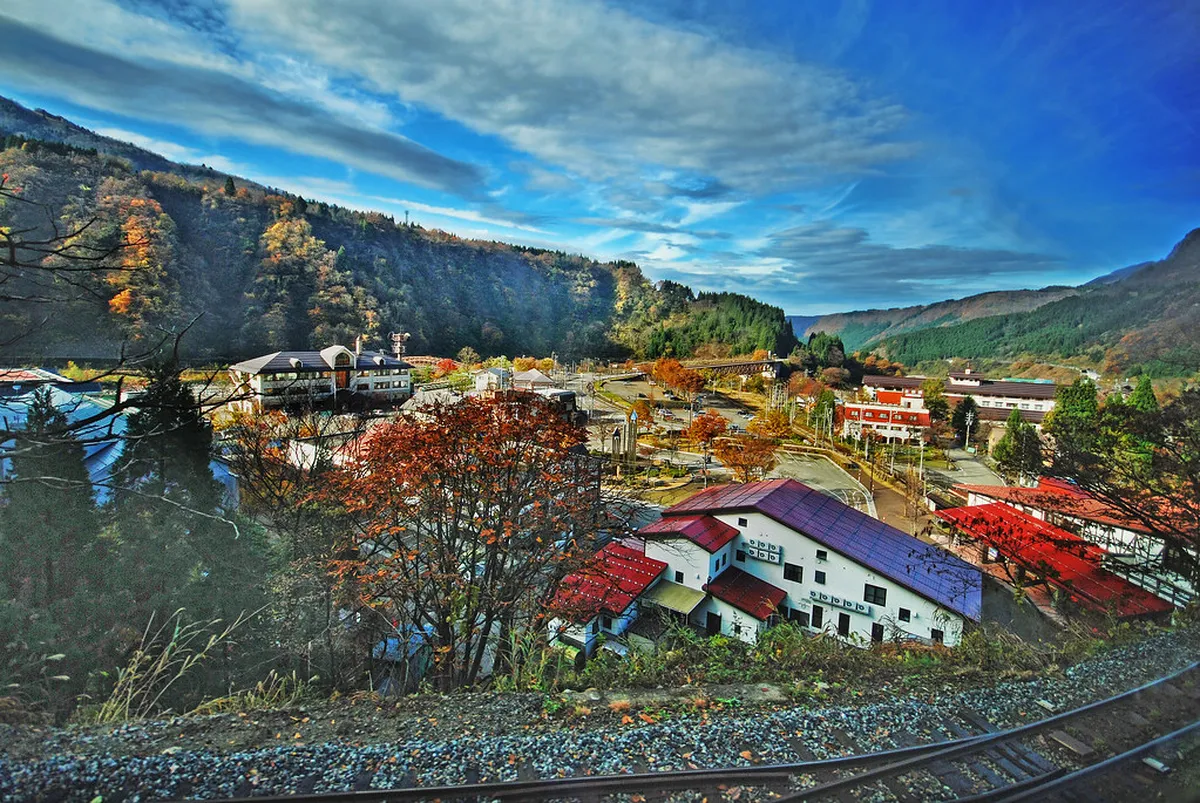
Below the pond, the Jigokudani (Hell Valley) trail leads past steaming geothermal vents with a sharp sulfur smell that arrives long before you do. This is an active volcanic zone, and access can be restricted at short notice — always check conditions at Murodo Station on the day. Even when the trail is partially closed, the views from the safe perimeter are genuinely striking.
The Yuki-no-Otani Snow Corridor runs for more than one kilometre through walls that reach up to 20 metres high in peak season. The walk is open from 09:00 to 15:00 during snow season, which typically runs from mid-April into early June. Walls were measured at an impressive 15 metres during the 2019 season, with some years recording even greater depths.
One detail most guides overlook is the Raichō, the Japanese rock ptarmigan, which roams freely near the Mikurigaike boardwalk. These protected birds are accustomed to walkers, making calm early-morning visits the best chance to spot them close to the trail. Sighting a Raichō is widely considered a lucky encounter on the mountain.
- Mikurigaike Pond circuit walk
- Distance and pace: roughly 40 minutes for a full boardwalk circuit around the lake.
- Best timing: early morning gives clear reflections and fewer visitors on the path.
- Access: a 10- to 15-minute walk from Murodo Station along a signposted route.
- Jigokudani Hell Valley steam vents
- Character: active geothermal zone with steaming vents and a strong sulfur odour.
- Access note: trail closures happen with little warning due to volcanic activity.
- Tip: check the current status board at Murodo Station before heading down.
- Yuki-no-Otani Snow Corridor
- Scale: walls reaching up to 20 metres high along a one-kilometre walking path.
- Season: typically open from mid-April into early June each year.
- Hours: the walking corridor is open from 09:00 to 15:00 during this period.
Mikurigaike Onsen: Japan's Highest Hot Spring
Mikurigaike Sanso sits roughly 200 metres from Jigokudani and pipes its onsen water directly from those geothermal pools at 2,410 metres altitude. Staying overnight changes the entire Murodo experience: the morning plateau, with crowds still hours away, belongs almost entirely to Sanso guests. This is what makes an overnight visit qualitatively different from a day trip — the mountain feels entirely different at 07:00.
Room pricing runs around ¥9,300 per person for a shared six-person room, which includes dinner and breakfast. Dinner is served from 18:00 to 19:00 and typically consists of a multi-course meal prepared with local mountain ingredients. Breakfast, offered from 06:30 to 08:00, is buffet style with enough variety to fuel a full morning of hiking.
Towels and yukatas can be rented at the front desk for ¥150 each, so packing light is a reasonable option. The only items guests must bring are a toothbrush and toothpaste; soap and shower facilities are provided. Guests who have stayed here describe it as a mountain villa rather than a hut, given the hot spring, multi-course meals, and comfortable bedding.
Rooms fill quickly during Golden Week in early May and the Snow Corridor season from mid-April to June. Booking several months ahead is strongly recommended for those periods, as walk-in availability is essentially zero on busy weekends. Off-peak nights in early July or October offer better availability and the same dramatic landscape minus the snow walls.
Getting to Murodo from Toyama and Nagano
The Tateyama Kurobe Alpine Route has no road access for private cars, so all visitors travel by public transport. A Shinkansen from Tokyo to Toyama takes about 2 hours and 15 minutes, then a short walk leads to Dentetsu Toyama Station. From there, the Toyama line runs to Tateyama Station in about 1 hour and 3 minutes.
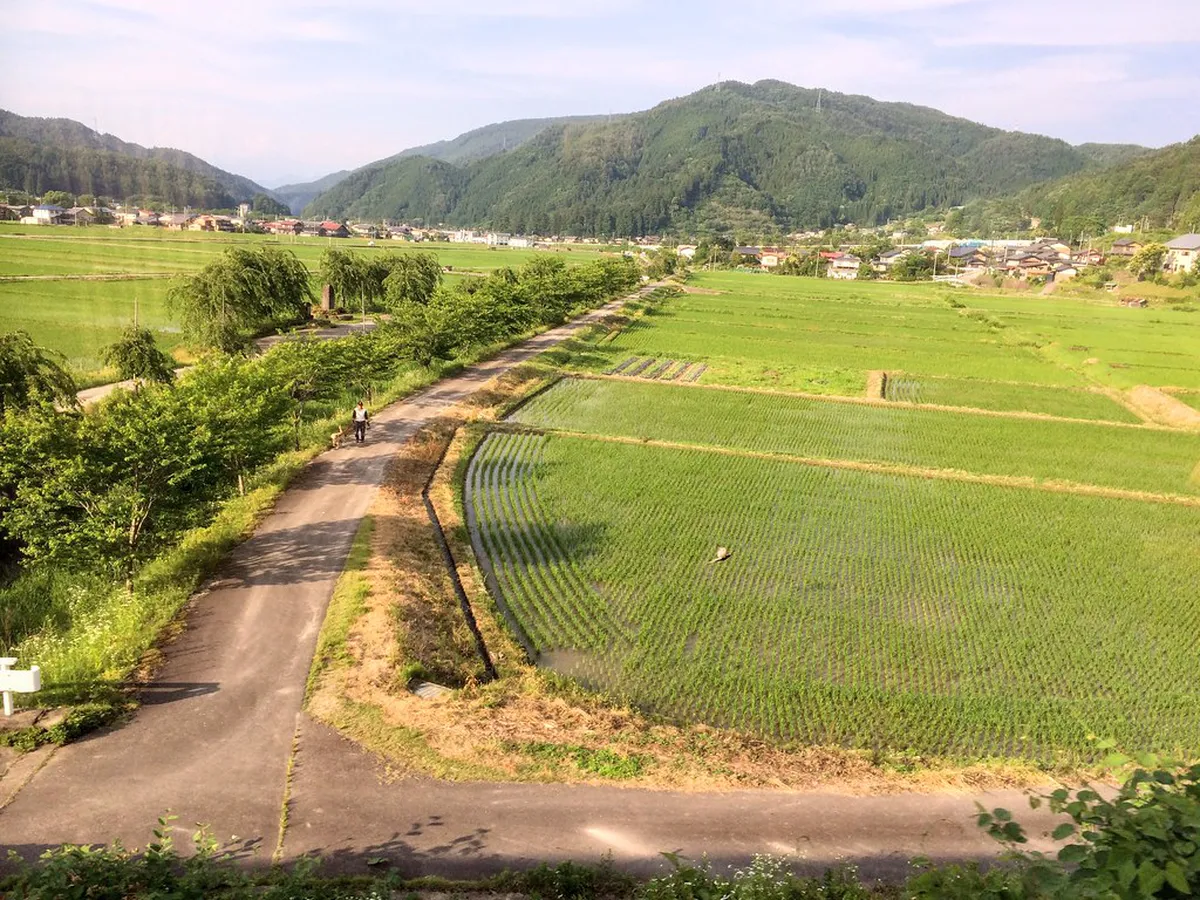
At Tateyama Station, a cable car climbs to Bijodaira in around 20 minutes. From Bijodaira, a highland bus covers the final stretch to Murodo in approximately 1 hour and 10 minutes. Departing Tokyo at 08:36 puts most visitors at Murodo around 13:30, leaving a solid afternoon window before the Sanso check-in cutoff of 16:00. Plan connections tightly — missing a cable car or bus means a 30-minute wait that can cascade into a very late arrival.
The Tateyama Kurobe Option Ticket costs ¥9,800 and covers all transport between Dentetsu Toyama Station and JR Nagano Station. Visitors approaching from the Nagano side take a bus from Shinano-Omachi to Ogizawa, then use the electric bus and ropeway sections in reverse order. Either direction gives roughly the same total journey time; the Toyama approach is slightly more popular as it heads straight up to Murodo.
Store heavy bags in the coin lockers at Murodo Station on arrival — dragging hard luggage up to Mikurigaike is genuinely awkward. Alternatively, arrange luggage forwarding to your next hotel before boarding the Alpine Route; this service is available at most major Toyama and Nagano hotels. That single step separates a comfortable mountain day from an exhausting one.
Best Time to Visit Murodo Mikurigaike
The Alpine Route is open from mid-April to late November, and the experience changes dramatically across those seven months. Mid-April through early June is Snow Corridor season: peak crowds, walls topping out in late April, and near-freezing summit temperatures even in sunshine. This window attracts the largest visitor numbers, so early morning departures and advance bookings are non-negotiable.
July through September brings clear hiking conditions and longer daylight hours — read our full seasonal guide to Tateyama Kurobe for a month-by-month view. Summer crowds thin out noticeably compared to the Snow Corridor rush, and the Jigokudani trail is more likely to be fully open. Late September and October offer alpine autumn foliage, with dwarf pines and mountain grasses turning gold and red across the plateau.
November is the closing month, and conditions change fast — snow can return well before the late-November closure date. Visiting in early November is viable but requires checking route status frequently, as early snowfall occasionally forces section closures ahead of schedule. The route shuts entirely in late November and stays closed until the following mid-April snow clearing.
Practical Planning Tips for Murodo
Book Alpine Route tickets well in advance, especially for Golden Week and weekends during the Snow Corridor season. Multiple timed connections — cable car, bus, trolley bus, ropeway — mean a sold-out segment can strand you at an intermediate stop for hours. Online booking through the official Tateyama Kurobe Alpine Route site, or through a registered agent, is the most reliable approach.
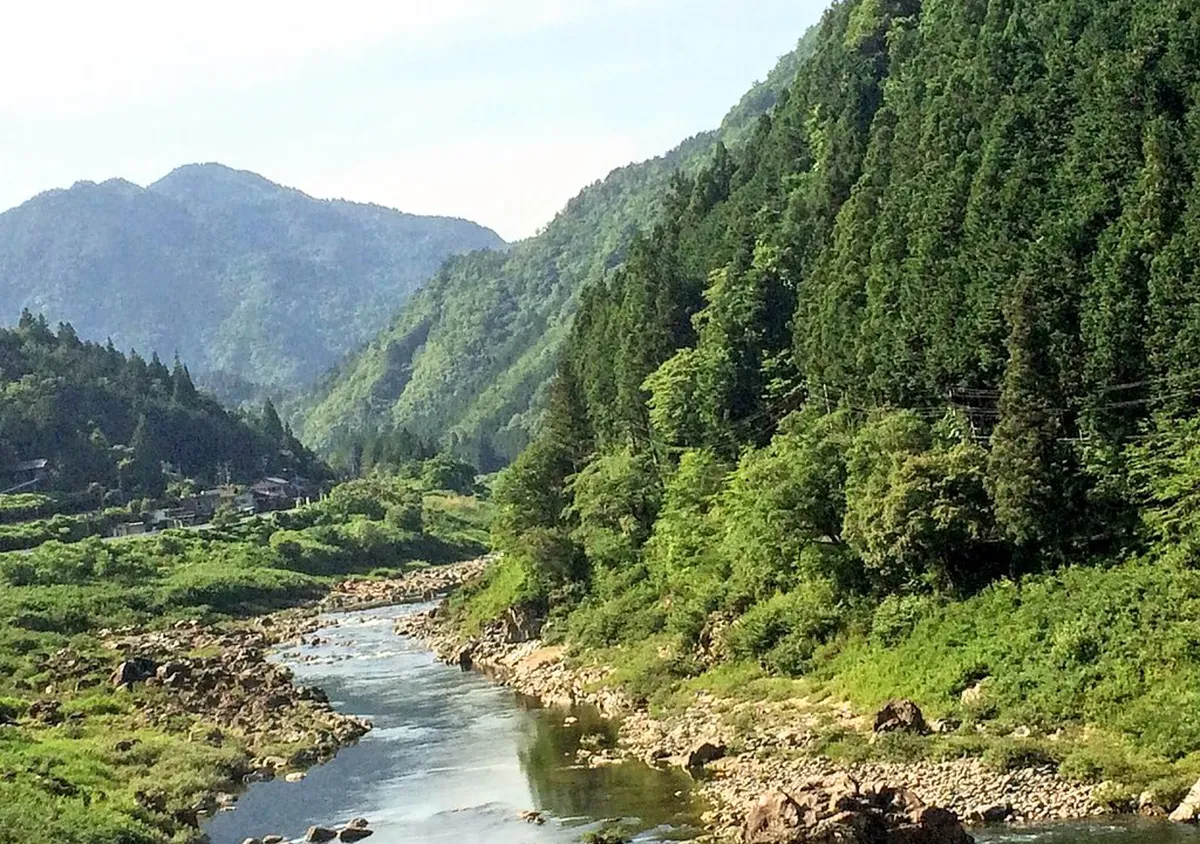
Pack layers even if the forecast looks warm at lower elevations: summit temperatures regularly run 10 to 15 degrees Celsius cooler than Toyama city. Waterproof outer layers matter in both spring and autumn, when brief mountain squalls arrive with little warning. Sturdy, waterproof hiking boots are essential for the Mikurigaike boardwalk and for any snow-season visit, when slush makes ordinary trainers a hazard.
Always check the Jigokudani trail status at Murodo Station before setting out — volcanic activity restrictions are enforced without prior public notice. The Visit Toyama Japan travel resource provides current access updates alongside general Murodo area information. Even if Jigokudani is partially restricted, the safe viewing area reveals enough geothermal drama to make the detour worthwhile.
Bring yen in cash: card acceptance on the Alpine Route is limited, especially at smaller facilities and bus stops. Coin lockers at Murodo Station cost a few hundred yen and make the plateau walks far more comfortable without a heavy pack. A small daypack with water, snacks, and a rain layer is all most visitors need once heavy bags are stowed.
Frequently Asked Questions
How do I get to Mikurigaike Onsen from Tokyo?
Take the Shinkansen from Tokyo Station to Toyama (about 2 hours 15 minutes), then the Dentetsu Toyama line to Tateyama Station (1 hour 3 minutes). A cable car and highland bus then reach Murodo in roughly 90 minutes. Mikurigaike Sanso is a 20-minute walk from Murodo Station, putting total journey time at around 5 hours from Tokyo.
Can you do the Tateyama Kurobe Alpine Route in one day?
A one-day crossing is possible but demanding. The full traverse from Toyama to Nagano takes roughly 7 to 8 hours including stops, and requires pre-booked timed transport at each segment. Most visitors find that an overnight stay at Murodo allows a far more relaxed visit to Mikurigaike, Jigokudani, and the Snow Corridor without rushing every connection.
Can I drive to Murodo on the Alpine Route?
Private vehicles are not permitted on the Tateyama Kurobe Alpine Route. The route uses dedicated cable cars, highland buses, ropeways, and trolley buses between Tateyama and Omachi. Visitors can drive to Tateyama or Shinano-Omachi and park there, then join the public transport segments. This rule applies year-round with no exceptions. See our Kurobe Dam guide for the Nagano-side parking options.
When can you see the snow walls at Murodo?
The Yuki-no-Otani Snow Corridor typically opens in mid-April and remains accessible into early June. Wall heights peak in late April at 15 to 20 metres and vary by winter snowfall levels. The walking corridor is open daily from 09:00 to 15:00 during this season. Exact opening dates shift year to year, so check the official route calendar before booking.
Is Mikurigaike Onsen open for day visitors?
Mikurigaike Sanso primarily caters to overnight guests, and the onsen bath is included in the accommodation rate of around ¥9,300 per person. Day-use bathing access depends on occupancy and is not always guaranteed — calling ahead or checking the official Mikurigaike Sanso website before arrival is the safest approach. Towel and yukata rentals are available for ¥150 each.
Murodo and Mikurigaike reward visitors who plan connections carefully and arrive with realistic expectations about mountain conditions. Mikurigaike Pond, Jigokudani Hell Valley, and the Snow Corridor are all within easy reach of Murodo Station and can fill a full, unhurried day. An overnight stay at Mikurigaike Sanso elevates the experience from a hurried day trip to something genuinely memorable.
Timing is more consequential here than at most Japanese destinations: spring means snow walls, summer means clear trails, and autumn means foliage. Checking transport availability and trail conditions before departure removes the main sources of stress on arrival. For the full picture on the wider route, our Tateyama Kurobe attractions overview covers every major stop from Tateyama to Omachi.
For tickets, hours and visitor details, see our Murodo Visitor Guide: Explore the Tateyama Kurobe Alpine Route, Tateyama-Kurobe attractions hub.
Free guide: Japan's Hidden Gems
12 under-the-radar places beyond Tokyo & Kyoto — with the best season to visit each and a local tip you won't find in the guidebooks.
You might also like



Continue reading
More guides you'll find useful


