

Yuki No Otani Snow Wall Travel Guide
Plan your yuki no otani snow wall visit with timing tips, access costs, walking details, and packing advice for Japan's towering spring snow corridor.
On this page
The Yuki no Otani snow wall at Murodo is one of Japan's most dramatic seasonal spectacles. Every spring, snowplows carve a corridor through up to 20 meters of accumulated snow, creating towering white walls that dwarf passing buses. The walkable stretch opens to visitors from mid-April to late June, making the timing of your trip the single most important planning decision.
Murodo station sits at 2,450 meters above sea level on the Tateyama Kurobe Alpine Route Travel Guide, a 37-kilometer mountain road that has attracted visitors since 1971. The snow here accumulates to extraordinary depths because this area receives some of the heaviest snowfall in the world. When the walls are at their tallest in mid-April, standing between them feels genuinely surreal — the corridor narrows overhead and the snow face stretches far above eye level.
What Is the Yuki No Otani Snow Wall?
Yuki no Otani (雪の大谷) translates literally as "the great valley of snow." The name describes a narrow canyon cut through the winter snowpack on the Tateyama Kurobe Alpine Road between Murodo and Bijodaira stations. At its deepest in mid-April, the walls reach heights of up to 20 meters — roughly equivalent to a six-story building on either side of the road.
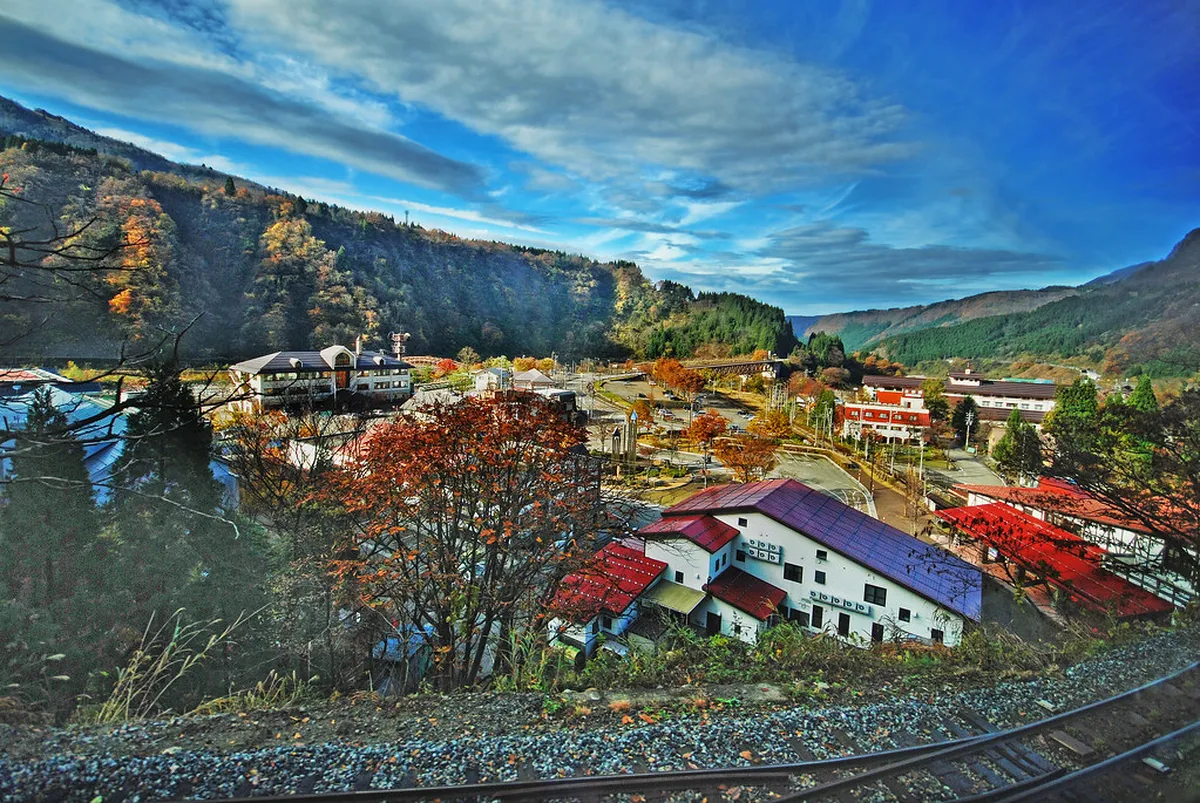
The spectacle exists because this stretch of alpine road sits in one of the world's highest-snowfall zones, regularly accumulating 15 to 20 meters of snow over winter. Each March, a fleet of heavy snowplows begins clearing the road from both ends, working toward Murodo for six to eight weeks. The resulting canyon walls are not natural formations but the direct product of that clearing process, which is itself a remarkable engineering operation.
The corridor is accessible only from mid-April through late June before the snow melts enough to lower wall heights significantly. Private vehicles are banned on the alpine road, so all visitors travel by bus, cable car, or ropeway depending on which segment they are covering. The Murodo plateau area also offers volcanic ponds, hiking trails, and mountain lodges that make a full-day visit worthwhile.
When to Visit for the Tallest Walls
Timing is everything at Yuki no Otani, and most visitors underestimate how quickly the walls shrink across the season. Mid-April brings the tallest walls, often exceeding 18 to 20 meters, because the snowpack is still near its seasonal maximum. By late May, the same corridor may stand only 8 to 12 meters high, and by the final weeks of June the walls can drop below 5 meters.
The trade-off with an April visit is colder temperatures and a higher chance of overcast skies, which can reduce the dramatic contrast between blue sky and white snow in photos. May strikes the best balance for most travelers: walls remain impressive at 12 to 16 meters, temperatures are slightly warmer, and the "Yuki-no-Otani Walk" guided program is still operating. Late June visitors will see significantly shorter walls, but they benefit from the warmest conditions and the possibility of combining the visit with early-summer alpine wildflowers around Murodo.
The 2026 season is expected to follow the standard mid-April opening, though the best time to visit Tateyama-Kurobe depends partly on current snowfall levels, which vary year to year. Always check the official Tateyama Kurobe Alpine Route site for the confirmed opening date before booking travel, as heavy snow years can delay or advance the schedule by a week or two. Weekday visits in late April and early May typically have shorter queues at the bus terminals than Golden Week holidays, which fall in late April to early May.
Walking the Snow Corridor at Murodo
The visitor experience begins with a bus ride through the snow corridor, which all passengers on the Murodo-bound service travel whether or not they intend to walk. Once at Murodo station, visitors can retrace the route on foot for approximately 500 meters through the canyon. This walkable stretch is the core of the Yuki no Otani experience, and it is free once you are already at Murodo — no separate entry fee applies for the walk itself.
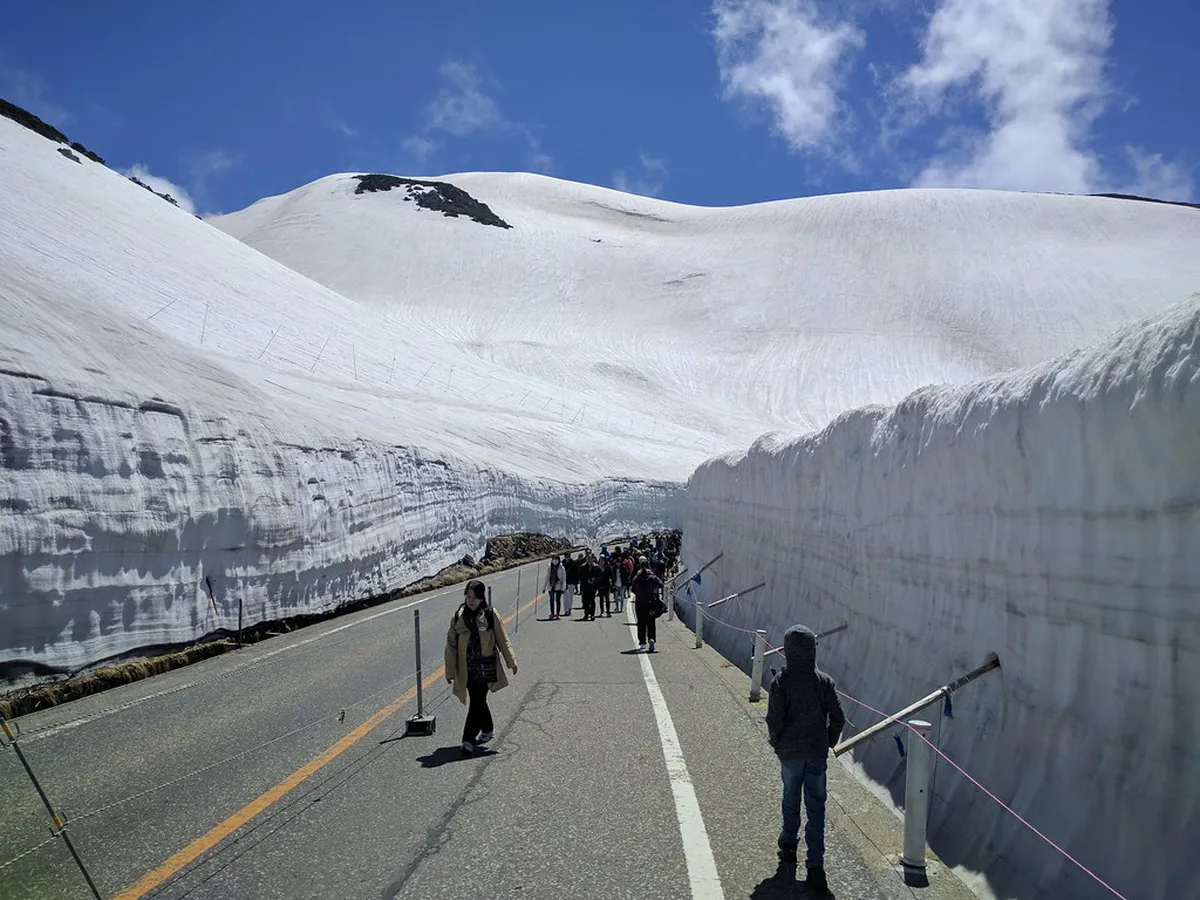
From late April through May, the operating company runs a structured program called the Yuki-no-Otani Walk, which guides groups through the corridor at set departure times. The guided walk adds context about the snowplow operation, wall measurements, and the alpine ecology of the surrounding area. Participation in the organized walk is free, though spaces are limited and the morning sessions tend to fill quickly on weekends.
Photography is the primary reason most visitors walk the corridor rather than simply riding the bus through it. The most photogenic position is near the midpoint of the walkable section, where the walls are closest together and the canyon appears most enclosed. Arrive at Murodo before 10:00 to secure the best light and the least crowded framing, as tour groups from Toyama typically arrive in volume between 10:30 and 13:00.
Beyond the snow wall itself, Murodo offers the short trail to Mikurigaike Pond, a volcanic crater lake that is often partially ice-covered in April and May. The combination of the snow corridor and the crater pond makes Murodo the most rewarding single stop on the entire alpine route. Allow at least two to three hours at Murodo if you want to walk the corridor and explore the plateau without feeling rushed.
Getting There: Access and Ticket Costs
Two entry points serve the Tateyama Kurobe Alpine Route: Tateyama on the Toyama (northwest) side, and Ogizawa near Shinano-Omachi on the Nagano (southeast) side. Most visitors entering from the Toyama side take the Toyama Chiho Railway from Dentetsu Toyama Station to Tateyama Station, with a fare of around 1,200 yen. From Tateyama Station, a cable car and bus series then climbs to Murodo — this combined segment costs additional fees that vary by transport pass.
Visitors approaching from the Nagano side can take the Ogizawa-Omachi bus from Shinano-Omachi Station to Ogizawa terminal, with a fare of approximately 1,360 yen. From Ogizawa, an electric trolley bus then travels directly through a tunnel to Kurobe Dam, and onward connections continue up to Murodo. Private cars may not enter the alpine road at any point; all transport must be on the official route vehicles.
The Murodo area operates its visitor access window from 9:30 to 15:30, which means the last bus from Murodo back toward either terminus departs around mid-afternoon. Visitors who arrive on the last morning buses have limited time before the return services run, so an early start from either Toyama or Nagano is strongly recommended. Full through-route passes (covering the entire 37km road from Tateyama to Ogizawa or reverse) are available and cost significantly less per segment than buying individual tickets.
- Toyama side access via Chiho Railway
- Take the Toyama Chiho Railway from Dentetsu Toyama Station to Tateyama Station, fare around 1,200 yen.
- Continue by cable car and bus from Tateyama Station up to Murodo, with additional segment fares applying.
- Nagano side access via Ogizawa bus
- Take the Ogizawa-Omachi bus from Shinano-Omachi Station to Ogizawa terminal, fare around 1,360 yen.
- Continue by electric trolley bus and ropeway from Ogizawa through Kurobe Dam up to Murodo.
- Murodo visitor access window
- The access window runs from 9:30 to 15:30, so plan to arrive early to maximize time at the snow wall.
- Last buses depart Murodo in mid-afternoon — missing them means an unplanned overnight at the mountain lodge.
What to Pack and How to Prepare
The single biggest mistake visitors make is dressing for spring rather than for altitude. Even in late May, temperatures at Murodo's 2,450-meter elevation regularly drop below 5°C, and wind chill can make it feel colder still. A mid-layer fleece and a windproof outer shell are essential even for visitors arriving from warm lowland cities on the same day.
Sun protection is equally critical and easier to overlook: the snow surface reflects ultraviolet radiation at high intensity, and altitude reduces the atmospheric filter. Pack UV-blocking sunglasses, sunscreen of at least SPF 30, and a hat or cap to prevent burns during even a short corridor walk. Visitors who arrive without sunglasses often find the brightness actively uncomfortable, particularly in mid-April when snow covers everything in sight.
Footwear should be waterproof or at minimum water-resistant, because the snow floor of the corridor is compacted but not dry. Slush and meltwater collect underfoot from mid-morning onward as temperatures rise, and standard sneakers will be soaked within minutes. Hiking boots or waterproof trail shoes provide traction on the uneven compacted snow and keep feet dry for the return walk.
Arriving early in the morning, before 10:00 if possible, delivers two practical benefits: shorter queues at bus terminals and better photography conditions before crowds fill the corridor. Tour groups from Toyama and charter buses from Kanazawa typically converge on Murodo between 10:30 and 13:00, which is the busiest and loudest window of the day. Staying for lunch at the Murodo terminal building and then walking the corridor again around 14:00 is a useful tactic for quieter afternoon light and thinning crowds.
Frequently Asked Questions
What does Yuki no Otani mean in Japanese?
Yuki no Otani (雪の大谷) translates as "the great valley of snow." The name describes the deep corridor carved through the winter snowpack on the Tateyama Kurobe Alpine Route near Murodo station. At its peak in mid-April, the walls of this snow valley can reach up to 20 meters in height.
Is the Yuki no Otani snow wall walkable, and is there an entry fee?
Yes, visitors can walk approximately 500 meters through the snow corridor at Murodo. There is no separate entry fee for the walk itself — access is included once you reach Murodo by the alpine route buses. A free guided Yuki-no-Otani Walk program also runs from late April through May at set departure times. Check Tateyama-Kurobe attractions for season-specific details.
When does the Yuki no Otani snow wall open in 2026?
The Yuki no Otani snow wall typically opens in mid-April each year, once snowplows have cleared the Murodo road section. The 2026 opening date follows the same seasonal schedule, though the exact date depends on that winter's snowfall. The corridor remains accessible through late June, with wall heights decreasing steadily from mid-April onward.
How do you get to the Yuki no Otani snow wall from Tokyo?
From Tokyo, take the Hokuriku Shinkansen to Toyama (about 2.5 hours), then the Toyama Chiho Railway to Tateyama Station (around 1 hour, fare 1,200 yen), and continue by cable car and bus up to Murodo. Alternatively, travel to Nagano by Shinkansen and connect to Shinano-Omachi for the Ogizawa bus approach. Plan for a full-day trip or overnight at Murodo lodge.
The Yuki no Otani snow wall at Murodo rewards the effort of reaching it with a genuinely rare experience — a walkable canyon of snow that exists for only a few weeks each spring. Timing your visit for late April to mid-May balances impressive wall heights, reasonable temperatures, and access to the guided Yuki-no-Otani Walk program. Booking bus and rail tickets in advance, particularly for Golden Week, prevents the main logistical frustration most first-time visitors encounter.
Pack warm layers, waterproof footwear, and strong sun protection regardless of the forecast in the lowlands below. Arriving early keeps queues manageable and gives the best photography conditions before tour groups fill the corridor. The snow wall is one stop on a longer alpine route journey — combining it with Kurobe Dam: Japan Travel Guide 2026 and Mikurigaike Pond makes the full day one of Japan's most memorable mountain itineraries.
For tickets, hours and visitor details, see our Yuki-no-Otani Snow Wall Visitor Guide: Plan Your Tateyama Alpine Route Trip, Tateyama-Kurobe attractions hub.
Free guide: Japan's Hidden Gems
12 under-the-radar places beyond Tokyo & Kyoto — with the best season to visit each and a local tip you won't find in the guidebooks.
You might also like



Continue reading
More guides you'll find useful

