What to Eat in Shirahama: 8 Local Dishes and Food Experiences (2026 Guide)
What to eat in Shirahama in 2026: 8 dishes and food experiences, from Tore Tore Market tuna to winter kue hot pot and ryokan kaiseki dinners.
On this page
Last updated August 2026, what to eat in Shirahama starts with fresh tuna, winter kue grouper, and Kishu ume and mikan. Shirahama sits on the Kuroshio Current, the warm Pacific flow that keeps the Tore Tore Ichiba market stocked with fish year-round. This guide maps the market stalls, ryokan dinners, and roadside sweets worth building into a one-day food itinerary.
Why Shirahama's Seafood Stands Out
Shirahama sits on the Kuroshio Current, the warm Pacific flow that carries a wide range of fish along the Wakayama coast. The same current that brings coral and colorful reef fish to local dive sites also diversifies the day's catch at the docks. Nearby Katsuura is one of the region's major tuna-landing ports. Much of that catch reaches Shirahama's market stalls and kaisendon counters within a day. That proximity keeps tuna quality high, even in a town better known nationally for its beaches and hot springs. Wakayama's citrus groves and plum orchards sit inland from the coast. They feed the Kishu ume and mikan that turn up in market snacks and souvenir shelves throughout the year. Fishing and produce seasons overlap and shift, so it helps to know roughly when each specialty is at its best. That mix of nearby tuna, migratory grouper, and inland citrus is what separates Shirahama's food scene from a typical resort town.
| Season | What's Best |
|---|---|
| Winter (December-February) | Kue hot pot at its peak; strong months for tuna kaisendon |
| Autumn-Winter | Ise-ebi (spiny lobster), sashimi or grilled |
| Winter-Spring | Mikan varieties turn over as the season progresses |
| Summer | Ayu (sweetfish) around Takinohai; the busiest beach season at Tore Tore Ichiba |
| Year-round | Tuna kaisendon and umeboshi-based products at Tore Tore Ichiba |
8 Things to Eat in Shirahama
These eight dishes and food experiences cover Shirahama's range, from a five-minute market snack to a multi-course ryokan dinner. Availability shifts with the seasons, so check timing before building an itinerary around any single item.
- Fresh Tuna and Kaisendon
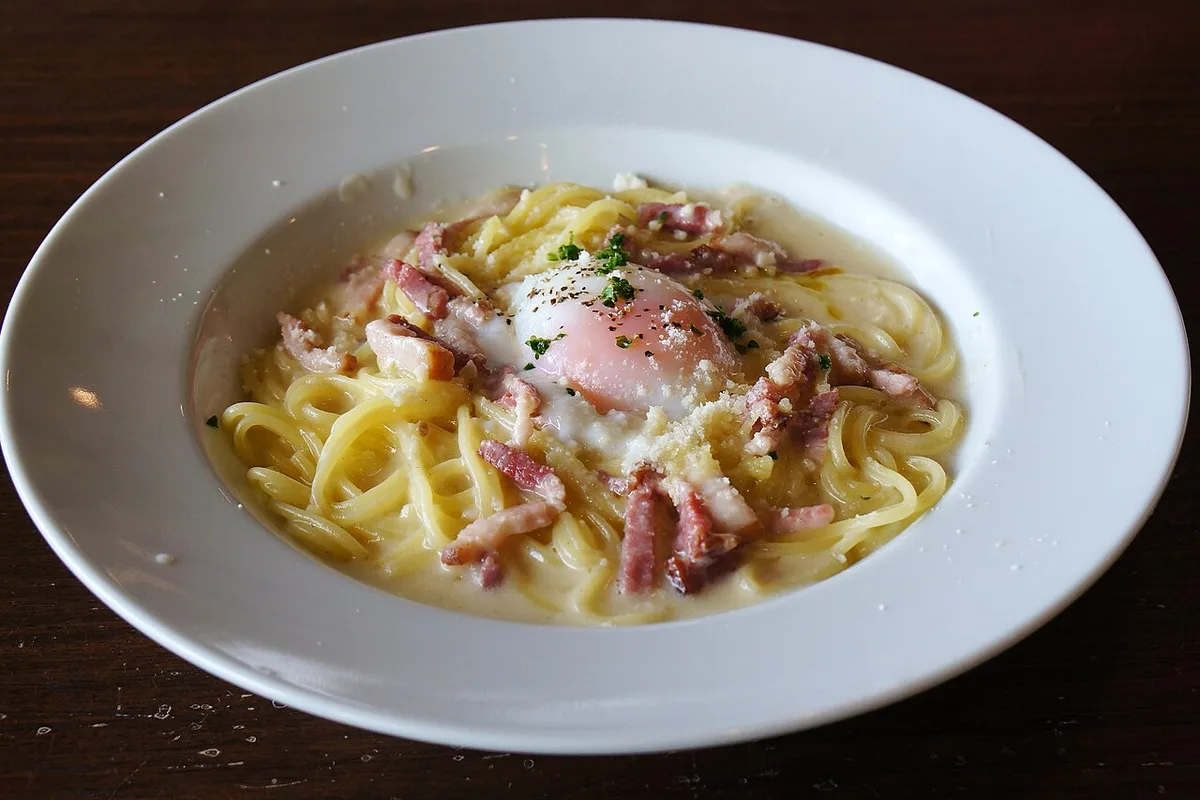
- Kaisendon, a sashimi rice bowl, is the fastest way to try tuna landed near Katsuura and sold at Tore Tore Ichiba.
- Market stalls slice bowls to order, while sit-down counters inside the market add cooked toppings like grilled eel or tamago.
- Expect the freshest cuts in the morning, since popular items sell out as the day goes on.
- Kue (Longtooth Grouper) Hot Pot
- Local anglers call kue the 'phantom fish' because it is hard to catch and rarely appears on menus outside its winter season.
- The dish to order is kue nabe, a hot pot that simmers the grouper's meat, skin, and collagen-rich parts together, typically from October through March.
- For restaurant picks and how the hot pot is served, see the Shirahama Kue Hot Pot: Where to Eat Wakayama's Phantom Fish.
- Ise-Ebi (Spiny Lobster), Sashimi or Grilled
- Ise-ebi is a seasonal specialty, most widely available in autumn and winter.
- Restaurants typically serve it two ways: raw as sashimi, still in the shell, or grilled whole over charcoal.
- In nearby Kushimoto Town, Bentenmae Shokudo serves an Ise-ebi tendon, a tempura rice bowl built around the whole lobster.
- Grilled Seafood at the Tore Tore Market BBQ Area
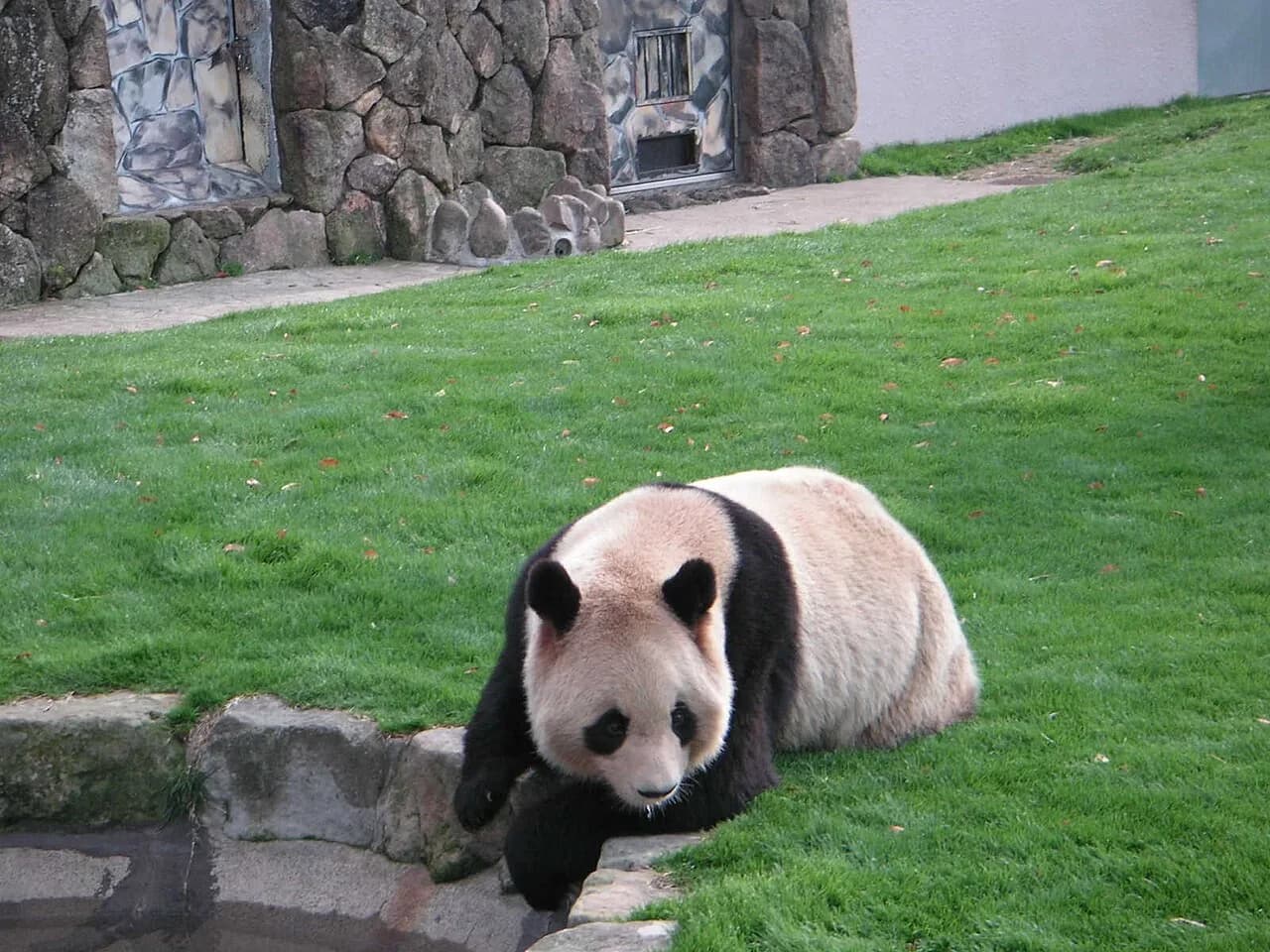
- Buy raw shellfish, fish, or squid at the market, then carry it straight to the public grill area to cook it yourself.
- It costs less than a sit-down seafood restaurant meal, since the price covers only the raw ingredients purchased.
- For a fuller list of grill-and-eat spots and fishermen's restaurants nearby, see the seafood BBQ and fishermen's restaurants guide.
- Ryokan Kaiseki Dinners
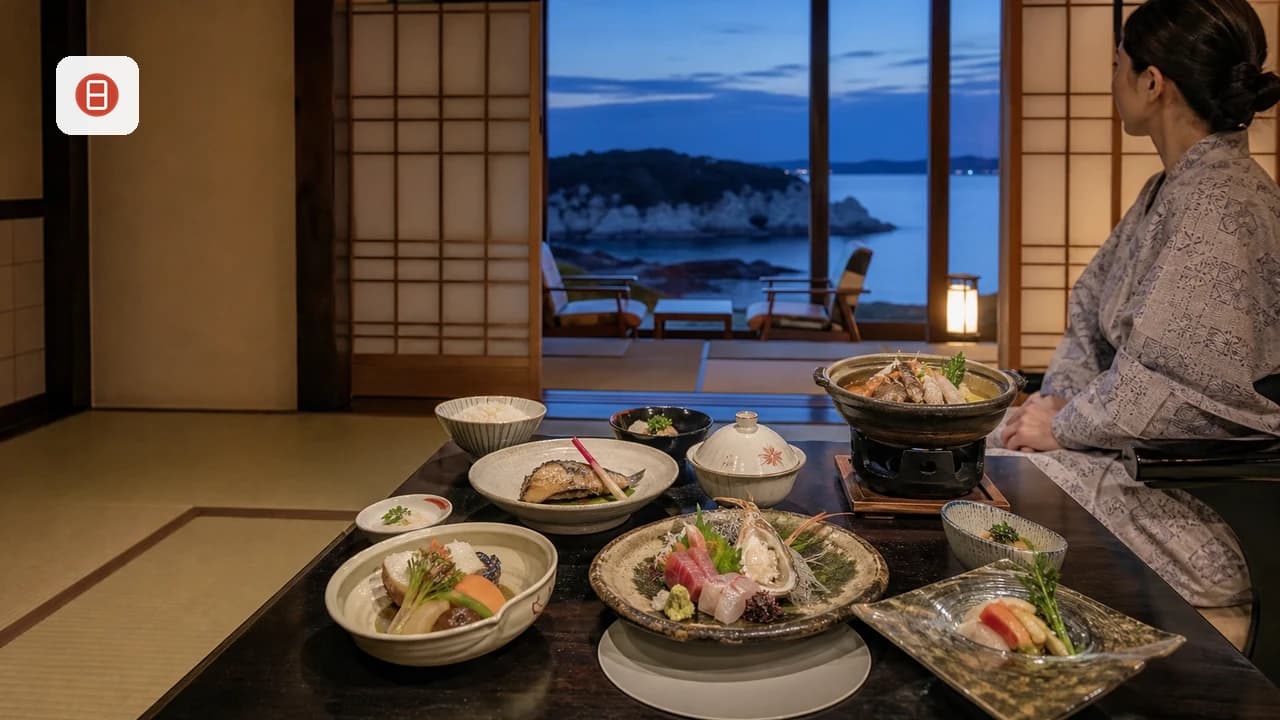
- Ryokans built around seafood, including Hotel Musashi and Infinito Hotel and Spa, serve multi-course kaiseki dinners as part of an overnight stay.
- Courses typically move from sashimi through grilled and simmered dishes, ending with rice, soup, and a seasonal dessert.
- The ryokan kaiseki guide breaks down what to expect course by course.
- Kishu Umeboshi (Pickled Plum)
- Tore Tore Market stocks pickled plums alongside yuzu and umeboshi-based sauces, both regional Wakayama specialties.
- Grades vary mostly by salt level and plum size, so sampling before buying is worth the extra few minutes at a stall.
- The Kishu ume and mikan guide covers which grades suit gifts versus everyday eating.
- Mikan (Mandarin Orange) Juice and Sweets
- Wakayama's citrus groves supply fresh mikan and mikan juice sold at market stalls and roadside stands around town.
- Soft-serve, juice, and mochi flavored with mikan show up in shops near the beach and around Senjo-jiki.
- Season and variety shift through the year, so ask a stall vendor what is freshest that week.
- Panda-Themed Snacks Near Adventure World
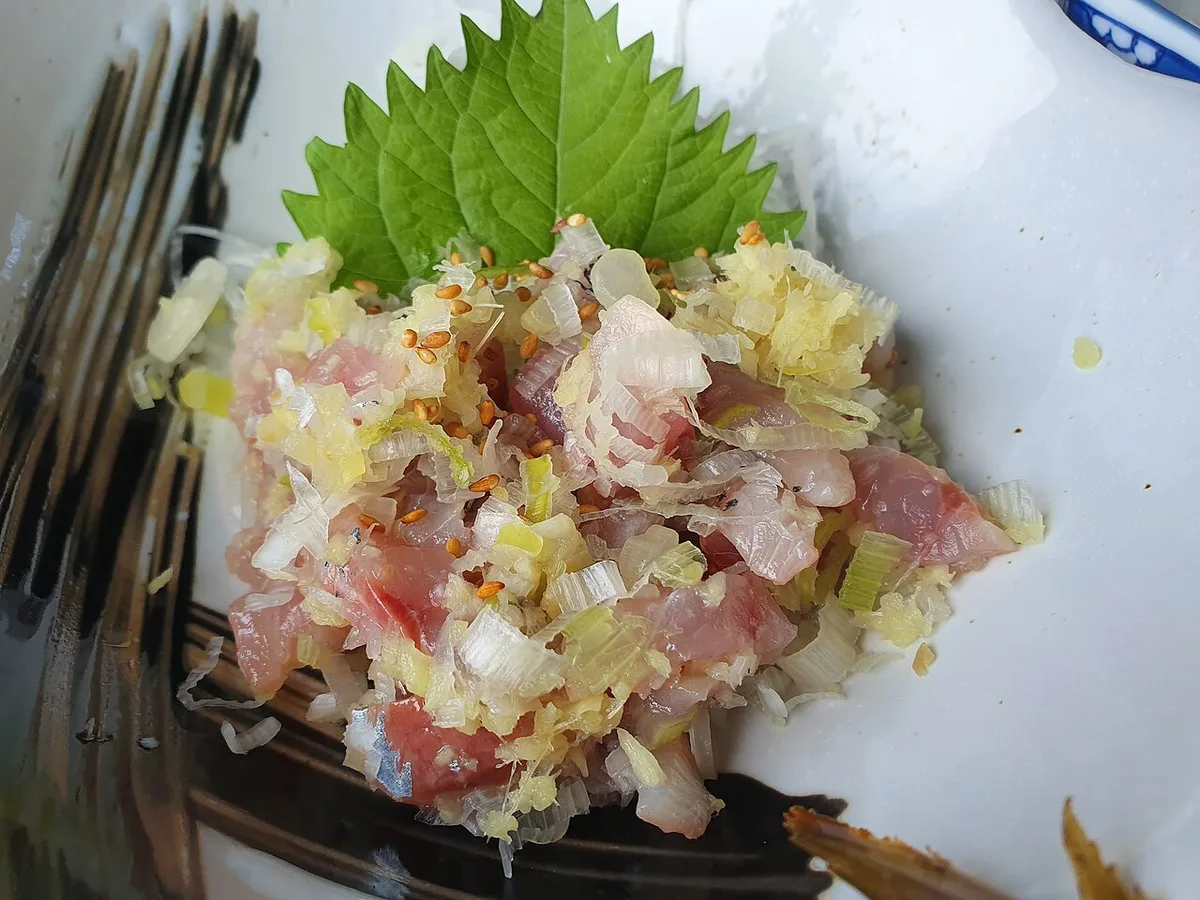
- Shirahama leans into its panda fame, since Adventure World rears the largest number of giant pandas in Japan.
- Bakeries and souvenir shops sell panda-shaped buns, cookies, and character snacks around town and near the park entrance.
- Pair a snack stop with Adventure World itself, since it is the source of most of the panda-themed food nearby.
Tore Tore Ichiba: Shirahama's Central Food Market
Tore Tore Ichiba sits near JR Shirahama Station. It functions as the town's central seafood market, often described as one of the larger markets in western Japan. Stalls sell sushi, ramen, tempura, and other ready-to-eat items alongside raw fish, produce, and souvenirs like sake and citrus sauces. A public BBQ area lets shoppers grill whatever they just bought, and a tuna cutting demonstration draws a crowd most days. Toretore Park, the wider complex around the market, also has hot spring facilities and overnight accommodation on site. That makes it possible to combine a seafood meal with a soak and a stay without moving between separate locations. Pro tip: the tuna cutting demonstration draws the day's biggest crowd, so stand near the front early rather than drifting over once it starts. Cuts sold immediately after the show tend to be the freshest available that day. The Tore Tore Market food guide covers stall-by-stall picks in more detail.
| Detail | What to Know |
|---|---|
| Location | Near JR Shirahama Station |
| Hours | Historically 8:00 AM to 5:00 PM; confirm before you go |
| Tuna cutting show | Held most days; ask at the entrance for that day's time |
| BBQ area | Buy raw seafood at a stall, then grill it yourself on site |
| Busiest window | Midday, roughly 12:00 PM to 1:30 PM |
Market Stalls, Ryokan Kaiseki, or Ocean-View Cafes: How to Choose
Shirahama's food scene splits into three practical choices: fast market eating, formal ryokan dinners, and relaxed cafes. Each suits a different kind of day, and combining two of them across a single trip is common. Auberge de South Terrace is a boutique hotel on a hillside above the water. It adds a fourth option: a French-Japanese tasting menu served with an ocean and sunset view. It sits roughly a 15-minute walk from the main beach and about a 10-minute walk from Senjo-jiki. Ryokan stays typically bundle a soak with dinner. Hotel Musashi rents cotton yukata and geta sandals for guests who want to wear them to and from the bath before the kaiseki course begins. Infinito Hotel and Spa goes further, with some rooms holding private indoor or outdoor onsens alongside its restaurant. Cafes near Koibito-misaki Cape keep menus simple. Expect coffee, light lunches, and desserts built around seasonal mikan.
| Style | Where | Best For | Trade-off |
|---|---|---|---|
| Market stalls | Tore Tore Ichiba | Quick meals and BBQ grilling | Casual seating, no reservation needed |
| Ryokan kaiseki | Hotel Musashi, Infinito Hotel and Spa | A multi-course seafood dinner bundled with the stay | Fixed dinner times, usually booked with the room |
| Ocean-view cafes | Near Shirarahama Beach and Koibito-misaki Cape | Coffee, light meals, and a sea view | Smaller menus than a full restaurant |
A Sample One-Day Shirahama Food Route
A single day can realistically cover market eating, a sightseeing break, and a formal dinner if the stops are sequenced well. This route follows one practical order from morning to evening.
The sample route assumes roughly 20 minutes by car between major stops; an early market arrival (before 11:00 AM) is critical both to secure fresh tuna and build a realistic schedule around travel time.
- Morning: Tore Tore Ichiba
- Arrive before 11:00 AM to beat the midday rush and catch the tuna cutting demonstration.
- Buy sashimi-grade cuts for a kaisendon bowl, or raw seafood to grill later at the BBQ area.
- Midday: Market BBQ or a Kaisendon Lunch
- Grill your own catch at the public BBQ area, or sit down at a stall counter for a finished bowl.
- Eating before 12:00 PM avoids the worst of the lunchtime crowd.
- Afternoon: Senjo-jiki or Sandanbeki, with a Sweets Stop
- Walk the rock formations at Senjo-jiki, or take the elevator down to the Sandanbeki caves.
- Small stalls nearby sell mikan and ume sweets for the walk back.
- Early Evening: Sakinoyu Onsen
- This 1,300-year-old hot spring makes a natural pre-dinner stop before a kaiseki meal.
- Waves sometimes reach the stone pools, so check conditions before soaking.
- Evening: Ryokan Kaiseki or an Auberge Dinner
- Sit down to a multi-course seafood dinner at a ryokan such as Hotel Musashi or Infinito Hotel and Spa.
- For a different pace, book the French-Japanese tasting menu at Auberge de South Terrace instead.
Planning a Shirahama Food Day: Costs, Timing, and Getting Around
Budgets swing widely across a single day in Shirahama. A market BBQ lunch costs far less than a formal kaiseki dinner at a ryokan. Kaiseki is typically bundled into the room rate rather than billed separately. Cafe meals near the beach sit in between those two, closer to the market end than the ryokan end. Seafood pricing shifts with the catch and the season. Check the current board at Tore Tore Ichiba, or a restaurant's posted menu, on the day of your visit. Most ryokan and auberge dinners need a same-day or advance reservation, unlike the market's walk-up counters. Peak crowding at Tore Tore Ichiba runs from about 12:00 PM to 1:30 PM, when tour buses and day-trippers arrive together. Arriving before 11:00 AM or after 2:00 PM avoids most of that rush. Getting between JR Shirahama Station and the main food clusters, including the market and the beachfront ryokans, takes roughly 20 minutes by car. Walking between beach-adjacent spots is realistic, but reaching Sandanbeki or Senjo-jiki on foot from the station is not. Pair a food-focused day with non-food stops like Sandanbeki or Adventure World. The Shirahama attractions guide covers those in more depth.
Mistakes to Avoid When Eating in Shirahama
Three planning slips repeat often enough to call out directly.
Kue earns its local nickname 'phantom fish' for being hard to catch, and this rarity extends to availability—it appears on menus only from October through March, making it a seasonal pursuit for serious food travelers.
- Assuming Kue Is Available Year-Round
- Kue hot pot is a winter dish, typically served October through March.
- Ordering it in summer usually means it is off the menu entirely.
- Arriving at Tore Tore Market Too Late
- Fresh stock thins out by mid-afternoon, and some stalls sell out of the best cuts before 2:00 PM.
- Morning visits get first pick of the tuna cutting show and the freshest sashimi-grade fish.
- Skipping the Sweets and Souvenir Stalls
- Small shops near Senjo-jiki sell mikan and ume sweets alongside the usual souvenirs.
- Similar stalls cluster near Sandanbeki, so a cliffside stop doubles as a snack break.
Explore food in other cities
Frequently Asked Questions
What is the signature dish to try in Shirahama?
Fresh tuna kaisendon at Tore Tore Ichiba is the easiest signature dish to start with. For something rarer, look for kue hot pot between October and March.
When is kue (longtooth grouper) in season?
Kue is primarily a winter fish, available roughly from October through March. Outside that window, most restaurants will not have it on the menu.
What time should you go to Tore Tore Market to avoid crowds?
Aim to arrive before 11:00 AM or after 2:00 PM. The busiest window is roughly 12:00 PM to 1:30 PM, when tour groups and day-trippers overlap.
Is it cheaper to eat at the market or at a restaurant?
Market BBQ, where you buy raw seafood and grill it yourself, generally costs less than a sit-down restaurant meal. Ryokan kaiseki dinners sit at the top end, usually bundled into an overnight room rate.
How much time should you plan for a Shirahama food day?
A half day covers the market, a BBQ lunch, and a sweets stop near Senjo-jiki. A full day adds a ryokan kaiseki dinner or an ocean-view cafe stop near Shirarahama Beach.
Is Tore Tore Market walkable from JR Shirahama Station?
Tore Tore Ichiba sits near JR Shirahama Station, making it one of the easier stops to reach without a car. Ryokans, Sandanbeki, and Senjo-jiki are farther out and usually need a taxi, rental car, or local bus.
What should you eat if you only have time for one meal in Shirahama?
Make it a kaisendon at Tore Tore Ichiba. It covers the tuna quality Shirahama is known for in a single, quick meal.
Explore Shirahama Food and Dining
Use these guides to compare local dishes, dining areas and practical food experiences in Shirahama.
Food and Dining Guides
Free guide: Japan's Hidden Gems
12 under-the-radar places beyond Tokyo & Kyoto — with the best season to visit each and a local tip you won't find in the guidebooks.
You might also like


Continue reading
More guides you'll find useful