Shirahama Seafood Barbecue Restaurants (2026): Toretore Market vs Harbor Grills
Shirahama seafood barbecue restaurants in Wakayama: Toretore Market, harbor terraces, prices, hours, and rainy-day options for 2026 trips.
On this page
Last updated August 2026: Shirahama seafood barbecue restaurants in Wakayama center on Toretore Market's buy-and-grill pavilion and a few harborside hamayaki huts near Shirahama Beach. Search results for the same phrase also surface a similarly named oyster hut in Itoshima, Fukuoka, and a seasonal beach BBQ zone in Takahama, Fukui. This guide separates all three locations, then covers catch season, transport, prices, and rainy-day options for the Wakayama spots.
Shirahama Seafood Barbecue Restaurants in Wakayama: Where to Start
Wakayama's Shirahama built its seafood barbecue reputation around one idea: buy fresh catch, then grill it yourself. Toretore Market anchors that scene with a market hall next to an outdoor BBQ pavilion, where shoppers carry their selections straight to a grill station. The Toretore Market Food Guide: What to Eat in Shirahama (2026) covers stall-by-stall picks and current operating hours in detail. Fisherman's Wharf Shirahama offers a second style: terrace seating with harbor views, geared toward sunset dining rather than DIY grilling. Smaller hamayaki huts cluster near Shirahama Beach, serving grilled sets to walk-in diners without a market stop first. Between the three, Shirahama covers most of what travelers mean by a seafood BBQ trip, from hands-on grilling to a seated harbor dinner. For a broader view of Shirahama's food scene, the Shirahama food guide maps out sashimi counters, rice bowl shops, and seasonal specialties beyond BBQ.
Toretore Market: Buy-Your-Own Seafood BBQ
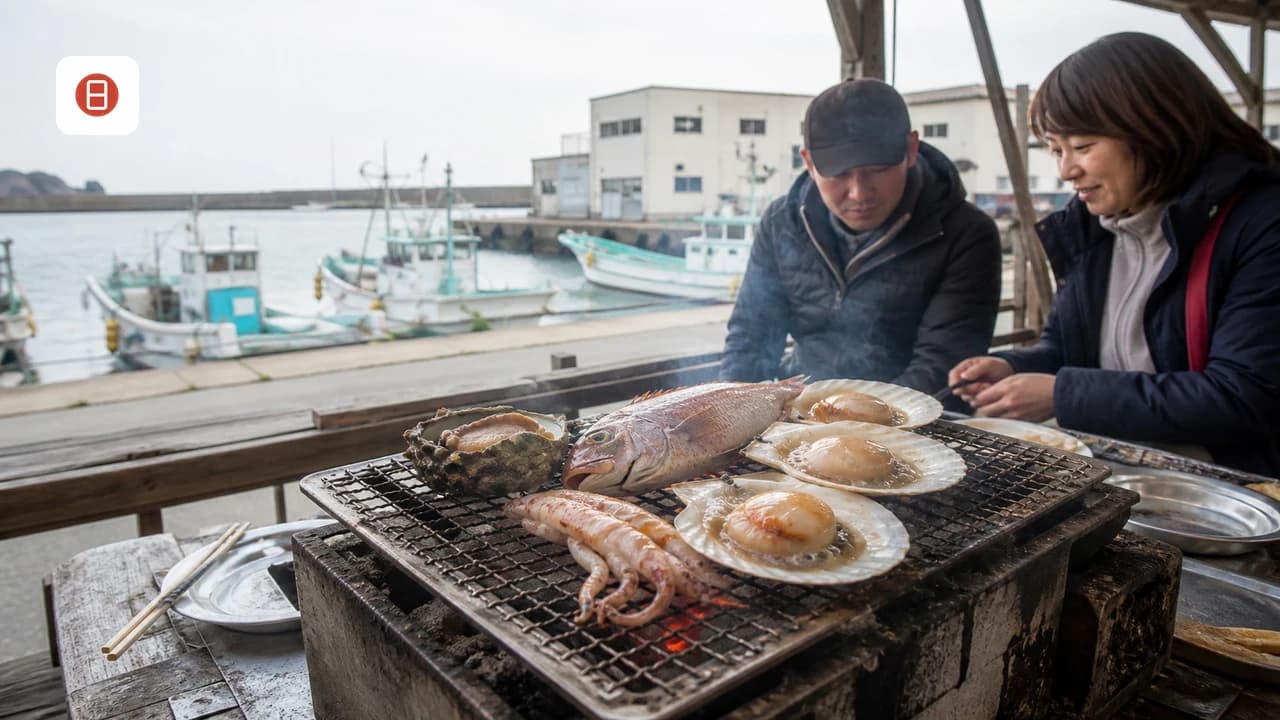
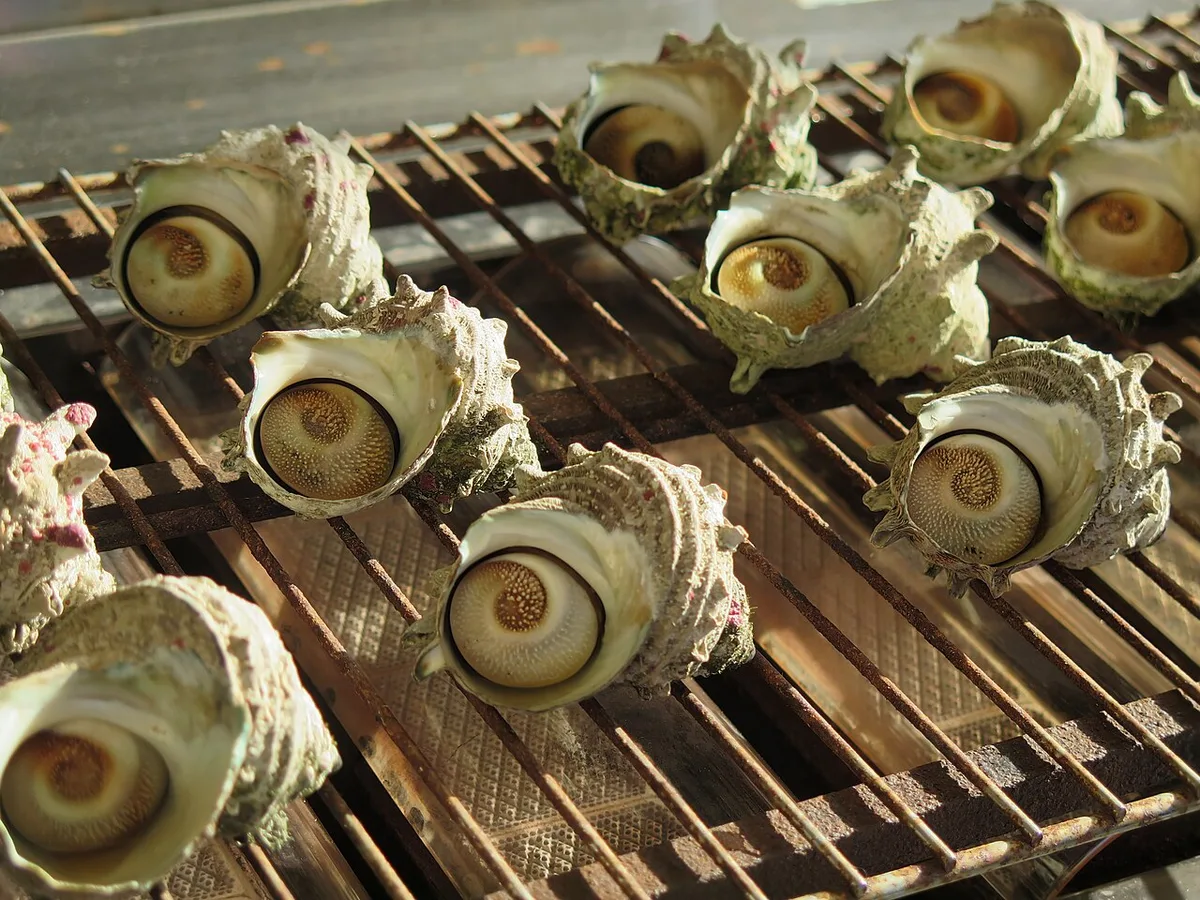
At Toretore Market, the routine is simple. Pick live or fresh seafood at market stalls, then carry it to the attached BBQ pavilion to grill at your own table. Typical picks include sazae (turban shell), scallops, and tiger prawns, alongside whatever the day's catch brings in. Expect a table or pit fee in the ¥300 to ¥800 range at this style of self-grill venue. That fee is charged separately from the seafood, which is priced by weight at the counter. Because Toretore is market-adjacent, it works differently from a set-menu restaurant: diners choose and pay for ingredients first, then grill, rather than ordering a fixed course. That distinction matters when budgeting, since a small party might spend far less than a group ordering several trays of shellfish. Large parties can typically be accommodated at pavilion-style BBQ halls like this, though confirming capacity directly is worth doing before a big group trip. Catch availability shifts with the season, so scallops and shellfish tend to stay in stock more reliably than specific finfish on any given visit. Checking the market a day or two ahead, where possible, helps set expectations for what will actually be on the ice.
Fisherman's Wharf and Hamayaki Huts Near Shirahama Beach
Terrace-style venues near the harbor trade the buy-your-own routine for a fixed menu, which suits diners who want sunset seating without shopping first. These restaurants fall into a menu-only category: you order from a printed list rather than picking ingredients at a counter. That distinction is the first thing to check before booking, since a menu-only restaurant won't have a market counter to browse. Smaller hamayaki huts near Shirahama Beach tend to run simpler, grilled-to-order sets rather than the full spread found at a larger pavilion. Portion sizes and available seafood can vary hut to hut, so asking what's fresh that day is worth doing before ordering. Seating at harbor-facing tables is often limited during peak sunset hours, so arriving a little early or calling ahead helps secure a table with a view. Some hamayaki huts accept walk-ins only, while others take same-day reservations by phone, so calling ahead removes some guesswork. Between Toretore's self-grill counter and a fixed-menu terrace table, the choice mostly comes down to whether hands-on grilling or a seated harbor dinner fits the trip better.
Location Mix-Up: Wakayama's Shirahama vs Itoshima's Hamayaki Shirahamaya vs Fukui's Shirahama Beach
Three Japanese destinations share a name close enough to confuse search results. There's Shirahama in Wakayama, the Itoshima district of Fukuoka, and Shirahama Beach in Takahama, Fukui. Itoshima is home to a restaurant called Hamayaki Shirahamaya. The confusion is understandable, since Shirahama is a common Japanese place name meaning roughly white beach, and it turns up along several stretches of coastline. Each place offers a different seafood BBQ experience, so confirming which one you mean matters before booking anything. Hamayaki Shirahamaya sits at Keya fishing port in Itoshima City, Fukuoka, about a 10-minute taxi ride from Kaburi Station on the JR Chikuhi Line. An alternative route runs the Showa Bus from JR Chikuzen-Maehara Station toward Akoya, about 20 minutes, then a 5-minute walk to the restaurant. It opened in 2018 and seats up to 100 guests. Hours run 11:00am to 9:00pm on weekdays, with last order at 8:00pm, and until 10:00pm on weekends and holidays, with last order at 9:00pm. A 90-minute all-you-can-eat course there runs about ¥5,680 per person, and a shuttle service connects the restaurant to Fukuoka City by reservation. Some listings show higher all-you-can-eat course prices as well, so confirming the current course lineup directly before visiting is worth doing. Shirahama Beach in Takahama, Fukui, is a different case again. It's a seasonal, self-serve BBQ zone that operates only in July and August. The fee is ¥300 per person, and reservations aren't accepted. Visitors must bring their own BBQ equipment and register at the nearest beach hut on the day. The table below compares all four options at a glance.
| Location | Style | Price Signal | Best For |
|---|---|---|---|
| Shirahama, Wakayama – Toretore Market | Buy-your-own seafood, grill at pavilion | ¥300–¥800 pit fee, seafood priced by weight | Groups and DIY grillers |
| Shirahama, Wakayama – Fisherman's Wharf and hamayaki huts | Terrace seating, fixed menu | Menu-priced sets | Couples and sunset diners |
| Itoshima, Fukuoka – Hamayaki Shirahamaya | All-you-can-eat set course | About ¥5,680 for 90 minutes | Travelers who actually meant the Fukuoka restaurant |
| Takahama, Fukui – Shirahama Beach BBQ area | Bring-your-own gear, self-grill on sand | ¥300 entry fee, July–August only | Budget beach BBQ, no reservation needed |
Planning Your Visit: Costs, Timing, and What to Wear
Pricing at Wakayama's self-grill venues separates into two parts: an entry or pit fee, and the seafood itself, weighed and priced separately at the counter. Budgeting for both is the main planning task, since the pit fee alone doesn't cover the meal. Arriving outside the midday lunch rush generally means shorter waits at the grill stations. Evening visits let diners time a meal around sunset over the harbor, a draw at terrace-style spots like Fisherman's Wharf. Grill type affects the experience too. Gas-fired roasters, used at some hamayaki-style restaurants, cut down on smoke smell clinging to hair and clothing compared with open charcoal. Splash protection matters more than it sounds. Shellfish such as oysters and clams can pop and release liquid while cooking. Venues that offer a jacket or apron for this reason are worth asking about when booking, since not every spot provides one. Weather is worth checking too, since outdoor pavilions and beach BBQ zones are less appealing in wind or rain, even when a roof covers part of the seating. None of this is complicated, but confirming it ahead saves a wasted trip to the wrong pavilion or a closed grill station. For pairing a seafood BBQ stop with sightseeing, the Shirahama attractions guide lays out a fuller day's route around town. It's useful for building a schedule around a single BBQ meal.
Itoshima's Hamayaki Shirahamaya requires a 10-minute taxi ride from Kaburi Station or about 20 minutes by bus plus a 5-minute walk—substantially longer than reaching Wakayama venues from town. Clarifying which location you mean before booking prevents travel surprises.
Which Seafood BBQ Experience Fits Your Trip
Families with young children tend to do best at market-style venues, where non-seafood options like beef or pork sets are usually available alongside the catch. Couples chasing a view should look toward terrace seating at harbor-facing restaurants, timed for sunset. Larger groups fit best at pavilion-format venues built for volume, since market halls are designed to move many diners through the grill stations at once. Booking ahead matters most for large groups, since pavilion-style seating fills up faster than individual tables. Solo travelers or pairs without a big appetite may find a smaller hamayaki hut easier to navigate than a large market hall. Ordering is simpler there, and portions are more contained. Budget-conscious travelers should factor in that the pit fee is only part of the bill. The seafood itself, priced by weight, can add up quickly with premium items like tiger prawns. Whichever format you choose, confirm child-menu availability and seating capacity directly with the venue. Hours and menus can shift between seasons, so a quick check before heading out saves a wasted trip.
Rainy-Day and Non-BBQ Backup Plans
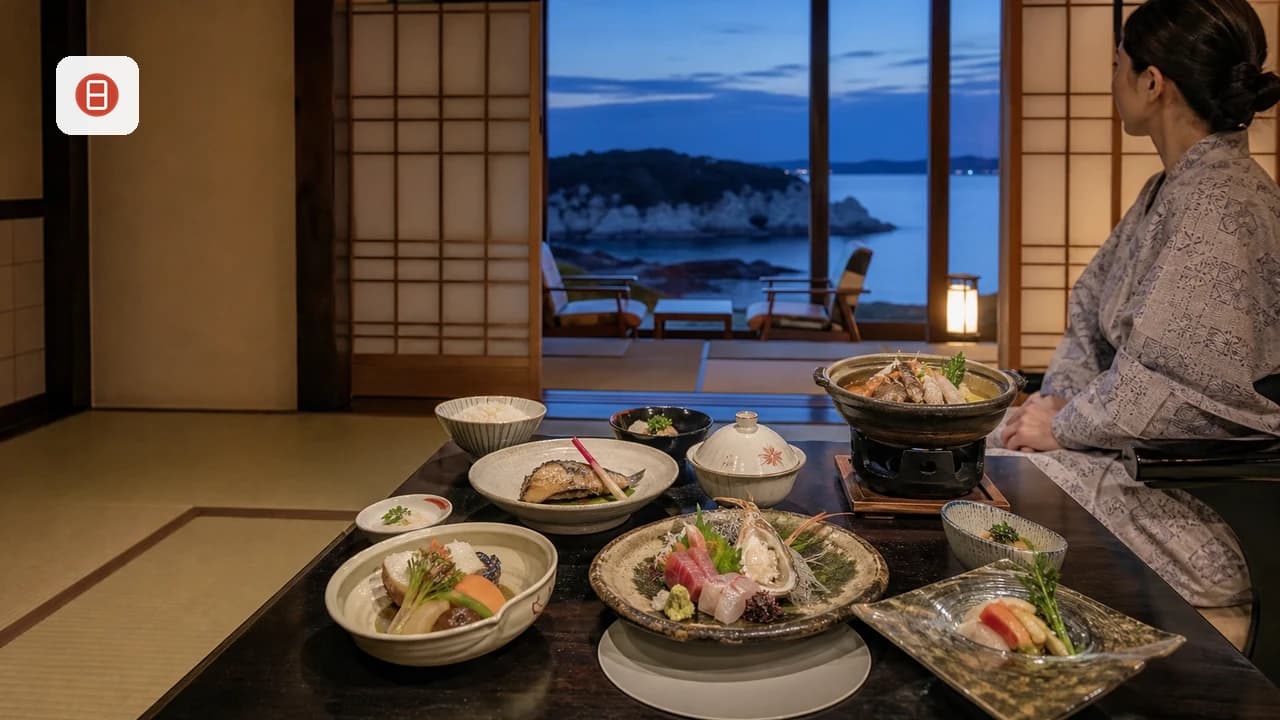
Outdoor grilling doesn't work well in poor weather, so it helps to have a backup plan that doesn't depend on a pavilion or terrace. Not every visit calls for a full BBQ experience anyway. Diners chasing a formal, seated dinner instead of a self-grill table might prefer the kue hot pot guide, an indoor option that works regardless of weather. A traditional multi-course option also exists at the ryokan kaiseki dinner guide, useful for a rainy evening when outdoor grilling isn't appealing. Some Wakayama menus fold local citrus into grilled or glazed seafood dishes. Readers curious about that pairing can check the Kishu ume and mikan guide for more on the region's citrus-based dishes and sweets. Keeping one indoor option in mind alongside a BBQ plan means a wet forecast doesn't have to cancel a seafood-focused evening.
Mistakes to Avoid When Booking Shirahama Seafood BBQ
A few planning slips account for most bad experiences at seafood BBQ venues in and around Shirahama, and most are avoidable with a quick check before booking.
Itoshima's Hamayaki Shirahamaya closes orders at 8:00pm on weekdays, well before typical sunset dining times at Wakayama locations. Confirm which destination you've booked before assuming an evening timeline.
- Confusing market-adjacent and menu-only venues. Toretore Market requires buying seafood first; terrace restaurants serve a fixed menu with no counter stop.
- Missing last order times. Many BBQ venues stop taking orders roughly an hour before closing, so arriving late can mean a shortened meal.
- Assuming any beach allows private BBQ gear. Designated zones, like the one in Takahama, Fukui, require using the marked area and registering on-site rather than setting up anywhere on the sand.
- Booking the wrong city entirely. Confirm whether you mean Shirahama in Wakayama or the Itoshima restaurant in Fukuoka before reserving, since travel times and prices differ substantially between them.
Frequently Asked Questions
Is Shirahama seafood BBQ the same as Hamayaki Shirahamaya in Fukuoka?
No, they're different destinations. This guide's main focus is Shirahama in Wakayama, home to Toretore Market and harborside hamayaki huts. Hamayaki Shirahamaya is a separate restaurant at Keya fishing port in Itoshima, Fukuoka, roughly 50 minutes by car from central Fukuoka City.
What does a seafood BBQ pit fee typically cost in Shirahama, Wakayama?
Self-grill venues typically charge a table or pit fee in the ¥300 to ¥800 range, separate from the seafood, which is priced by weight at the counter. Confirm the current fee schedule directly with the venue before visiting, since pricing can shift by season.
When is the seasonal Shirahama Beach BBQ area in Fukui open?
That designated beach BBQ zone in Takahama, Fukui, operates only during the beach season, from July through August. The fee is ¥300 per person, no reservations are accepted, and visitors need to bring their own BBQ equipment.
Do Shirahama seafood BBQ restaurants have non-BBQ options for a rainy day?
Yes. For a seated dinner instead of outdoor grilling, the kue hot pot guide covers an indoor alternative. The ryokan kaiseki dinner guide is another option worth checking for wet or cooler weather.
What seafood is typically available to grill in Shirahama, Wakayama?
Typical picks include sazae (turban shell), scallops, and tiger prawns, alongside whatever the day's catch brings in. Availability shifts by season, so it's worth confirming current stock at the market counter before ordering.
How do you get to Hamayaki Shirahamaya in Itoshima if that's the restaurant you actually meant?
By taxi, it's about a 10-minute ride from Kaburi Station on the JR Chikuhi Line. By bus, take the Showa Bus from JR Chikuzen-Maehara Station toward Akoya, roughly 20 minutes, then walk about 5 minutes to the restaurant.
Is Toretore Market open every day for seafood BBQ in Shirahama?
Opening days and hours can shift by season, so checking current hours before a visit is worth doing. The Toretore Market Food Guide: What to Eat in Shirahama (2026) has the most current operating details for planning around it.
Free guide: Japan's Hidden Gems
12 under-the-radar places beyond Tokyo & Kyoto — with the best season to visit each and a local tip you won't find in the guidebooks.
You might also like


Continue reading
More guides you'll find useful