What to Eat in Hiraizumi: 6 Local Foods
What to eat in Hiraizumi: the 300-style mochi tradition, Maesawa Wagyu beef, tray-style soba, and where each dish is served near Chuson-ji and the station.
On this page
Last updated August 2026, this guide to what to eat in Hiraizumi starts with mochi, not sushi or ramen. This UNESCO World Heritage temple town in Iwate Prefecture built its food culture around Pure Land Buddhist hospitality and the Fujiwara clan's 12th-century capital. Most kitchens near Chuson-ji and Motsu-ji close by 4:00 PM or 5:00 PM, so the six dishes below also flag where to eat early, from mochi and Maesawa Wagyu to temple-style soba.
6 Best Things to Eat in Hiraizumi
Hiraizumi's menu is short but distinct, shaped by centuries of temple pilgrimage and Iwate's farmland. These six dishes cover the town's signature flavors, each paired with a linked guide for specific restaurants, hours, and neighborhoods.
- Hiraizumi Mochi
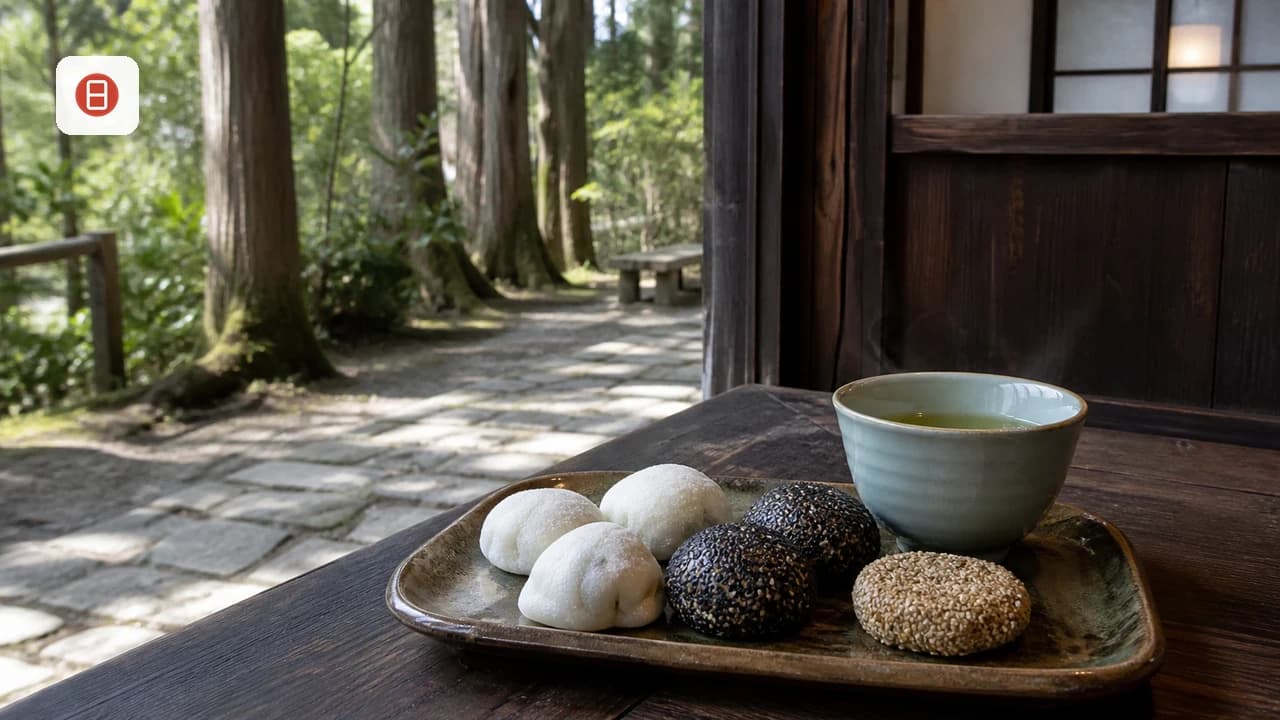
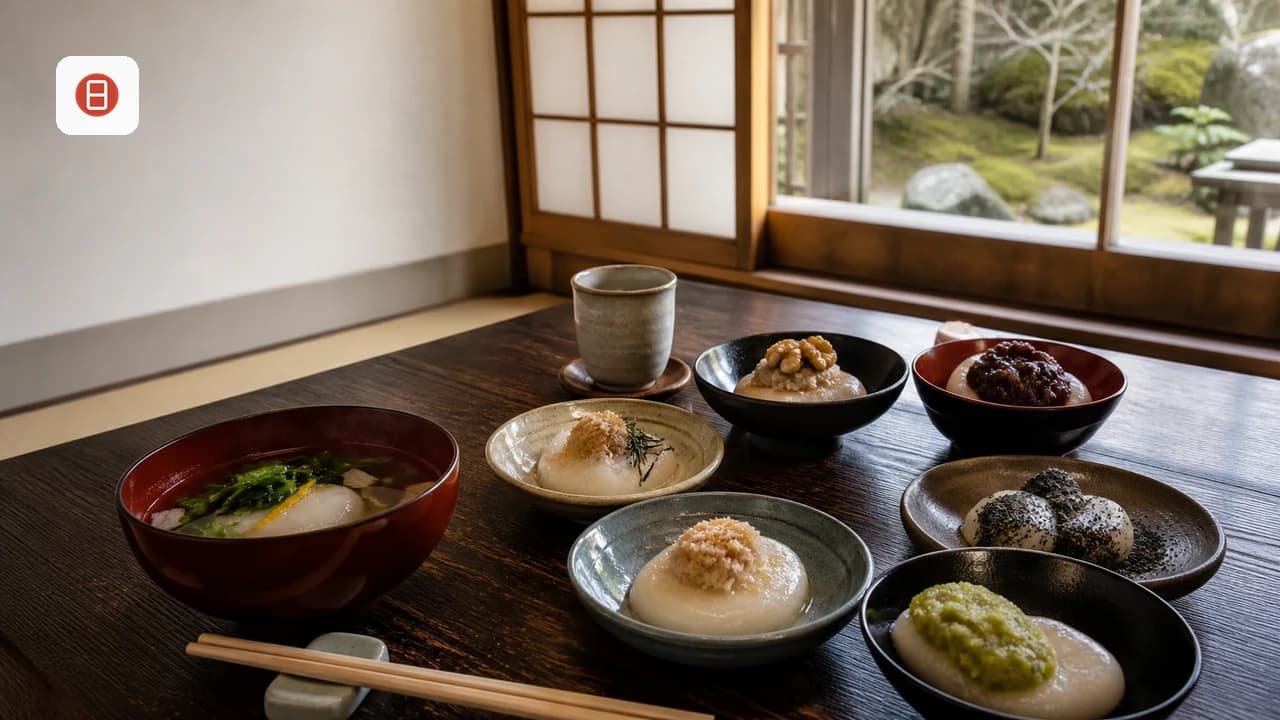
- Ichinoseki and Hiraizumi keep a mochi calendar of more than 300 recorded preparations, a hospitality tradition rather than a New Year snack.
- Common toppings include grated ginger, ground walnut, perilla-seed miso, and sweet red bean, usually served as a multi-style tasting set.
- See the Ichinoseki-Hiraizumi mochi guide for where to order a tasting course near the station.
- Maesawa Beef (Maesawa Gyu)
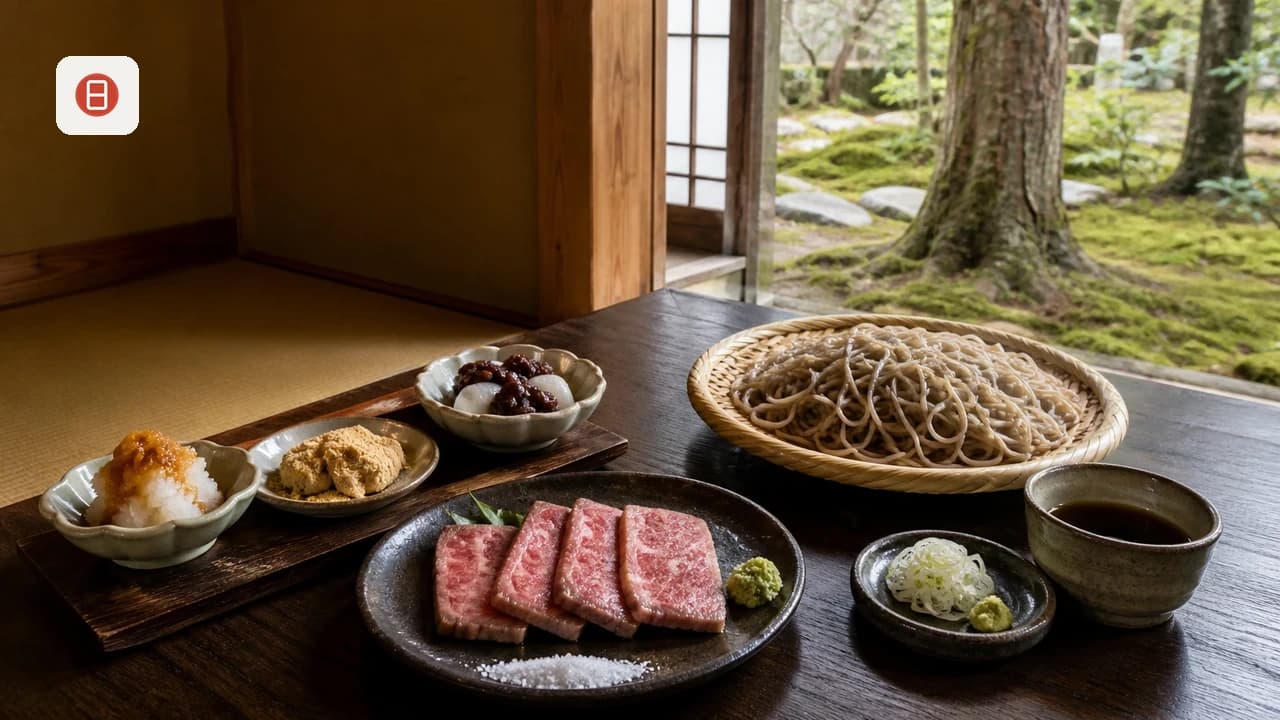
- Maesawa beef is Iwate's premium Wagyu brand, raised in the Maesawa district and known for fine marbling and a softer bite than heavier Kobe or Matsusaka cuts.
- Rest houses near the temple entrances serve it as steak, sukiyaki, or nigiri sushi, and a proper course typically runs upward of ¥5,000.
- Check the Maesawa beef guide for specific rest houses near Chuson-ji and Motsu-ji that carry it.
- Hiraizumi-Style Wanko Soba
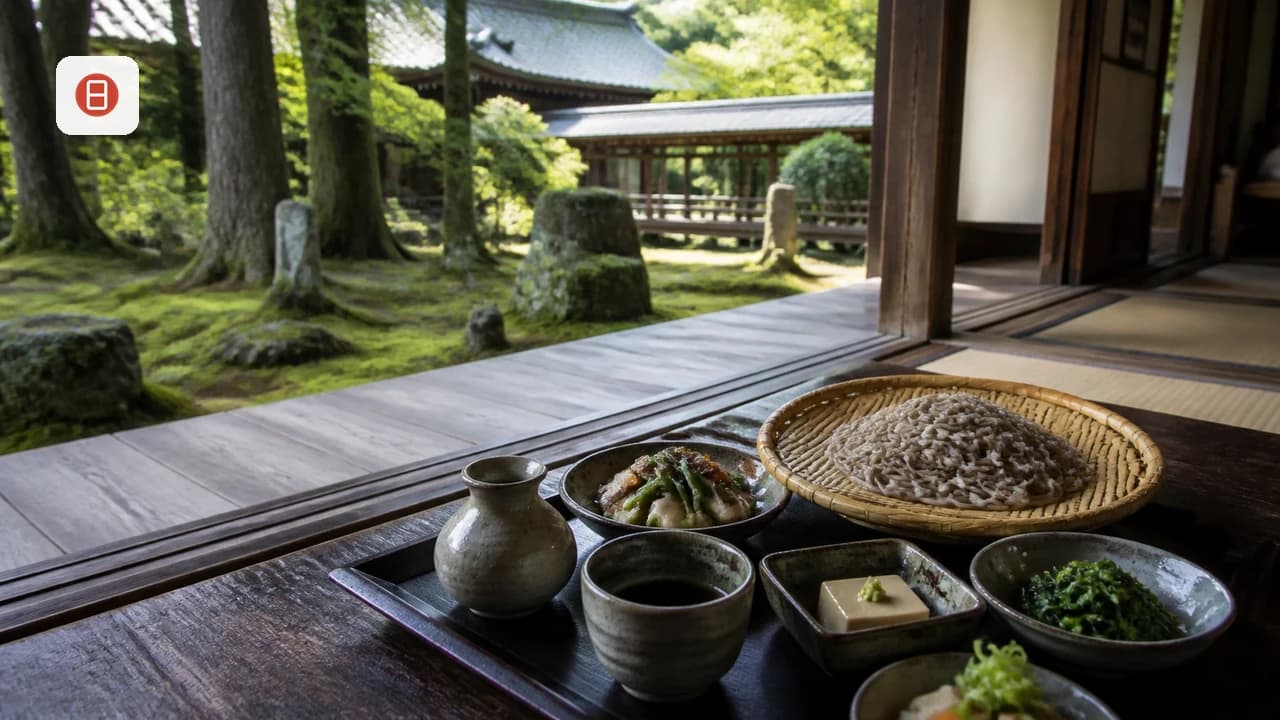
- Hiraizumi's version of wanko soba is not the all-you-can-eat refill challenge served in Morioka. It typically arrives instead as a tray of small, set portions.
- Ekimae Basho Kan, about 73 meters from Hiraizumi Station, specializes in this tray-style format alongside tempura and soba-only shokudo fare.
- The Hiraizumi soba guide maps more tray-style shops between the station and the temples.
- Soba and Vegetarian Planning
- Soba is easy to find, but noodles may contain wheat and the standard sauce often contains fish-based dashi.
- Do not assume restaurants near Chuson-ji or Motsu-ji serve shojin ryori; confirm a named venue and menu before visiting.
- Ask about broth, garnishes, sauces, and shared preparation, especially for strict diets or allergies.
- Iwate Sake and Fermented Sides
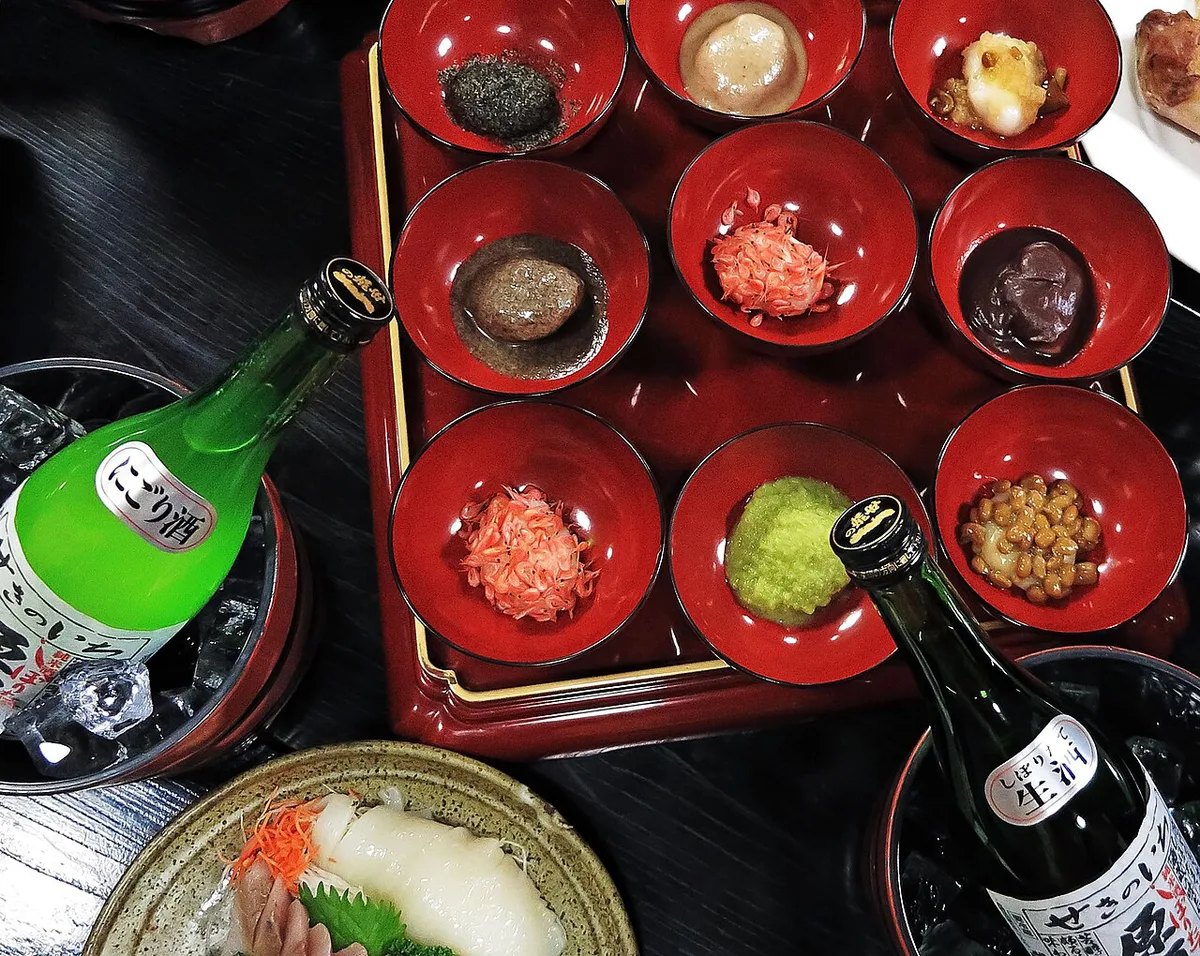
- Iwate Prefecture has a long sake-brewing heritage, and Tohoku's cold winters and clean mountain water suit slow, cold-fermented brewing styles.
- Meals typically pair with regional miso and soy sauce that lean sweeter and darker than Kanto-region condiments.
- Find local bottle recommendations in the Hiraizumi sake and fermented food guide.
- Sweets and Cafe Stops
- Shoei-do Benkei-en and Yoshinoya both specialize in traditional Japanese sweets within a few hundred meters of the station.
- Cafes mix in Western-style options too, including coffee, pastries, and gelato, useful when a temple-friendly lunch spot has already closed for the afternoon.
- The Hiraizumi sweets and cafes guide lists specific counters near Chuson-ji and the station approach.
Wanko Soba vs. Hiraizumi Soba: Know the Difference
Wanko soba causes confusion because two different traditions share the name. Morioka's version is a speed challenge. Servers keep refilling a small bowl until a diner caps it. Hiraizumi's version is calmer, served as a tray of pre-portioned soba in the mori-soba style, closer to a tasting flight than a contest.
| Feature | Morioka Wanko Soba | Hiraizumi-Style Soba |
|---|---|---|
| Format | Continuous bowl refills until you stop | Fixed tray of small, pre-portioned servings |
| Pace | Fast, competitive | Unhurried, temple-visit friendly |
| Typical setting | Dedicated wanko soba restaurants in Morioka | Station-area and temple-approach shokudo in Hiraizumi |
| Best for | Groups wanting a food challenge | Travelers wanting a quick, refined lunch between temples |
Where to Eat: Station Area vs. Temple Entrances
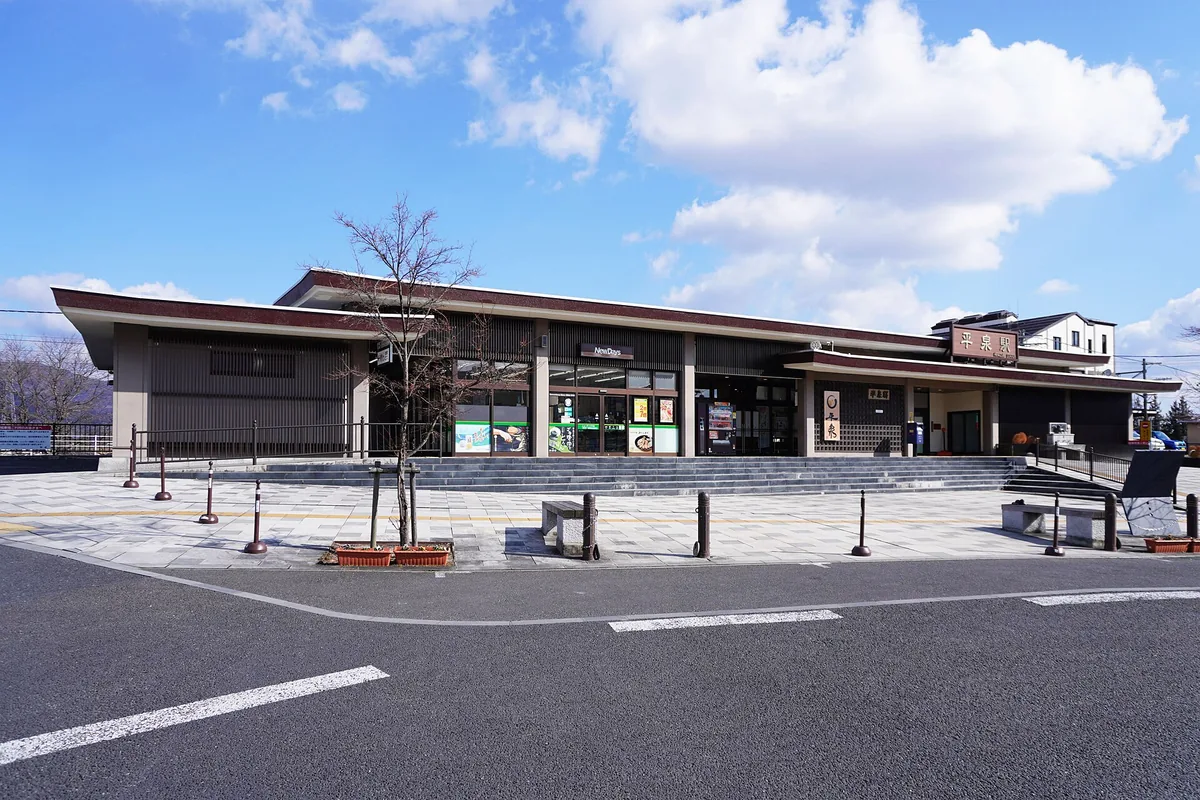
Hiraizumi splits into two practical dining zones, and knowing which one matches the day's schedule saves a wasted walk. The Hiraizumi Tourism Association's food listings group restaurants by cuisine, from soba and udon specialists to sushi, ramen, and Korean barbecue near the station.
Schedule Maesawa beef meals midday at temple rest houses since kitchens close by 4:00 PM or 5:00 PM. Station restaurants stay open later if your morning soba runs long.

- Station Area
- Quick options cluster within a few hundred meters of the platform: Ekimae Basho Kan (73 m) for tray-style soba, Saito Udon Ten (377 m) for udon and oyako-don, Koryan (248 m) for yakiniku, and Yoshinoya (151 m) for sweets.
- Yamaki Shokudo (2,331 m) and GEN (1,415 m) sit further out but still work for a cafeteria-style meal before or after a train.
- This is the zone for a fast lunch rather than a leisurely sit-down.
- Chuson-ji and Motsu-ji Entrances
- Rest-house restaurants near the temple entrances run larger menus sized for tour groups, including set lunches and Maesawa beef courses.
- Motsuuji Monzen Chokubai Ayame sits directly on the Motsu-ji approach, giving temple visitors a food stop without leaving the grounds.
- Hiraizumi Rest House, about 1,472 meters from the station, is another sit-down option serving a broader menu along the sightseeing route.
- Michi no Eki Hiraizumi
- This roadside rest stop, about 516 meters from the station, is a lower-cost alternative for local produce, bento, and a quick meal without a full restaurant sit-down.
- It works well as a picnic-style lunch stop before a temple visit.
- Cafes and Sweets Breaks
- MORIzza Coffee and cafe & bar Kohaku both work as a coffee-and-pastry break between temple visits.
- Gelato Kozenji Cafe adds a seasonal option, open 10:00 AM-6:00 PM April through October and 10:30 AM-5:00 PM November through March.
- For a full sightseeing plan around the temples and heritage grounds, pair a food stop with the Hiraizumi attractions guide.
Budgeting, Hours, and Reservations
Hiraizumi dining runs cheaper than Tokyo, but the hours are stricter, and both need planning around temple visiting times.
| Meal Type | Typical Price | Note |
|---|---|---|
| Soba or mochi set | ¥1,000-¥2,500 | Lunch-hour pricing near the station and temple approaches |
| Maesawa beef course | ¥5,000 and up | Steak, sukiyaki, or nigiri at temple-entrance rest houses |
| Closing time near temples | 4:00 PM-5:00 PM | Most Chuson-ji and Motsu-ji-area kitchens shut by early evening |
| Later dinner | Head toward Ichinoseki | Hiraizumi's own kitchens mostly close before a typical dinner hour |
- Reservations and Late Dinner
- Reservations matter most for a high-end Maesawa beef course or a large group. A solo soba lunch rarely needs one.
- Ekimae Basho Kan lists dinner mains around ¥2,000-¥2,999 versus roughly ¥1,000-¥1,999 at lunch, showing how the same tray-style soba shifts with mealtime.
- Yatsuhana, open 5:00 PM to midnight, is one of the few Hiraizumi kitchens still serving after the temple-hour shutdown. Most travelers wanting a late dinner still do better heading toward Ichinoseki.
A Sample Hiraizumi Food Eating Plan
This flow pairs meals with a typical one-day temple visit, from morning arrival to an evening departure.
The mochi calendar offers more than 300 recorded preparations, yet afternoon tasting sets let visitors sample multiple styles efficiently. These small-portion sets are the practical way to experience the region's diversity between temple visits.
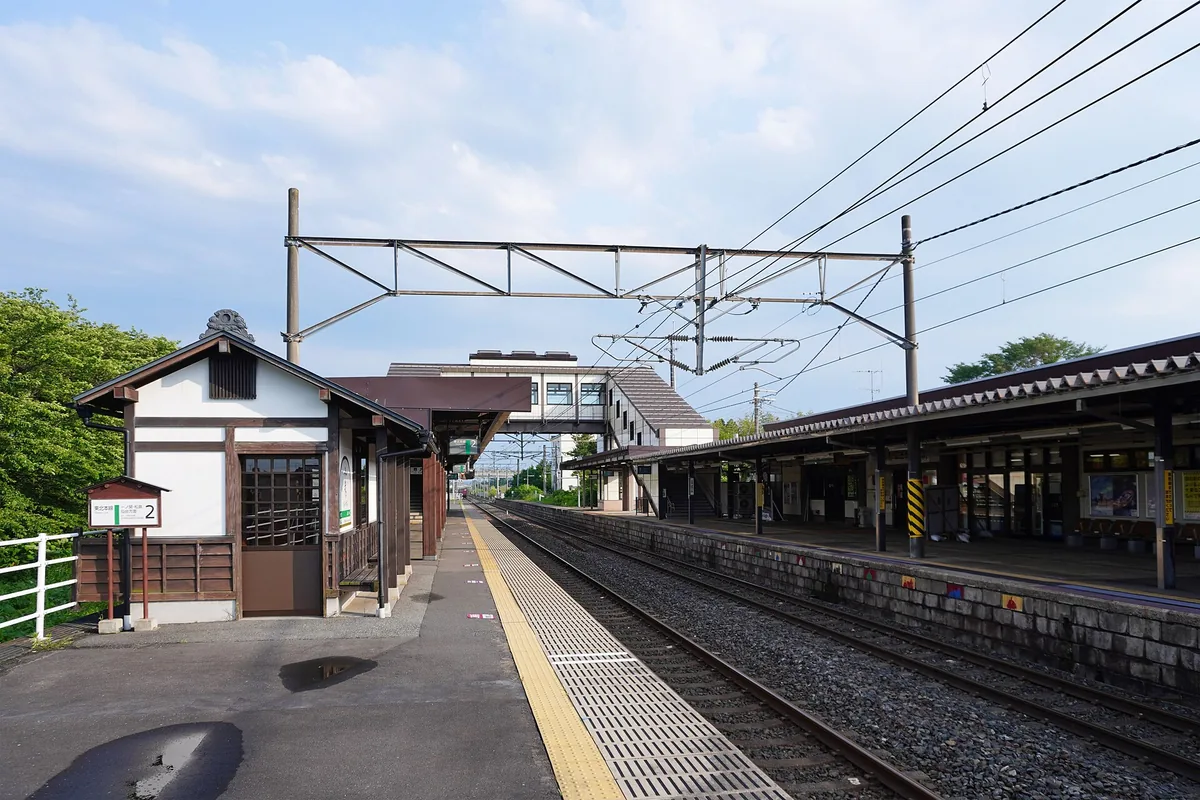
- Morning: Soba Near the Station
- Start with a tray-style soba set at a station-area shokudo before the temples get busy.
- This keeps the first stop within a few hundred meters of the platform.
- Midday: Maesawa Beef Near Chuson-ji
- Break for a Maesawa beef lunch at a rest house near the temple entrance.
- Book ahead if traveling as a group or wanting a specific cut.
- Afternoon: Mochi and a Cafe Break
- Fit in a multi-style mochi tasting or a sweets-counter stop between Chuson-ji and Motsu-ji.
- A short cafe stop works if the temple schedule is tight.
- Evening: Ichinoseki for Dinner
- Head toward Ichinoseki for dinner options once Hiraizumi's own kitchens start closing.
- This also lines up with the wider Ichinoseki-Hiraizumi mochi region for a final tasting.
How This Guide Was Verified
Food availability, access details, seasonal rules, and the time-sensitive claims in this guide were checked on August 22, 2026 against the official sources below. Independent restaurant menus, prices, opening days, and sell-outs can change, so confirm the operator's same-day notice before making a special trip.
Explore food in other cities
Frequently Asked Questions
What is the best mochi to try in Hiraizumi?
There is no single best style, since the region's calendar covers ginger, walnut, perilla, and sweet red bean versions. A multi-style tasting set is the easiest way to compare them in one sitting near the station.
How much does Maesawa beef cost in Hiraizumi?
A proper Maesawa beef course, whether steak, sukiyaki, or nigiri, typically runs ¥5,000 and up at rest houses near the temple entrances. That is roughly double the cost of a soba or mochi lunch set.
What's the difference between Morioka wanko soba and Hiraizumi soba?
Morioka wanko soba is a speed challenge with continuous bowl refills. Hiraizumi's version is a fixed tray of pre-portioned soba, closer to a tasting flight than a contest.
What time do restaurants close near Chuson-ji and Motsu-ji?
Most kitchens near both temples close by 4:00 PM or 5:00 PM. Travelers wanting a later dinner should plan to head toward Ichinoseki instead.
Are there vegetarian options in Hiraizumi?
Options exist, but temple history does not guarantee a vegetarian menu. Soba sauce, soup, pickles, mochi toppings, and garnishes may contain fish or other animal ingredients. Confirm the full preparation with a named venue.
Explore Hiraizumi Food and Dining
Use these guides to compare local dishes, dining areas and practical food experiences in Hiraizumi.
Food and Dining Guides
- Hiraizumi attractions hub: tickets, hours & maps
- Hiraizumi Ichinoseki Mochi Cuisine
- Maesawa Beef Near Hiraizumi: Where to Eat Iwate's Top Wagyu in 2026
- Hiraizumi Soba and Vegetarian Food
- Hiraizumi Sweets and Cafes: A 2026 Guide to Mochi, Wagashi and Tea Breaks
- Hiraizumi Sake and Fermented Food Guide
Free guide: Japan's Hidden Gems
12 under-the-radar places beyond Tokyo & Kyoto — with the best season to visit each and a local tip you won't find in the guidebooks.
You might also like

Continue reading
More guides you'll find useful