Hiraizumi Ichinoseki Mochi Cuisine Guide
Hiraizumi Ichinoseki mochi cuisine explained: mochi honzen etiquette, 300+ flavors, Genbikei flying dango, prices from ¥500, and car-free access tips for 2026.
On this page
Last updated August 2026, Hiraizumi Ichinoseki mochi cuisine is a defining food tradition in Iwate Prefecture, Japan. This custom traces back roughly 400 years to Date clan offerings made on the 1st and 15th of every month. Today the Ichinoseki-Hiraizumi area serves more than 300 mochi variations, from savory numaebi shrimp toppings to sweet zunda edamame paste.
What Makes Hiraizumi and Ichinoseki Mochi Cuisine Distinct
Ichinoseki and Hiraizumi sit next to each other in Iwate Prefecture. Regional food writers and area tourism sources call it Japan's mochi mecca, a reputation built on mochi culture that reaches far beyond New Year celebrations. Residents pound and serve mochi for weddings, funerals, coming-of-age ceremonies, and neighborhood festivals all year. Japan's washoku cuisine, which includes this ceremonial mochi tradition, holds UNESCO Intangible Cultural Heritage status. Ministry of Agriculture, Forestry and Fisheries officials have separately recognized Ichinoseki and Hiraizumi as a Scenic Place for Food and Agriculture. Many travelers combine a mochi stop with the temple sites the region is best known for, since both sit within the same small area of southern Iwate. For a wider view of what else the area serves beyond rice cakes, Hiraizumi's broader food scene covers soba, sake, and seasonal produce alongside mochi.
From Shiina Mochi to Samurai Hospitality: A 400-Year History
During the Edo period, the Date clan governed the Ichinoseki-Hiraizumi region and ordered farmers to offer mochi to the gods on the 1st and 15th of every month. Poorer farmers could not afford proper rice, so they made shiina mochi, a mix of broken rice and grain scraps. Generations of cooks refined shiina mochi into something worth eating, and that effort became the root of today's mochi cuisine. That mochi culture grew into a calendar with more than 60 occasions a year for eating rice cakes. Kinako mochi, made with roasted soybean flour, marked the start of farm work on January 11. Kusa mochi and hishi mochi appeared at the Girls' Festival, while kashiwa mochi joined the Boys' Festival table. At weddings, families pounded mochi in front of the house while neighbors sang mochi-pounding songs to welcome the wedding procession. After rice planting and again after harvest, mochi was served to everyone who had gathered to help with the work. November 11 was known as Ippen mochi, a day when each person was expected to eat about 2.5 go of mochi without leaving any behind.
Mochi Honzen: The Formal Ritual and Where to Experience It
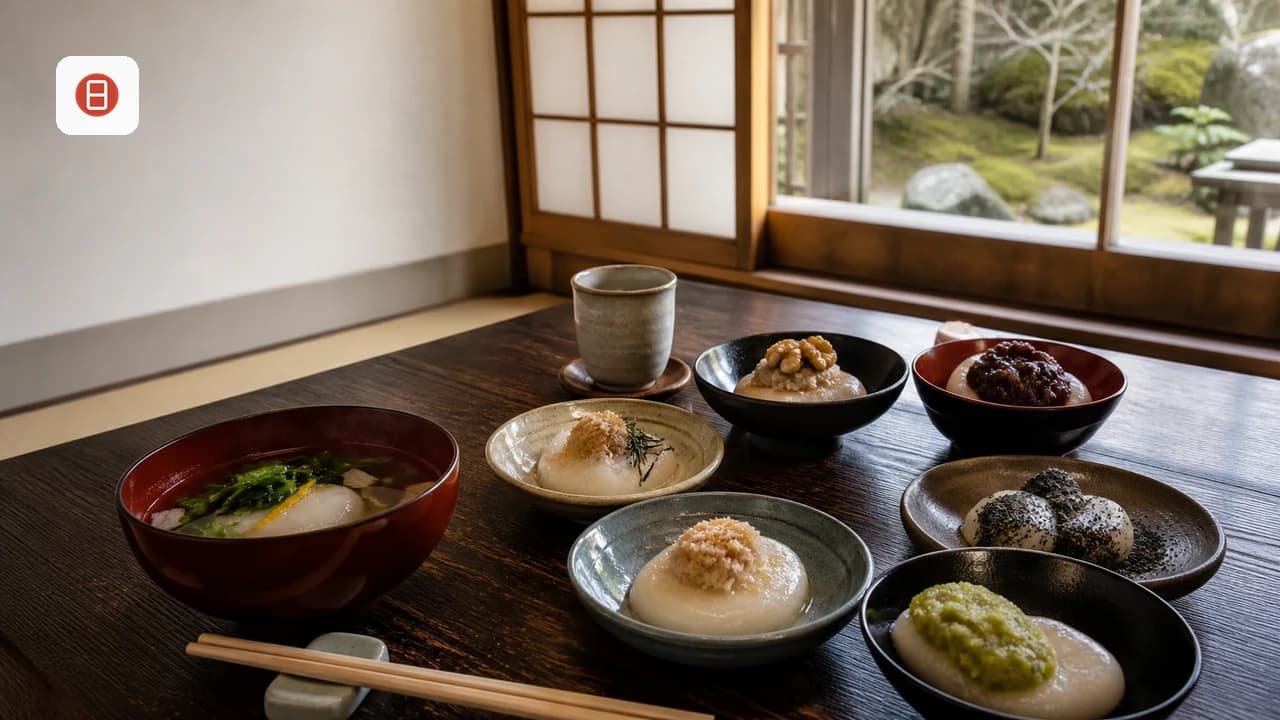
Mochi honzen is a formal, multi-course meal built around mochi, developed from banquet traditions in the Date domain. A designated leader, the otorimochiyaku, sets the pace and order for the table. Sekinoichi's Kuramoto Restaurant offers formal mochi dining as well as Kaho Mochi, its current set of nine sauces with zoni soup; these are related but not identical formats. Because Sekinoichi operates at a brewery complex, it pairs naturally with Hiraizumi's sake and fermented foods guide. The operator's pages indicate advance booking for formal service, with wording that currently varies between two and three business days, so reserve early and confirm the exact format.
300+ Varieties: Savory, Nut-Based, and Sweet Mochi Explained
More than 300 mochi varieties are documented across Ichinoseki and Hiraizumi, falling into a few broad groups rather than one generic rice-cake flavor. Knowing these categories in advance helps first-time diners set expectations, since a mochi honzen course typically draws from more than one group in a single sitting. One documented Sekinoichi tasting singled out zunda, numaebi, and anko as standout flavors among nine mochi courses served, one from each category below. For a lighter, dessert-focused take on similar flavors, Hiraizumi's sweets and cafes guide covers mochi-based desserts served outside a full honzen setting.
What originated roughly 400 years ago as formal Date clan ceremonial offerings to the gods has evolved into more than 300 documented mochi varieties, showcasing centuries of culinary innovation.
- Savory: numaebi (tiny dried shrimp), natto, burdock (gobo), and other vegetable toppings often served alongside zoni soup.
- Nut and seed based: walnut (kurumi), sesame, and perilla (shiso) pastes, among the oldest recorded flavors in the region.
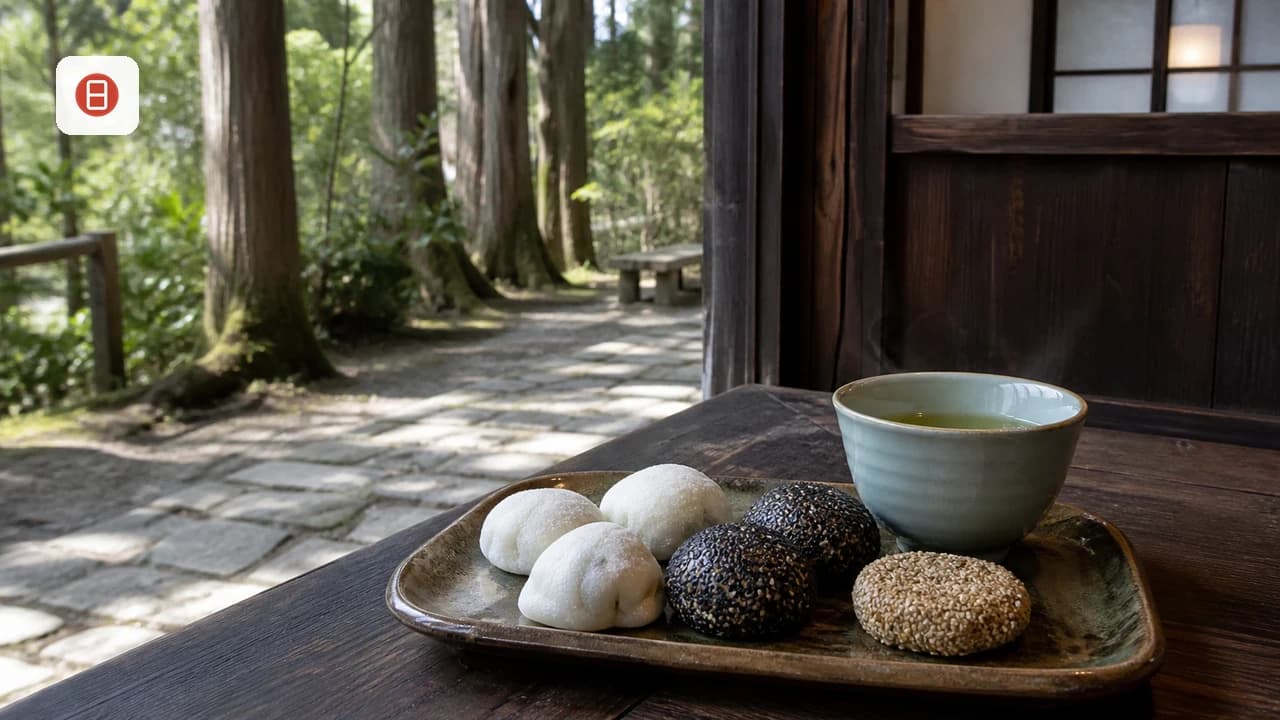
- Sweet and traditional: anko red bean paste, zunda edamame paste, and kinako roasted soybean flour.
- Modern additions: pizza mochi and mochi parfait, newer creations served alongside centuries-old recipes.
Flying Dango, Farm Masterclasses, and Hotel Buffets
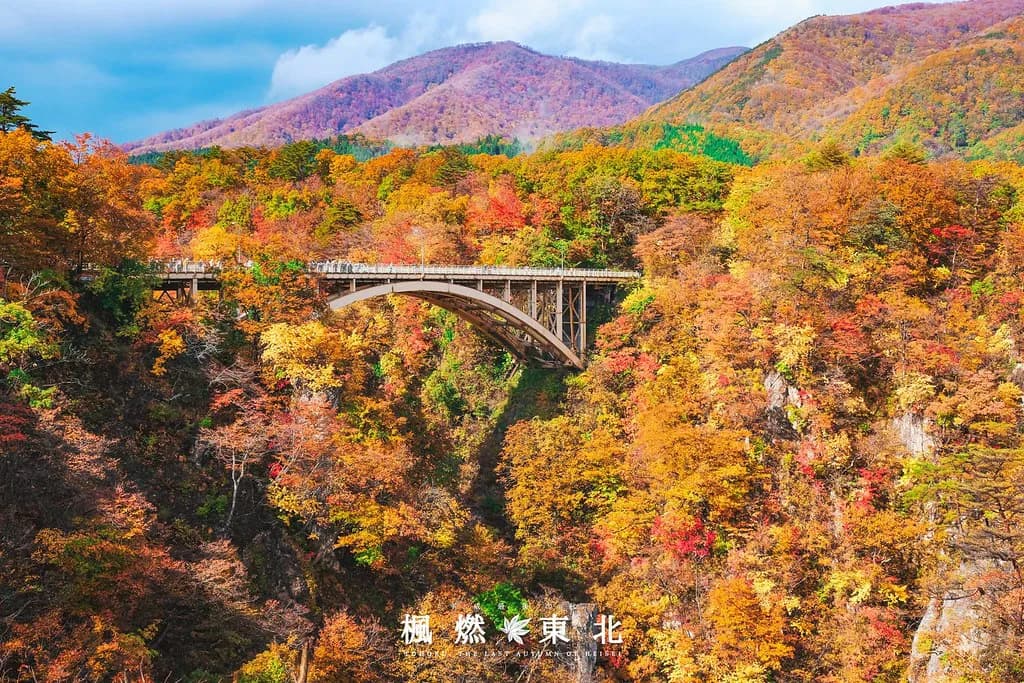
Genbikei Gorge, a national monument that stretches roughly 1.2 miles and is reachable by a short bus ride from Ichinoseki Station, is home to Kakkoya, a confectioner founded in 1878. Kakkoya sends kakkou dango, or flying dumplings, across the gorge on a cable-and-basket system, delivering red bean, sesame, and mitarashi-glazed dumplings along with tea that somehow does not spill. Kakkoya closes for winter, typically from December through early March, so confirm current opening dates before a cold-season visit. Hiraizumi Club Farm and Resort runs a Mochi Meister mini-masterclass inside a 150-year-old farmhouse, reachable by taxi or car rather than on foot. Participants learn the region's mochi traditions, pound their own batch with a mini pestle and hammer, compare toppings, and fry dried mochi on a grill until it puffs up. Group size matters here: the masterclass requires a minimum of five participants, so it suits small groups better than solo travelers. Contact the farm directly to reserve, since space is limited by that participant minimum. Kamenoi Hotel Ichinoseki takes the lowest-effort route, serving three types of bite-sized mochi at its breakfast buffet every day, though an overnight stay is required to access it. From autumn through spring, the hotel also hosts a participatory mochi-pounding event led by the Iwai Mochitsuki Furitei-tai, with freshly pounded mochi mixed into zunda, walnut, or pumpkin. Horyu Hot springs sits on site, with an open-air bath that looks out toward Mount Kurikoma.
Casual and Roadside Mochi Stops for Non-Drivers
Not every mochi stop requires a reservation or a formal course. Michi-no-eki Genbikei, a roadside station known locally as Pettankun, sells mochi dishes without the two-to-three-day lead time that formal honzen sets usually need. Ark Tategamori, a working agriculture and livestock facility with its own restaurant, offers another no-reservation option for travelers combining a farm visit with a meal. It also includes a small ranch and flower garden alongside the restaurant, so it doubles as a longer stop for families traveling with children. Both stops work well for travelers already headed to Genbikei Gorge by bus, since they sit in the same general area rather than requiring a separate taxi trip.
Mochi Festivals and Events Worth Timing a Trip Around
Ichinoseki hosts a National Mochi Festival where visitors can sample dozens of different mochi toppings in one sitting. A separate mochi-pounding contest judges competing teams on their mochitsuki performance along with the taste and presentation of their finished mochi. Wanko Mochi Tournament turns eating into a timed sport: contestants race to finish as many bite-sized mochi servings as possible within five minutes. That format echoes the region's wanko soba eating contests. For a non-mochi version of that same competitive-eating tradition, Hiraizumi's soba and temple-friendly dining guide covers wanko soba and other temple-appropriate meals. It pairs well with a day that also includes Chuson-ji and Motsu-ji.
Planning Your Mochi Visit: Costs, Access, and Timing
Costs vary by format. Ichinoseki Tourism currently lists Kakkou Dango at ¥600 for three dumplings with tea. For a formal or multi-flavor meal, use Sekinoichi's current menu rather than an unsourced general range; its official information lists a starting budget of ¥1,500 and the exact set determines the total. Sekinoichi is accessible from Ichinoseki, while Genbikei Gorge requires a bus or taxi connection. Many visitors pair a mochi meal with Hiraizumi's World Heritage attractions; the seasonal guide helps plan the wider visit.
Though Kakkoya's flying dango closes December through early March, formal mochi honzen courses remain bookable year-round with two to three days' advance notice, providing all-season access.
| Experience | Best For | Time Commitment | Access from Ichinoseki Station |
|---|---|---|---|
| Mochi Honzen | Food-focused travelers | 90-120 minutes | Walkable |
| Flying Dango (Kakkou Dango) | Families and photographers | About 30 minutes | Bus ride |
| Hotel Breakfast Buffet | Time-limited travelers | About 45 minutes | Requires an overnight stay |
| Farm Masterclass | Groups of 5 or more | 2-3 hours | Taxi or car required |
Mistakes to Avoid and Local Etiquette Tips
Mochi sets are more filling than they look, and formal service should be reserved in advance. Mochi itself is rice-based, but toppings and zoni soup can contain fish stock, shrimp, soy, sesame, or other allergens, so ask staff before ordering. Mochi is also a choking hazard: Japan's Consumer Affairs Agency advises cutting it into small pieces, eating small amounts, and chewing thoroughly, with particular care for older adults and anyone who has difficulty swallowing. Anyone looking for a different splurge meal can compare notes with Maesawa beef dining.
How This Guide Was Verified
Food availability, access details, seasonal rules, and the time-sensitive claims in this guide were checked on August 22, 2026 against the official sources below. Independent restaurant menus, prices, opening days, and sell-outs can change, so confirm the operator's same-day notice before making a special trip.
Frequently Asked Questions
What is mochi honzen?
Mochi honzen is a formal, multi-course meal centered on mochi rather than rice or noodles. An otorimochiyaku leads the table through a set order: namasu, or grated daikon, comes first, followed by sweet and savory mochi and a zoni soup, all served in a fixed clockwise sequence.
How much does a mochi meal cost in Ichinoseki and Hiraizumi?
Ichinoseki Tourism currently lists Kakkou Dango at ¥600 for three dumplings with tea. Sekinoichi lists a restaurant budget starting around ¥1,500; check its current menu because Kaho Mochi and formal mochi honzen are different experiences.
Can you reach the main mochi spots without a car?
Sekinoichi's Kuramoto Restaurant is walkable from Ichinoseki Station, and Genbikei Gorge is reachable by a short bus ride from the same station. Hiraizumi Club Farm and Resort sits farther out and needs a taxi or rental car, while Kamenoi Hotel Ichinoseki's mochi buffet requires an overnight stay to access.
Is mochi cuisine here vegetarian-friendly?
Mochi itself is rice-based and naturally meat-free, but several traditional toppings and the zoni soup use dashi fish stock or dried shrimp such as numaebi. Travelers with dietary restrictions should confirm ingredients with staff before ordering a full mochi honzen course.
When is the flying dango experience at Genbikei closed?
Kakkoya, the confectioner behind Genbikei's flying dumplings, typically closes for winter from December through early March. Confirm current opening dates before planning a cold-season visit, since seasonal schedules can shift.
Do mochi honzen restaurants require reservations?
Formal mochi honzen courses typically require about two to three days' advance notice. Hiraizumi Club Farm and Resort's Mochi Meister masterclass also needs a minimum of five participants to run, so solo travelers should ask about joining an existing group.
What are the most distinctive mochi flavors to try first?
Zunda, a sweet edamame paste, numaebi dried shrimp, and anko red bean paste are the three flavors most often highlighted in accounts of a full Sekinoichi mochi honzen course. Together they represent the sweet, savory, and traditional categories that make up most of the region's 300-plus varieties.
Free guide: Japan's Hidden Gems
12 under-the-radar places beyond Tokyo & Kyoto — with the best season to visit each and a local tip you won't find in the guidebooks.
You might also like

Continue reading
More guides you'll find useful