Hiraizumi Sake and Fermented Food: A Practical Tasting Guide
Hiraizumi sake and fermented food, explained: Akita's 500-year-old Hiraizumi Honpo brewery, Iwate's mochi and miso culture, and 2026 tasting and access tips.
On this page
Last updated August 2026, this guide focuses on sake and fermented food that fit an actual visit to Hiraizumi, Iwate. The most practical brewery-and-lunch stop is Sekinoichi in nearby Ichinoseki, paired with southern Iwate's mochi, miso, natto, and pickle traditions. A separate Akita producer uses the Hiraizumi name, but it is not in the temple town.
The Quick Answer: Drink Iwate Sake Near Hiraizumi
Hiraizumi's temple district is in Iwate, and the useful sake stop for this itinerary is Sekinoichi in nearby Ichinoseki. Combine it with Hiraizumi's temples by rail rather than planning a cross-prefecture brewery detour. Search results can surface Hiraizumi Honpo in Nikaho, Akita; despite the shared name, that producer is several hours away and unrelated to a Hiraizumi temple-town visit.
| Stop | Why It Fits | Planning Note |
|---|---|---|
| Hiraizumi | Temples, soba, mochi, pickles | Most food businesses serve daytime hours |
| Sekinoichi, Ichinoseki | Iwate sake and mochi cuisine at one complex | Lunch-focused; confirm current closing days |
| Hiraizumi Honpo, Akita | Unrelated brewery with the same name | Not part of this destination itinerary |
Sekinoichi: The Practical Iwate Brewery Stop
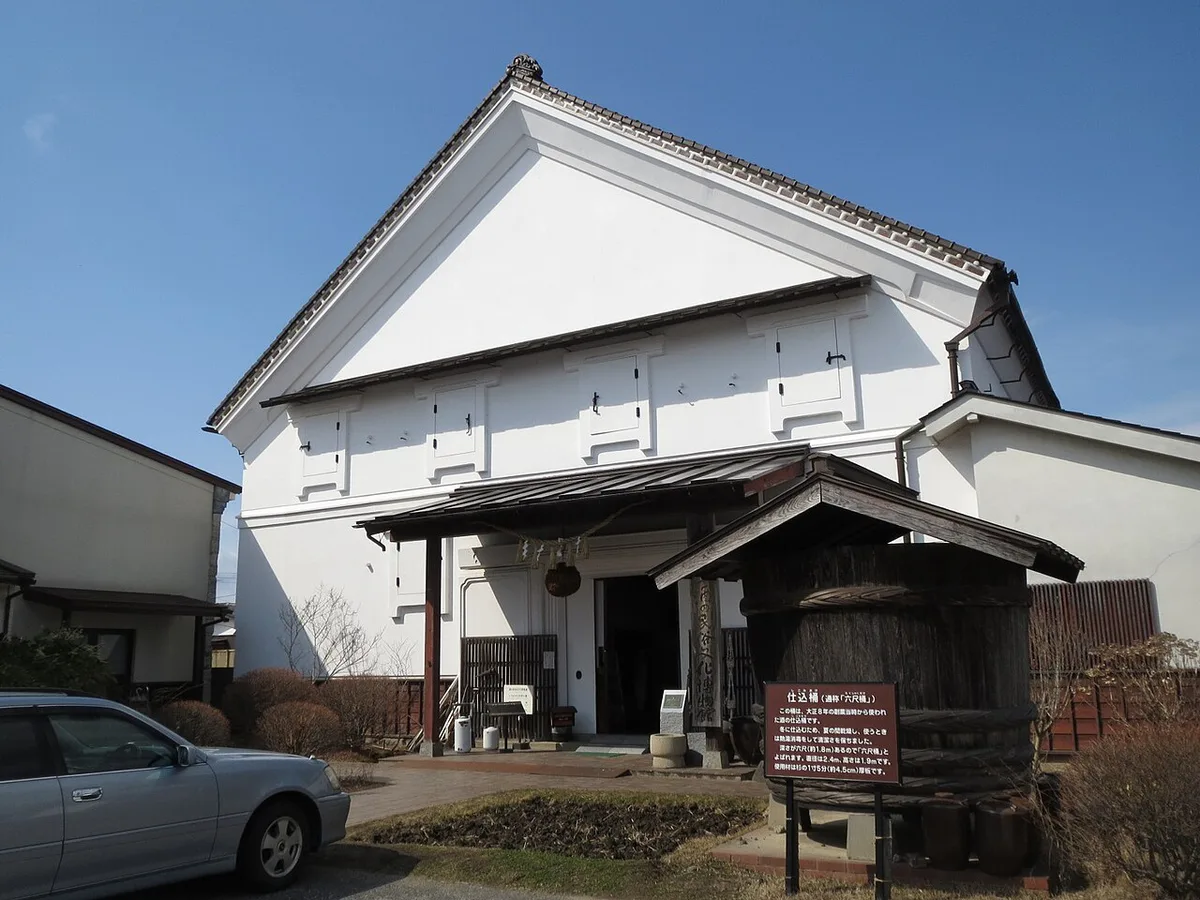
Sekinoichi's Kuramoto Restaurant in Ichinoseki puts local sake and southern Iwate's mochi cuisine in the same destination. The current restaurant page lists lunch from 11:00 AM to 3:00 PM, a budget from ¥1,500, and advance booking for formal mochi dining. The site's wording currently varies between two and three business days, so reserve early and confirm the exact meal. Dinner is not currently offered.
- Best fit: a lunch stop before or after Hiraizumi's temple circuit
- Current restaurant window: 11:00 AM-3:00 PM
- Closing days: generally Tuesday and Wednesday, but check the live calendar
- Formal mochi dining: book ahead and confirm whether you want honzen or the Kaho Mochi set
What to Order With the Sake
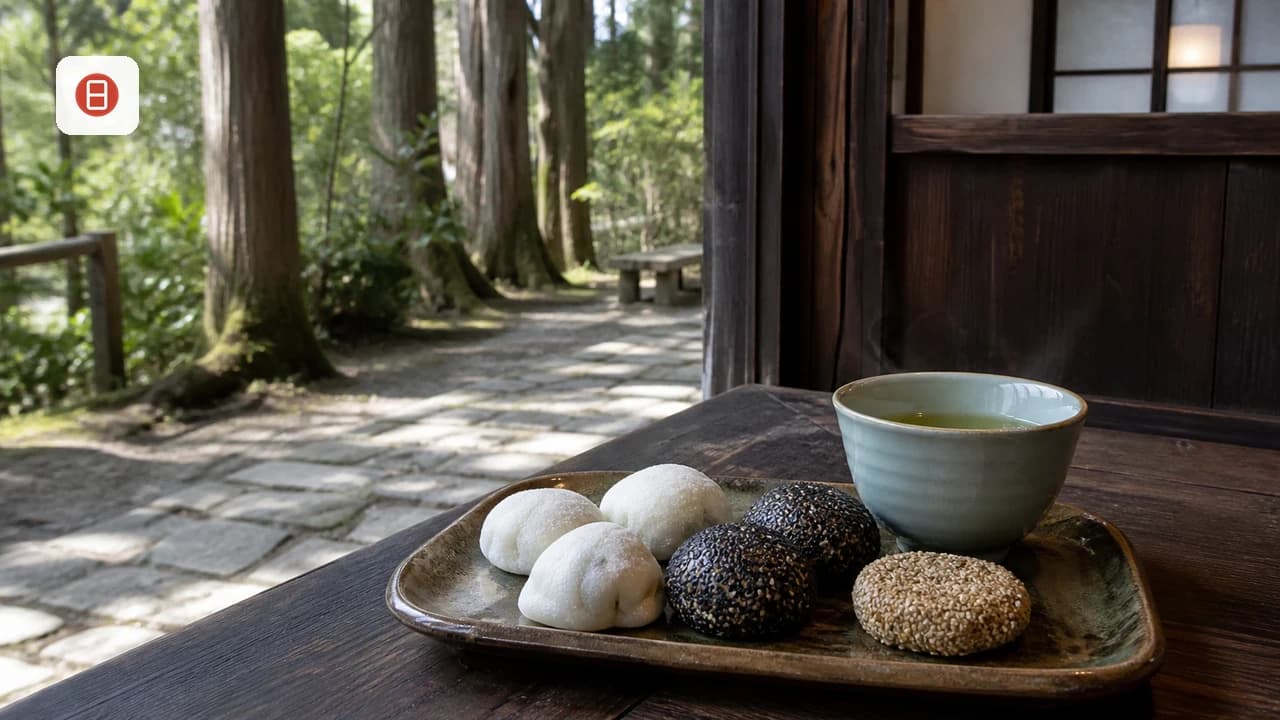
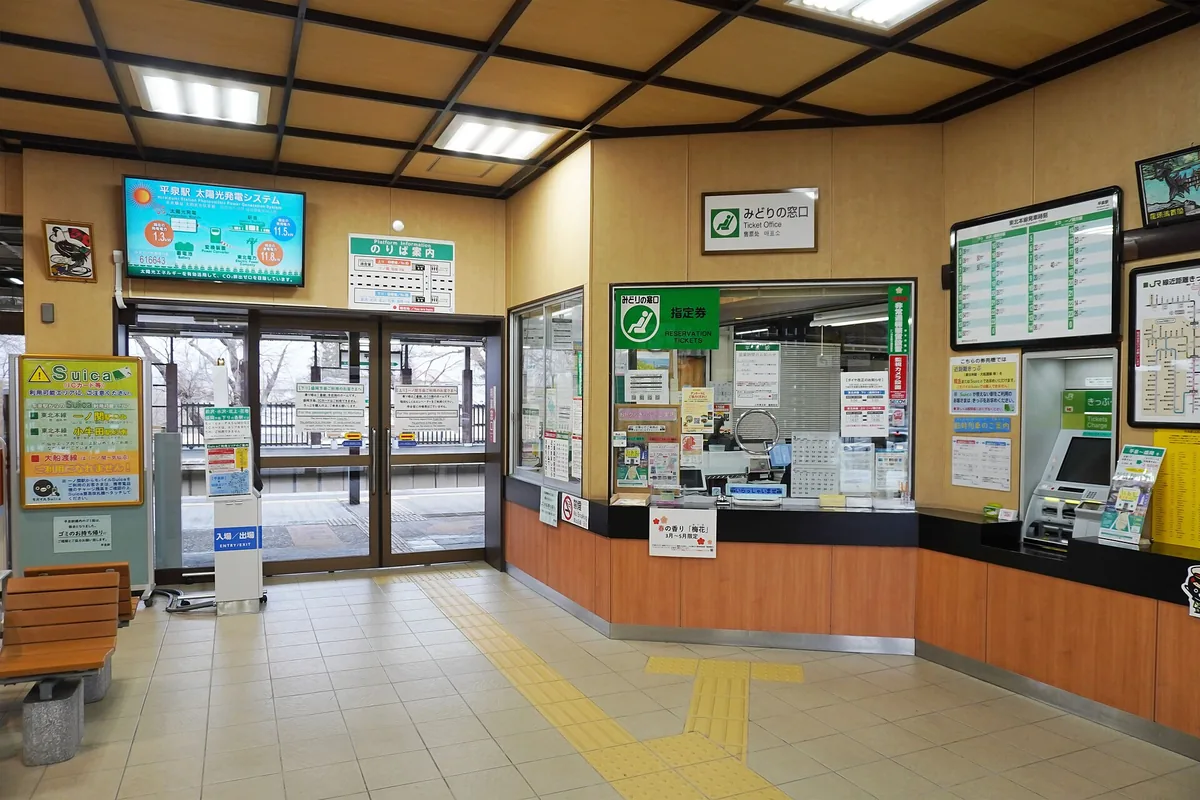
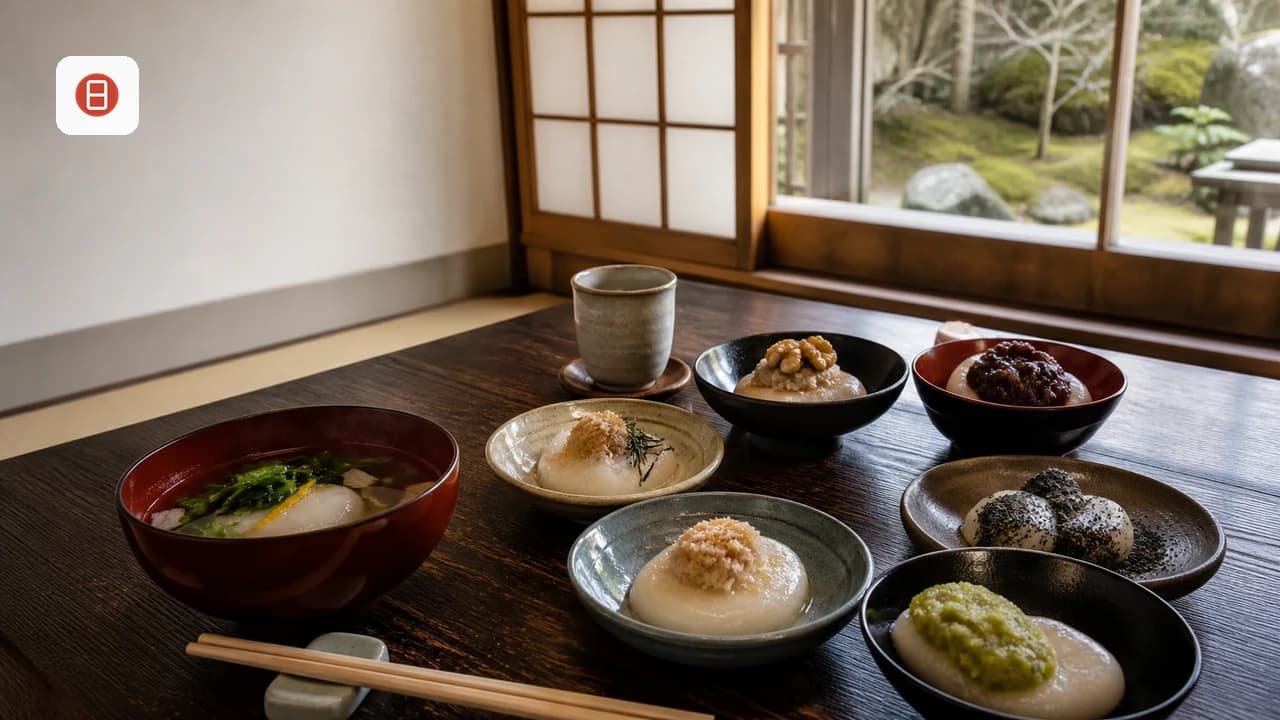
The strongest destination-specific pairing is mochi cuisine. Sekinoichi's current Kaho Mochi combines nine sauces with zoni soup, while formal mochi honzen follows a more ceremonial sequence and requires advance arrangement. Fermented flavors can include natto, miso, soy-based sauces, and pickled vegetables. Ask which sake is currently available by the glass rather than planning around a specific bottle that may be out of stock.
Kaho Mochi and formal mochi honzen are not interchangeable names. Confirm which experience you are reserving, along with price, dietary needs, and serving time.
- Natto-mochi: fermented soybeans; confirm soy and condiment ingredients
- Miso-flavored mochi: may be sweet-savory and can include additional seasonings
- Pickles: recipes vary and may use alcohol, fish-based seasoning, or shared equipment
Hiraizumi Sake and Fermented Food Traditions in Iwate
Southern Iwate's fermentation story is broader than sake. Koji supports both sake and miso production, while salt curing and fermentation preserve vegetables through the cold season. Around Hiraizumi and Ichinoseki, those flavors appear in natto-mochi, miso-seasoned mochi, zoni, and pickle sides. The mochi cuisine guide explains the formal meal, and the Hiraizumi dining guide covers temple-side alternatives.
How to Build a Tasting Without Overplanning
Ask staff for a current local recommendation that suits the meal: a lighter pour for delicate mochi and a fuller sake for miso, natto, pickles, or Maesawa beef. Serving temperature changes aroma and texture, but the bottle and kitchen recommendation matter more than a universal pairing rule. Drivers and guests avoiding alcohol should choose a non-alcoholic drink; do not use alcohol-containing condiments as a substitute for a tasting.
Order one small pour with lunch only after confirming transport. Hiraizumi and Ichinoseki are easier to combine by rail than by assigning a driver to a brewery-focused route.
| Food | Ask For | Check |
|---|---|---|
| Sweet mochi | A lighter, clean local pour | Current glass list |
| Miso, natto, or pickles | A fuller-bodied recommendation | Salt and allergen content |
| No alcohol | Tea or another non-alcoholic drink | Condiments that may contain sake or mirin |
Reading an Iwate Sake Label
Junmai indicates sake made from rice, rice koji, and water without added brewer's alcohol. Ginjo and daiginjo refer to production categories tied partly to rice polishing and aroma. Seimaibuai is the remaining rice-polishing ratio, while nihonshu-do is one clue to perceived dryness. These terms help compare bottles, but they do not predict taste on their own; ask what is currently open for tasting and what the restaurant recommends with its mochi set.
Buying a Bottle to Take Home
Choose from the current Sekinoichi or local Iwate selection on the day rather than targeting a stale product list. Check bottle size, ABV, storage instructions, and whether the label is seasonal. Airline liquid and alcohol limits and destination customs rules vary, so confirm them before packing. A sealed bottle still needs protection from impact and excessive heat.
Walk-In Lunch vs Reserved Mochi Dining
A casual restaurant lunch and formal mochi dining require different plans. A walk-in visitor can ask what is available from the current lunch menu, but a specific mochi course should be reserved before the operator's stated cutoff. That distinction matters when a temple day is already tight: a reserved course deserves a fixed arrival time, while an ordinary lunch still needs a backup in case the restaurant is full or a dish has sold out.
Confirm the course name as well as the reservation. Sekinoichi's Kaho Mochi set uses nine sauces plus zoni, while mochi honzen is a more formal regional meal; the terms should not be treated as interchangeable. Ask about portion size, price, allergens, and whether the chosen meal includes sake or alcohol-based seasoning. Mochi is dense and sticky, so take small bites and chew thoroughly, especially when dining with young children or older adults. The dedicated mochi guide explains the serving styles in more detail.
Keep a station-area alternative in mind if the reserved format does not fit. The useful outcome is a realistic Iwate meal within the temple itinerary, not forcing every fermentation specialty into one sitting.
Planning Hiraizumi and Sekinoichi in One Day
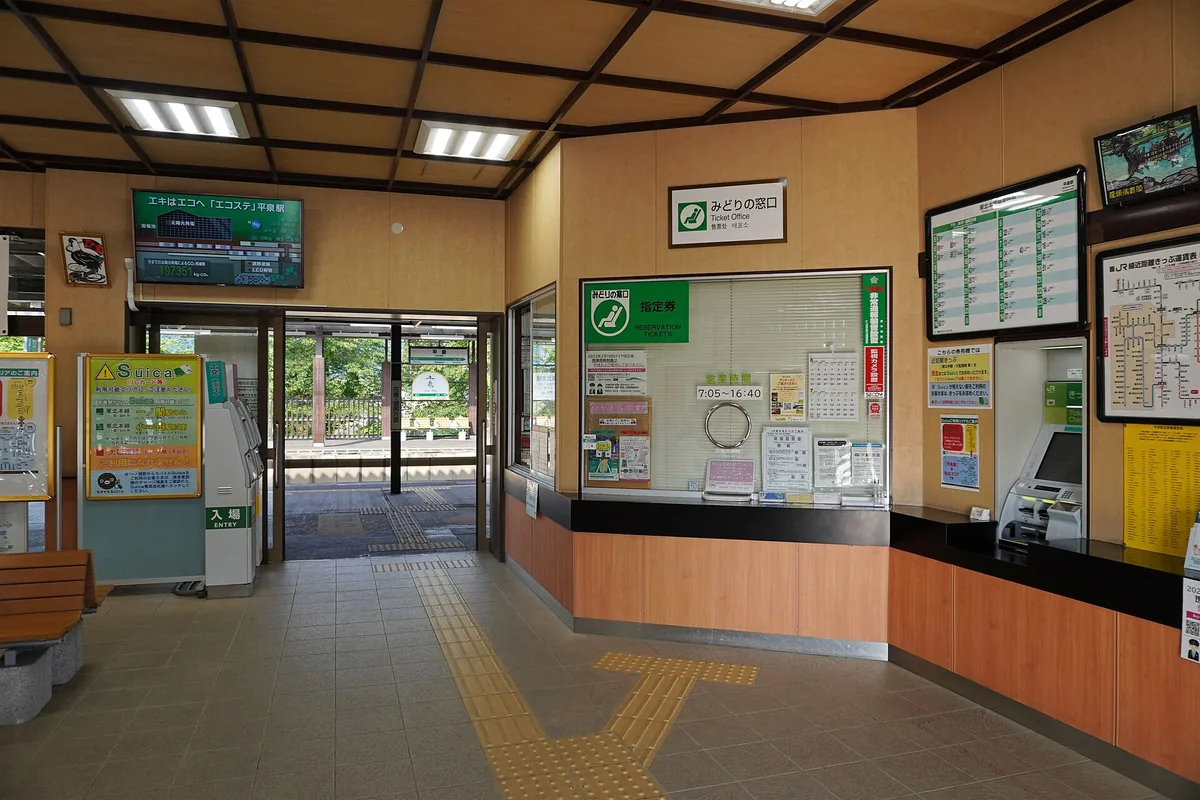
Use Ichinoseki as the rail junction. A lunch at Sekinoichi can sit before or after the local connection to Hiraizumi, but protect the restaurant's 11:00 AM-3:00 PM service window. Chuson-ji and Motsu-ji require their own sightseeing time, so a formal reserved mochi meal and both temple complexes may feel rushed in one short day.
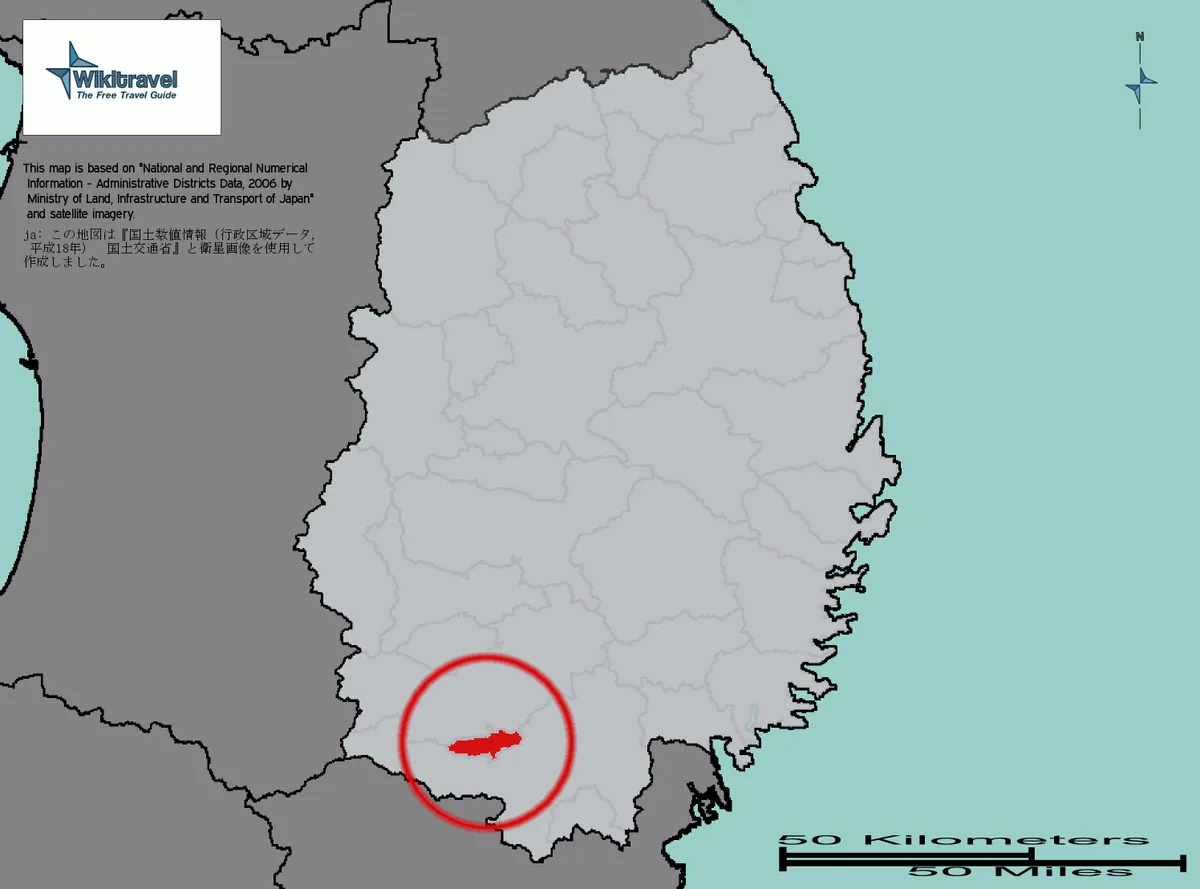
The route can remain car-free via the JR Tohoku Shinkansen to Ichinoseki and a local connection to Hiraizumi. For a lighter meal, use the soba guide; the sweets guide covers an afternoon stop. Confirm Sekinoichi's live menu, price, and closing calendar before departure, and use the broader Japan travel guide for route planning.
Mistakes to Avoid on a Hiraizumi Fermentation Trip
The main errors are geographic, logistical, and dietary. Resolve them before reserving.
- Name confusion: Hiraizumi Honpo is in Nikaho, Akita, not Hiraizumi, Iwate; it is not part of this temple itinerary.
- Service timing: Sekinoichi is lunch-focused and formal mochi service requires advance booking.
- Dietary assumptions: mochi toppings, zoni, miso sauces, and pickles may contain fish, shrimp, soy, wheat, alcohol, or other allergens.
- Alcohol and transport: use rail, a taxi, or a non-drinking driver; never taste and drive.
How This Guide Was Verified
Food availability, access details, seasonal rules, and the time-sensitive claims in this guide were checked on August 22, 2026 against the official sources below. Independent restaurant menus, prices, opening days, and sell-outs can change, so confirm the operator's same-day notice before making a special trip.
Frequently Asked Questions
Is Hiraizumi sake actually made in Hiraizumi, Iwate?
The Hiraizumi Honpo brand that dominates some searches is made in Nikaho, Akita, not the Iwate temple town. For a Hiraizumi itinerary, focus on Iwate sake such as Sekinoichi in nearby Ichinoseki.
Where is the practical brewery stop near Hiraizumi?
Sekinoichi in Ichinoseki is the practical destination-focused choice. Its Kuramoto Restaurant currently serves lunch from 11:00 AM to 3:00 PM; check the live calendar and reserve formal mochi dining in advance.
What food pairs with Iwate sake near Hiraizumi?
Try the current recommendation with mochi, miso, natto, pickles, or Maesawa beef. Ask staff to match the available sake rather than planning around an old bottle list.
Can you combine Sekinoichi and Hiraizumi without a car?
Yes. Ichinoseki is the rail junction for Hiraizumi, so the brewery-area lunch and temple town can be combined by train and local transport. Protect the lunch window and allow enough time for the temple approaches.
What is mochi honzen and where does fermentation fit in?
Mochi honzen is a formal regional meal of multiple mochi preparations. Fermented ingredients can include natto, miso, soy-based sauces, and pickles. Confirm dashi, shrimp, alcohol, soy, wheat, and other allergens when reserving.
Do you need a reservation at Sekinoichi?
Formal mochi service requires advance booking. The operator's pages currently use wording between two and three business days, so reserve earlier and confirm the exact experience, price, and dietary needs.
Free guide: Japan's Hidden Gems
12 under-the-radar places beyond Tokyo & Kyoto — with the best season to visit each and a local tip you won't find in the guidebooks.
You might also like
Continue reading
More guides you'll find useful