Traditional Tsugaru Food in Hirosaki: A Local Dish Guide (2026)
A practical guide to traditional Tsugaru food in Hirosaki: jappa-jiru, kaiyaki miso, Tsugaru soba, and where locals still cook it, updated for 2026.
On this page
Last updated July 2026, this guide breaks down traditional Tsugaru food in Hirosaki beyond the apple pie and soba noodles most visitors already expect. Home-style dishes like jappa-jiru and kaiyaki miso trace back to a farming culture built around surviving Aomori's snow-heavy winters. This guide covers what to order, where locals still cook it the old way, and roughly what it costs.
Traditional Tsugaru Food in Hirosaki: Where Preservation Became Cuisine
Aomori Prefecture's winters bury the Tsugaru region in snow for months, and the local diet grew around keeping food edible until spring. Farm families dried, salt-pickled, and fermented vegetables, wild greens, and fish before the snow arrived, a practice locals still call Baccha cooking after the grandmothers who ran it. Hirosaki sits at the historic center of that culture. It was the seat of the Tsugaru clan and later became one of Japan's more Western-facing castle towns, which is why the same city that eats jappa-jiru also has a strong French restaurant scene. For the wider dining scene beyond these traditional dishes, see the Hirosaki food guide. A group called the Tsugaru Akatsuki Club still teaches these recipes across generations. The oldest baccha leads, while newer accha assistants learn techniques and timing instead of fixed measurements, since almost none of this cooking was ever written down as a recipe.
The Six Dishes That Define Tsugaru Home Cooking
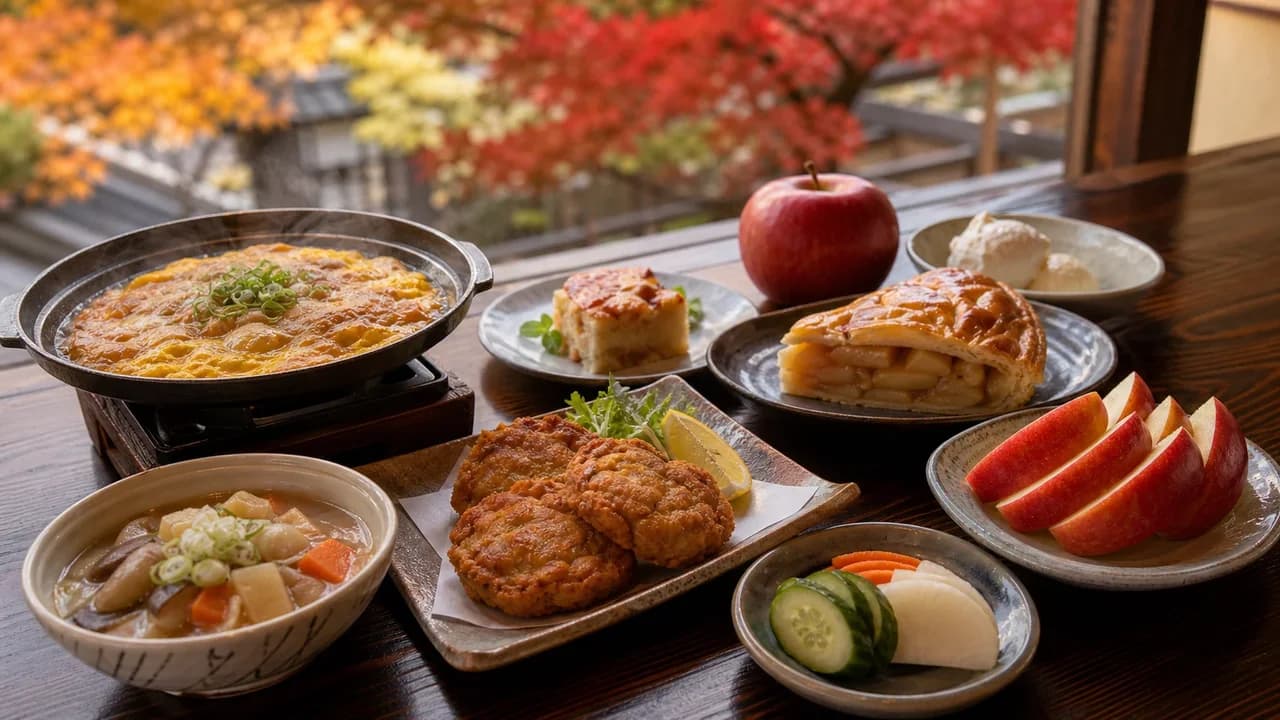
Six dishes come up again and again in Tsugaru home cooking, each built around ingredients that were once cheap, plentiful, or otherwise wasted. Most trace back to farmhouse kitchens rather than restaurant menus, though a handful of Hirosaki spots still serve them close to the original recipe. Expect smaller portions and stronger miso flavor than in most other regional Japanese cooking.
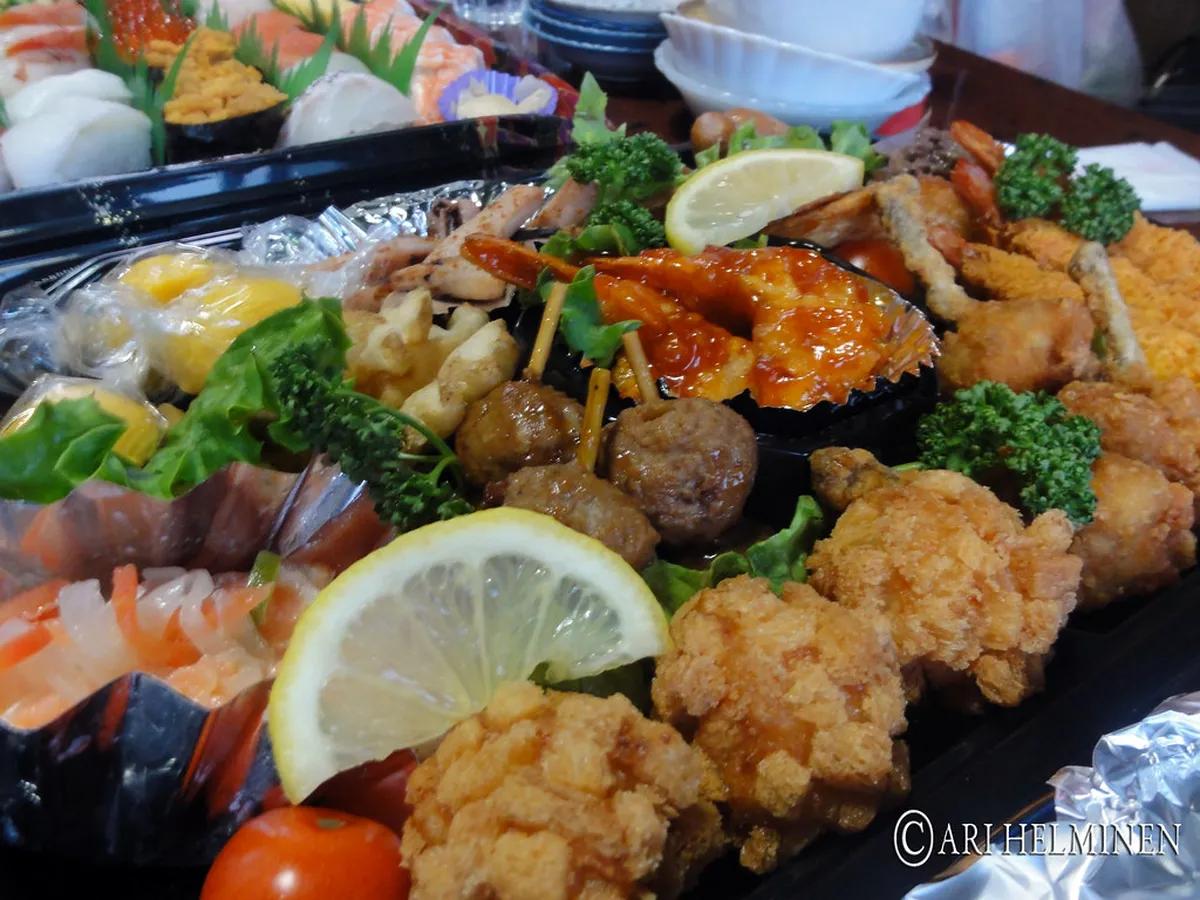
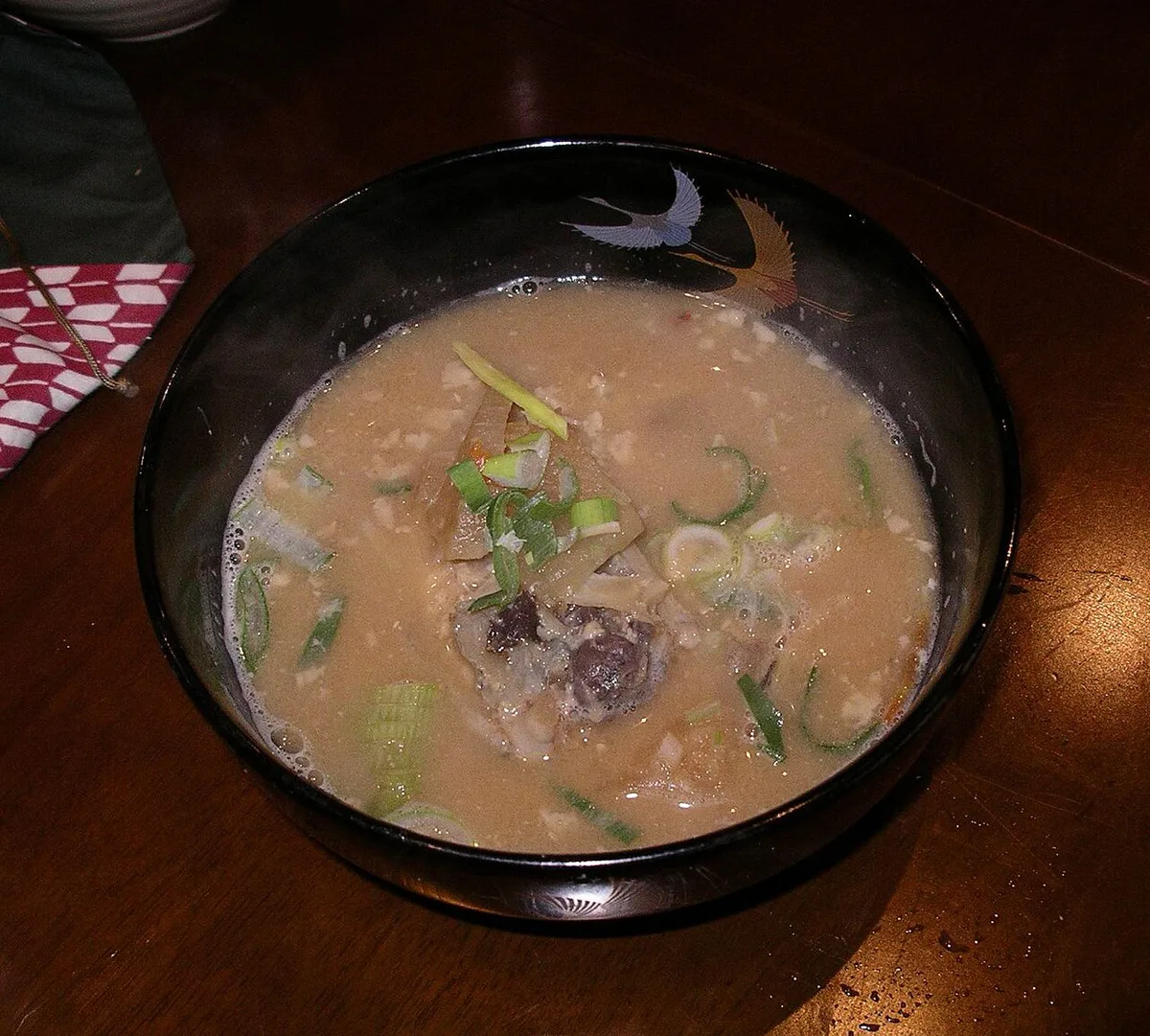
- Jappa-jiru: a miso soup built on cod parts, using the head, bones, and guts alongside daikon, Chinese cabbage, konjac, and tofu, according to Hirosaki Tourist Information. It's a winter dish designed to waste nothing of the fish.
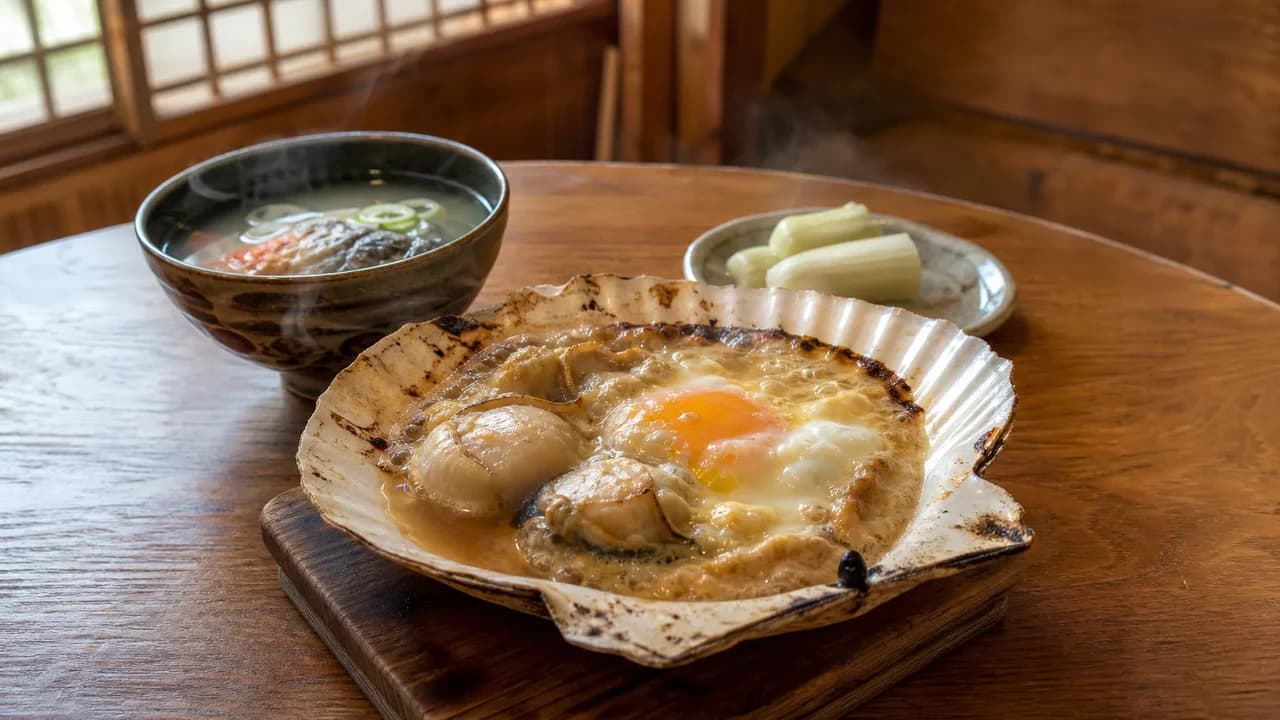
- Kaiyaki miso: beaten egg simmered with miso and stock inside a real scallop shell, sometimes with added fish or scallop meat mixed in. Locals reuse the same shell repeatedly, since a well-used shell is said to deepen the broth's flavor over time.
- Kenoshiru: a thick miso soup, closer to porridge, made from finely diced daikon, carrot, burdock, and fried tofu. Families traditionally eat it from January 15, the old Little New Year, as a wish for good health through the rest of winter.
- Igamenchi: chopped squid tentacles and vegetables, fried into a patty. It began as a way to use squid trimmings in inland Hirosaki, where fresh seafood historically was harder to source than on the coast.
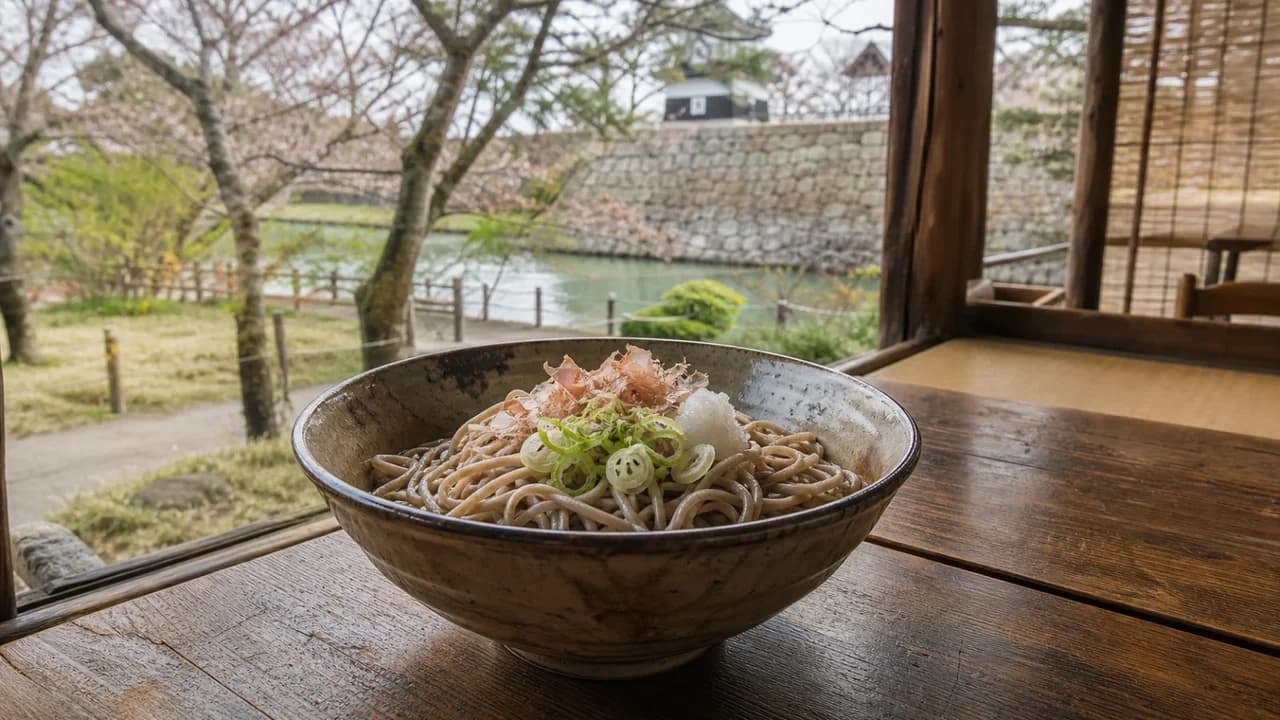
- Tsugaru soba: buckwheat noodles bound with soaked, ground soybeans instead of the usual wheat binder. The dough rests roughly half a day before cutting. That process gives the noodles a softer, more fragile texture than standard soba, and the Best Soba in Hirosaki: 8 Tsugaru Noodle Shops for 2026 covers where to try it in more depth.
- Dake-kimi: sweet corn grown at the foot of Mount Iwaki, sold at roadside stands from late August to mid-October. The wide swing between daytime and nighttime temperatures there pushes the sugar content up, per the city's tourism office.
Hirosaki's Other Side: Apples, French Cuisine, and Coffee History
Hirosaki's food identity is not only Tsugaru home cooking. Apples arrived in the city in 1875, after an American teacher at the local Tōō Gijuku school shared some with his students, who planted the seeds. That planting eventually made Hirosaki the largest producer of fresh apples in Japan. For where to taste both apples and cider today, the Hirosaki apple pie and cider guide has the details. Local tourism materials also point travelers toward an apple pie guide covering roughly 50 shops around the city, each with its own balance of sweetness, tartness, and crust style. Hirosaki also absorbed a strong Western influence during the Meiji era, when the city invited foreign teachers and put up Western-style buildings that still stand today. Many of those buildings now sit near French restaurants that grew out of the same period, and the Hirosaki Western architecture guide covers where to find them. Coffee has an even longer local history in Hirosaki. More than 150 years ago, Hirosaki warriors stationed in Ezo, present-day Hokkaido, were rationed coffee to prevent edema, and that habit eventually carried back home. Cafes built on that history are covered in the Hirosaki cafes and Western sweets guide, alongside the city's Western-style sweets.
Apples arrived in 1875 and made Hirosaki Japan's top fresh-apple producer. The resulting casual apple-picking experience at Hirosaki City Apple Park contrasts sharply with formal dining options like French restaurants and traditional cultural clubs, which all require booking or reservation.
Where to Experience Tsugaru Cuisine: Four Ways to Eat Like a Local
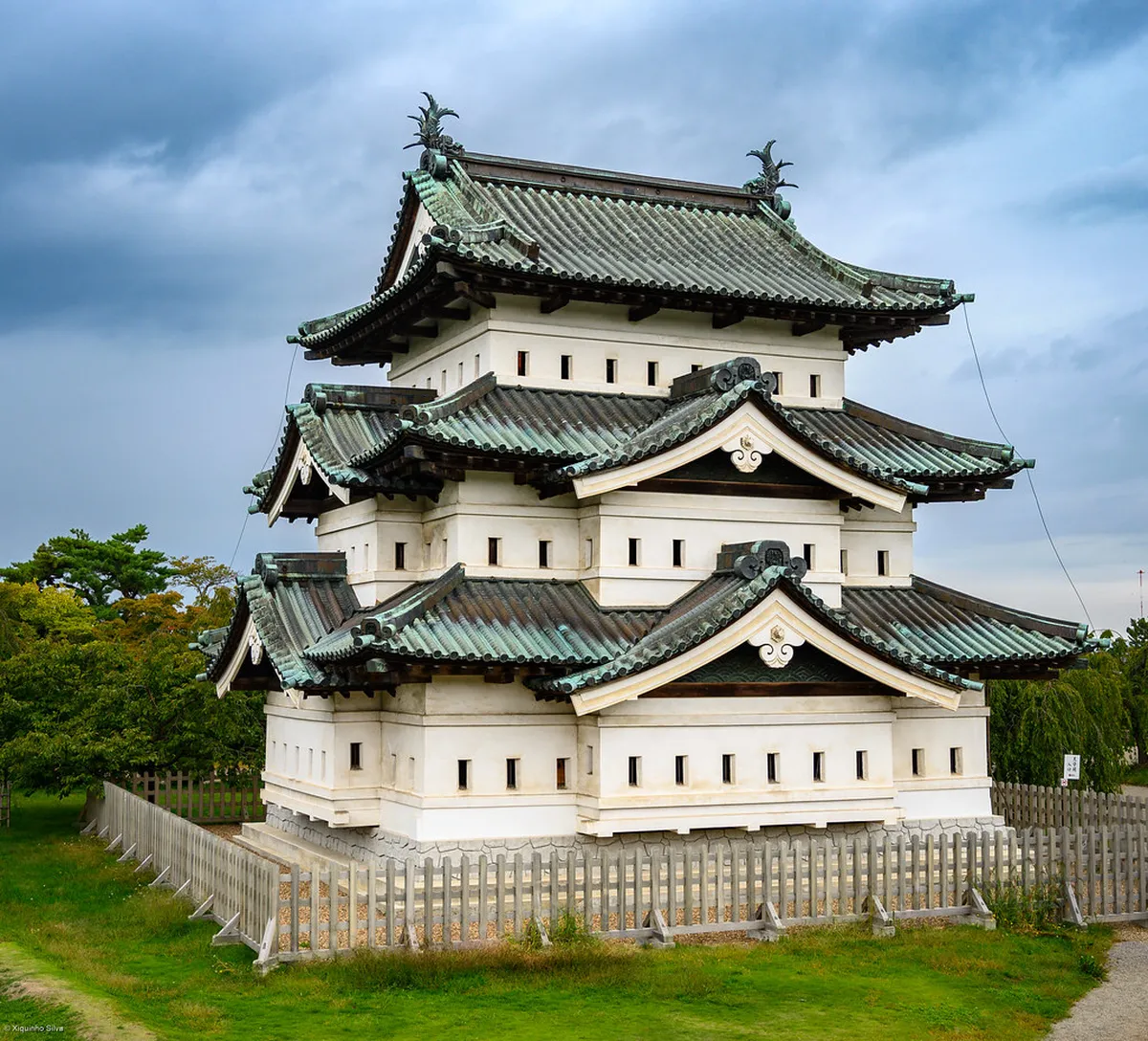
Tsugaru cuisine shows up in four distinct settings around Hirosaki, and each trades off authenticity, cost, and how much planning it needs before you book anything.
| Experience | What to expect | Typical cost | Planning needed |
|---|---|---|---|
| Cultural (Tsugaru Akatsuki Club) | Home-style recipes cooked by a multi-generational women's group, passed down rather than written | Not consistently published; confirm current rates | Advance booking; confirm current availability before your trip |
| Entertainment (shamisen izakaya) | Izakaya dining with live Tsugaru shamisen, such as Izakaya Aiya or Izakaya Adohadari | Roughly in line with a standard izakaya set course | Evening reservation recommended, especially on weekends |
| Casual (market and apple park) | Apple picking at Hirosaki City Apple Park (August-October) or a stop at a local ichiba market | Casual, pay-as-you-go snack pricing | No booking; walk in during the open season |
| Modern (French restaurants) | French-style courses built around local Tsugaru ingredients, a legacy of the city's Meiji-era ties | Course-priced, above a casual soba lunch | Reservation advisable for dinner service |
- A quick soba lunch near Hirosaki Castle Travel Guide runs about ¥800.
- A full traditional set meal typically costs between ¥3,000 and ¥5,000.
- Most of these spots sit within walking distance of the castle grounds, or a short bus ride from JR Hirosaki Station; the Hirosaki attractions guide maps the wider sightseeing loop around them.
- For the shamisen-and-izakaya route specifically, the Hirosaki izakaya guide covers more venues beyond Aiya and Adohadari.
- Hirosaki has six sake breweries in the area, and the Hirosaki sake brewery guide covers tasting options at several of them if you want to pair a meal with local sake.
When to Eat What: Tsugaru Food Through the Seasons
Tsugaru food tracks the calendar closely, since so much of it was built around what was actually in season for a farming household. For weather and crowd timing beyond food alone, check the best time to visit Hirosaki guide before you set dates.
To learn kenoshiru (traditionally starting January 15), the Tsugaru Akatsuki Club teaches traditional dishes through oral techniques, since this cooking wasn't formally recorded. Advance booking and current-rate confirmation are required before planning a winter visit.
- Winter, roughly December through February: jappa-jiru and kaiyaki miso are cold-weather dishes, and kenoshiru traditionally starts on January 15, the old Little New Year.
- Spring, around late April: cherry blossom season overlaps with peak bloom at Hirosaki Castle Park. Check the Hirosaki cherry blossom festival guide for current dates before booking.
- Summer, around August: the Hirosaki Neputa Festival guide covers the city's summer festival period, a useful anchor if you're timing a food-focused trip around it.
- Late summer into autumn, late August through mid-October: dake-kimi corn sells at roadside stands near Mount Iwaki, and apple picking runs at Hirosaki City Apple Park through October.
Getting to Hirosaki and Where to Base Yourself
Most of the restaurants and shops covered here sit within central Hirosaki, an easy walk or short bus ride from JR Hirosaki Station. If you're arriving from the prefectural capital, the Hirosaki from Aomori guide covers train and bus options for that leg. Sanchu Shokudo, a Meiji-era soba restaurant, sits about a 15-minute walk from the station. Its hours have historically run 11:00 to 19:00, closed Tuesdays, so confirm current hours before making a special trip out to it. Basing yourself centrally makes it easier to fit several of these dishes into one visit instead of crossing town for each one. The where to stay in Hirosaki guide covers neighborhoods within that walkable core, most of them a short distance from both the castle grounds and the main shopping streets.
Common Mistakes to Avoid With Tsugaru Cuisine
A few assumptions trip up first-time visitors trying to order authentically. Knowing these ahead of time saves an awkward moment at the counter.
- Tsugaru soba is not automatically gluten-free. It's typically a buckwheat and soy flour blend rather than pure buckwheat, so check with the restaurant if you need to avoid gluten or soy specifically.
- Ichigoni is not a strawberry dish, despite the name. It comes from a visual resemblance to wild strawberries, but the soup itself is made from sea urchin and abalone, and it's associated more with the Hachinohe area on Aomori's Pacific coast than with Tsugaru.
- Skipping the kobiru snack culture means missing part of the story. Farm workers traditionally took a mid-morning break built around sugary red rice, sweet pickled vegetables, or dried cod boiled in soy sauce, so look for these at markets and rest stops rather than on a restaurant menu.
- Not every dish billed as 'Tsugaru cuisine' is unique to Hirosaki. Several are shared across the wider Tsugaru region, so a dish list at a shop in Kuroishi or Goshogawara may differ from what you find in Hirosaki itself.
For trip-planning details, see Aomori Prefecture - Wikipedia.
Frequently Asked Questions
What is the most distinctive Tsugaru dish to try in Hirosaki?
Igamenchi and jappa-jiru come up most often as Hirosaki's signature Tsugaru dishes. Igamenchi is a fried squid-and-vegetable patty available most of the year. Jappa-jiru is a cod-based miso soup tied to winter, so timing affects which one you'll find easily.
Is Tsugaru soba the same as regular soba?
No. Standard soba usually leans on wheat flour as a binder, while Tsugaru soba uses soaked, ground soybeans instead. That swap gives it a softer, more delicate texture than buckwheat noodles served elsewhere in Japan.
What does Baccha cooking mean in Tsugaru cuisine?
Baccha means grandmother in the Tsugaru dialect. Baccha cooking describes home-style dishes passed down through farm households, built around drying, pickling, and fermenting food to survive the region's winters.
How much should you budget for a traditional Tsugaru meal in Hirosaki?
A casual soba lunch runs about ¥800. A full traditional set meal typically costs between ¥3,000 and ¥5,000, and a French course built around local ingredients usually costs more than either.
Do you need a reservation for the Tsugaru Akatsuki Club?
The Tsugaru Akatsuki Club is a multi-generational group that cooks traditional home-style recipes together. Exact booking requirements and pricing are not consistently published, so confirm current availability directly before planning a visit around it.
When is the best time to eat Tsugaru food in Hirosaki?
Winter suits jappa-jiru and kenoshiru, both built for cold weather. Late August through mid-October is best for dake-kimi corn and apple picking. Check the best time to visit Hirosaki guide for weather and crowd timing on top of that.
Free guide: Japan's Hidden Gems
12 under-the-radar places beyond Tokyo & Kyoto — with the best season to visit each and a local tip you won't find in the guidebooks.
You might also like


Continue reading
More guides you'll find useful