Ryogoku is Tokyo's sumo district: the national stadium, many active training stables, chanko-nabe restaurants, small wrestling museums, and streets marked with handprints and wrestler portraits sit around one JR station. In 2026 it also regained its other major anchor when the Edo-Tokyo Museum reopened on March 31 after a four-year renovation.
The district deserves a place in the complete Tokyo attractions guide even outside tournament season. A non-basho day can combine the museum, sumo history, a chanko lunch, and the memorial sites of old Edo without depending on a ticket.
Ryogoku Kokugikan and Tournament Days
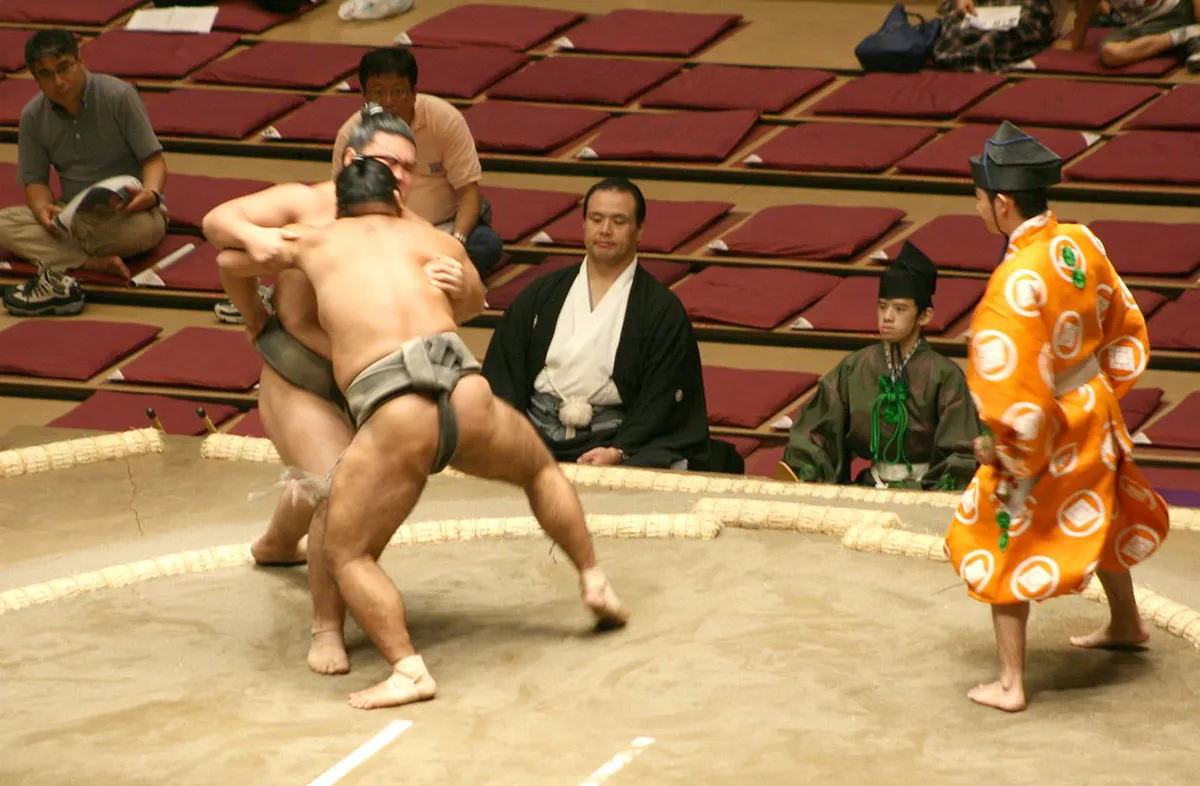
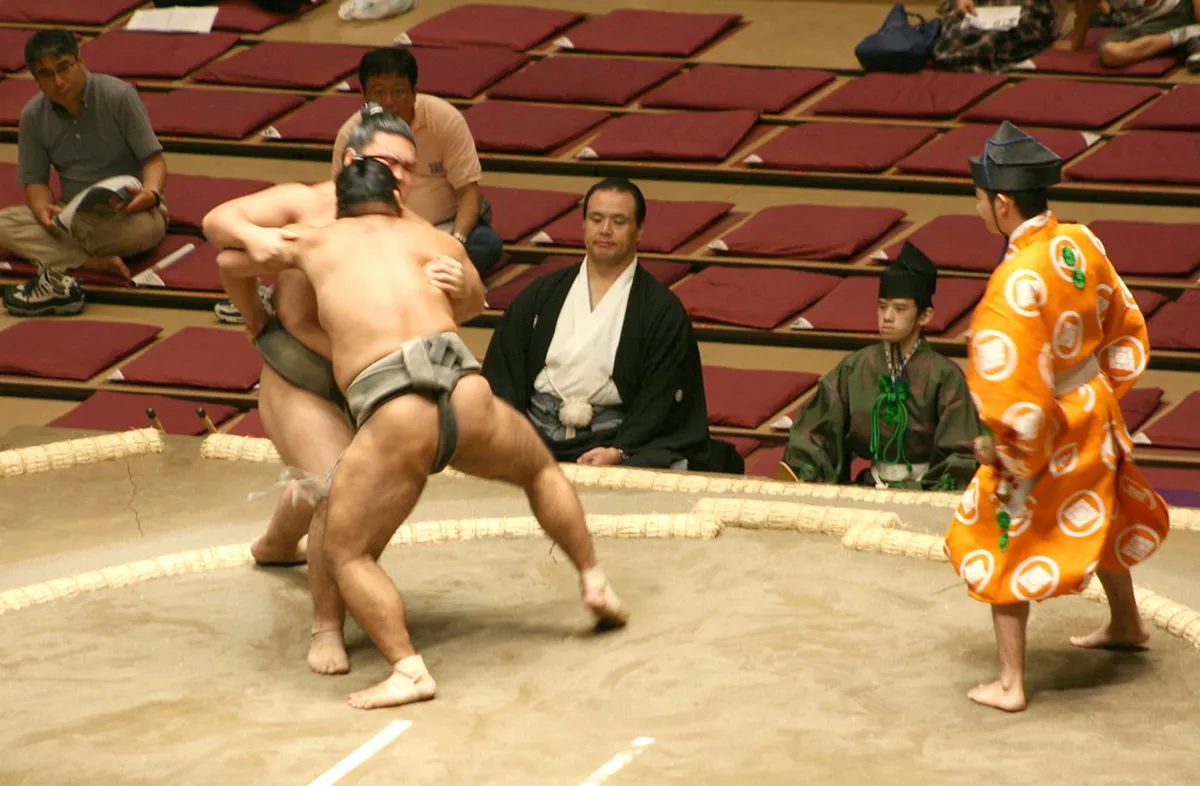
Ryogoku Kokugikan hosts Tokyo's three annual 15-day grand tournaments in January, May, and September. Lower divisions begin in the morning, the top-division ring-entering ceremony follows in mid-afternoon, and the leading bouts finish around early evening. Arriving around 13:00 gives most first-time spectators enough context without spending the entire day seated. Check the broader Tokyo events calendar before choosing dates, especially when a tournament overlaps festivals or national holidays.
Tickets use chair seats and Japanese-style box seats, with pricing and release dates set for each tournament. Buy only through the official Japan Sumo Association schedule or an authorized seller. Weekend and final-day seats disappear fastest. Re-entry rules and gate times can change, so read the conditions on the ticket rather than assuming you can leave for lunch.
Inside, try a bentō or bowl of chanko, inspect championship portraits in the corridors, and watch how the arena fills as divisions advance. Respect spectators' sightlines: keep phones low and do not stand during a bout.
Ryogoku Outside Tournament Season
The Sumo Museum inside Kokugikan displays woodblock prints, ceremonial aprons, rankings, and historical objects, but opening depends on events and tournament preparation. Check before visiting; the stadium is not a permanently open arena tour.
Active sumo stables are workplaces and homes, not walk-in attractions. Never open a stable door, photograph through windows, or wait in a narrow street for wrestlers. Morning-practice visits require advance permission through a program or a stable that explicitly accepts guests. Silence, punctuality, modest clothing, and staying for the full practice are normal expectations.
You may still see wrestlers walking between stables, the station, and restaurants. Give them space and ask before taking a portrait. The goal is to experience a living sports district without turning residents into props.
The Reopened Edo-Tokyo Museum
The elevated Edo-Tokyo Museum reopened on March 31, 2026 after major building and exhibition work. Its permanent galleries explain the growth of Edo from shogunal city to modern Tokyo using large models, reconstructed architecture, original objects, maps, and updated digital interpretation.
It is the best indoor partner for a Ryogoku day because the museum explains the urban culture that produced sumo's formal traditions. Allow two to three hours and verify current admission, special-exhibition tickets, and closure days on the official museum website. For a complementary look at Japanese art, archaeology, and samurai objects, continue on another half-day to the Tokyo National Museum in Ueno.
Where Chanko Nabe Fits
Chanko nabe is the protein-rich hotpot associated with sumo stables, but there is no single fixed recipe. Chicken, seafood, meatballs, vegetables, tofu, and noodles vary by restaurant. Ryogoku has both historic dining rooms run by former wrestlers and casual lunch shops.
Lunch sets are the easiest value and work well between the museum and neighborhood walk. Dinner at a famous venue may require a reservation, especially during tournaments. One pot is often designed for two or more diners; solo travelers should look for individual lunch portions rather than ordering a large à-la-carte set.
A Half-Day Ryogoku Route
- Start at JR Ryogoku Station and look at sumo displays inside the concourse.
- Walk around Kokugikan and check whether the Sumo Museum is open.
- Visit the Edo-Tokyo Museum for two hours.
- Eat a chanko lunch near the station.
- Continue to Kyu-Yasuda Garden and the Japanese Sword Museum, or walk south toward the Sumida Hokusai Museum and Ekoin Temple.
On tournament days, reverse the plan: use the museum or neighborhood for the morning, enter Kokugikan by early afternoon, and stay for the top division.
Access and Nearby Pairings
JR Ryogoku Station on the Sobu Line is closest to Kokugikan. The Toei Oedo Line station is nearer parts of the museum district but farther from the arena entrance. From Akihabara, the JR trip is only a few minutes, making Ryogoku a natural cultural follow-up to Akihabara.
Across the river, Asakusa and Senso-ji are close geographically but not directly adjacent by every rail route. A taxi or bus can be efficient for two or three travelers; walkers can follow the Sumida River if weather is comfortable.
Frequently Asked Questions
Can you visit Ryogoku without a sumo tournament?
Yes. The Edo-Tokyo Museum, sumo landmarks, chanko restaurants, gardens, and smaller museums make a strong half-day.
When are Tokyo's sumo tournaments?
Grand tournaments at Ryogoku Kokugikan take place in January, May, and September. Confirm exact dates on the official schedule.
Can you walk into a sumo stable?
No. Stables are private workplaces and residences. Attend only with confirmed advance permission or an organized visit.