What to Eat in Aso: 7 Best Foods to Try
What to eat in Aso: Akaushi beef, Takana-meshi, and Dagojiru, plus where to eat along Route 57, dinner near Aso Station, and 2026 prices.
On this page
Last updated August 2026, this guide answers exactly what to eat in Aso, Japan's volcanic caldera region in Kumamoto Prefecture. Three dishes anchor the local table: Akaushi beef, Takana-meshi, and Dagojiru, each fed by the mineral-rich water and volcanic soil of the caldera. Below, you'll find where to eat each dish along Route 57, how to handle dinner near Aso Station after dark, and how to budget a full caldera food day.
What to Eat in Aso: 7 Essential Dishes
Aso's food identity centers on a handful of dishes shaped by caldera geography: mineral-rich water, volcanic soil, and grassland kept open for Akaushi cattle. Here's what to eat in Aso: the signature mains worth planning a meal around, plus the fast road-stop options for a Mount Aso day trip.
Akaushi cattle are part of Aso's grassland agriculture, but menu price depends on cut, portion, grade, and restaurant. Do not infer a fixed pasture area or conservation contribution from a single bowl.
- Akaushi Beef (Aka Gyu-don)
- Kumamoto's Akaushi cattle produce a leaner, lighter red beef than typical wagyu, and you'll usually find it served as aka-gyu don, a steak bowl over rice.
- Expect to pay ¥2,500–¥3,500 for a standard bowl, and budget 60 to 90 minutes of waiting at popular counters around midday.
- Full grading, cuts, and cooking methods get a dedicated breakdown in the Aso Akaushi Beef Restaurants: Wait Times, Prices, and Where to Eat (2026).
- Takana-meshi (Mustard Leaf Rice)
- Aso Takana pickled mustard greens, grown on the region's cold, elevated land for a distinctively spicy edge, get chopped, pan-fried, and folded through hot rice.
- You can expect to pay roughly ¥1,000 to ¥1,540 for a set meal, or as little as ¥480 for a small bowl alone.
- Both dishes get a full walkthrough in the Takana-meshi and dagojiru guide.
- Dagojiru (Dumpling Soup)
- Dagojiru is a miso- or soy-based soup thickened with hand-pulled wheat dumplings and root vegetables like burdock, taro stalk, and shiitake.
- Every kitchen keeps its own recipe, so the broth and dumpling texture change from one Route 57 diner to the next.
- Set meals built around Dagojiru typically cost ¥1,000 to ¥1,450.
- Aso Milk Dairy and Desserts
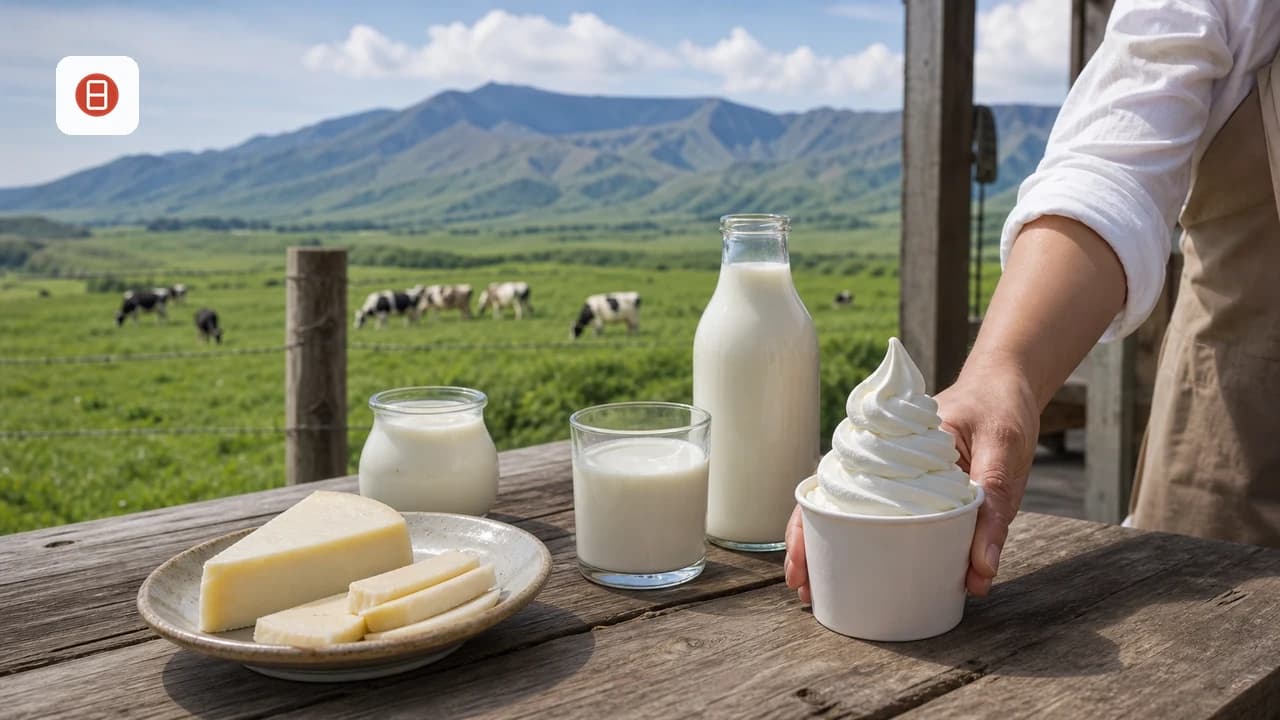
- Aso Milk sources raw milk from caldera-grassland dairy farms, including operations like Abe Farm, and turns it into soft-serve, drinkable yogurt, and shio-pan salt bread.
- The drinkable yogurt lists only raw milk and sugar as ingredients, with a strong flavor that isn't overly sweet.
- Full dairy and dessert options are mapped in the Aso milk and dessert guide.
- Basashi (Horse Sashimi)
- Horse sashimi, or basashi, is a Kumamoto-wide specialty that shows up as a side or set-meal option in most Aso local-food restaurants.
- You'll typically get it thin-sliced with ginger, garlic, and soy sauce, alongside the same sets that carry Takana-meshi and Dagojiru.
- High-Altitude Soba
- Buckwheat grown around Aso's elevated terrain supplies the noodles at specialty counters such as Soba Dokoro Sotaro An, priced around ¥1,000–¥1,999 on Tabelog.
- It's a lighter alternative to beef- and horse-based sets, useful if you're traveling with vegetarian-leaning companions.
- Michi-no-Eki Aso Road-Stop Snacks
- Umatama Onigiri pairs horse-meat rice with a jammy egg at the center, sized big enough for a full meal on the go.
- Michi-no-Eki Aso also stocks coffee milk, shio-pan, and Aso Milk yogurt, useful for a fast breakfast or a crater-day supply run.
- The wider farm-stand and market scene is covered in the Aso farm restaurants and markets guide.
Aso's Grasslands and the Akaushi Connection
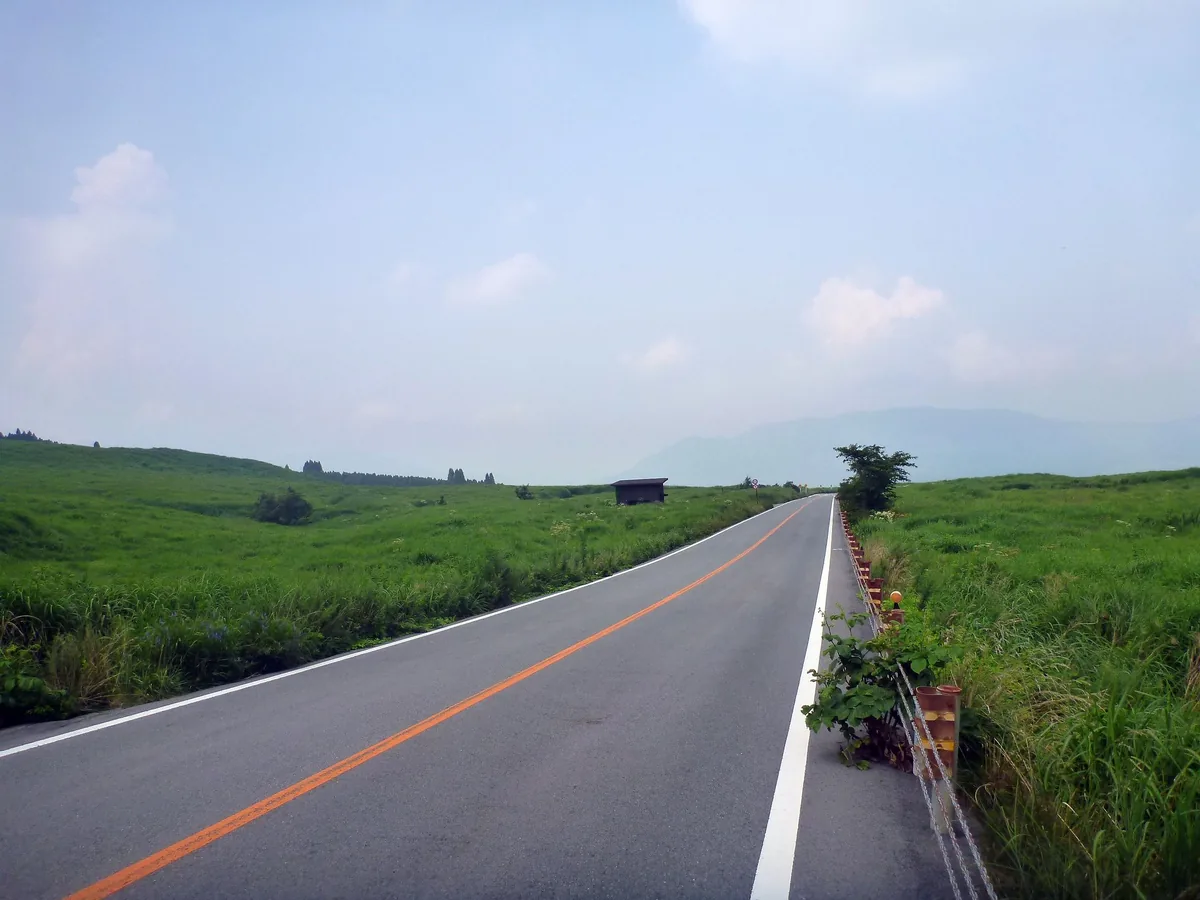
Akaushi cattle and managed grasslands are both visible parts of Aso's agricultural landscape. Noyaki, controlled seasonal burning, is one practice used to maintain open grassland. This connection should not be reduced to an unsupported “80 square feet per 100g” formula or a promise that every restaurant order directly finances conservation. The same regional farms also supply rice, mustard greens, and vegetables used in takana-meshi and dago-jiru.
Where to Eat the Big Three Along Route 57 (the Dagojiru Kaido)
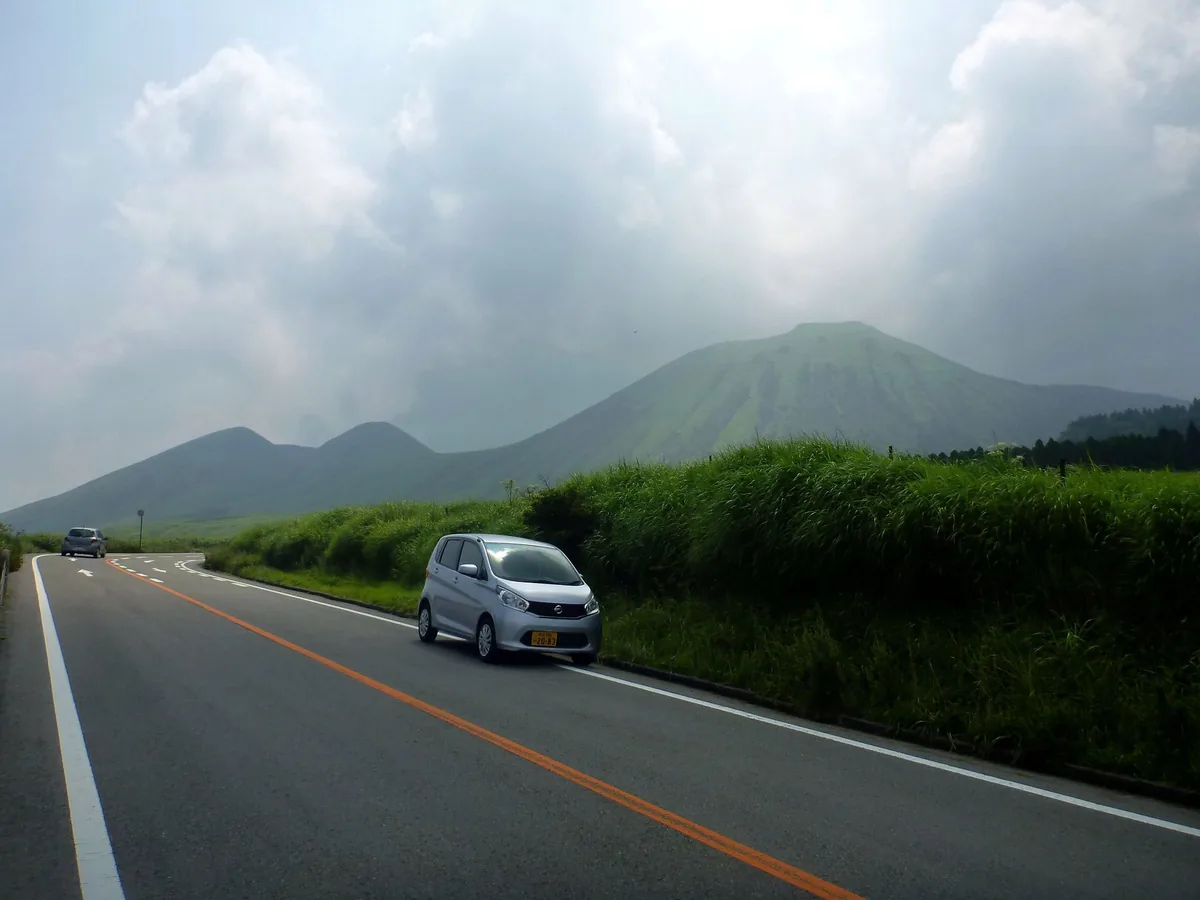
National Route 57 runs from Kumamoto City toward Aso. Locals call this stretch the Dagojiru Kaido, since so many of the region's best Takana-meshi and Dagojiru restaurants sit directly on it. A rental car makes this route easiest. Without one, confirm local bus or taxi timing before committing to a Route 57 lunch. Three long-running restaurants anchor this stretch, each serving the same family recipes for decades.
- Original Takanameshi Aso-ji
- Aso-ji was the first restaurant to put home-style Takana-meshi on a menu, and it has served the dish for more than 50 years.
- The Takana Meshi Set Meal costs ¥1,430 and includes Dagojiru, soy pulp, and two-day-simmered stewed horumon offal.
- Takana-meshi alone runs ¥480 for a small bowl up to ¥880 for a large one.
- Sanjoku Tabiji
- Sanjoku Tabiji sits about a minute by car from Aso Cuddly Dominion and seats up to 100 guests across tatami and table sections.
- The Dagojiru Set Meal costs ¥1,450 and pairs the soup with Takana-meshi, tofu, yam, and pickles.
- You can swap in Sanzokumeshi rice for the standard Takana-meshi at no change to the set price.
- Himeji
- Himeji has operated since 1986 and covers Takana-meshi, Akaushi beef, Dagojiru, and horse sashimi on a single menu.
- The A Set costs ¥1,000 for Takana-meshi, Dagojiru, and pickles, while the Takana Meshi Set Meal at ¥1,540 adds stewed offal.
- It works well for groups who want to sample several Aso specialties without visiting multiple restaurants.
Akaushi Beef Specialists in Uchinomaki: Timing the Wait
Uchinomaki Onsen concentrates Aso's dedicated Akaushi beef counters, led by Aka Gyu-don Iwasaki and Aka Gyu-don Senmon Ten Gotouya. Iwasaki carries a Tabelog rating of 3.60 built on 359 reviews, the highest among the region's red-beef specialists. Gotouya holds a 3.39 rating across 125 reviews at its main counter, with sister locations near Aso Station and in Uchinomaki itself. Both kitchens run lunch-only hours and often close by 4:00 PM. Arrive by 10:45 AM instead to beat most of the line, since arriving around noon can mean a 60- to 90-minute wait.
More Kumamoto Restaurants Worth Knowing
Beyond the Big Three specialists, you'll find several more Tabelog-listed restaurants worth building into a longer stay. Options range from private-room Akaushi shabu-shabu to family-friendly yakiniku, a butcher-direct steak counter, and a break from set-meal Japanese food entirely.
| Restaurant | Cuisine | Price Range | Note |
|---|---|---|---|
| Katsu ~aka~ | Shabu-shabu, sukiyaki (Akaushi) | ¥15,000–¥19,999 dinner, ¥6,000–¥7,999 lunch | Private rooms, multilingual staff |
| Nagomi Shokudo | Lava-grilled Akaushi and Aso Milk Pork sets | ¥2,000–¥2,999 | Near Miyaji Station, multilingual menu |
| Dondoko Yu Restaurant | Yakiniku | ¥3,000–¥3,999 dinner, ¥1,000–¥1,999 lunch | Near Akamizu Station, kids menu |
| Yokayoka Tei Akaushi Kan | Butcher-direct steak, hamburger steak | ¥2,000–¥2,999 dinner, ¥1,000–¥1,999 lunch | 3-minute walk from Miyaji Station, seats up to 150 |
| Tonko | Tonkatsu | ¥5,000–¥5,999 | Kurokawa Onsen area, uses Takumi Nagai pork |
| Kugino An | Soba (buckwheat noodles) | ¥3,000–¥5,999 | Minami-Aso area, closed Tuesdays |
| UBUYAMA PLACE | Wood-fired pizza, pasta | ¥2,000–¥2,999 | Open all day rather than lunch-only |
| komeko | Cafe, Western-style sweets | Under ¥999 | Near Miyaji Station, closed Wed/Thu |
Night Dining Near Aso Station: What Works After Dark
Aso Station has limited dining after dark. Do not rely on Coffee Plaza East or any other independent diner as a guaranteed evening option without checking its current direct listing. Travelers without a car should confirm dinner with their accommodation or identify an open restaurant on the same day.
Michi-no-Eki Aso currently closes at 6:00 PM, and many destination restaurants focus on lunch. Confirm an evening meal before leaving the station area.
Budget, Wait Times, and the Akaushi vs. Takana-Meshi Decision
Aso's food scene splits into two clear budgets. Takana-meshi and Dagojiru sets run roughly ¥1,000 to ¥1,540 and are usually ready within minutes of ordering. Akaushi beef and horse sashimi sit in the ¥2,500-to-¥3,500-plus range and can mean a 60- to 90-minute wait at the busiest counters. If you're working with a tighter budget, or traveling with vegetarian companions, you'll find more options in the Aso budget and vegetarian food guide.
| Dish | Typical Price | Wait / Speed | Best For |
|---|---|---|---|
| Akaushi beef (aka-gyu don) | ¥2,500–¥3,500+ | 60–90 min wait at peak | A planned splurge meal |
| Takana-meshi | ¥480–¥1,540 (set) | Fast, minimal wait | Quick traditional lunch |
| Dagojiru | ¥1,000–¥1,450 (set) | Made fresh to order | Cold-weather comfort food |
| Horse sashimi (basashi) | Bundled into set meals | Fast | Adventurous set-meal add-on |
Planning an Aso Food Day: Timing, the Aso Boy! Bento, and Mistakes to Avoid
Food options around the Mount Aso crater attractions are limited and can change with facility operations, weather, and access restrictions. Michi-no-Eki Aso is currently open 9:00 AM-6:00 PM and is a practical place to buy food before heading uphill. Carry water and a backup snack, but check current mountain facilities rather than stating that the crater has no food at all.
| Stop | Typical Hours | Note |
|---|---|---|
| Route 57 lunch counters (Aso-ji, Sanjoku Tabiji, Himeji) | 11:00 AM–3:00 PM | Reliable window for the Big Three |
| Uchinomaki Akaushi specialists (Iwasaki, Gotouya) | Lunch-only, often closed by 4:00 PM | Arrive by 10:45 AM |
| Michi-no-Eki Aso | 9:00 AM–6:00 PM | Last stop before Nakadake Crater |
| Coffee Plaza East (near Aso Station) | Open into the evening | Fallback for dinner without a car |
- Skipping a backup before the crater
- Mountain food options are limited and operational availability changes.
- Buy a snack and water at Michi-no-Eki Aso before driving up.
- Arriving at noon for Akaushi beef
- Peak lunch arrivals around 12:00 PM often mean a 60- to 90-minute wait at Iwasaki or Gotouya.
- Arrive by 10:45 AM to avoid most of the line.
- Walking unfamiliar roads after dark
- Streets beyond Aso Station's immediate area are unlit at night.
- Stay close to the station, or arrange dinner through your accommodation, if you don't have a car.
How This Guide Was Verified
Food availability, access details, seasonal rules, and the time-sensitive claims in this guide were checked on August 22, 2026 against the official sources below. Independent restaurant menus, prices, opening days, and sell-outs can change, so confirm the operator's same-day notice before making a special trip.
Explore food in other cities
Frequently Asked Questions
What are the three essential dishes to eat in Aso?
Akaushi beef, Takana-meshi, and Dagojiru form Aso's core trio. Akaushi beef is typically served as an aka-gyu don steak bowl, Takana-meshi mixes pickled mustard greens through rice, and Dagojiru is a dumpling-and-vegetable miso soup.
Is food available near Mount Aso's crater?
Options are limited and can change with operations, weather, and access restrictions. Check current mountain facilities and carry food and water from Michi-no-Eki Aso or another lower-elevation stop.
Where can travelers without a car find dinner in Aso?
Options near Aso Station are limited after dark. Confirm a current restaurant directly or arrange dinner with your accommodation; do not rely on one independent diner without a same-day check.
How much does a typical meal cost in Aso?
Takana-meshi and Dagojiru sets generally cost ¥1,000 to ¥1,540. Akaushi beef and horse sashimi run ¥2,500 or more, occasionally reaching ¥3,500 at busy counters.
What time should I arrive to avoid long waits at Akaushi restaurants?
Aim to arrive by 10:45 AM. Arriving around noon at popular counters like Iwasaki or Gotouya often means a 60- to 90-minute wait, and both kitchens tend to close by 4:00 PM.
Are there vegetarian options in Aso?
Options exist but require checking. Soba sauce, dago-jiru, takana rice, miso, pickles, and vegetable sides may contain fish or meat stock. Confirm the full preparation rather than choosing by appearance.
What is the Aso Boy! bento and where can I buy it?
The Kuro-chan ekiben bento is sold onboard the JR Kyushu Aso Boy! limited express train. It's themed around the train's mascot and includes rice, fried shrimp, and sausage, useful for a moving meal between stops.
Explore Aso Food and Dining
Use these guides to compare local dishes, dining areas and practical food experiences in Aso.
Food and Dining Guides
Free guide: Japan's Hidden Gems
12 under-the-radar places beyond Tokyo & Kyoto — with the best season to visit each and a local tip you won't find in the guidebooks.
You might also like


Continue reading
More guides you'll find useful