
Aso Milk, Cheese and Desserts: A 2026 Kumamoto Guide
Plan an Aso milk, cheese and desserts trip: where to find ASO MILK, soft serve and aged cheese, plus Milk Road logistics and cold-chain souvenir tips.
On this page
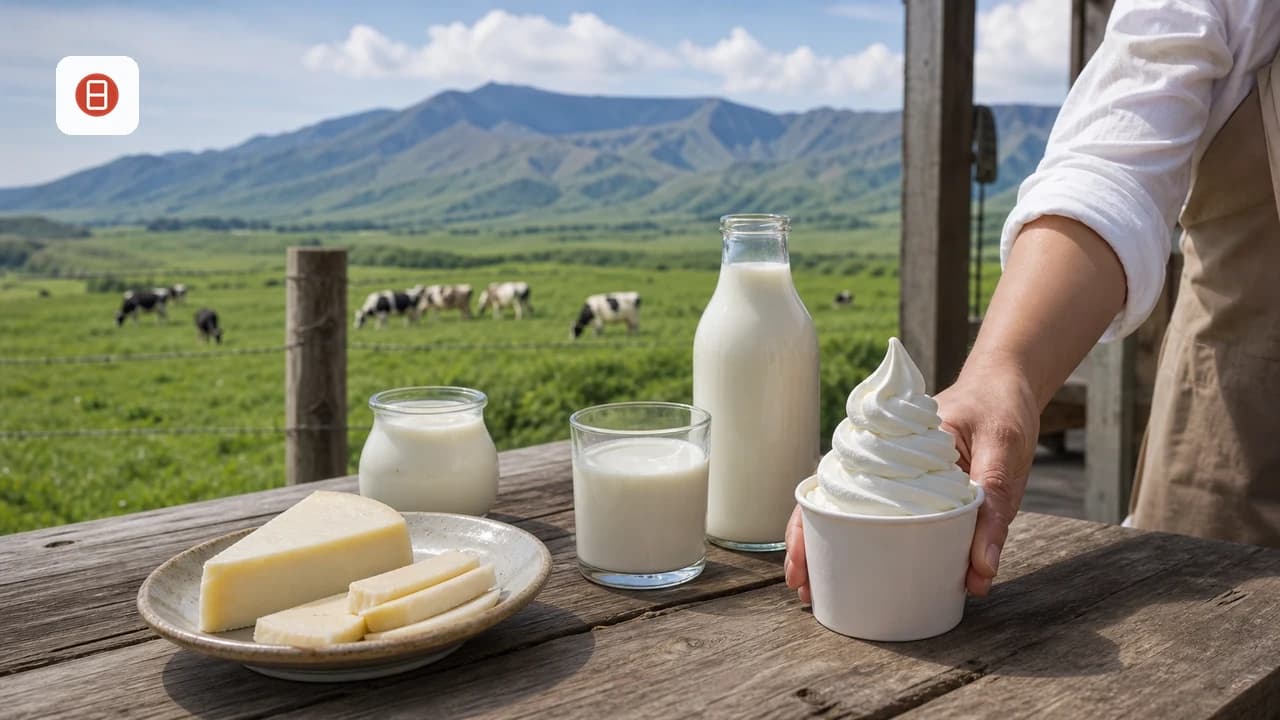
Last updated August 2026. Aso milk, cheese and desserts draw food travelers into the caldera, where volcanic soil and high pastures feed Jersey and Holstein herds. Farm shops, roadside stations and a rose-garden creamery each bring a different take on soft serve, pudding and aged cheese to the region.
Why Aso Milk Tastes Different: Volcanic Soil and Grass-Fed Herds
Aso's caldera sits at high elevation, with pasture fed by mineral-rich volcanic soil and water draining from the surrounding peaks. Dairy farms in this basin rely on Jersey and Holstein herds that graze across open grassland for much of the year. Jersey cows tend to produce creamier, higher-fat milk than Holsteins, and that difference shows up in Aso's soft serve and cheese as a heavier mouthfeel. Volcanic groundwater in the caldera carries a distinct mineral profile, which farmers and cheesemakers point to as part of what shapes the milk's flavor. Richer pasture generally means richer milk, and Aso dairies build their reputation on that link between land and product. Grazing patterns shift with the seasons, which is part of why milk richness changes across the year. For a wider view of what the caldera grows and cooks beyond dairy, the Aso food guide covers grilled beef, mustard greens and farm produce alongside these creameries.
Where to Find Aso Milk, Cheese and Desserts
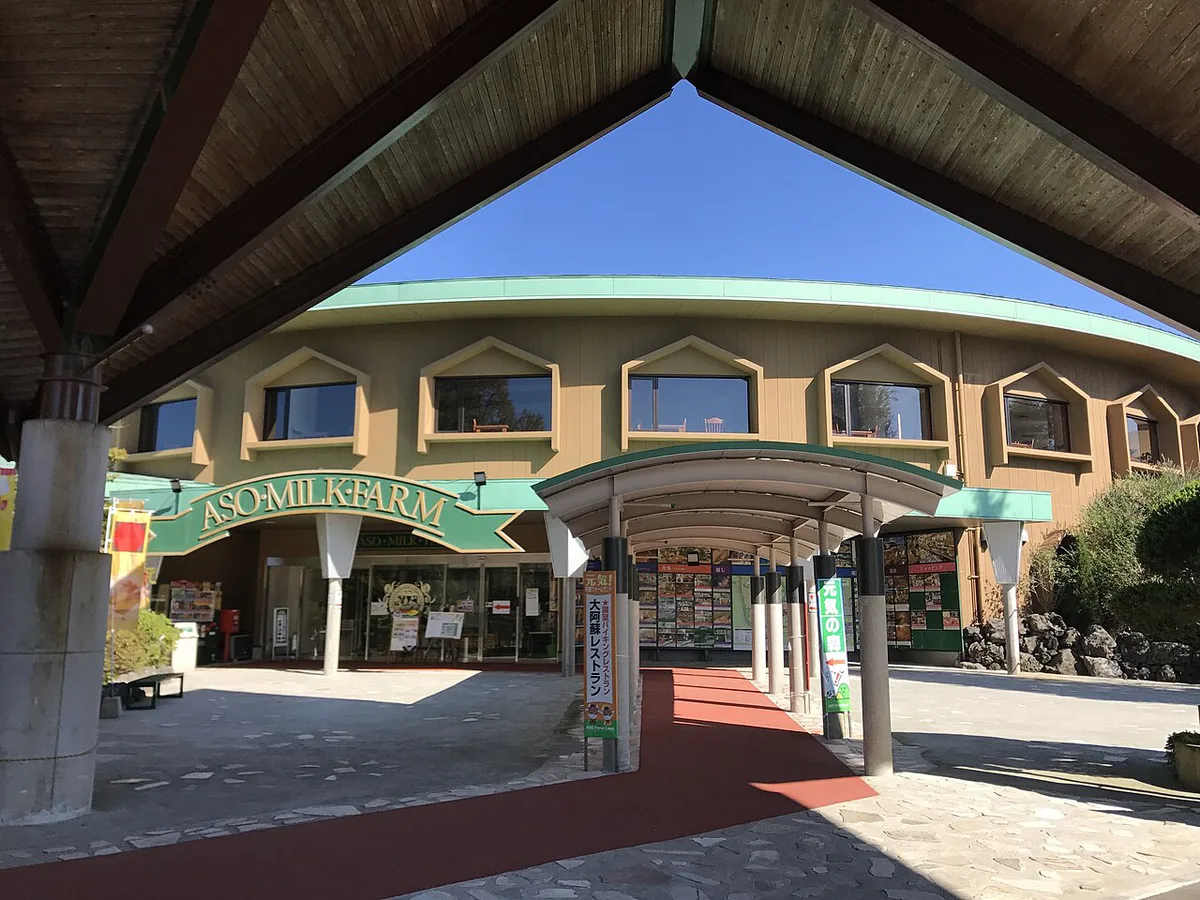
Four stops anchor a dairy-focused day in Aso, each at a different scale. Abe Farm's ASO MILK brand anchors the north side of the caldera, while a rose-garden creamery and a roadside station make side-by-side tastings easy. Minamiaso's quieter side rewards travelers willing to detour south of the main caldera floor. Choose the northern Milk Road first if time is short. It clusters Abe Farm and the roadside station close together. Add the Minamiaso side only if you have a full day free. Abe Farm leans toward drinkable dairy like yogurt drinks and soft serve. Aso Milk Factory leans toward solid cheese instead. Pairing the two stops covers both categories in one day.
- Abe Farm (ASO MILK): the flagship shop for the ASO MILK brand, known for yogurt drinks and soft serve. Products have won the International Taste Institute's Superior Taste Award in past years, including a three-star rating. Check current packaging for the latest result.
- Aso Milk Factory (Hana Asobi): a cheese-making facility set beside a rose garden, with a rotating lineup of aged and flavored cheeses. The rose garden setting makes it a stop worth timing for daylight, since much of the appeal is walking the grounds before or after tasting.
- Michi-no-Eki Aso: the roadside station where several small-batch dairies sell side by side, useful for comparing products from multiple farms in one stop. The farm restaurants and roadside markets guide covers what else the station sells.
- Minamiaso dairy hubs: smaller, less crowded farm shops on the southern caldera floor, worth a stop if the northern Milk Road gets busy. These shops tend to run family operations rather than larger branded storefronts, so product lineups can vary from one visit to the next.
The Cheese Category: Fresh, Smoked and Aged Styles
Cheese styles alone do not establish a safe eating window or travel time. Fresh, smoked, vacuum-sealed, and surface-ripened products can all require refrigeration, and vacuum packaging does not make a cheese shelf-stable. Follow the specific product's printed use-by date and storage temperature. Ask the seller for cold packaging suited to the actual journey and whether the milk is pasteurized if that matters to you.
| Cheese Type | Eating Window | Travel Guidance |
|---|---|---|
| Fresh mozzarella or burrata | Follow printed use-by date | Maintain the labeled refrigeration temperature |
| Smoked or string cheese | Follow product label | Vacuum sealing does not replace refrigeration |
| Surface-ripened or aged wheels | Follow product label | Ask the seller about cold packing and journey time |
Soft Serve, Puddings and Other Aso Milk Desserts
Soft serve is the easiest way to sample a farm's milk on the spot, and flavor lists usually stretch beyond plain milk to include seasonal fruit and roasted tea blends. Milk puddings come in two broad textures: creamy custard-style, and a firmer panna-cotta style that holds its shape once unmolded. Milk-based confectionery like Aso no Tsuki is built for gifting, packaged individually and sold in boxes for taking home. Because pudding batches are often made in small runs, a shop can sell out of a specific flavor by afternoon, so visiting earlier in the day improves your odds of getting the full lineup. A useful approach for a dessert crawl is ordering smaller portions at each stop instead of a full serving at one shop. That way you can compare texture and sweetness across two or three dairies in a single day.
Abe Farm's three-star rating reflects their soft-serve and drinkable-dairy specialties. Visiting multiple stops in one day lets you taste award-winning soft serve alongside puddings from other producers to notice distinct styles.
Family-Friendly Dairy Stops
Family groups can build a dairy day around a few kid-friendly stops without much extra planning. Michi-no-Eki Aso works well as a base. Its food court seating and multiple dairy vendors let each family member choose a different flavor without committing to one shop. Abe Farm's shop keeps its soft-serve counter simple, with both cones and cups available, which helps when younger kids would rather hold a cup than balance a cone. Splitting a single cheese platter across a family group, rather than everyone ordering separately, keeps portions manageable. It also lets kids try aged cheese in small bites instead of a whole slice. Milk pudding jars travel well from a shop counter to a picnic table, which suits families who want to eat outside rather than find indoor seating. Ask at the counter whether a smaller kid-sized soft-serve portion is available, since standard sizes can be more than a young child will finish. Pack wet wipes and a small cooler bag if the day includes more than one stop, since younger travelers tend to want dessert at every location rather than just one.
Prefectural Road 45 lacks public transit access, so a rental car is essential for any multi-stop dairy day. This affects family planning when no adult driver is available.
Planning a Dairy Tour: Milk Road Logistics, Timing and Costs
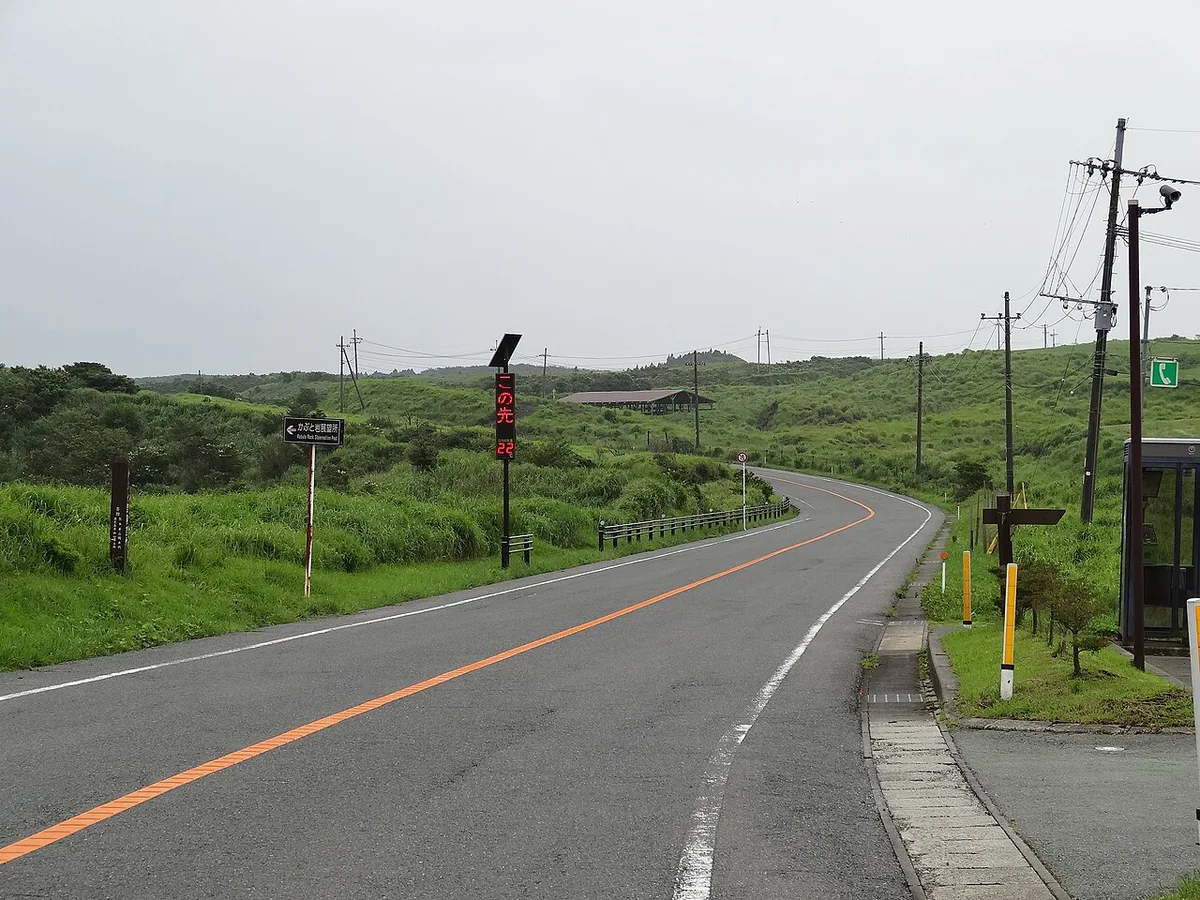
A rental car is close to essential for a proper dairy tour. Prefectural Road 45, known locally as the Milk Road, connects several farm shops along the northern caldera rim, and public transit does not reach all of them. Bus service to Aso Milk Factory is limited, so check current schedules before planning a car-free day. Morning visits improve your odds of catching the day's first pudding batch and a full soft-serve flavor lineup before anything sells out. Plan your route in one direction along the caldera rim rather than backtracking, since farm shops sit at intervals along the road rather than clustered in one town. Weekend and holiday afternoons draw the largest crowds to the busier shops, so an early start helps you beat both crowds and sold-out flavors. Pair a Milk Road stop with crater viewpoints from the Aso attractions guide to balance a day between food and scenery.
- Soft serve: the cheapest way to sample a farm's milk on site, priced close to a single café drink.
- Cheese platters and tasting sets: cost more than a scoop of soft serve, reflecting the extra product and prep involved.
- Vacuum-sealed souvenir boxes: the highest price point of the three, since they bundle cheese or confectionery for travel. Check each shop's posted menu board for current pricing before deciding how many boxes to buy.
Cold-Chain Souvenir Advice: What Travels and What Doesn't
Eat soft serve immediately and follow the label on milk, pudding, cheese, and confectionery. An insulated bag or hotel minibar is not automatically cold enough for a product that requires refrigeration; verify the required temperature, trip duration, and packaging with the seller. Keep chilled food out of warm cars and do not rely on vacuum sealing as a safety measure. International travel adds customs and cold-chain constraints that vary by destination, so check both before packing dairy.
Pairing Aso Dairy with Local Flavors
Aso's dairy pairs naturally with the caldera's other signature ingredients. A cheese platter alongside grilled beef makes a rich combination, and the Aso Akaushi Beef Restaurants: Wait Times, Prices, and Where to Eat (2026) covers where to find that pairing done well. Some restaurants melt Aso cheese directly over a grilled akaushi cut. This pairing isn't on every menu, so check individual restaurant listings before planning a meal around it. Order dairy and akaushi dishes as separate small plates if a restaurant offers both, so you can judge each before deciding how well they pair. Takana, the region's pickled mustard green, cuts through a dairy-heavy meal with its salt and heat. The takana meshi and dago-jiru guide covers that pickle alongside a milk-adjacent dumpling soup worth trying on the same trip.
Dairy-Free and Vegetarian Options in Aso
Fully vegan alternatives are limited compared with larger cities. Do not assume Michi-no-Eki Aso currently stocks lactose-free milk or that staff can verify rennet without a product specification. Check the ingredient and allergen label for each packaged item; convenience-store soy drinks can be a fallback when their labels suit your needs. Plant-based meals are covered further in the Aso budget and vegetarian food guide.
ASO MILK Is a Brand, Not a Catch-All Name
ASO MILK refers specifically to Abe Farm’s dairy brand. It is not a blanket name for every milk, cheese, or dessert made in the Aso region. That distinction matters when you are comparing souvenirs or looking for a product mentioned in a guide.
Look for the ASO MILK name and Abe Farm’s producer information on the package. Other Aso dairies may use local milk and follow their own recipes, aging methods, and storage rules. Their products can be excellent, but they are separate from the ASO MILK lineup.
- Choose ASO MILK for Abe Farm’s yogurt drinks, soft serve, and branded dairy products.
- Compare several producers at Michi-no-Eki Aso, where regional labels sit side by side.
- Check award markings against the exact product, since recognition applies to individual entries rather than all Aso dairy.
This makes a tasting more useful: sample one branded ASO MILK item, then try cheese or pudding from another local producer to notice how styles differ.
How This Guide Was Verified
Food availability, access details, seasonal rules, and the time-sensitive claims in this guide were checked on August 22, 2026 against the official sources below. Independent restaurant menus, prices, opening days, and sell-outs can change, so confirm the operator's same-day notice before making a special trip.
Frequently Asked Questions
Can you buy Aso cheese to take overseas?
Vacuum-sealed hard cheese and smoked string cheese pack better for travel than fresh mozzarella or pudding. Even sealed cheese needs to stay cold, so pack it with a gel ice pack in an insulated bag for the trip home. Customs rules for dairy vary by destination country, so check the specific requirements for where you're flying before packing cheese in checked luggage. Fresh mozzarella and other short-shelf-life cheeses are not realistic for a multi-day overseas trip, even with an ice pack, so save those for eating in Japan.
Is there a specific Milk Road route for foodies?
Prefectural Road 45, known locally as the Milk Road, runs along the northern caldera rim and connects several farm shops, including Abe Farm. A rental car makes the route practical, since public transit does not reach every stop along it. Treat it as a loop built around two or three shops rather than a single straight drive. Combine it with the roadside station stop, since Michi-no-Eki Aso sits close enough to the route to add without much extra driving.
Are there lactose-free or vegan dairy alternatives in Aso?
Availability is limited and changes by shop. There is no verified standing lactose-free-milk stock at Michi-no-Eki Aso, so check current labels and inventory. Soy drinks may be available at convenience stores, but confirm ingredients and allergens.
What is the best season for Aso milk?
Winter milk is generally richer in fat content, a seasonal shift tied to what the herds graze on and how they're fed. Summer visits still deliver fresh product, since farms process milk daily regardless of season. Check official farm documentation for seasonal grazing schedules if the timing of a specific visit matters to your trip. Neither season is a wrong time to visit, since fresh product is made daily regardless of what the herds are grazing on that month.
Free guide: Japan's Hidden Gems
12 under-the-radar places beyond Tokyo & Kyoto — with the best season to visit each and a local tip you won't find in the guidebooks.
You might also like


Continue reading
More guides you'll find useful


