Aso Akaushi Beef Restaurants and Ordering Guide
Compare Aso akaushi beef restaurants by wait time, price, and access, from Imakin Shokudo's ticket system to family-friendly picks near Route 57.
On this page
Last updated August 2026, Aso akaushi beef restaurants split into three dining clusters around the caldera. Uchinomaki's onsen district, the Monzenmachi approach to Aso Shrine, and the Route 57 corridor through Minamiaso each serve the same lean red wagyu with different wait-time strategies. This guide compares price tiers, ticket systems, and car-versus-train access so lunch actually happens.
What Makes Akaushi Different From Kobe or Hida Beef
Akaushi is a Japanese Brown cattle breed associated with the Aso region and known for a leaner balance than heavily marbled Japanese Black wagyu. Cattle and grassland are both part of Aso's agricultural landscape, but this guide does not attach a fixed area of pasture to each serving or claim that an individual restaurant order directly funds grassland upkeep without a traceable program. For food beyond beef, see the Aso food guide.
The Three Aso Akaushi Beef Restaurant Clusters
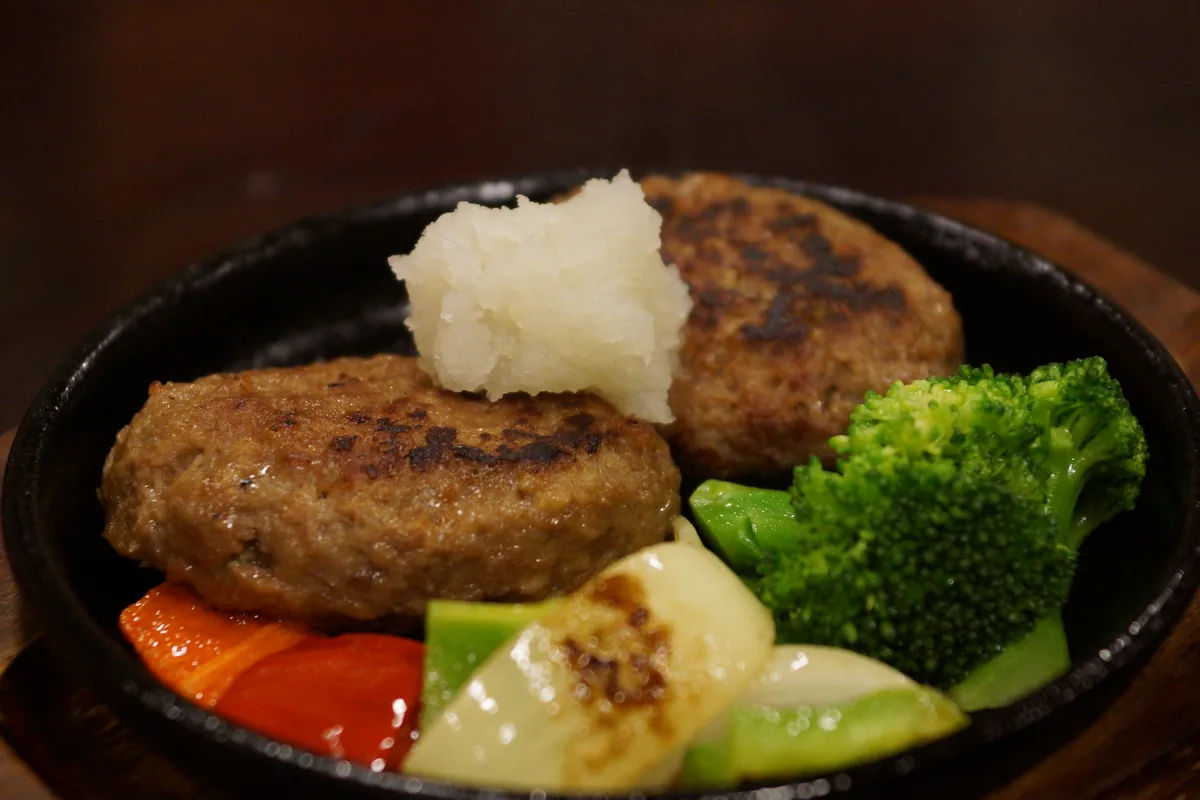
Aso's akaushi restaurants sit in three areas, each suited to a different kind of visit. Trains reach two of the three clusters. JR Miyachi Station sits roughly a 10-minute walk from Aso Hanabishi and directly in front of Aso Akagyu Restaurant Fujiya, so Monzenmachi and the shrine approach work without a car. Minamiaso's Route 57 restaurants, including Akagyu Restaurant Yamakasu and Akagyu no Yakata, effectively require driving. Monzenmachi's smaller counters each have a niche. Teppan Aso Marbo grills steak tableside and draws a biker crowd. Yakiniku Yayoi Shokudo is the street's oldest shop, run by an elderly owner who doesn't always open, with a daily-limited rare-cut donburi when it does. Yamakaze Gakufu grills its akaushi hamburger steak fresh to order rather than serving a pre-made patty. Meshi-no-Yamaichi pairs beef with a homemade pickle buffet in a farmhouse-style dining room.
- Uchinomaki onsen district: Imakin Shokudo anchors this cluster, a short drive from JR Uchinomaki Station. Aso Hotel's Ichibankan and Nibankan dining rooms are also here, useful if you're staying overnight in a Uchinomaki ryokan.
- Monzenmachi street at Aso Shrine, known in local write-ups as Akaushi Street: Aso Hanabishi, Gotoya Main Store, Teppan Aso Marbo, Yakiniku Yayoi Shokudo, and Yamakaze Gakufu all sit within a few minutes' walk of the shrine approach, so lunch pairs naturally with sightseeing.
- Route 57 and Minamiaso: roadside spots including Sanzoku Tabaru, Akagyu Restaurant Yamakasu (about 60 minutes by car from Kumamoto Airport's Mashiki IC), and Akagyu no Yakata (about 35 minutes from the same interchange) are easiest to reach by car.
Top Aso Akaushi Beef Restaurants Compared
The table below compares posted prices, realistic wait times, and the standout dish at five of the most-recommended akaushi counters in Aso. Prices reflect each restaurant's posted menu items as of 2026; confirm current offerings before you drive out, since rural set menus shift with seasonal beef availability.
| Restaurant | Area | Price Range | Wait-Time Reality | Best For |
|---|---|---|---|---|
| Imakin Shokudo | Uchinomaki onsen | ¥1,780–¥2,500 | Ticket system; weekend queues can run 2–3 hours, but you can wander while you wait | The classic akaushi donburi |
| Aso Hanabishi | Monzenmachi, Aso Shrine | ¥1,650–¥2,420 | No reservations; plan on roughly an hour at peak times | Seared beef cutlet stack in a Taisho-era dining room |
| Aso Akagyu Restaurant Fujiya | Route 57, in front of Miyachi Station | ¥1,400–¥6,900 | No posted ticket system; open latest, until 19:00 most days | Hotel-style steak and hamburger steak sets |
| Akaushi Dining Yoka-Yoka | Kumamoto Airport & Sakuramachi | ¥1,500–¥2,300 | Modern counter service; minimal wait versus the caldera hubs | Arrival or departure day meals |
| Akagyu no Yakata | Minamiaso, near Asobo-no-Sato Kugino | Current two-person set ¥6,700; other cuts vary | Restaurant 11:00–16:30, LO 16:00; irregular closures | Yakiniku plus attached retail counter |
Restaurant Spotlights: Which Akaushi Counter Fits Your Trip
Five kitchens come up again and again in local recommendations, each with a distinct reason to choose it.
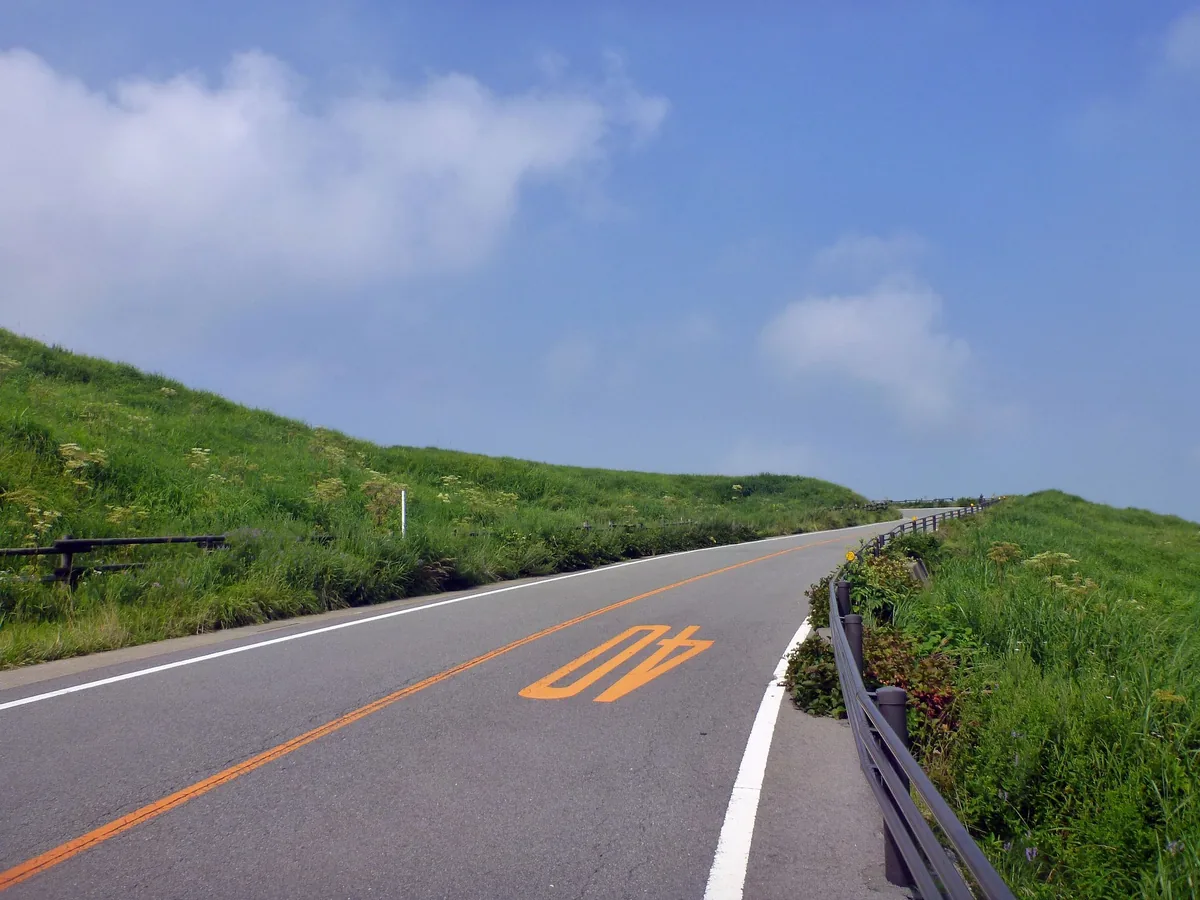
- Imakin Shokudo (the gold standard): Founded around 1908 and serving akagyu donburi since 2005, this Uchinomaki counter tops most locals' lists. Order the classic bowl (¥1,780–¥2,500) with a hot-spring egg stirred through, or try the hamburger steak set (¥1,480) or the lesser-known champon noodle bowl (¥780). Take a numbered ticket, wander Uchinomaki Onsen, and return at your assigned time instead of standing in line.
- Aso Hanabishi: Rebuilt after Kumamoto-earthquake damage inside an old private house dating to 1924, this Monzenmachi restaurant keeps a Taisho-era dining room. The signature dish is the seared akagyu beef cutlet stack (¥2,420); add ¥220 to swap the soup for dago jiru. No reservations are taken, so plan on roughly an hour's wait at peak times.
- Aso Akagyu Restaurant Fujiya: Open since 1948 and one of the first Aso restaurants to serve red beef, Fujiya sits on Route 57 directly in front of JR Miyachi Station and builds its menu around the Aso-oh brand of red beef. Its Imperial-Hotel-inspired hamburger steak set runs ¥2,200 with fried shrimp, and steak sets range from a ¥6,400 sirloin to a ¥6,900 rib roast. Hours run later than most, until 19:00 on most days.
- Akaushi Dining Yoka-Yoka: With counters inside Kumamoto Airport and the Sakuramachi bus terminal, Yoka-Yoka is the fallback for travelers who miss out on a caldera-cluster lunch. Certified akaushi bowls run ¥1,500–¥2,300, and both branches have nursing rooms and stroller-friendly booth seating.
- Akagyu no Yakata: The current operator page lists the retail counter 10:00-17:00 and restaurant 11:00-16:30, last order 16:00, with irregular closures. Its current two-person set is ¥6,700; other cuts and availability vary.
- Aso Hotel (Ichibankan/Nibankan): For a tasting-menu approach rather than a single dish, the hotel's Kiwami Kaiseki course features choice akaushi beef and horsemeat sashimi, limited to two parties a day. Its Dynamic Akaushi Steak course serves over 300 grams per person, also capped at two parties daily. Allergy requests need at least three days' notice.
How to Beat the Wait: Ticket Systems and the 11 AM Rule
Most top akaushi kitchens open at 11:00, and arriving by 10:45 gives you the best shot at first-round seating. Popular counters can sell out by early-to-mid-afternoon, so building a lunch plan around 1:30 PM or later is risky. Imakin Shokudo runs the most forgiving system. Take a numbered ticket, then spend the wait exploring Uchinomaki Onsen instead of standing in a queue that can stretch two to three hours on weekends. Aso Hanabishi and Gotoya Main Store take no reservations, so arriving before the doors open matters most. Hanabishi's peak wait runs about an hour, and Gotoya draws Monzenmachi's steadiest tourist queue, making it a reliable first-timer pick if you'd rather not research further. Akagyu Restaurant Yamakasu distributes numbered tickets starting at 10:00, and its sirloin steak set and limited Whimsical Mega Akagyu Bowl can both sell out within an hour of opening.
While most akaushi restaurants open at 11:00 and sell out mid-afternoon, Aso Akagyu Restaurant Fujiya extends service until 19:00, accommodating travelers who arrive later in the day.
Family Dining: High Chairs, Kid Portions, and Yoku-Yaki Requests
Standard akaushi service is medium-rare, so ask for yoku-yaki (well-done) if you're ordering for a toddler. Shigure-ni, a fully cooked stewed-beef dish, is another workaround for picky eaters who prefer soft, well-done meat. For small children, sharing a large bowl with a parent is usually more practical than ordering a separate kids' portion, unless the restaurant has a dedicated children's menu. Aso Hanabishi will swap its standard soup for dago jiru, a dumpling-and-vegetable soup, for an extra ¥220. That dish and the region's pickle culture are covered in the takana meshi and dago jiru guide. Groups with mixed dietary needs, including vegetarians, usually do better away from single-item beef counters, and the budget and vegetarian food options guide covers workable choices nearby.
- Aso Farm Land (Kinoko-tei): high chairs, kids' cutlery, and wide stroller aisles, plus a salad bar and curry or hamburger-steak options for children who skip beef. Akaushi bowls run roughly ¥1,500–¥2,800.
- Akaushi Dining Yoka-Yoka: booth seating, nursing rooms, and multipurpose toilets at both the airport and Sakuramachi branches, useful on an arrival or departure day.
- Sanzoku Tabaru on Route 57: tatami and table seating with room for restless toddlers, plus warm dengaku grilled miso skewers as a milder side dish.
- Aso Hotel: a special kids' dinner built around a hamburger made from 100 percent akaushi beef pate, with udon or chicken-nugget alternatives; allergy accommodations need at least three days' advance notice.
- Akagyu Restaurant Yamakasu in Minamiaso: a spacious interior that works with a stroller or wheelchair, though the sirloin steak set and Mega Akagyu Bowl are limited-quantity and can sell out within an hour of opening.
Planning an Akaushi Lunch: Access, Timing, and Alternatives
The most common planning mistake is scheduling akaushi for a 2:00 PM lunch after a full morning at the crater; build the meal into the front half of the day instead. Travelers without a car can still reach most of the caldera clusters. The Aso Boy! limited express train has a dedicated family car with a ball pit and a small library, and buying a bento on board lets you treat the akaushi stop as a lighter second meal. Pair lunch with sightseeing at 10 Best Things to Do in Aso, Japan (2026), since Monzenmachi's counters sit within walking distance of Aso Shrine. If every counter on your list is sold out, roadside markets and farm restaurants are a reliable fallback. See the roadside farm restaurants guide for options that rarely run dry. After a beef lunch, the milk, cheese, and desserts guide covers Aso Milk Factory's sausage rolls, cheese pizza, and fresh milk, or a picnic at Kusasenri with a caldera view.
Imakin Shokudo's classic bowl costs ¥1,780–¥2,500 with a ticket system allowing you to explore Uchinomaki Onsen while waiting, making it a strong choice when combining lunch with sightseeing.
How This Guide Was Verified
Food availability, access details, seasonal rules, and the time-sensitive claims in this guide were checked on August 22, 2026 against the official sources below. Independent restaurant menus, prices, opening days, and sell-outs can change, so confirm the operator's same-day notice before making a special trip.
Frequently Asked Questions
What is akaushi beef and how is it different from Kobe beef?
Akaushi, literally red beef, is a Japanese Brown cattle breed raised on the grasslands inside Mount Aso's caldera. Its meat carries less fat than the heavily marbled black Wagyu breeds used for Kobe or Hida beef, so the flavor reads as concentrated beef rather than melted fat.
Do you need a reservation for Imakin Shokudo?
No. Imakin Shokudo uses a numbered-ticket system instead of reservations. Take a ticket when you arrive, spend the wait exploring the Uchinomaki Onsen district, and return at your assigned time rather than standing in the physical line.
What time should you arrive to avoid the wait?
Arrive by 10:45 AM, since most top akaushi restaurants open at 11:00 and fill their first seating quickly. Popular counters can sell out by early afternoon, so a lunch plan built around 1:30 PM or later carries real risk.
Can toddlers eat akaushi beef, since it's usually served medium-rare?
Yes, most kitchens will cook it through on request. Ask for yoku-yaki (well-done) at the counter, or order shigure-ni, a fully cooked stewed-beef dish that's easier for small children to manage.
Which akaushi restaurants work best if you don't have a car?
Aso Hanabishi, Gotoya Main Store, and Aso Akagyu Restaurant Fujiya sit within walking distance of JR Miyachi Station and Aso Shrine's Monzenmachi approach. Akaushi Dining Yoka-Yoka also has a branch at Kumamoto Airport, and the Aso Boy! train is a scenic way to reach the area without driving.
How much does an akaushi lunch cost in Aso?
Standard akaushi donburi bowls run roughly ¥1,500–¥2,800 across most Aso restaurants, based on posted menus at spots like Imakin Shokudo and Aso Farm Land. Premium steak sets cost more: Aso Akagyu Restaurant Fujiya lists sirloin, fillet, and rib roast sets from ¥6,400 to ¥6,900 per person.
What should you order if you don't eat beef?
Aso Farm Land's Kinoko-tei serves curry and hamburger-steak options alongside its beef bowls, and Aso Milk Factory covers dairy-based snacks instead. Groups with mixed dietary needs can also check the budget and vegetarian food options guide for more choices nearby.
Free guide: Japan's Hidden Gems
12 under-the-radar places beyond Tokyo & Kyoto — with the best season to visit each and a local tip you won't find in the guidebooks.
You might also like


Continue reading
More guides you'll find useful