Nestled in the lush valleys of Kumamoto, Kurokawa Onsen offers a timeless escape for travelers seeking authentic Japanese relaxation. This charming village remains one of the most preserved hot spring towns in the entire Kyushu region. Visitors often feel transported back in time as they wander through narrow streets lined with traditional wooden buildings. This 2026 Kurokawa Onsen visitor guide focuses on the practical choices that shape the trip: buses, ryokan stays, bath hopping, etiquette, and seasonal timing.
The town prioritizes atmosphere over commercialism, making it a favorite for those avoiding crowded tourist traps. You will find steaming riverbanks and misty forests surrounding the many outdoor baths. Planning matters because Kurokawa sits deep in the Aso highlands, has no train station, and relies on limited highway bus departures. Treat it as a mountain village first and an onsen resort second, and the experience becomes much smoother.
What Makes Kurokawa Onsen Special
Kurokawa Onsen stands out because it rejected the massive concrete hotel developments seen in other Japanese resorts. Local leaders decided in the 1960s to maintain a unified, rustic aesthetic throughout the entire valley. This commitment created a cohesive environment where every ryokan feels like part of a single large park. Natural materials like wood and stone dominate the landscape instead of neon signs and flashy advertisements.
The town focuses on the concept of forest bathing while soaking in mineral-rich volcanic waters. Most baths are located outdoors, offering stunning views of the Tanoharu River or dense cedar groves. Travelers appreciate the quiet serenity that persists even during the busier weekend periods. Exploring the village in a traditional yukata is a quintessential part of the local experience.
The community works together to maintain the trails and public spaces for everyone to enjoy. This shared spirit ensures that the village remains clean, welcoming, and culturally vibrant. You can easily spend a full day just walking between different hot springs and small boutiques. It is a destination that rewards slow travel and mindful appreciation of nature.
Getting to Kurokawa Onsen: Transport Options
Reaching this secluded village requires a bit of coordination since no train station serves the town directly. Most international visitors arrive via highway bus from Fukuoka, Kumamoto City, Beppu, or Yufuin. The direct bus from Fukuoka Airport or Hakata is usually the simplest route, while the Kyushu Odan Bus is useful for travelers crossing Kyushu between Beppu, Aso, Kurokawa, and Kumamoto. Reserve seats as soon as your date opens because weekend and holiday departures can sell out.
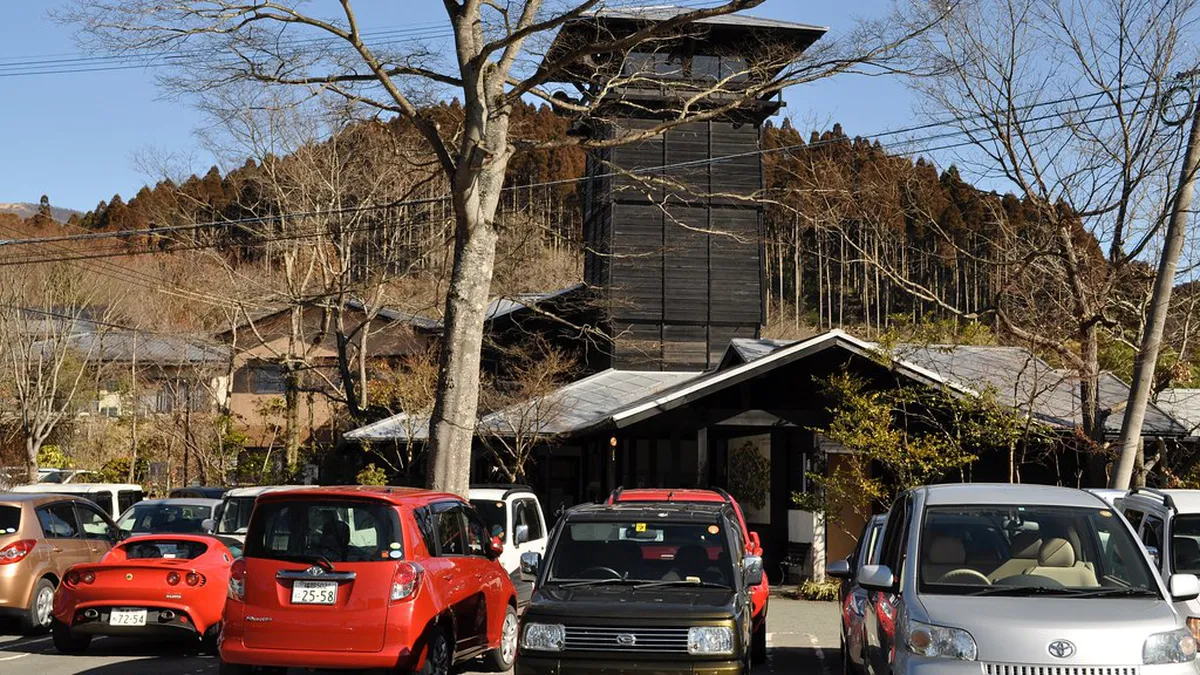
Renting a car provides the most flexibility for those wanting to explore the nearby Mount Aso region. Driving from central Kumamoto takes roughly 90 minutes along well-maintained but winding roads. Parking is available at most ryokans, though the town center itself is compact, hilly, and better explored on foot. Winter drivers should be prepared for snow, ice, early darkness, and occasional mountain-road delays.
- Best public-transit base: Fukuoka for the easiest direct highway bus.
- Best scenic routing: Beppu or Yufuin if you are crossing northern Kyushu by bus.
- Best flexible routing: rental car if you plan to pair Kurokawa with Mount Aso.
- Best city add-on: combine the trip with Kumamoto Castle before or after the onsen stay.
The Kurokawa Onsen bus stop sits above the main village rather than at every inn. If you are staying overnight, send your arrival time to the ryokan in advance and ask about pickup. This is especially important for travelers with large suitcases, limited mobility, or a late-afternoon arrival.
Most ryokans offer free shuttle pickups from the main Kurokawa Onsen bus stop — email your arrival bus time in advance. The village is hilly with narrow cobblestone streets, so large suitcases are a challenge; a backpack or small wheeled case is much easier to manage.
How the Nyuto Tegata Onsen Hopping Pass Works
The Nyuto Tegata is a unique wooden pass that allows you to visit three different hot springs. You can purchase this cedar disc for ¥1,300 at the visitor center or any participating ryokan. Each time you enter a bath, the staff will place a commemorative stamp on your wooden disc. This pass is valid for six months, making it perfect for those staying overnight or visiting twice.
A cost-benefit analysis shows that the pass offers great value for avid bathers. Individual entry fees for most baths range from ¥500 to ¥800 per person. You only need to visit three locations to save money compared to paying separate entrance fees. The wooden disc also serves as a beautiful and fragrant souvenir of your time in Kyushu.
Do not choose baths only by reputation. Stop at the visitor center first, check the daily bathing-status board, and mark a route that avoids needless uphill walking. Some baths may close for maintenance, cleaning, crowd control, or private events on specific days of the week. The pass usually includes access to the famous outdoor rotenburo baths that Kurokawa is known for, but it is for one person and cannot be shared between multiple travelers.
Check the Official Kurokawa Onsen Bathing Guide before you commit to a plan. If you have only a half day, choose two nearby baths plus one signature bath rather than trying to cross the entire village in geta sandals. If you are staying at a ryokan, ask the staff which public baths pair well with your inn's own spring water.
The Best Bathhouses and Ryokan Recommendations
Choosing where to stay is the most important part of planning your Kurokawa trip. The Kurokawa Onsen Ryokan Association provides a detailed directory of all local accommodations. Yamamizuki is highly regarded for its large riverside bath that sits right against the rushing water. Fumoto Ryokan offers a more intimate experience with several unique private baths for guests.
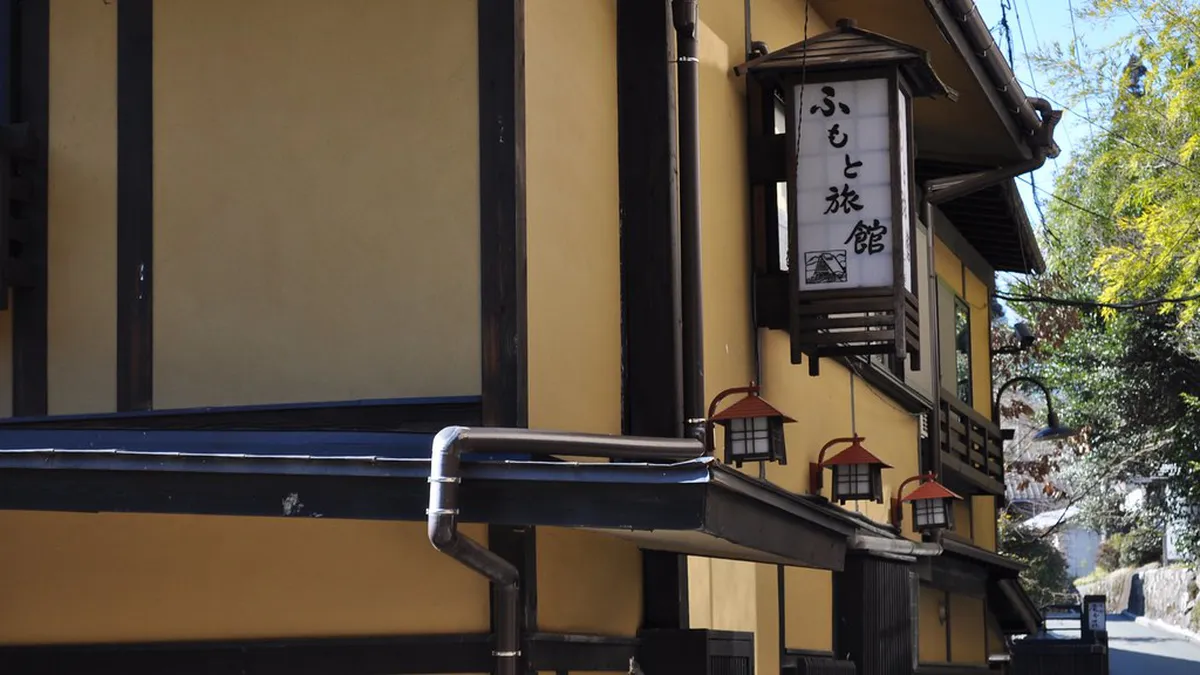
For those seeking luxury, Onsen Gosho Gekkoju provides private villas with stunning mountain views. Budget-conscious travelers might enjoy the Container House Villa Kurokawa for a modern and affordable alternative. Onsen Oyado Noshiyu is famous for its rustic architecture and beautiful hidden forest atmosphere. Onsen Okunoyu, Sanga Ryokan, and Yamabiko Ryokan are also common short-list choices for travelers comparing classic ryokan stays in the valley.
If you are only visiting for the day, prioritize the baths at Yama no Yado Shinmeikan. This location features a famous cave bath that was hand-carved by the owner over many years. Hozantei is another excellent choice for those who want to feel completely surrounded by nature. Book your room several months in advance if you plan to visit during peak autumn, winter lantern season, spring holidays, or long Japanese weekends.
For an overnight stay, compare more than room photos. Check whether dinner is included, whether the inn has private or family baths, how far it sits from the bus stop, and whether shuttle pickup is available. Many ryokan feel close on the map but involve steep lanes, steps, or unlit paths after dark.
Essential Onsen Etiquette for First-Timers
Following proper etiquette ensures a comfortable experience for you and other bathers. Always wash your body thoroughly at the provided shower stations before entering the communal water. Japanese hot springs are enjoyed completely naked, so leave your swimsuit in your locker. Keep your small modesty towel on your head or the side of the bath rather than in the water.
Tattoo policies vary between establishments, but Kurokawa is generally more practical than many big-city public baths. Small tattoos may be accepted if covered with waterproof bandages, while large tattoos are best handled by booking a private or family bath. Ask before entering rather than assuming a universal rule, because the answer can vary by inn, bath type, time of day, and crowd level.
| Situation | Best approach | Why it helps |
|---|---|---|
| Small tattoo | Bring waterproof covers and ask at reception | Many issues can be solved discreetly before bathing |
| Large visible tattoo | Use a private or family bath when available | It avoids uncertainty at shared baths |
| Staying overnight | Email the ryokan before booking | Policies are clearer when confirmed in writing |
| Day visitor | Ask the visitor center which baths are suitable that day | Bath availability and staff guidance can change |
- Key bathing rules to remember
- Shower: wash before soaking
- Towels: keep out of water
- Noise: maintain quiet atmosphere
- Hair: tie up long hair
- Heat: take breaks between baths and drink water
- Traditional yukata wearing tips
- Left side: fold over right
- Obi belt: tie at waist
- Footwear: use provided geta sandals
- Usage: wear throughout the village
Where to Eat: Restaurant and Food Recommendations
While most visitors eat dinner at their ryokan, lunch options in town are excellent. Try the local Aka-ushi wagyu beef, which is a specialty of the Kumamoto region. Many cafes serve this tender beef in bowls topped with a soft-boiled egg. The meat is known for being lean yet flavorful compared to other types of Japanese wagyu.
Pâtisserie Roku is a must-visit for anyone with a sweet tooth exploring the main street. Their signature cream puffs often sell out by early afternoon, so visit early in the day. You can also find shops selling grilled rice crackers, dango-jiru soup, local sweets, and craft drinks along the river. Riverside dining offers a peaceful backdrop for a mid-day break between your hot spring visits.
The main mistake is assuming restaurants stay open all day like they might in a city. Lunch windows can be short, cafes may sell out, and many ryokan guests eat dinner at their accommodation. If you are visiting only for the day, plan lunch before your second or third bath rather than waiting until late afternoon.
How Many Nights Should You Spend in Kurokawa?
One night is the standard choice for travelers on a tight schedule through Kyushu. This allows enough time for two meals at a ryokan and three or four different baths. You will get a good taste of the atmosphere without feeling like you missed the essentials. However, a single night can feel rushed if you arrive late in the afternoon or depart on an early bus the next morning.
Two nights are highly recommended for those who truly want to embrace the spirit of relaxation. Spending a full day in the village allows you to explore the forest trails at a leisurely pace. You can try more baths using the Nyuto Tegata pass without feeling exhausted by the heat. Aficionados of Japanese culture will appreciate the extra time to enjoy the subtle details of their ryokan.
Day trips are possible from Kumamoto or Aso but require very early starts and careful bus planning. You will miss out on the magical atmosphere of the town lit up by lanterns at night. Staying overnight is the only way to experience the high-quality kaiseki dining that defines the region. If you are traveling with children, older relatives, or heavy luggage, an overnight stay is much more comfortable than a same-day return.
A Legacy of Healing Waters and Local Traditions
The history of Kurokawa is deeply tied to the natural volcanic activity of the nearby Aso region. For centuries, travelers used these waters to heal ailments and recover from long journeys. The mineral content of the springs varies between ryokans, offering different therapeutic benefits. Some waters are high in sulfur, while others contain iron or acidic properties for skin health.
The town's preservation movement in the 1960s saved it from becoming a generic tourist resort. Local citizens planted thousands of trees to create the lush forest environment seen today. They also banned large neon signs to protect the nostalgic feel of the Edo-period architecture. This community effort is a rare example of successful sustainable tourism in modern Japan.
Practical Planning: Best Time to Visit and Budget
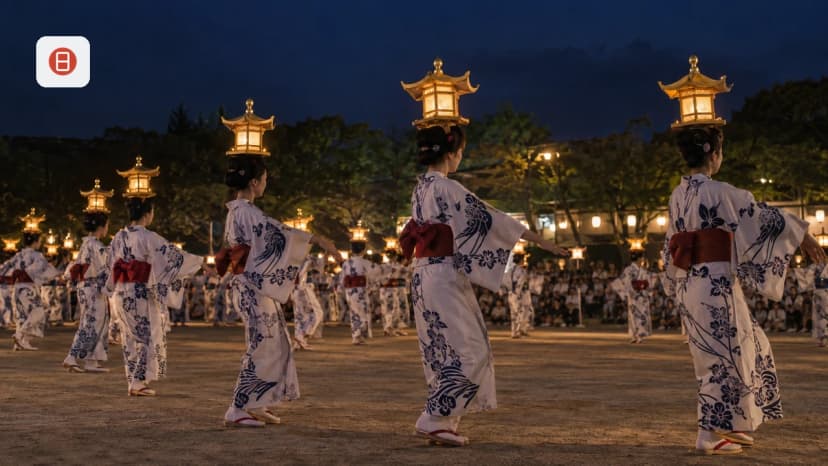
Each season brings a different charm to the misty mountains of Kumamoto Prefecture. Winter is famous for the Yuakari festival, when bamboo lanterns light up the river and make evening walks especially atmospheric. Soaking in a hot outdoor bath while cold air or snow surrounds you is one of Kurokawa's signature experiences. Spring offers fresh greenery and blossoms, while autumn provides a vibrant backdrop of red and orange maple leaves.
| Season | Best for | Planning note |
|---|---|---|
| Winter | Yuakari lanterns, crisp rotenburo bathing, possible snow scenes | Book lodging early and check road conditions if driving |
| Spring | Fresh greenery, flowers, mild walks | Holiday dates can raise room prices |
| Summer | Forest shade and quieter weekdays | Hydrate carefully when bath hopping |
| Autumn | Maple color and photography | Rooms can sell out months ahead |
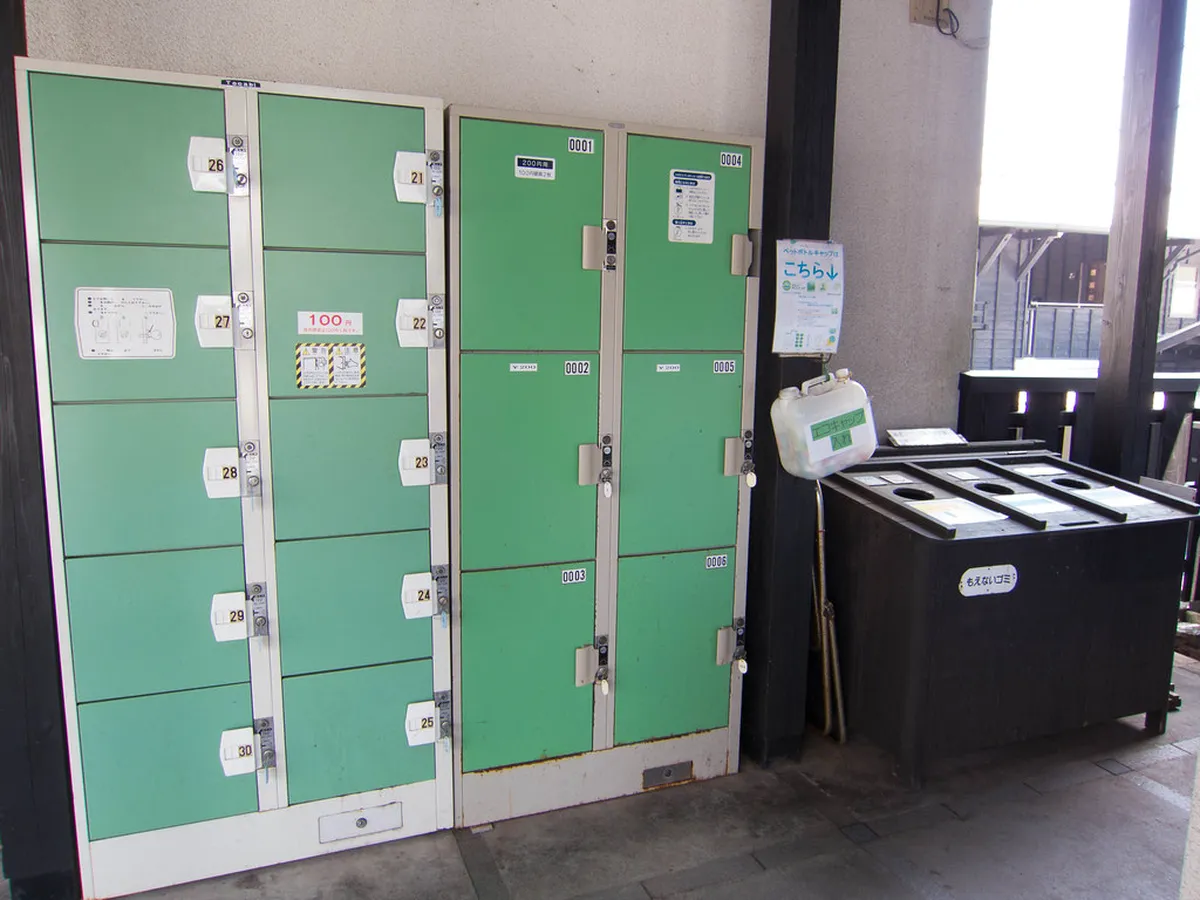
Budgeting for Kurokawa requires accounting for the higher cost of traditional ryokan stays. Expect to pay between ¥15,000 and ¥40,000 per person for a night including two meals. Day visitors can enjoy the town for much less by using the hopping pass and eating local snacks. Keep enough cash for buses, small shops, lockers, and snacks, because smaller businesses may not accept international credit cards.
Kurokawa has no train station — all access is by highway bus or car. Weekend and holiday bus seats sell out well in advance; book online as soon as your travel date is set. Carry enough cash for buses, snacks, bath passes, and lockers, as many smaller businesses do not accept international credit cards. Winter driving requires caution on icy mountain roads.
Expert Tips for a Smooth Kurokawa Experience
Most ryokans offer free shuttle pickups from the main Kurokawa Onsen bus stop. Since the town is hilly and features many stairs, this service is vital for those with heavy luggage. Call your accommodation upon arrival or email them your bus schedule in advance. Walking with large suitcases on the narrow, cobblestone streets can be quite challenging.
Use the Japan Bus Online website to book your seats from Fukuoka, Kumamoto, Beppu, or Yufuin as early as the route allows. Search by departure area, choose Kurokawa Onsen or Kurokawa Spa as the arrival stop, compare the limited departure times, then pay online and save the confirmation. Buses during the 2026 holiday seasons will likely be fully booked well in advance. If the direct bus is full, look for routes that transfer through nearby Hita, Oguni, Beppu, or Aso.
- Carry confirmation: keep a printed or offline copy because rural mobile reception can be inconsistent.
- Pack light: a backpack or small wheeled case is easier than a large suitcase.
- Check accessibility: many lanes, ryokan entrances, and outdoor baths involve steps, slopes, or uneven stone.
- Avoid over-bathing: three hot baths in quick succession can be tiring, especially after a long bus ride.
- Arrive before dark: the village is atmospheric at night, but first-time navigation is easier in daylight.
Consider visiting a nearby attraction like Suizenji Garden before or after your mountain retreat. The contrast between the manicured city gardens and the wild mountain springs is quite striking. Pack a small waterproof bag to carry your wet towel and pass between different bathhouses. Wearing your yukata and geta sandals is encouraged everywhere in the village, even in shops, but switch to sturdier shoes if the paths are wet or icy.
Frequently Asked Questions
Can I visit Kurokawa Onsen if I have tattoos?
Yes, many ryokans in Kurokawa are more flexible than those in larger cities. You can often use waterproof covers for small tattoos. For larger pieces, booking a private family bath is a great way to enjoy the water without any concerns. Check with the visitor center for a list of tattoo-friendly baths.
How do I book the bus from Fukuoka to Kurokawa?
The easiest way is using the Japan Bus Online website, which offers English support. These buses depart from Hakata Station and Fukuoka Airport multiple times daily. Be sure to book at least two weeks in advance, especially for weekend travel. The journey provides beautiful views of the Kyushu countryside.
What is the best month to visit for the lantern festival?
The Yuakari bamboo lantern festival typically runs from late December through early April. Visiting in January or February offers the best chance to see the lanterns surrounded by snow. This creates a magical, glowing atmosphere along the Tanoharu River. It is one of the most popular times for photographers to visit.
Kurokawa Onsen remains one of Japan's most enchanting destinations for those seeking peace and tradition. Following this kurokawa onsen visitor guide will ensure you make the most of your mountain getaway. Whether you soak in a cave bath or enjoy local wagyu, the memories will last a lifetime. Plan your trip to Kumamoto today to experience the healing power of these ancient waters.
For more Kumamoto trip planning, see our Kumamoto Attractions, Kumamoto 2-Day Itinerary, Kurokawa Onsen Day Trip guides.