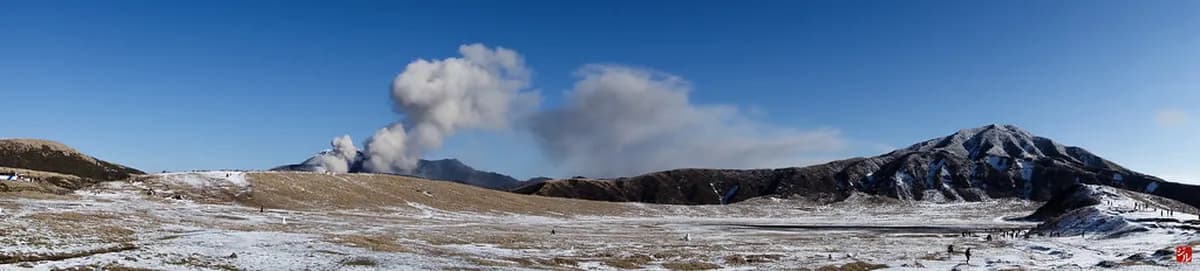
Mount Aso stands as a powerful symbol of the geological forces that shaped Kyushu Island over millions of years. This 2026 mount aso (nakadake crater) visitor guide helps you explore one of the largest active volcanic calderas in the world without treating access as guaranteed. You will find essential information regarding transport logistics, volcanic safety levels, accessibility limits, and the best hiking trails available. Prepare for a flexible trip into the heart of Kumamoto Prefecture where fire and nature meet.
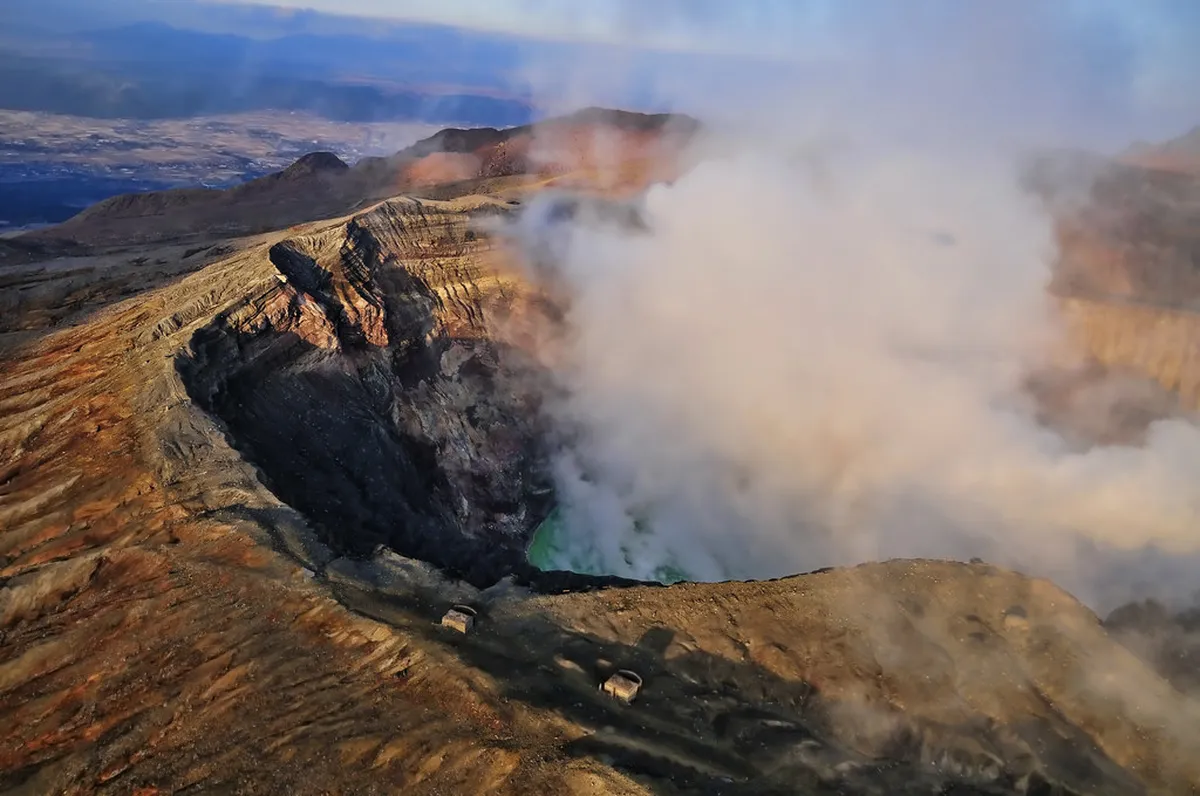
The central focus of most trips is the Nakadake Crater, which remains an active vent releasing volcanic gases daily. Witnessing the turquoise acidic lake and rising white smoke is a bucket-list experience for many travelers in Japan, but the crater rim can close quickly because of gas, weather, or volcanic alert changes. Local authorities manage the site carefully to keep visitors safe during volcanic exploration. Use this guide to choose the right route, check the live status before departure, and avoid the common mistakes that cause missed buses or wasted travel time.
Essential Facts About Mount Aso (Nakadake)
Mount Aso is not just a single mountain but a massive volcanic complex situated in the center of Kumamoto. The Aso Caldera measures approximately 120 kilometers in circumference, making it a dominant feature of the local landscape. Within this giant basin, five central peaks rise to form the core of the volcanic range. Nakadake is the most famous of these peaks because it remains the active crater most visitors hope to see.
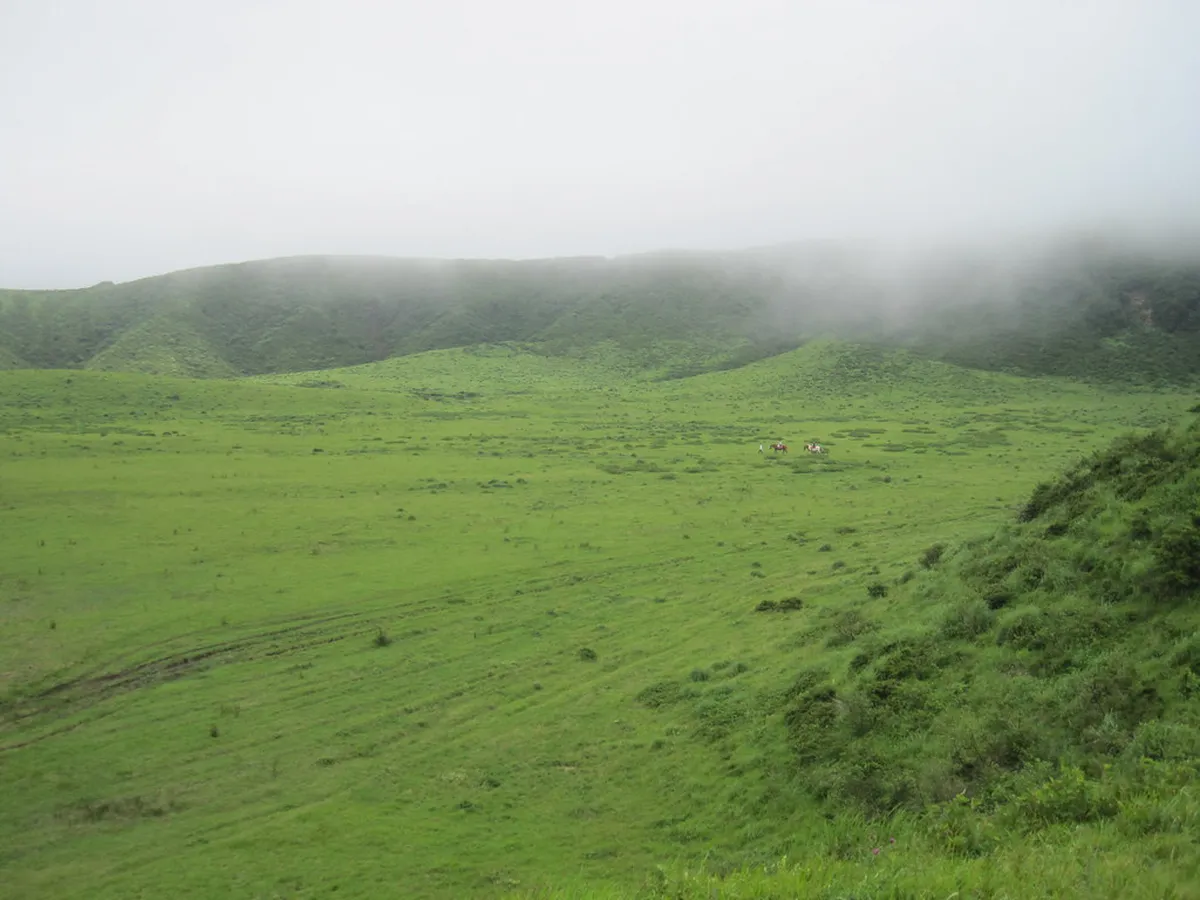
The region holds the prestigious status of a UNESCO Global Geopark due to its unique geological formations and cultural heritage. Local residents have lived within the caldera for centuries, developing a deep connection with the volcanic soil and hot springs. You can see how the fertile land supports vast grasslands used for cattle grazing and agriculture. This harmony between human life and volcanic activity creates a fascinating atmosphere for every traveler.
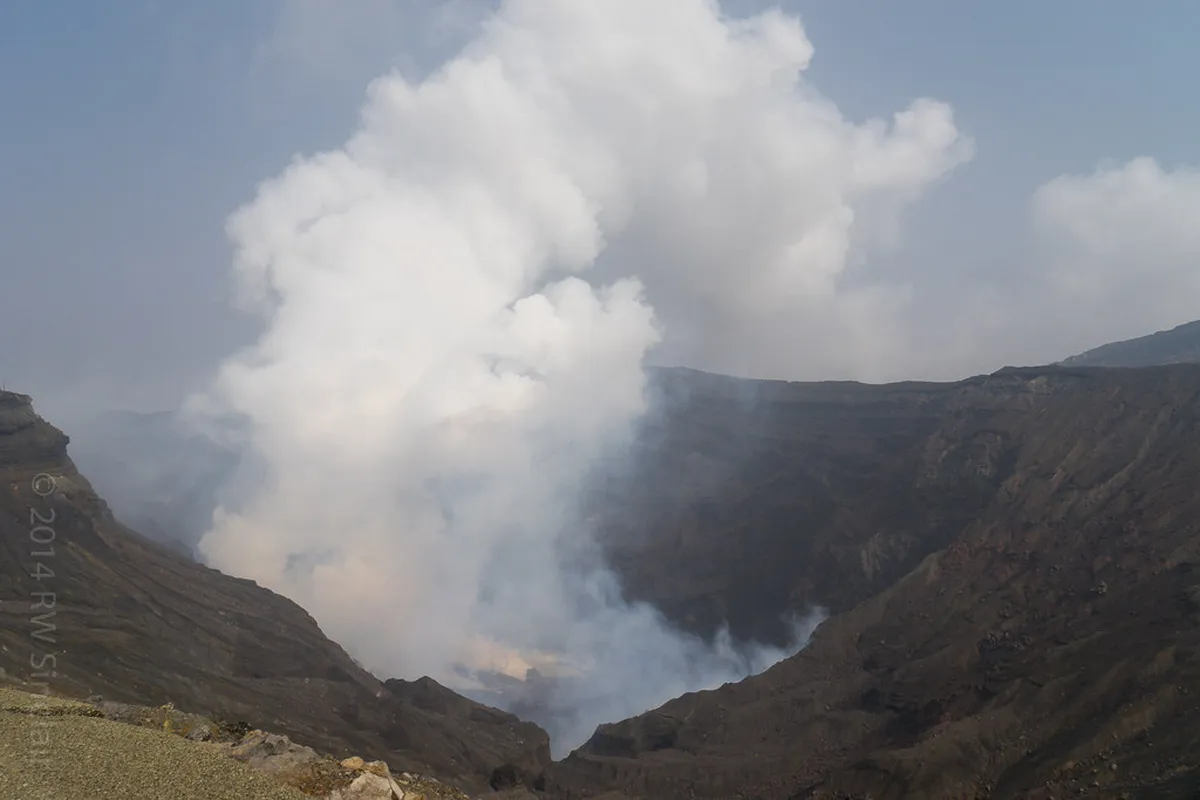
Geologists monitor Nakadake closely because it is one of the most active volcanoes in all of Japan. The crater has a long history of eruptions, with the most recent significant activity occurring in late 2021. For 2026 planning, assume the mountain is visitable only when the current alert level, gas readings, and weather all cooperate. Understanding that variable access is the first step in planning a successful visit to the mountain.
Checking Volcanic Activity and Safety Alerts
Safety is the primary concern when visiting an active volcano like Nakadake, where conditions can change in minutes. The local Disaster Prevention Council operates a warning system to protect tourists from sudden eruptions or gas emissions. You must check the official status before you leave your hotel in Kumamoto or the surrounding area, because train and bus access to Aso does not guarantee crater access. The final gate is controlled by real-time volcanic sensors and staff decisions on site.
The volcanic gas levels, specifically Sulfur Dioxide (SO2), represent the most frequent safety challenge for visitors. High concentrations of this gas can cause severe respiratory distress, especially for those with underlying health conditions. If you have asthma, bronchitis, heart problems, or are traveling with young children or elderly companions, treat the crater rim as optional rather than essential. Even healthy individuals may experience throat irritation or coughing when the wind blows gas toward the viewing platforms.
Authorities use a color-coded light system at the entry gates to communicate the current safety level clearly. Blue or green indicates that gas levels are low and viewing areas are generally open for public use. Yellow means caution and possible restrictions, especially for visitors with respiratory conditions. Red signals a total closure of the crater area, meaning no one can approach the rim until conditions improve.
- Volcanic Gas Safety Matrix
- Blue/Green: Open in normal conditions, but still follow staff instructions
- Yellow: Caution for asthma, bronchitis, heart conditions, children, and elderly visitors
- Red: Crater area totally closed
- SO2: Main gas risk; wind direction matters as much as the headline color
Accessibility is also condition-dependent. The main viewing area uses paved paths and nearby parking, but slopes, wind, ash, and sudden closures can make the crater difficult for wheelchair users or anyone with limited mobility. The Aso Volcano Museum and Kusasenri area are better fallback stops when the upper crater road is closed or when the gas warning makes the rim unsuitable.
Even when the crater is technically open, SO2 gas concentrations can spike within minutes if the wind shifts. Visitors with asthma, heart conditions, or bronchitis — and anyone traveling with young children or elderly companions — should ask staff about current wind direction before approaching the rim.
How to Get to Mount Aso: Transport Guide
Reaching Mount Aso from major cities like Kumamoto or Fukuoka is relatively straightforward but requires some planning. Most travelers take the JR Hohi Main Line from Kumamoto Station to reach Aso Station in about 70 to 90 minutes. This scenic train ride passes through the lush countryside and climbs into the volcanic highlands. Aso Station is at town level, not at the crater, so you still need a bus, taxi, rental car, or seasonal shuttle connection to continue up the mountain.
The Sanko Bus company operates service from Aso Station toward Asosanjo Terminal and the Asosan Nishi area near the crater approach. This bus ride takes approximately 35 minutes and offers stunning views of the Komezuka cone and Kusasenri grasslands. Check the outbound and return bus schedule before committing to a train, because departures are limited and may not line up perfectly with every arrival. The Japan Rail Pass can help cover the train portion of your journey, but it does not remove the need to reserve seats on limited express services or pay for local onward transport where required.
- Best transport choice by traveler type
- Train plus bus: Best for solo travelers who can follow fixed timetables
- Rental car from Kumamoto: Best for Kusasenri, Komezuka, viewpoints, and backup stops
- Taxi from Aso Station: Useful for small groups when bus timing is poor
- Fukuoka route: Take the Shinkansen to Kumamoto first, then continue by JR Hohi Line or rental car
Renting a car in Kumamoto provides the most flexibility for exploring the wider Aso-Kuju National Park. Driving allows you to stop at various lookout points that are not accessible by public transport. The roads are well-maintained, though they can be steep, winding, foggy, or icy depending on the season. Parking is available around the Aso Volcano Museum and the crater approach, but access to the final road can still close when volcanic gas or alert levels rise.
The Sanko Bus from Aso Station to Asosanjo Terminal takes about 35 minutes and runs on a limited timetable. Check the outbound and return schedule before boarding your train from Kumamoto — missed connections can strand you at town level with no crater access for the day.
Riding the Aso Boy Limited Express
The Aso Boy Limited Express is one of Japan's most charming and popular themed trains. It features the adorable black dog mascot named Kuro, who appears on the exterior and throughout the interior decor. This train is specifically designed for families, offering a wooden ball pit and a library for children to enjoy. Traveling on the Aso Boy makes the journey from Kumamoto just as exciting as the destination itself.
For the best experience, you should try to book the panoramic seats located at the very front and back of the train. These seats offer floor-to-ceiling windows that provide an unobstructed view of the dramatic Kyushu landscape. There are also special white "Kuro" seats designed for parents and children to sit together comfortably. Because this train only runs on specific days and weekends, reservations are absolutely essential well in advance.
If you are using a Japan Rail Pass, the base fare for the Aso Boy is fully covered. However, you must still visit a JR ticket office or use an eligible reservation channel to secure a seat reservation before boarding the train. The service links Kumamoto with the Aso area and, on operating patterns that continue east, the Oita and Beppu side of Kyushu; Kumamoto Castle is a city attraction to pair with the trip, not a rail stop on the mountain route. Make sure to purchase some limited-edition Kuro merchandise from the onboard cafe during your trip if the counter is open.
- Aso Boy Booking Strategy
- Timing: 1 month early
- Seats: Kuro family seats
- Views: Front panorama car
- Pass: JR Pass valid
Visiting the Nakadake Crater Rim
The Nakadake Crater rim is the highlight of any trip to the Aso region for most visitors. Once you reach the upper crater approach, you may be able to continue by shuttle, road access, or a signed walking route depending on the day's operating setup. The landscape here is stark and otherworldly, covered in layers of dark volcanic ash and jagged rocks. Walking along the designated paths allows you to peer into the massive 600-meter wide crater below when the rim is open.
Inside the crater, a steaming turquoise lake often forms, surrounded by yellow sulfur deposits on the walls. The sight of massive clouds of white steam rising into the blue sky is truly awe-inspiring. You can also see concrete bunkers scattered along the rim, which serve as emergency shelters for visitors. These structures are a sobering reminder of the volcano's power and the importance of following safety protocols.
Photographers will find endless opportunities to capture the raw textures and colors of the volcanic terrain. The contrast between the emerald water and the charred black earth creates a dramatic visual experience, but drones, fence crossing, and off-path walking are not appropriate around an active crater. Stay behind the safety fences and follow all directions from the local staff on duty. Spending thirty to sixty minutes at the rim is usually enough to take in the views and the atmosphere, especially because gas exposure and wind can make longer stays uncomfortable.
Hiking Mount Aso: Top Trails and Peaks
Hiking across the central peaks of Aso offers a more immersive way to experience the volcanic landscape. The most popular route leads to Mount Takadake, the highest point in the range at 1,592 meters. This trail provides panoramic views of the entire caldera and the active Nakadake vent from above. You should expect a moderately difficult climb that takes about four to five hours for a round trip.
Another excellent option is the trail to Mount Eboshidake, which overlooks the famous Kusasenri grasslands. This hike is generally easier and offers a beautiful perspective of the grazing horses and cattle below. The path is well-marked but can become slippery after rain, so proper footwear is essential. Many hikers enjoy the contrast between the green meadows and the smoking volcano in the distance.
When hiking in this region, you must wear sturdy boots with good traction to handle the abrasive volcanic ash. Standard running shoes can be quickly damaged by the sharp rocks and fine dust found on the higher trails. Always carry enough water, a windbreaker, sun protection, and a mask or neck gaiter for dusty sections. Checking the latest trail conditions at the visitor center before starting your hike is highly recommended, because routes near Nakadake and Takadake can close even when easier grassland walks remain open.
| Peak | Typical Difficulty | Why Go | Planning Note |
|---|---|---|---|
| Takadake | High | Highest central peak and broad caldera views | Best for fit hikers with a stable forecast |
| Nakadake | Medium to high | Active volcanic scenery near the crater zone | Most affected by gas and alert restrictions |
| Eboshidake | Easy to moderate | Kusasenri grassland views with a shorter climb | Good backup when crater access is limited |
| Kishimadake | Easy to moderate | Crater-like landforms and open views | Often works for visitors with limited time |
| Nekodake | Expert | Jagged ridge scenery and a wilder profile | Choose only with suitable experience and current route advice |
Aso Volcano Museum and Visitor Center
The Aso Volcano Museum is an essential stop for anyone wanting to understand the science behind the caldera. Located near the Kusasenri parking lot, the museum features interactive exhibits and a large cinema showing volcanic history. One of the most popular features is the live camera feed that peers directly into the active crater floor. This allows you to see the volcanic activity even if the rim is closed for safety reasons.
The official visitor center provides up-to-date information on weather, bus schedules, and trail openings. Friendly staff can help you plan your day and offer advice on the best viewing spots based on the wind direction. You can also pick up detailed maps and educational brochures about the Aso-Kuju National Park. Finding the Aso Volcano Museum Google Maps location is simple for those driving or taking the local bus.
The museum and visitor center serve as an excellent backup plan if the weather turns bad or gas levels rise. You can easily spend two hours exploring the various floors and learning about the global network of active volcanoes. There is also a cafe and a gift shop where you can buy local Kumamoto snacks and souvenirs. This indoor facility ensures that your trip to Mount Aso is productive regardless of the volcanic status.
Nearby Attractions: Aso Shrine and Komezuka
After exploring the mountain, take some time to visit the historic Aso Shrine located in the town below. This shrine is one of the oldest in Japan and has a deep spiritual connection to the volcano. While parts of the shrine were damaged in the 2016 earthquake, the restoration work is a testament to local resilience. The surrounding shopping street offers a variety of traditional crafts and delicious street food for visitors.
Komezuka is another fascinating geological site that looks like a perfectly shaped upside-down bowl. This small volcanic cone is covered in bright green grass during the summer months and is a favorite for photographers. Legend says that the Shinto god of the mountain created the mound by piling up rice for the local people. While you cannot climb the cone itself, the view from the roadside is truly iconic and beautiful.
You might also consider visiting Suizenji Garden or other city sites once you return to the Kumamoto area. The contrast between the rugged volcanic peaks and the refined beauty of Japanese gardens is very striking. Combining these cultural stops with your volcanic adventure provides a well-rounded perspective of the region. Most of these locations are easily accessible by car or local train within a single day trip.
Where to Stay: The Aso Onsen Region
Staying overnight in the Aso region allows you to experience the healing power of volcanic hot springs. The town of Aso has several ryokans and hotels that offer baths with stunning views of the mountain range. Soaking in mineral-rich water is the perfect way to relax your muscles after a long day of hiking. Many local accommodations also serve high-quality beef from cattle raised on the caldera's fertile grasslands.
For a truly traditional experience, consider making the short trip to Kurokawa Onsen located just north of the caldera. This secluded village is famous for its preserved atmosphere and beautiful outdoor baths set along a forested river. You can purchase a wooden pass that allows you to sample three different hot springs during your visit. It is one of the most highly-rated onsen destinations in all of Japan for a reason.
If you prefer to stay closer to the city, there are many excellent hotels near the main station in Kumamoto. This allows you to easily visit Sakuranobaba Josaien for dinner and shopping after your mountain trip. Staying in the city also provides more options for nightlife and international dining if that is your preference. Regardless of where you stay, the hospitality of the Kumamoto people will make you feel very welcome.
Practical Planning Tips for Mount Aso (Nakadake Crater)
Timing your visit is crucial for getting the best views of the Nakadake Crater and the surrounding caldera. Spring and autumn are the most popular seasons because the weather is mild and the skies are often clear. During these months, the grasslands are either a vibrant green or a beautiful golden brown. Be prepared for larger crowds during the peak foliage season in late October and early November.
Winter can also be a beautiful time to visit, as snow occasionally dusts the volcanic peaks and the caldera floor. However, you should be aware that heavy snow can lead to road closures and limited bus services to the mountain. Temperatures at the crater rim are significantly lower than in Kumamoto city, so dress in warm layers. Always check the local weather forecast specifically for the mountain altitude before you start your journey.
It is always a good idea to have a backup plan in case the crater is closed due to volcanic activity. You can spend your time at the Volcano Museum, visit local shrines, or enjoy a long soak in an onsen. Flexibility is key when traveling to an active geological site where nature is ultimately in control. By following this mount aso (nakadake crater) visitor guide, you are well-prepared for any situation during your Kyushu adventure.
Frequently Asked Questions
When was the last time Mount Aso erupted?
Mount Aso last had a major eruption in October 2021, which sent ash clouds several kilometers into the sky. The volcano remains active, and authorities monitor it 24 hours a day for any changes in activity levels. Check the latest status on the official website before visiting.
Is it safe to visit the Nakadake Crater right now?
Safety depends on the current volcanic alert level and sulfur dioxide gas emissions at the rim. If the alert level is 1, the area is generally open, but level 2 or higher usually restricts access. Always follow the color-coded light system at the entry gates for real-time safety.
How do I get from Fukuoka to Mount Aso?
The fastest way is to take the Shinkansen from Hakata Station to Kumamoto and then transfer to the JR Hohi Line. Alternatively, direct highway buses run from Fukuoka to Aso Station in about three hours. Using a Japan Rail Pass makes the train journey very cost-effective.
Can you walk to the crater from the bus stop?
Yes, you can walk from the Asosan Nishi bus station to the crater rim in about 20 to 30 minutes. The path is paved but steep in some sections as it climbs the volcanic slope. A shuttle bus is also available for those who prefer not to walk uphill.
Is the Aso Boy train covered by the JR Pass?
The Aso Boy Limited Express is fully covered by the Japan Rail Pass, including the base fare and express fee. However, all seats on this train require a mandatory reservation which you should make at a JR ticket office. These reservations often fill up weeks in advance during holidays.
Mount Aso is a magnificent destination that showcases the raw power and beauty of Japan's volcanic landscape. By using this mount aso (nakadake crater) visitor guide, you can safely navigate the trails and transport options. Whether you are looking into the active crater or hiking the high peaks, the experience is truly unique. Start planning your journey to Kumamoto today to witness one of the world's most impressive natural wonders.
For authoritative information, refer to the Mount Aso (Nakadake Crater) on Wikipedia.
For more Kumamoto trip planning, see our Kumamoto Attractions, Kumamoto 2-Day Itinerary, Mount Aso Day Trip guides.