The Kumamoto City Zoo and Botanical Gardens spreads across roughly 24.5 hectares of mostly level terrain on the eastern shore of Lake Ezu in Higashi Ward. It combines a zoo with over 600 animals across about 120 species, botanical gardens with more than 800 plant varieties, a small amusement area, and a retro arcade — all under one admission fee. For 2026 visitors the park remains one of the best-value full-day family destinations on Kyushu. Entry costs ¥500 for adults and ¥100 for elementary and junior high school students, with preschool children entering free.
The zoo was heavily damaged in the April 2016 Kumamoto earthquakes, and some animals were temporarily relocated to partner zoos while structural repairs were completed. All sections fully reopened in December 2018, and several enclosures have since been upgraded or refreshed. Understanding this history helps explain why some older exhibit areas have a more classic concrete-and-bar design while newer sections feel more open and visitor-friendly. Knowing which areas to prioritize makes a significant difference to your day.
Must-See Kumamoto Attractions
No trip to this region is complete without visiting the iconic Kumamoto Castle in the city center. This massive fortress represents the resilience of the local people and offers breathtaking views of the surrounding landscape. The castle grounds provide a deep dive into samurai history and traditional Japanese defensive architecture. Walking through the restored halls gives you a sense of the grandeur that defined the Edo period.
Just outside the castle walls, you can explore the lively Sakuranobaba Josaien shopping and dining district. This area recreates an old castle town atmosphere where you can sample local delicacies and buy unique souvenirs. It is an excellent spot to grab lunch before heading toward the zoo and botanical gardens. Many visitors enjoy the street food options that highlight the fresh agricultural products of the prefecture.
For those seeking a spiritual connection, the nearby Kato Shrine offers a peaceful retreat with historic significance. The shrine honors the legacy of Kato Kiyomasa, the famous architect who originally built the grand castle. From the shrine's elevated position, photographers can capture some of the best angles of the castle towers. These central attractions are easily accessible via the efficient city tram system that connects to the eastern suburbs.
Museums, Art, and Culture in Kumamoto
Kumamoto is a city that prides itself on its deep cultural roots and artistic heritage across various neighborhoods. One of the most intriguing historical sites is the Reigando Cave, where the legendary swordsman Miyamoto Musashi once meditated. This quiet cave is located on the outskirts and offers a serene environment for reflection and historical discovery. Visitors can see the stone buddhas that line the path leading up to this famous martial arts landmark.
Another cultural gem is the Honmyoji Temple, which serves as the final resting place for the city's founder. The long staircase leading to the temple provides a healthy climb with rewarding views of the city skyline. Traditional ceremonies and seasonal festivals often take place here, drawing locals and tourists alike for spiritual observances. The intricate wood carvings and temple architecture reflect the high level of craftsmanship found in Kumamoto's history.
Art enthusiasts should also spend time exploring the various galleries that dot the downtown area near the prefecture offices. Many of these spaces feature contemporary works by local artists who draw inspiration from the natural beauty of Kyushu. Combining a museum visit with a trip to the botanical gardens provides a well-rounded view of the region's character. These cultural stops add meaningful depth to your kumamoto city zoo and botanical gardens visitor guide itinerary.
Parks, Gardens, and Outdoor Spots in Kumamoto
The city is often called the 'City of Woods and Fresh Water' due to its abundant green spaces and springs. The Suizenji Garden is a masterpiece of landscape design that replicates the 53 stations of the Tokaido road. Its pristine spring-fed pond and perfectly manicured hills create a tranquil atmosphere for a morning stroll. This garden is a must-visit for anyone who appreciates the meticulous art of traditional Japanese horticulture.
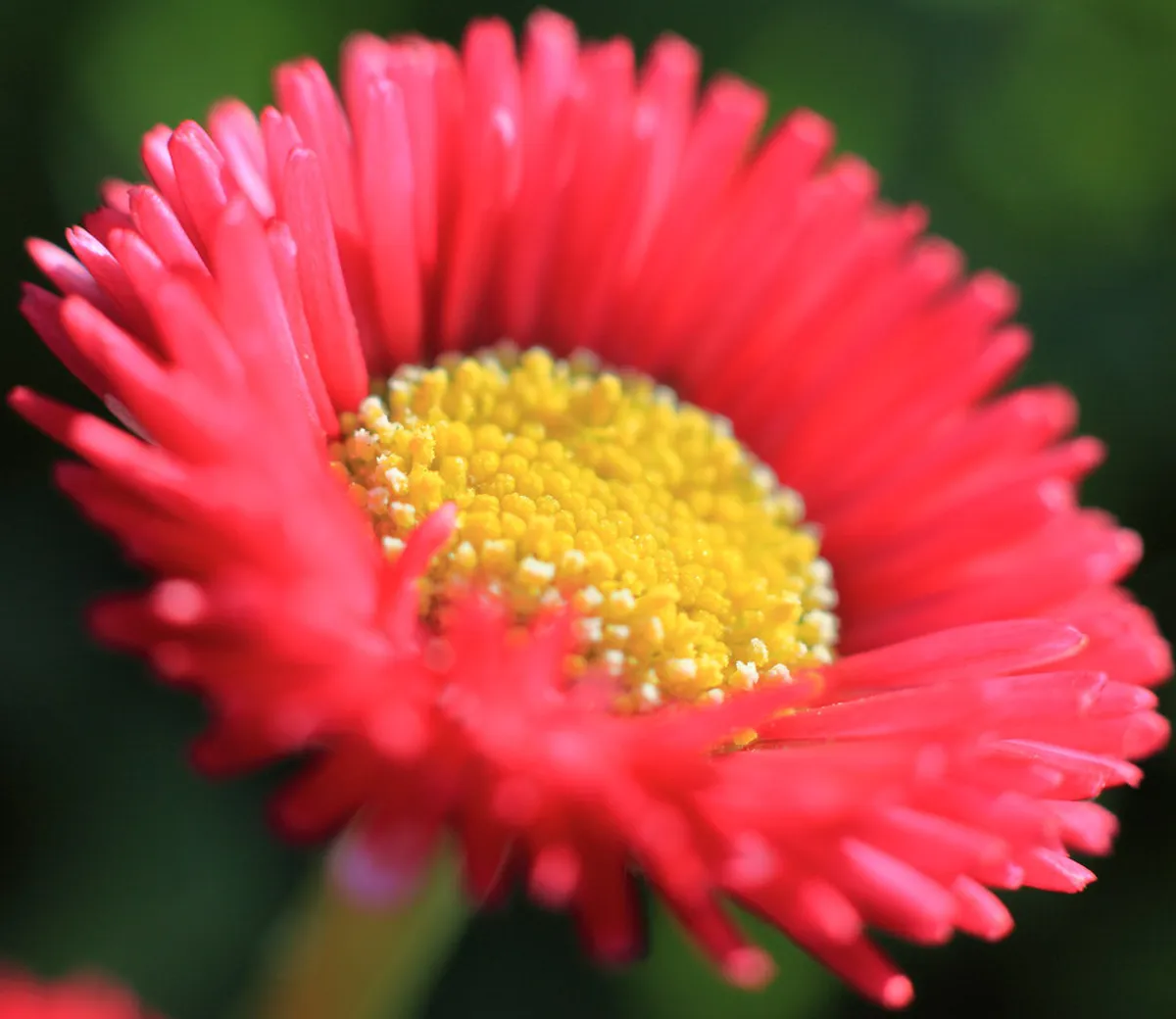
The botanical section of the zoo facility offers a more diverse collection of plant life from around the globe. Large greenhouses allow visitors to see tropical species that would not typically survive in the local climate. Seasonal flower displays, such as roses and camellias, ensure there is always something colorful to see throughout the year. The gardens are particularly beautiful during the spring when cherry blossoms frame the various outdoor walking paths.
Nature lovers will also appreciate the proximity of the facility to the scenic shores of Lake Ezu. The lake provides a natural habitat for many bird species and offers a peaceful place for water-side recreation. You can often see locals jogging or enjoying a picnic along the grassy banks near the zoo entrance. This connection to the local ecosystem makes the botanical gardens feel like a true sanctuary within the city.
Family-Friendly and Budget-Friendly Options in Kumamoto
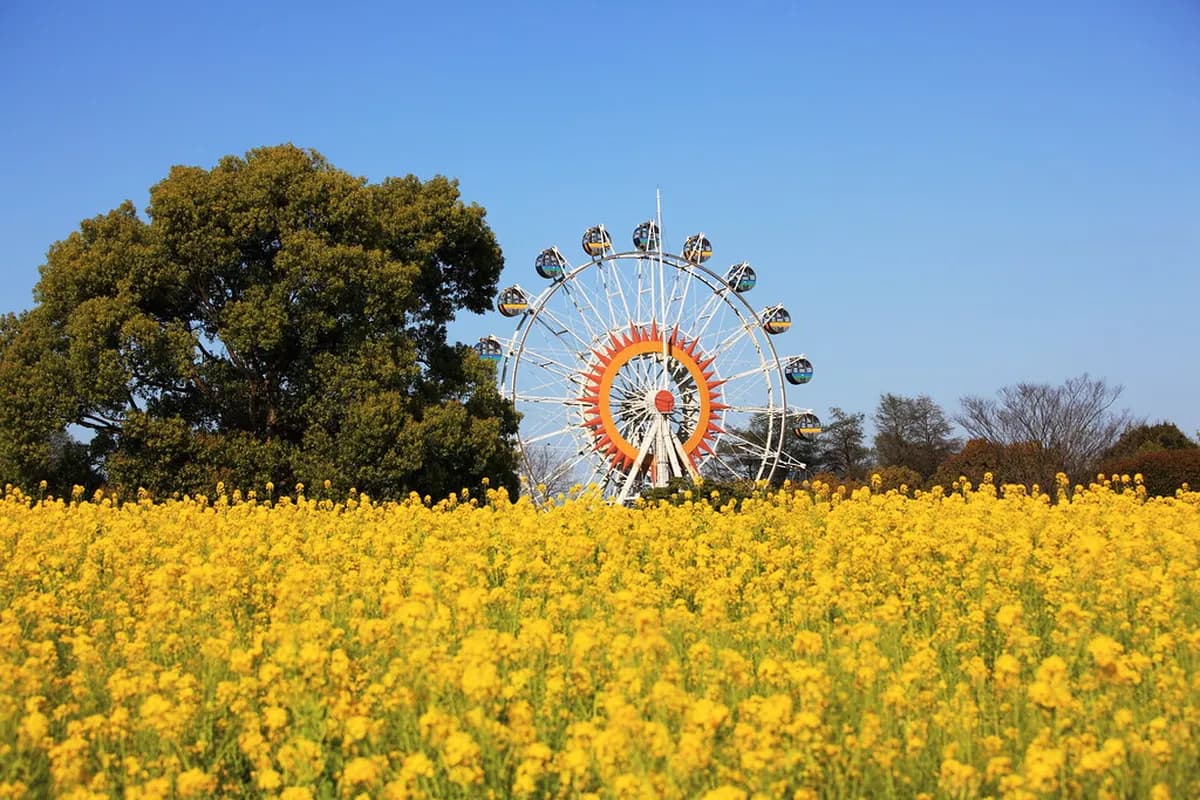
Traveling with a family can be expensive, but Kumamoto offers many high-value activities that won't break your budget. The entry fees for the zoo and botanical gardens are remarkably low compared to many international wildlife parks: ¥500 for adults, ¥100 for school-age children, and free for preschoolers. Kumamoto City elementary and junior high school students who bring their name tag or student ID enter for free as well. Children often enjoy the small amusement area at the center of the park, which features a chain tower, an animal merry-go-round, and a mini Shinkansen train ride — each priced at just ¥200 per person (charged for ages 2 and up).
One genuinely surprising budget highlight is the retro game arcade inside the facility. It is stocked with Showa-era game machines that have been kept in working order, and play costs just ¥20 per game. Bring your own snacks and drinks if you like, as there are several designated picnic spots under shady trees throughout the grounds. This flexibility helps keep costs down while ensuring everyone stays energized for a full day of exploration.
Parking is available on site and free on weekdays. On weekends and public holidays it costs ¥200 per car — still a bargain by any standard. For a budget-friendly afternoon, the public areas along Lake Ezu directly outside the zoo entrance offer free waterside scenery. Many of these spots are located near the tram lines, making them easy to reach without expensive taxi fares.
How to Plan a Smooth Kumamoto Attractions Day
Success in navigating the city's top sites depends on understanding the local transportation and timing your movements. The city tram Line A (bound for Kengun-machi) is the most convenient way to travel from the castle district to the eastern zoo area. Get off at the Dobutsuen-iriguchi stop — it is about a 10-minute walk from there to the main entrance. Purchase a one-day tram pass if you plan to make more than three trips, as it saves money and avoids the hassle of handling exact change each time.
Arriving at the zoo when it opens at 09:00 allows you to see the animals at their most active during morning feedings. Check the daily schedule at the entrance to see when specific keeper talks or animal demonstrations are happening — three daily close-encounter sessions with goats, sheep, and guinea pigs are typically scheduled. Midday can get quite warm in summer, so plan to visit the indoor botanical greenhouses during the hottest hours. Last entry is at 16:30 and the zoo closes at 17:00, so plan your timing accordingly.
If you have extra time, consider taking a short trip to the Tsujunkyo Bridge for a unique architectural experience. This historic stone aqueduct is a feat of engineering that still functions to provide water to local rice fields. Planning your route in advance helps you maximize your time and see the diverse wonders of the prefecture. Always carry a small amount of cash for vending machines and smaller souvenir shops along your journey.
Animal Exhibits: What to See and Where to Start
The zoo's roughly 120 species include giraffes, lions, tigers, snow leopards, rhinoceros, elephants, zebras, chimpanzees, polar bears, kangaroos, seals, red pandas, and a notable collection of Japanese native species. The Japanese Animals section groups tanuki, red fox, red-crowned crane, and green pheasant together in a way that is genuinely interesting for international visitors unfamiliar with Kyushu's native fauna. The Golden snub-nosed monkey — a rare species — has one of the more generously sized enclosures in the park. The bear and big-cat enclosures in the older sections of the zoo use a traditional concrete-and-bar design that limits close viewing, so manage expectations accordingly.
The penguin exhibit stands out as the best-designed area in the entire zoo. Low barriers and glass panels allow clear sightlines and easy photography. Multiple viewing angles let a group of people observe simultaneously without crowding each other out, and informational panels on the walls explain penguin behavior in detail. If you are visiting with photography in mind, this is the exhibit to spend the most time at.
One insider tip most visitors miss: the mini Shinkansen ride at the center of the amusement area circles around the chimpanzee enclosure and passes the only spot in the entire park where you can see the flamingos. The flamingo habitat is not visible from any walking path — the train is the sole vantage point. At ¥200 per ride this is genuinely worthwhile, and locals who visit regularly consider it a highlight. Hop on when you pass through the rides area rather than saving it for the end of the day when queues are longer.
The flamingo habitat is not visible from any walking path — the only way to see the flamingos is from the ¥200 mini Shinkansen ride in the amusement area. The ride also passes the chimpanzee enclosure. Board early in your visit, not at the end of the day when queues are longer.
Kumamoto City Zoo & Botanical Gardens — Location Information
The facility is conveniently located at 5 Chome-14-2 Kengun, Higashi Ward, Kumamoto, 862-0911, Japan for easy GPS navigation. Most visitors arrive via the city tram Line A, getting off at the Dobutsuen-iriguchi stop for a 10-minute walk to the entrance. Parking is available on site — free on weekdays, ¥200 per car on weekends and public holidays. The entrance is clearly marked and features a large map to help you plan your route through the grounds.
Before you travel, check the official Kumamoto City Zoo and Botanical Garden website for current hours and any scheduled closures. The facility is closed on most Mondays (except the 4th Monday of the month) and on the 4th Tuesday; if either day falls on a public holiday, the following weekday is closed instead. Entry fees are ¥500 for adults and high school students, ¥100 for elementary and junior high students, and free for preschool children. Staff members are generally helpful and can provide basic information in English to assist international tourists.
| Visitor Type | Admission | Notes |
|---|---|---|
| Adults & high school students | ¥500 | — |
| Elementary & junior high school students | ¥100 | Kumamoto City students free with name tag/student ID |
| Preschool children | Free | — |
| Amusement rides (ages 2+) | ¥200 per ride | Chain tower, merry-go-round, mini Shinkansen |
| Parking (weekdays) | Free | — |
| Parking (weekends & holidays) | ¥200 per car | — |
- Essential Visitor Logistics
- Address: 5-14-2 Kengun, Higashi Ward, Kumamoto 862-0911
- Access: City Tram Line A, Dobutsuen-iriguchi stop (10-min walk)
- Hours: 09:00–17:00, last entry 16:30
- Closed: Most Mondays and the 4th Tuesday (see website for exceptions)
- Adult admission: ¥500 | School students: ¥100 | Preschool: Free
- Parking: Free on weekdays, ¥200 on weekends/holidays
- Amusement rides: ¥200 per ride (ages 2 and up)
Check latest info on Instagram!
Social media is an excellent tool for staying informed about the latest happenings at the zoo and gardens. The official accounts often post updates about new animal arrivals, the birth of young animals, and keeper-behind-the-scenes content. Following these pages can give you a sneak peek into which flowers are currently in peak bloom in the botanical sections before you make the trip. It is also a good way to hear about any temporary closures or special events coming up.
Seasonal events, such as night zoo openings or holiday light displays, are frequently advertised on Instagram and other social platforms. These special occasions offer a completely different atmosphere than a standard daytime visit to the park. You can also find user-generated content that shows the best photo spots throughout the botanical gardens, including the optimal time of day for lighting at the penguin exhibit and the flamingo train viewing point. Sharing your own photos with the zoo's official hashtag can connect you with other travelers and local residents who love this park.
If you prefer to share your experience on other platforms, consider using LINE to send updates to friends. This app is widely used in Japan and is perfect for coordinating meetups with fellow travelers in the city. Real-time information is especially valuable during the unpredictable weather of the rainy season, when some outdoor exhibits may have reduced access.
Looking for day-by-day itineraries in Kumamoto?
To make the most of your trip, it helps to group attractions that are located in the same part of the city. A perfect one-day plan starts with Kumamoto Castle in the morning followed by lunch at Josaien. Spend your afternoon at the zoo and botanical gardens before returning downtown for a traditional dinner. This route minimizes travel time and allows you to experience both history and nature in a single day.
If you have more time, consider using the city as a base for exploring the wider Kumamoto prefecture. A day trip to Mount Aso offers incredible volcanic landscapes and hiking opportunities for active travelers. After a long day of walking, you can relax in the famous hot springs of Kurokawa Onsen. These nearby destinations complement the urban charm of the city with the raw beauty of the Japanese countryside.
For a more relaxed pace, spend a full morning at the botanical gardens followed by a walk along the shore of Lake Ezu. You can then visit the local shopping arcades in the evening to find unique crafts and modern fashion. Flexible itineraries allow you to adjust your plans based on the weather or your energy levels. Kumamoto offers enough variety to keep any traveler engaged for several days of exploration.
What's the weather like in Kumamoto?
The climate in Kyushu is generally temperate, but there are distinct seasonal variations to consider for your trip. Spring is widely considered the best time to visit due to the mild temperatures and blooming cherry blossoms. The botanical gardens are especially vibrant during this window, attracting many local families for outdoor celebrations. Autumn is another excellent choice, offering crisp air and stunning fall foliage throughout the city's parks.
Summer can be quite hot and humid, with temperatures often reaching above 30 degrees Celsius in July and August. If you visit during this time, plan your animal-exhibit walks for the morning and retreat to the air-conditioned botanical greenhouses around midday. The rainy season typically runs through June, so carrying a compact umbrella is essential — and be aware that outdoor enclosure access can be reduced during heavy rain periods. Winter is usually mild in 2026, though occasional cold snaps can bring chilly winds from the surrounding mountains.
The zoo is closed most Mondays and the 4th Tuesday of each month — if those days fall on a public holiday, the closure shifts to the following weekday. Last entry is at 16:30. In summer, outdoor enclosures can be very hot; retreat to the air-conditioned greenhouses between approximately 11:00 and 14:00.
Check the local forecast before you head out to ensure you are dressed appropriately for the day's conditions. Even on cloudy days, the indoor exhibits at the zoo provide plenty of entertainment and educational value. Each season brings a different charm to the gardens, making repeat visits a rewarding option for many regular visitors who live within day-trip distance.
Frequently Asked Questions
What are the opening hours for Kumamoto City Zoo & Botanical Gardens?
The facility is generally open from 9:00 AM to 5:00 PM, with the last entry at 4:30 PM. It is typically closed on Mondays and during the New Year holidays. Always verify specific dates on the official website before visiting Kumamoto attractions.
Is the zoo and botanical garden worth visiting for adults?
Yes, the botanical gardens offer a sophisticated experience with diverse plant species and peaceful walking paths. Adults often enjoy the greenhouses and the scenic views of Lake Ezu. It provides a quiet escape from the busier tourist areas in the city center.
How do I get to the zoo from Kumamoto Station?
Take the city tram Line A bound for Kengun-machi and get off at the Kengun-koen-mae stop. The journey takes about 35 to 40 minutes depending on traffic. From the tram stop, it is a short and easy walk to the main entrance.
Are there places to eat inside the facility?
There are small snack bars and cafes that serve basic meals like curry, noodles, and ice cream. Many visitors prefer to bring their own lunch to enjoy in the designated picnic areas. This is a great way to save money while enjoying the garden scenery.
The Kumamoto City Zoo and Botanical Gardens offer a wonderful balance of wildlife education and horticultural beauty. It remains one of the most accessible and affordable attractions for anyone visiting the Kyushu region in 2026. By following this guide, you can plan a seamless day that includes both the zoo and the historic city center. Enjoy the unique charm of this dual-purpose facility and create lasting memories in the heart of Kumamoto.
For official details, visit the Kumamoto City Zoo and Botanical Gardens official site and Kumamoto City Zoo and Botanical Gardens official site.
For more Kumamoto trip planning, see our Kumamoto Attractions, Kumamoto 2-Day Itinerary, Kumamoto Day Trip Itinerary guides.