Kato Shrine stands as a powerful symbol of resilience and history in the heart of Kumamoto city.
This sacred site honors Kato Kiyomasa, the legendary feudal lord who built the majestic Kumamoto Castle nearby.
Travelers using this kato shrine visitor guide will discover how to navigate the grounds and respect local traditions.
Exploring Kumamoto offers a perfect blend of samurai heritage and modern Japanese charm for every visitor.
Must-See Kato Attractions
The most striking feature of Kato Shrine is its location on the grounds of Kumamoto Castle, placing you directly beside one of Japan's most iconic fortresses. The main hall is dedicated to Kato Kiyomasa (1562–1611), builder of the castle and beloved regional lord, along with his retainers Oki Kaneyoshi and Kin. A bronze statue of Kiyomasa near the main entrance captures his imposing presence and draws steady crowds of history enthusiasts.
The northern edge of the shrine offers an unobstructed view of the castle's main keep and smaller tower. This vantage point is one of the best in Kumamoto for castle photography, especially in early morning light when the stone walls cast long shadows. After the 2016 earthquakes damaged large sections of Kumamoto Castle, this shrine viewpoint became particularly valuable — the castle's ongoing reconstruction through 2026 is visible from here, and watching the restoration in progress adds a layer of living history to your visit.
Stone monuments and ceremonial bridges on the grounds survived both the Satsuma Rebellion of 1877 and the 2016 earthquakes largely intact, a fact local guides often highlight. The torii gates marking the shrine entrance are a classic photo subject, particularly framed against the castle towers.
Torii Gates and Purification Rituals at Kato Shrine
When approaching the shrine, the first structure you encounter is the torii gate. These vermillion or stone archways mark the boundary between the everyday world and consecrated ground. The correct approach is to bow slightly before passing through, then walk on either the left or right side of the central path — the center is reserved for the enshrined deity. This is the single most common etiquette mistake foreigners make at Japanese shrines, and it applies at Kato just as it does at Fushimi Inari or any major Shinto site.
Just inside the gate, look for the temizuya — a stone basin with a wooden ladle used for ritual hand purification before approaching the main hall. The proper sequence: scoop water with your right hand and rinse your left, switch the ladle to your left hand and rinse your right, pour a small amount into your cupped left hand and rinse your mouth without drinking directly from the ladle, then tilt the ladle upright to let water run down the handle before returning it. Never allow used water to splash back into the basin. This ritual is not optional — it is the standard way to show respect before entering the sacred space.
At the main hall, the traditional prayer sequence is two deep bows (approximately 90 degrees), two sharp claps with hands held slightly offset (left hand forward), a moment of silent prayer, and a final single deep bow. Visitors of any background are welcome to follow this sequence — it is understood as a gesture of respect, not a religious commitment.
Parks, Gardens, and Outdoor Spots in Kato
The outdoor atmosphere at Kato Shrine provides a quiet escape from the bustling city streets of Kumamoto. Tall cedar trees and well-kept stone paths create a serene environment for a morning or afternoon stroll.
Many travelers pair a visit here with a trip to the nearby Suizenji Garden for more nature. Walking through these green spaces allows you to see how traditional landscaping integrates with the castle fortifications.
The shrine grounds also connect seamlessly to the wider castle park, which has recovered considerably since the 2016 earthquake damage. In 2026, the park paths and outer castle zones are fully accessible, with signage in English and Japanese marking the restoration progress. Budget 20 to 30 minutes just for the outdoor circuit around the shrine and adjacent walls before entering the main paid castle area.
Family-Friendly and Budget-Friendly Options in Kato
Budget-conscious travelers will appreciate that entering the Kato Shrine grounds costs absolutely nothing. There is no ticket gate, no reservation required, and no suggested donation box at the entrance. Families can move at their own pace across wide open stone paths where children can walk comfortably away from vehicle traffic.
The nearby Sakuranobaba Josaien offers many affordable snacks and interactive history displays for all ages, making it a natural complement to the shrine for a half-day itinerary. The complex is a short walk from the shrine entrance and particularly appealing for families with young children who want more active engagement than a quiet sacred site provides.
Wheelchair users and visitors with reduced mobility will find ramps installed throughout the shrine grounds. The main approach path is paved, and the primary viewpoints near the hall and castle view area are reachable without stairs. This is one of the more accessible Shinto shrines in Kyushu and a practical choice for travelers managing physical limitations.
How to Plan a Smooth Kato Attractions Day
To make the most of your kato shrine visitor guide, arrive early in the morning to avoid crowds. The site is located at 2-1 Honmaru, Chuo Ward, Kumamoto, 860-0002, Japan and is easily reached by tram.
From JR Kumamoto Station, take the A-line city tram for about 15 minutes to the Kumamotojo-Shiyakusho-mae stop, then walk roughly 10 minutes through the castle approach. The tram runs frequently throughout the day and costs ¥170 per ride. Most visitors spend 40 to 50 minutes at the shrine itself before moving into the main castle grounds, which charge a separate admission fee. Allow at least three hours total if you plan to visit both the shrine and the castle interior.
Check local weather reports because the outdoor paths can become slippery during the rainy season (June and July) and after autumn rain. Bring cash for any omamori or commemorative shuin stamps you may want to purchase from the shrine office, which generally operates during daytime hours. The shrine grounds themselves are always open, including early morning and evening.
Entry to the shrine grounds is completely free with no advance booking required. The northern edge of the shrine offers one of the best unobstructed views of Kumamoto Castle's main keep — especially striking in early morning light or during cherry blossom season (late March–early April).
Before Leaving a Shinto Shrine
Proper etiquette requires a final bow toward the main hall before you pass back through the torii gate. Walk on the sides of the central path as you exit, just as you did when entering — the center remains reserved for the enshrined spirits even on the way out. Many visitors miss this detail on departure, but local shrine-goers observe it consistently.
Many visitors choose to purchase an omamori (protective amulet) or an omikuji fortune slip from the shrine office before leaving. Omikuji are small rolled papers that reveal a fortune ranging from great blessing to great curse. If you receive an unfavorable result, the accepted practice is to tie it to a designated rope or branch near the shrine rather than taking it home — this is believed to leave the bad luck behind. Most omikuji at Kato Shrine are written in Japanese, though small translated cards are sometimes available.
You can also purchase an enma wooden wishing plaque, or seek out a shuin — the shrine's official commemorative stamp, pressed into a small book called a shuincho. Collecting shuin has become popular among both domestic and international travelers as a tangible record of shrine visits across Japan. Recent visitors noted the peaceful energy of the site and appreciated the easy access to the shrine office for purchasing these items.
Everything You Need to Know About Sakura Season at Kato Shrine
Sakura season transforms the shrine into one of the most beautiful photo spots in the entire prefecture. Cherry blossoms frame the black walls of the castle towers, creating a classic Japanese scene best captured in morning light before the tour groups arrive.
Peak bloom in Kumamoto typically occurs between late March and early April, a few days earlier than Kyoto on average due to Kumamoto's slightly warmer climate. In 2026, the Japan Meteorological Corporation's forecast places Kumamoto's peak bloom in the final week of March — check a current sakura forecast closer to your travel date for precision. The shrine and surrounding castle park are illuminated in the evenings during peak season, making a post-sunset visit worthwhile if you have the flexibility.
One practical constraint most visitors overlook: the park can fill quickly on weekend afternoons during peak bloom, and shuttle restrictions from the tram stop occasionally apply on the busiest days. Arriving by 08:00 on weekdays eliminates most of this friction. The castle walls reflecting blossoms from the shrine viewpoint is a composition that even seasoned Japan photographers highlight as genuinely distinctive.
Outdoor paths can become slippery during Kumamoto's rainy season (June–July) and after autumn rain. During cherry blossom peak (late March–early April), the park fills quickly on weekend afternoons and occasional tram shuttle restrictions may apply — arriving by 08:00 on weekdays avoids most of this congestion.
How to Prepare for Your First Japanese Onsen Experience
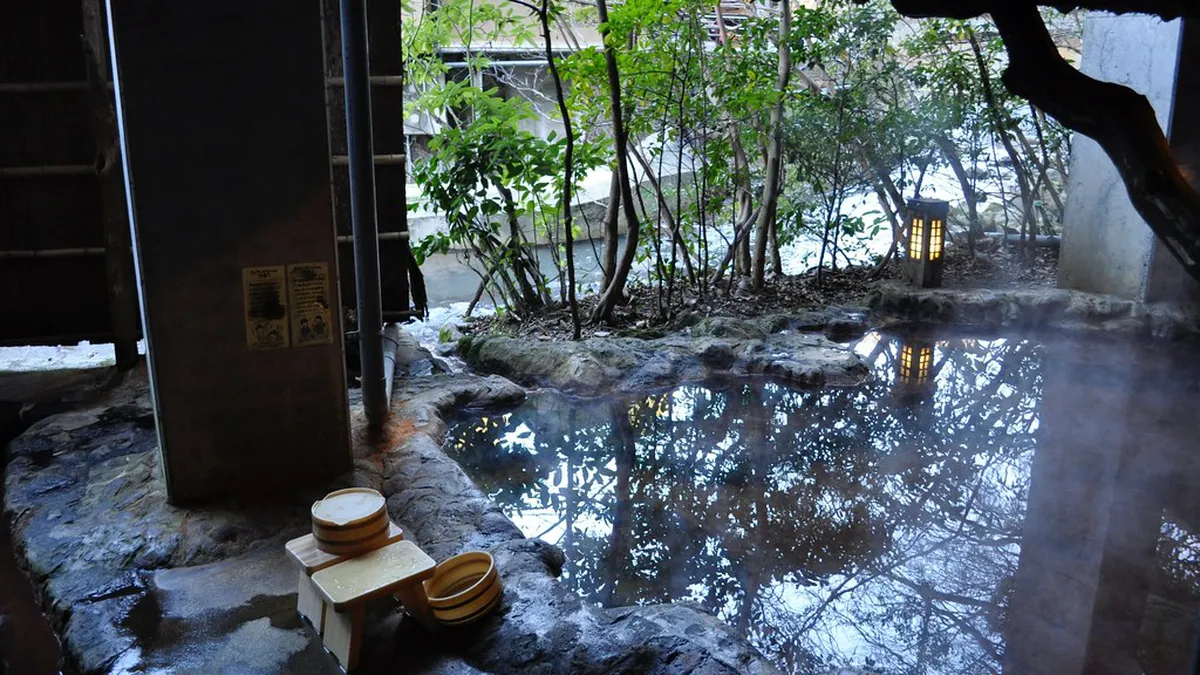
After a long day of walking through shrines, many travelers head to Kurokawa Onsen for relaxation. This famous hot spring village sits about 90 minutes from central Kumamoto by car or bus and is one of the most celebrated onsen destinations in all of Kyushu.
Remember to wash your body thoroughly at the provided stations before entering the communal hot spring water. Most traditional inns provide small towels, but you should never let them touch the water in the bath. Tattoos remain restricted at many Kurokawa facilities, so check the policy of your specific inn in advance if this applies to you — a practical detail that many first-time visitors learn only on arrival.
This cultural transition from spiritual shrines to healing waters is a highlight of any trip to southern Japan. Pairing a morning at Kato Shrine with an evening at a Kyushu onsen is a rhythm that captures two of the region's defining experiences in a single day.
Must-Try Dishes for Foodies Near Kato Shrine
Kumamoto is famous for its unique culinary scene, especially the lean and flavorful horse meat known as basashi. You can find many traditional restaurants serving this specialty within walking distance of the castle and shrine grounds, particularly along the streets connecting the tram stop to the castle park entrance.
Garlic-heavy Kumamoto ramen offers a hearty meal that differs significantly from the lighter styles found in Tokyo or Kyoto — the signature cloudy pork broth topped with black garlic oil and a half-cooked egg is a regional staple that most visitors rank among their Japan food highlights. The Sakuranobaba Josaien complex adjacent to the castle also houses several vendors offering taiko manju (drum-shaped bean cakes) and local craft beer from Kumamoto brewers.
Trying these local flavors adds another layer of enjoyment to your cultural exploration of the Kato family history. Budget roughly ¥1,000–¥1,500 per person for a ramen lunch near the shrine, with basashi sets typically running ¥1,500–¥2,500 at the surrounding restaurants.
Looking for day-by-day itineraries in Kumamoto?
A perfect day in the city starts at the shrine and continues with a journey toward Mount Aso. The active volcano sits roughly an hour by car or direct express bus from central Kumamoto and pairs well with a morning at the castle district.
If you have more time, consider visiting the mysterious Reigando Cave where Miyamoto Musashi once meditated. This atmospheric site is a 20-minute drive from the city center and easily combined with the shrine on a two-attraction half-day loop.
Combining historical sites with natural wonders ensures a balanced trip that captures the true spirit of the region. Plan your transport carefully as some mountain areas require a rental car or specific bus schedules for access. For first-time visitors to Kyushu, Kumamoto serves as a natural base for day trips across the region and connects efficiently by Shinkansen to both Fukuoka (30 minutes) and Kagoshima (45 minutes).
Frequently Asked Questions
What are the opening hours for Kato Shrine?
Kato Shrine is generally open to the public from early morning until sunset every day. Most visitors find that arriving between 9:00 AM and 4:30 PM provides the best access to shrine staff and the amulet shop. There is no admission fee to enter the grounds.
How do I get to Kato Shrine from Kumamoto Station?
The easiest way to reach the shrine is by taking the city tram to the Kumamoto-jo/Shiyakusho-mae stop. From there, it is a scenic ten-minute walk through the castle park. You can also use the Kumamoto loop bus for direct access.
Can I visit Kato Shrine and Kumamoto Castle on the same day?
Yes, these two attractions are located right next to each other on the same hill. It is very common for travelers to visit the shrine first for the castle views before entering the main paid castle area. Allow at least three hours for both sites.
Kato Shrine offers a profound look into the history and spiritual life of Kumamoto for every traveler.
Following this kato shrine visitor guide will help you navigate the site with respect and local knowledge.
The combination of samurai history and stunning castle views makes this a mandatory stop on any Kyushu itinerary.
Take your time to soak in the atmosphere and enjoy the unique cultural heritage of this sacred Japanese space.
For the latest official information, see the Kato Shrine official site and Kato Shrine on Wikipedia.
For more Kumamoto trip planning, see our Kumamoto Attractions, Kumamoto 2-Day Itinerary, Kumamoto Day Trip Itinerary guides.