Shofukuji Temple Fukuoka: Guide to Japan's Oldest Zen Temple
Shofukuji Temple Fukuoka guide: hours, free admission, routes from Hakata Station, and what the no-entry policy means for Japan's first Zen temple.
On this page
Last updated July 2026, Shofukuji Temple Fukuoka holds a specific distinction: it was Japan's first Zen temple, founded in 1195 by the priest Eisai. Set in the Gion district of Hakata-ku, the temple draws fewer visitors than nearby Tocho-ji, though its grounds hold a National Historic Site designation from 1969. This guide covers what you can actually see since the wooden halls stay closed, plus how to fold a stop into a short Hakata Old Town walk.
Shofukuji Temple Fukuoka: Japan's First Zen Ground
Eisai founded Shofukuji in 1195, after returning from Song-dynasty China with Rinzai Zen teachings. Minamoto no Yoritomo granted him the land, and the temple became Japan's first full-fledged Zen training ground. The complex sits at 6-1 Gokusho-machi in Hakata-ku, and belongs to the Rinzai school's Myoshin-ji branch.
At its peak, the temple held 38 sub-temples and seven main halls, and it functioned as the religious and commercial center of old Hakata. Even nearby street names, including Uomachi and Amaya, trace back to that original temple-town layout. Little of that scale remains visible today, and the grounds now read as a quiet, tree-shaded compound rather than a busy tourist stop. The paths stay calmer than the crowds at nearby Tocho-ji.
Shofukuji suits travelers who want historical context and a slower pace. It suits them more than travelers hoping to step inside ornate temple interiors. The temple is one stop within the wider 20 Best Fukuoka Attractions in 2026 lineup, and it pairs naturally with a half-day Hakata old-town walk.
Essential Visitor Logistics: Hours, Cost, and the No-Entry Policy
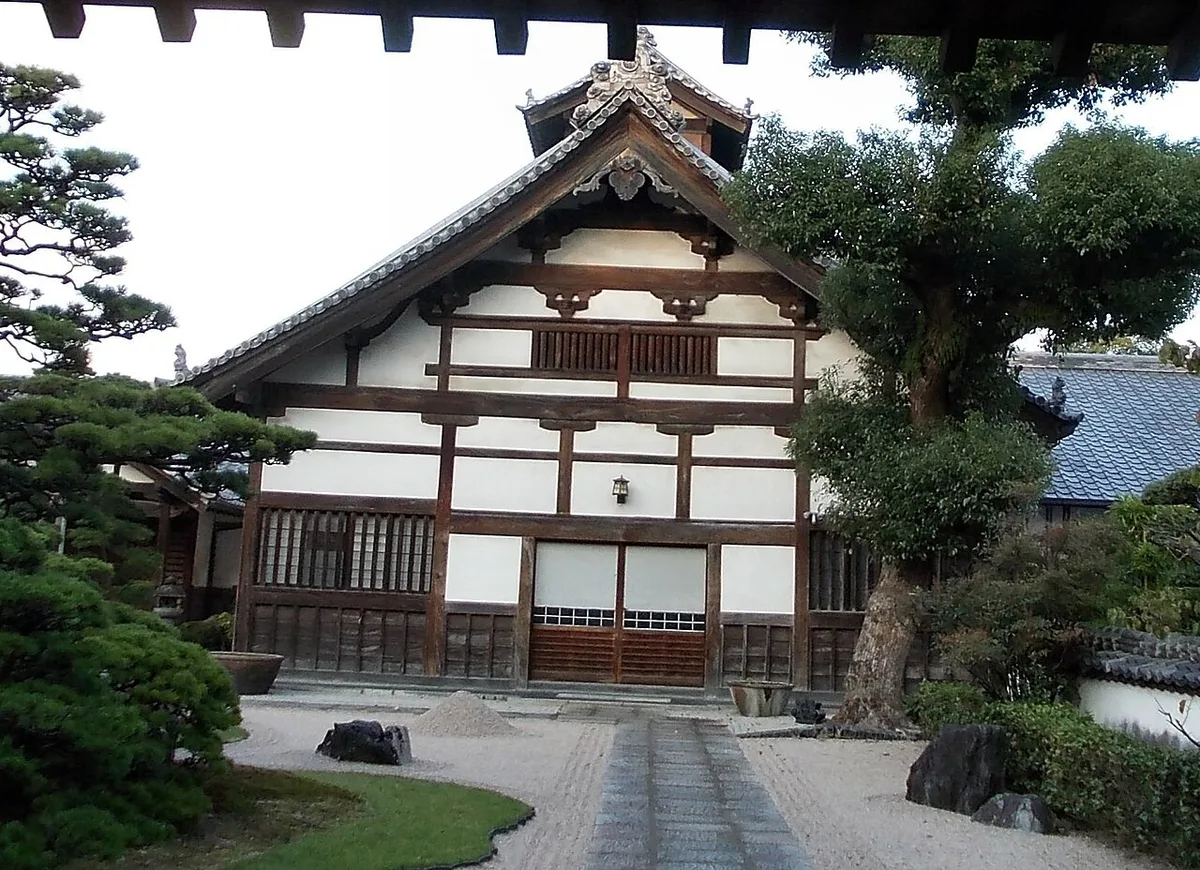
Shofukuji keeps its logistics simple, but the no-entry policy trips up first-time visitors who expect a temple interior tour. Because it functions as an active monastery rather than a museum, some paths or halls may close temporarily for temple events, so check the posted signage on arrival.
Eisai's 1195 founding introduced Zen and green tea to Japan, yet modern visitors spend just 30 minutes viewing exteriors because the wooden halls stay closed.
Budget about 30 minutes for a full loop of the grounds. Start at the Sanmon Gate, walk the tree-lined path to the Butsuden Hall, then continue past the belfry and cemetery before exiting. That is enough time to take in the architecture, read the posted signage, and photograph the exterior details without entering a single building. Pair this 30-minute loop with Tocho-ji or Kushida Shrine to fill a half-day itinerary without feeling rushed.
- Admission: free for the temple grounds, with no ticket required.
- Hours: always open, with no closing days; daylight hours make it easiest to see the architecture.
- Building access: the Sanmon Gate, Butsuden Hall, and other wooden structures stay closed to the public; view them from the paths and doorways outside.
Key Structures at Shofukuji: What You Can See From Outside
Four structures anchor a visit to Shofukuji, moving from the entrance gate toward the rear of the grounds. For photos, the Sanmon Gate works best from the small bridge facing the pond, where the gate reflects in the water on a still morning. Since the Butsuden interior stays off-limits, aim your camera through the open doorway to catch the cloud dragon ceiling painting. Low light inside rewards a steady hand or a wide-angle lens. Beyond these two landmarks, the belfry and cemetery round out a slower loop for visitors with extra time.
Sanmon Gate (1911) and Butsuden Hall (1587) survive from an era when Shofukuji held 38 sub-temples and seven main halls—medieval buildings in a much-diminished complex.
- Sanmon Gate: rebuilt in 1911, set beside a small pond and bridge.
- Butsuden Hall: rebuilt in 1587 and renovated between 2012 and 2014; the cloud dragon ceiling and golden Buddha statues are visible through the open doorway.
- Shoro Belfry: built in 1589 and renovated in 1759; it once held a Korean bronze bell, an Important Cultural Property, until 1976.
- Cemetery: resting place of 32nd Prime Minister Koki Hirota and politician Taketora Ogata.
Priest Eisai's Legacy: Zen Buddhism and Green Tea
Eisai's importance extends beyond architecture. He introduced Rinzai Zen from Song China, and monks trained in meditation and discipline at Shofukuji rather than at Japan's older Buddhist schools. Zen's emphasis on discipline appealed to the samurai class, which was consolidating power through the Kamakura shogunate at the time, and that political backing helped Rinzai teachings spread beyond Hakata.
Eisai also carried tea seeds back from China. He later wrote the Kissa Yojoki, one of Japan's earliest texts promoting tea for health, tying Shofukuji directly to the start of Japanese tea culture.
The temple's sectarian ties shifted over time. It joined the Kennin-ji lineage after Eisai founded Kennin-ji in Kyoto. During the Edo period, under the daimyo Kuroda Nagamasa, it became part of the Myoshin-ji branch, and that lineage still governs Shofukuji today. That tea connection separates Shofukuji from other Hakata temples that focus purely on architecture or festivals, and it gives history-minded visitors a reason to seek out the hall dedicated to Eisai elsewhere on the grounds.
Getting to Shofukuji Temple: Route and Time Trade-offs
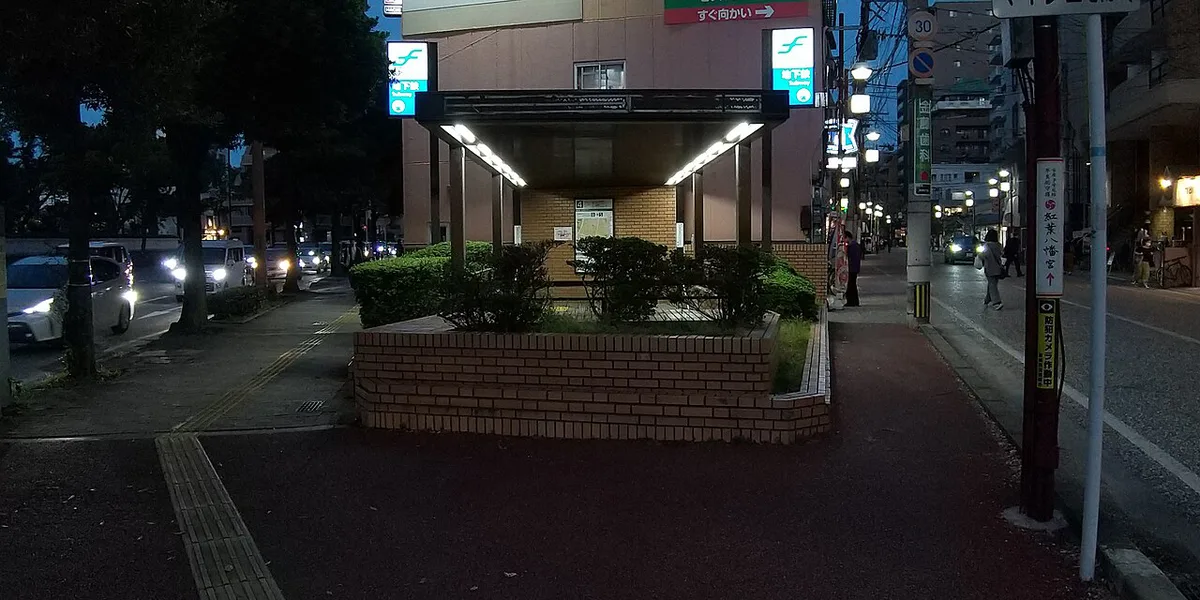
Three main routes reach Shofukuji from central Hakata, each with a different time-versus-cost trade-off. Gion Station sits on the Fukuoka City Subway Airport Line, one stop from Hakata Station, and the temple is about a three-minute walk from the station exit. The temple sits roughly 4 kilometers from Fukuoka Airport, so a taxi or a subway transfer through Hakata Station both work well for travelers arriving straight from the airport. Walking the whole route from Hakata Station covers a stretch of ordinary Hakata backstreets rather than a tourist corridor, which some travelers prefer for a slower first look at the city.
| Method | Time | Cost | Best For |
|---|---|---|---|
| Subway from Gion Station | 3-minute walk | About ¥210 one way | Speed and convenience |
| Walking from Hakata Station | 15-20 minutes | Free | Budget travelers, seeing Hakata backstreets |
| Taxi | 5-7 minutes | About ¥800-1,000 | Families or limited mobility |
Where to Stay and Eat Near Shofukuji
Gion and central Hakata make the most practical base for temple-focused sightseeing, keeping Shofukuji, Tocho-ji, and Kushida Shrine within walking distance. The Kawabata Shopping Arcade sits about 400 meters from area hotels like Hotel Great Morning, with ramen counters and local snack stalls for a stop before or after the temple.
Luxury travelers get the shortest walk to the subway at Miyako Hotel Hakata, while budget travelers trade a few extra minutes for a kitchenette and lower rate at European House Reisen. With The Style Fukuoka sits between the two, with an on-site sauna and garden for a quieter overnight stay. All three put Shofukuji within a short subway ride or a manageable walk, so the choice comes down to budget rather than location.
- Miyako Hotel Hakata: luxury, about 150 meters from JR Hakata Station.
- With The Style Fukuoka: boutique-style luxury near Hakata Station, with a sauna, sun terrace, and garden.
- European House Reisen: budget aparthotel with kitchenettes, about 4 kilometers from Fukuoka Airport.
Mistakes to Avoid at Shofukuji
A few planning errors show up often among first-time visitors. None of them ruin a visit, but avoiding them turns a rushed stop into a properly paced one.
- Expecting an interior tour: the wooden halls stay closed, so plan the visit around exterior views, not tatami rooms.
- Talking loudly near the halls: Shofukuji is an active Zen monastery, so keep voices low, especially near the Butsuden.
- Walking at midday in summer: the route from Hakata Station has little shade, so early morning or late afternoon works better in July and August.
Nearby Attractions and the Hakata Old Town Walk
Shofukuji anchors a short Hakata Old Town route. Tocho-ji Temple, home to a large seated Buddha statue, sits about a three-minute walk away. Tsunashiki Temman-gu is roughly 200 meters from Shofukuji, making it an easy add-on stop.
For a longer religious circuit, extend the walk toward Hakozaki Shrine, another stop on Hakata's temple-and-shrine trail. Readers researching the Kuroda clan and Hakata's merchant-era origins can go deeper at the Fukuoka City Museum, which holds archives connected to this neighborhood. For a contrast to the temple's stillness, the Gundam Park LaLaport gives families a modern, high-energy stop elsewhere in Fukuoka.
A full day could start at Shofukuji, continue to Tocho-ji, and finish at Kushida Shrine before heading into the Kawabata Shopping Arcade for a meal. That sequence moves from the oldest Zen site in Hakata to its most visited Buddha statue, then to food, in roughly half a day.
Shofukuji vs. Tocho-ji: Which Temple Fits Your Itinerary
Tocho-ji sits about a three-minute walk from Shofukuji and holds a large seated Buddha statue that draws more foot traffic. With limited time, prioritize Tocho-ji for the statue and Shofukuji for the quieter grounds and Zen history.
History-focused travelers who want context on Zen's arrival in Japan should start at Shofukuji. Travelers chasing a single striking photo opportunity in less time may find Tocho-ji's Buddha statue more rewarding. Most itineraries have room for both, since the walk between them takes only a few minutes. Visiting Shofukuji first also sets up the history before seeing Tocho-ji's scale, a logical order for a first visit to Hakata's temple district.
A Simple Hakata Old Town Walking Route
For a compact Hakata Old Town walk, use Shofukuji as the quiet starting point rather than the final stop. Begin at Gion Station, enter Shofukuji from the Sanmon Gate side, and spend about 30 minutes on the exterior loop. From there, walk a few minutes to Tocho-ji Temple for the Fukuoka Daibutsu and the five-story pagoda.
Continue toward Kushida Shrine, the guardian shrine of Hakata and the home of displays connected to the Hakata Gion Yamakasa festival. The Hakata Machiya Folk Museum sits nearby and adds context on merchant culture, textiles, and traditional town life. Finish inside Kawabata Shopping Arcade for ramen, sweets, or a short rest before returning to Gion or Nakasu-Kawabata Station.
- Best order: Shofukuji, Tocho-ji, Kushida Shrine, Kawabata Shopping Arcade.
- Allow 90 minutes for a focused walk, or two hours with museum time.
- Early morning is best for Shofukuji photos and lower crowds.
Further reading: Fukuoka on Wikivoyage · Fukuoka on Wikipedia
Frequently Asked Questions
Can you go inside Shofukuji Temple?
No. The wooden halls, including the Butsuden and Sanmon Gate, stay closed to the public. You view the buildings from the grounds, the paths, and the open doorways instead.
How much does it cost to visit Shofukuji?
Admission to the temple grounds is free, and the site has no closing days. Daylight hours make the most of a visit, since the halls are viewed from outside only.
How do you get to Shofukuji from Hakata Station?
Take the Fukuoka City Subway Airport Line one stop to Gion Station, then walk about three minutes. Walking the whole way from Hakata Station takes roughly 15 to 20 minutes and costs nothing.
How much time should you plan for a visit?
Plan about 30 minutes to walk the Sanmon Gate, the Butsuden Hall exterior, the belfry, and the cemetery at a relaxed pace.
What is Shofukuji known for historically?
It is recognized as Japan's first Zen temple, founded in 1195 by the priest Eisai. Eisai also introduced tea seeds from China, tying the site to the start of Japanese tea culture.
Is Shofukuji worth visiting if you already plan to see Tocho-ji?
Yes, since the two sit about three minutes apart on foot. Shofukuji adds Zen history and quieter grounds to a stop most travelers already make for Tocho-ji's Buddha statue.
Free: The Fukuoka Essentials guide
Top things to do, where to stay, a perfect day plan, getting around, and the best time to go — a Fukuoka mini-guide you can take offline.
You might also like


Continue reading
More guides you'll find useful