Hakozaki Shrine Fukuoka: Complete 2026 Visitor Guide
Plan a 2026 visit to Hakozaki Shrine in Fukuoka: Mongol invasion history, Tamaseseri and Hojoya festivals, flower gardens, and transit tips.
On this page
Last updated July 2026. Hakozaki Shrine Fukuoka ranks among Japan's three great Hachiman shrines, alongside Iwashimizu Hachimangu in Kyoto Prefecture and Usa Shrine in Oita Prefecture. Its Romon Gate still carries the 13th-century Tekikoku Kofuku calligraphy, a direct link to the Mongol invasions that once burned the shrine to the ground. Add two major festivals and a run of seasonal flower gardens, and Hakozaki offers a fuller stop than the passing-mention treatment it gets in broader Fukuoka roundups.
Hakozaki Shrine at a Glance
Here is the core information before the full history and festival detail below.
- Japanese name: Hakozakigu (筥崎宮)
- Founded: 923
- Enshrined kami: Emperor Ojin, Empress Jingu, and Tamayori-hime
- Rank: one of Japan's three great Hachiman shrines, with Iwashimizu Hachimangu in Kyoto Prefecture and Usa Shrine in Oita Prefecture
- Key festivals: Tamaseseri (January 3) and Hojoya (September 12-18)
- Nearest stations: Hakozaki-kyudomae (Fukuoka City Subway, Hakozaki Line) and Hakozaki Station (JR Kagoshima Main Line)
- General admission: free for the shrine grounds
Hakozaki Shrine Fukuoka: A Victory Shrine With Over 1,100 Years of History
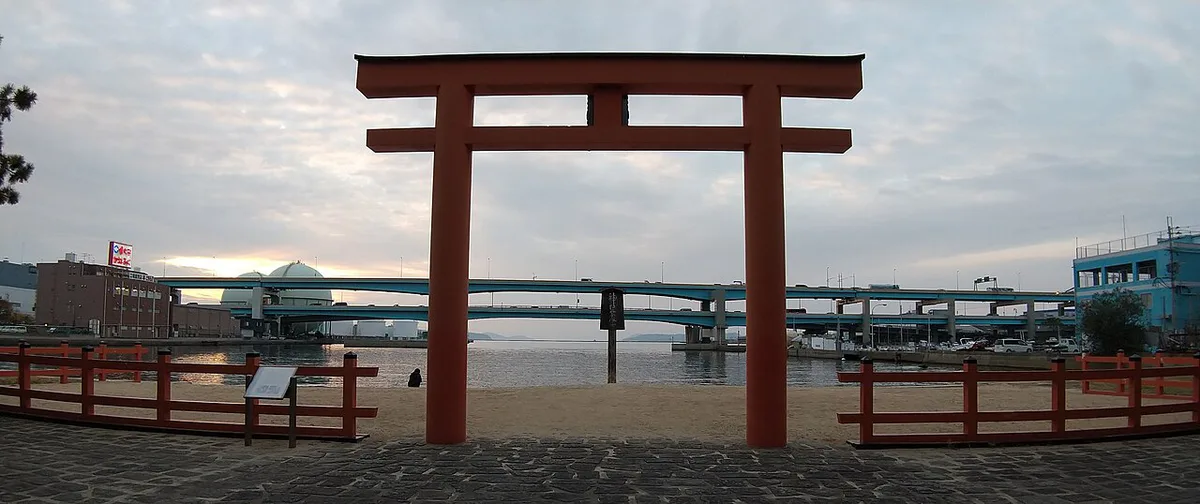
Hakozaki Shrine Fukuoka traces its origins to 923, when the spirit of the kami Hachiman was transferred from Daibu Hachiman Shrine in what was then Honami Commandry, Chikuzen Province. The shrine venerates Emperor Ojin, Empress Jingu, and Tamayori-hime. By 927 it appeared in the Engishiki-jinmyocho, the official shrine register compiled that year. Within a century or two it had been ranked Ichinomiya, the first shrine of Chikuzen Province. From 1871 to 1946, Hakozaki held Kanpei-taisha status, the top government-supported rank in pre-war Japan. That rank was shared with only two other Hachiman shrines: Iwashimizu Hachimangu in Kyoto Prefecture and Usa Shrine in Oita Prefecture. Together the three form the group still referred to today as Japan's three great Hachiman shrines. Higashi-ku, the Fukuoka City ward that includes Hakozaki, makes a natural base for pairing this stop with other sites nearby.
The Mongol Invasions and the Tekikoku Kofuku Calligraphy
On November 19, 1274, the 20th day of the 10th month of Bun'ei 11, Mongol forces landed near several coastal sites during the first of two invasion attempts. Japanese defenders were pushed back, and Hakozaki Shrine burned to the ground in the fighting. A second invasion followed in 1281, during the Koan campaign, testing the same coastline again. When the shrine was rebuilt after the first attack, its new tower gate carried a calligraphy inscription: Tekikoku Kofuku, meaning surrender of the enemy nation. Emperor Daigo wrote the original characters. Emperor Kameyama dedicated them as a supplication to Hachiman, asking for protection against future invaders. That inscription still marks the Romon Gate today. It is also the detail that separates Hakozaki Shrine Fukuoka from a stop at Kushida Shrine or Dazaifu Tenmangu: the calligraphy documents a specific 13th-century military threat, not a generic prayer for peace.
Romon Gate, Honden, and the Shinan Ship Connection
Several structures inside the shrine complex carry Important Cultural Property status: the main hall (Honden), the worship hall (Haiden), and the tower gate (Romon Gate) bearing the Tekikoku Kofuku inscription. These buildings anchor the core of a visit, and most visitors spend the bulk of their time moving between them. A less obvious layer of history connects Hakozaki Shrine to a 14th-century shipwreck. The Shinan Ship sailed from Ningbo toward Hakata along the final stretch of the maritime Silk Route, carrying cargo meant partly for Tofuku-ji Temple in Kyoto, damaged by fire and in need of reconstruction materials, and partly for Joten-ji Temple in Hakata. Bad weather sank the ship near the Korean coast before it completed the crossing. When the wreckage was located centuries later, some of the wooden cargo tags recovered from the site still bore the characters for Hakozaki Shrine, confirming it as one of the ship's intended destinations.
The Missing Ichino-Torii: What Changed in 2018
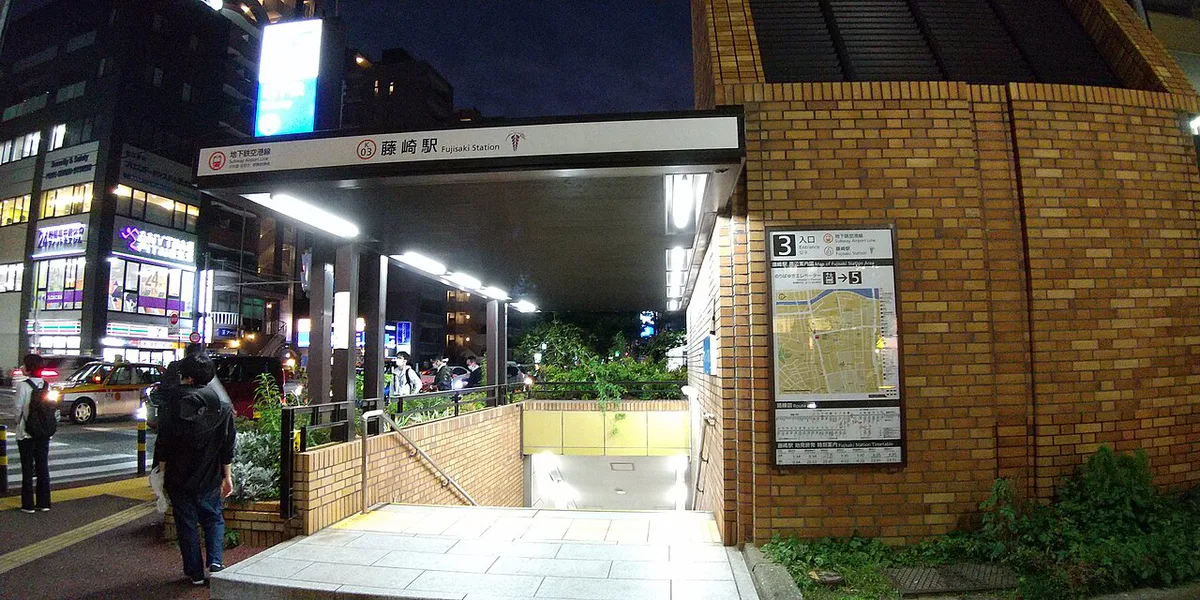
Older guidebooks and photos often show the Ichino-torii, the shrine's main entrance torii and once a designated Important Cultural Property in its own right. It no longer stands. Pieces began falling from the aging gate, and repair costs became prohibitive to justify. The shrine demolished the Ichino-torii in 2018, and it has not been replaced since. Visitors planning a 2026 visit around that landmark should adjust expectations before arriving. The approach to Hakozaki Shrine now leads directly toward the Romon Gate, without the outer torii that once marked the start of the grounds in older photographs.
The shrine removed its Ichino-torii gate in 2018, yet the 13th-century Tekikoku Kofuku calligraphy still marks the Romon Gate. One loss was recent; the other has survived over 750 years.
Tamaseseri and Hojoya: Hakozaki's Two Major Festivals
Two festivals define the shrine's annual calendar, and both draw crowds well beyond a typical weekday visit. As of 2026, Hojoya still runs on the same mid-September window each year; confirm exact daily program times on the shrine's own listings before building a schedule around either festival.
- Tamaseseri (January 3): a ball-catching contest between a Land Team and a Sea Team, tied to hopes for a strong harvest or a strong catch depending on which side secures the wooden ball.
- Hojoya (September 12-18): a week-long festival built around ceremonies releasing living creatures, described as a compassion-for-living-things observance, with roughly 1km of approach lined with stalls.
Peony, Hydrangea, and Lily Gardens by Season
Hakozaki Shrine draws attention for more than history and festivals. Its seasonal gardens are a detail that history-only guides tend to skip entirely. Timing a visit for early-to-mid June lets you catch both hydrangeas and lilies in a single stop, while a late-January visit catches the first peony bloom alongside the Tamaseseri build-up.
- Peony Garden: blooms January-February and again in April, with more than 200 varieties on display.
- Hydrangea Park: peaks in June and holds more than 3,500 plants, among the larger hydrangea displays in Fukuoka.
- Lily Garden: also peaks in June, overlapping directly with hydrangea season for a combined flower visit.
Opening Hours, Entry Fees, and Getting There
General shrine grounds carry no admission charge, in line with most Shinto shrines across Japan. Gate times generally follow the early-morning-to-evening pattern typical of Fukuoka shrines; confirm exact times on the shrine's official listings before planning an early or late visit. Seasonal garden access is the one area worth double-checking directly. Published English-language sources do not list a fixed garden fee for the peony, hydrangea, or lily displays, so budget a few minutes at the entrance, or check the official site, to confirm the current rate before visiting during bloom season.
- By subway: Hakozaki-kyudomae Station on the Hakozaki Line, shown in orange on Fukuoka City Subway maps.
- By JR: Hakozaki Station on the Kagoshima Main Line.
- Time to budget: about 45 minutes for the shrine grounds alone, up to 2 hours if visiting during a festival or garden season.
What Sets Hakozaki Shrine Apart From Other Fukuoka Shrines
Kushida Shrine and Dazaifu Tenmangu tend to dominate first-time Fukuoka itineraries, and both are worth visiting on their own terms. Hakozaki Shrine offers a different case for a stop. It carries a documented military history: the Tekikoku Kofuku calligraphy on the Romon Gate references a specific 13th-century invasion, not a generic prayer. It ranks among Japan's three great Hachiman shrines, a status only two other shrines in the country share. Its festival calendar runs on two fixed dates, Tamaseseri and Hojoya, rather than one headline event. Its flower gardens, especially the June hydrangea display with more than 3,500 plants, are the kind of detail that only shows up in a dedicated guide rather than a passing mention inside a broader city roundup.
Planning Your Visit: Crowds, Etiquette, and Timing
Hojoya draws the heaviest crowds of the year, especially across its peak days within the September 12-18 run. Visitors who prefer a quieter stop should target a weekday morning outside that window. Tamaseseri pulls a dense crowd too, concentrated right at the Romon Gate during the ball-catching contest itself, so arrive early if a close view matters. Standard shrine photography etiquette applies at Hakozaki: avoid pointing a camera directly at the main altar, and hold off on photos entirely during active ceremonies or prayers in progress. A single visit pairs naturally with a longer day across Higashi-ku or central Hakata, since several other sites sit within a short transit ride of the shrine.
A June visit captures both the hydrangea display (3,500+ plants) and lilies at their peak, and avoids the crowds that cluster around Tamaseseri (January 3) and Hojoya (September 12–18).
Nearby Attractions to Pair With Hakozaki Shrine Fukuoka
Three stops extend a Hakozaki visit into a fuller day out. The Fukuoka City Museum adds context the shrine grounds cannot provide on their own: exhibits covering the Mongol invasions and the Gold Seal fill in the history behind the Tekikoku Kofuku inscription. For a temple-and-shrine day, the Shofukuji Temple grounds, the site of Japan's first Zen temple, sit within reach in Hakata. For a contrast to a 1,100-year-old shrine complex, the Gundam Park LaLaport makes a modern afternoon stop nearby. Together with Hakozaki Shrine, these three sites round out a broader day among Fukuoka's other attractions, mixing history, religion, and contemporary pop culture into one itinerary.
Further reading: Fukuoka on Wikivoyage · Fukuoka on Wikipedia
Frequently Asked Questions
What is Hakozaki Shrine in Fukuoka known for?
Hakozaki Shrine is known as one of Japan's three great Hachiman shrines, alongside Iwashimizu Hachimangu in Kyoto Prefecture and Usa Shrine in Oita Prefecture. It also carries the Tekikoku Kofuku calligraphy on its Romon Gate, a direct reference to the 13th-century Mongol invasions, plus two major annual festivals, Tamaseseri and Hojoya.
Is there an entrance fee for Hakozaki Shrine?
The general shrine grounds are free to enter, matching most Shinto shrines in Japan. Seasonal garden access during peony, hydrangea, or lily bloom is the one area without a published fixed rate; confirm the current fee at the entrance or on the shrine's official site before visiting during bloom season.
How do you get to Hakozaki Shrine from Hakata Station?
Take the Fukuoka City Subway Hakozaki Line to Hakozaki-kyudomae Station, or the JR Kagoshima Main Line to Hakozaki Station. Both stations sit within walking distance of the shrine grounds, and either route works well from central Hakata.
When is the best time to visit Hakozaki Shrine?
For festivals, target January 3 for Tamaseseri or the September 12-18 Hojoya window. For flowers, aim for late January through February or April for peonies, and early-to-mid June for hydrangeas and lilies together. For a quiet visit, pick a weekday morning outside those festival dates.
What happened to the Ichino-torii gate at Hakozaki Shrine?
The Ichino-torii, once the shrine's main entrance torii and a designated Important Cultural Property, was demolished in 2018 after repair costs became prohibitive. It has not been rebuilt, so visitors in 2026 should not expect to see it at the approach to the grounds.
How much time should you plan for a Hakozaki Shrine visit?
Budget about 45 minutes for the shrine grounds, Romon Gate, and main hall on a standard visit. Extend that to roughly 2 hours if visiting during Tamaseseri, Hojoya, or peak garden bloom, when crowds and stalls slow down the pace.
Free: The Fukuoka Essentials guide
Top things to do, where to stay, a perfect day plan, getting around, and the best time to go — a Fukuoka mini-guide you can take offline.
You might also like


Continue reading
More guides you'll find useful