Hojoya Festival 2026: Hakozaki Shrine Dates & Stalls
A practical guide to the Hojoya Festival at Hakozaki Shrine: September 12-18 dates, the odd/even year ritual cycle, 500 stalls, and three signature souvenirs.
On this page
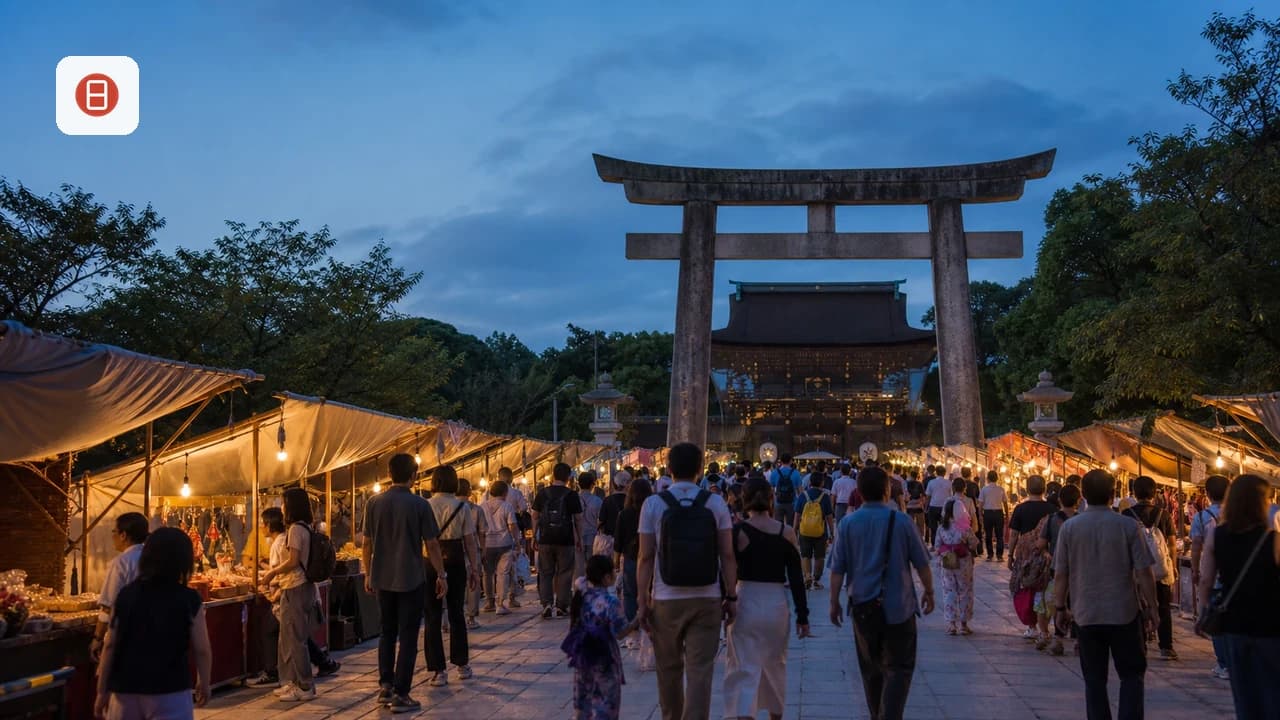
Last updated September 2026. The Hojoya Festival fills the kilometer-long approach to Hakozaki Shrine with roughly 500 stalls for seven straight days and nights, from September 12 to 18. Rooted in a Buddhist rite of releasing captured animals, it blends solemn shrine ritual with a carnival strip of retro games, glass toys, and fresh ginger stands. Hakatakko treat it as the city's bridge from summer into autumn, and 2026's even-year edition trades the mikoshi procession for stage performances and the closing fish-release ceremony.
What Is the Hojoya Festival? Origins and Meaning
Hojoya began as a Buddhist rite for releasing captured animals, a practice that spread to Hachiman shrines across Japan more than a thousand years ago. At Hakozaki Shrine, that idea still anchors the festival today. Official guidance describes its purpose as showing respect for all life, warning against killing, and giving thanks for the autumn harvest. Hakatakko, as Hakata locals are known, rank Hojoya among the city's three defining festivals. Spring belongs to Hakata Dontaku. Summer belongs to Hakata Gion Yamakasa. September belongs to Hojoya, when shrine rituals run quietly inside the grounds while roughly a million visitors move through the stalls outside each year.
Hojoya 2026 Dates, Hours, and Access
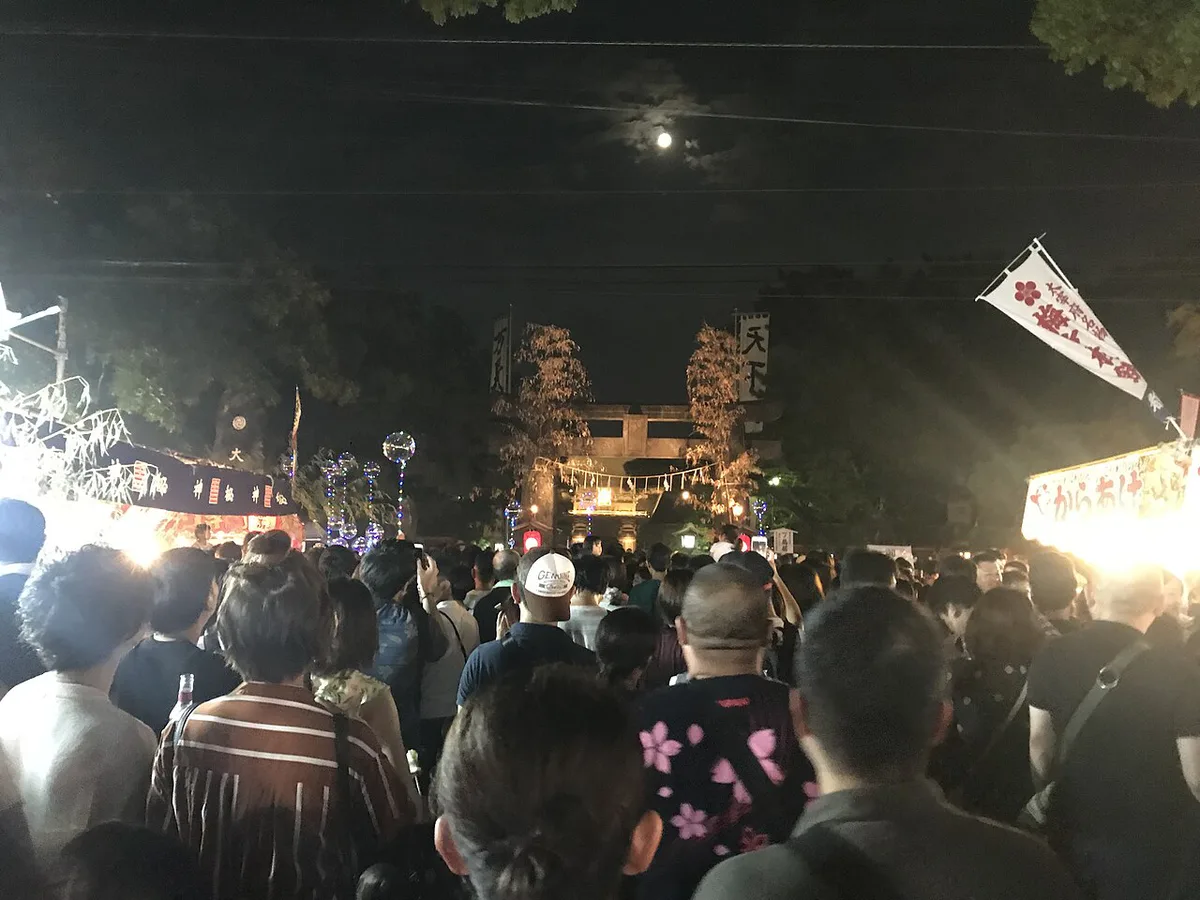
Hojoya runs for seven days and nights, from September 12 to 18, 2026. Admission to the shrine grounds is free throughout the festival, a detail confirmed on Fukuoka City's official tourism site. Stalls set their own prices for food, games, and souvenirs, and no fixed festival price list exists, so budget cash per stall rather than a single festival total. Prefecture tourism access notes list four practical routes onto the approach. Subway Exit 1 puts you directly among the stalls. The JR route adds a short walk that helps you dodge the heaviest crowds at peak evening hours. If you are timing a broader trip, Fukuoka's best travel season overlaps with Hojoya's first week. For lodging near the shrine or downtown Hakata, check 10 Best Neighborhoods Where to Stay in Fukuoka (2026) before booking during festival week.
| Route | Stop | Walk Time |
|---|---|---|
| Fukuoka City Subway | Hakozaki-Miyamae Station, Exit 1 | About 3 minutes |
| JR Kagoshima Main Line | Hakozaki Station | About 8 minutes |
| Nishitetsu Bus | Hakozaki stop | About 3 minutes |
| JR Kyushu Bus | Hakozaki 1-chome stop | About 2 minutes |
Odd Years vs Even Years: What Changes in 2026
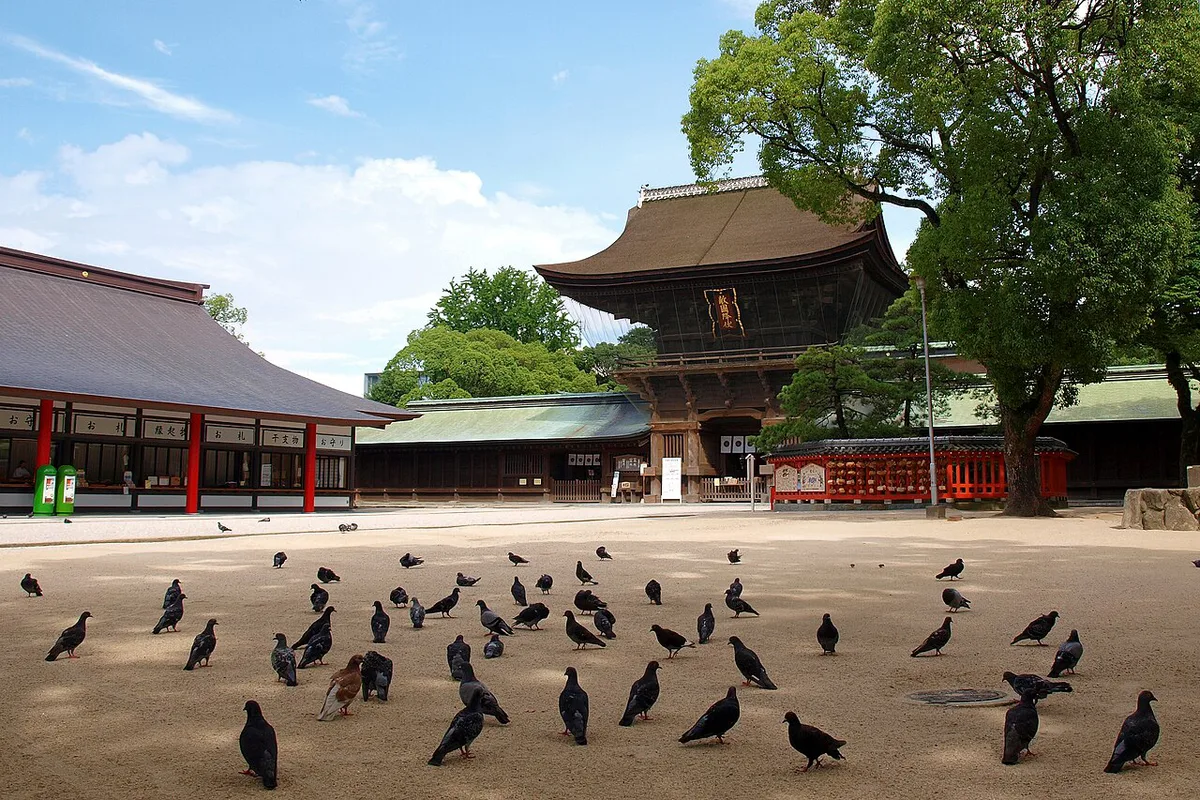
Hojoya's biggest ritual, the Gojinko mikoshi procession, only happens in odd-numbered years, so 2026 will not include it. In odd years, three palanquins depart the main shrine on the night of September 12. They travel roughly four hours to a temporary shrine, a route known as the descending procession. Two nights later, on September 14, the palanquins reverse course and return to the main hall, in what locals call the ascending procession. Around 500 white-robed parishioners carry them each way. Fukuoka City recognizes the procession as an Intangible Folk Cultural Asset. 2026 being an even year, shrine grounds host stage performances instead throughout the seven days. September 15 hosts the Hojoya Taisai, the festival's principal ritual. Priests release young fish during the closing Hojo Shinji ceremony on September 18, alongside a children's procession giving thanks for life.
Around 500 white-robed parishioners carry the palanquins roughly four hours each way, while roughly a million visitors annually move through the stalls outside.
- Kagura dance performances from regional preservation groups
- Chikuzen Hakata Koma spinning-top demonstrations
- Taiko drumming throughout the shrine grounds
The 1km Approach: Stalls, Food, and Retro Attractions
Roughly 500 stalls line the kilometer of approach running from the shrine down toward the sea. Candied apples, grilled squid, and shaved ice sit alongside carnival standards like goldfish scooping and shooting galleries. Look for shanichi-mochi, a grilled rice cake sold specifically during Hojoya, and fresh ginger roots still wearing their green leaves. National tourism coverage ties the ginger tradition to the fields that once surrounded Hakozaki, when locals carried bundles home as a seasonal souvenir. Haunted houses and old-fashioned show tents also survive here, attractions that have largely disappeared from other Japanese festivals. Walking the full approach costs nothing beyond what you spend at individual stalls, which pairs well with a broader look at Free Things to Do in Fukuoka, Japan. Stall food here overlaps with the city's wider food culture, covered in Fukuoka's food guide, though most Hojoya specialties only appear during festival week.
The Three Treasures of Hojoya: Chanpon, Ohajiki, and Ginger
Three souvenirs define Hojoya beyond the food stalls. Hojoya chanpon are small glass toys that make a soft chan-pon sound when you blow into them, traditionally hand-painted by shrine maidens. Chanpon production has ended, but the shrine displays historic examples in the corridor throughout the festival, so treat the display as a viewing stop rather than a shopping one. Hojoya ohajiki are unglazed clay charms shaped by Hakata doll artisans, sold framed or in paulownia boxes at the Hojokai booth. Prefecture tourism guidance describes ohajiki as a good-luck charm handed down in Hakata for generations, and quantities are limited, so arrive early if buying one matters to you. Fresh ginger with its leaves still attached rounds out the set, a callback to the ginger fields that once surrounded the shrine before the neighborhood urbanized.
- Hojoya chanpon: hand-painted glass toys, production ended, historic pieces on display
- Hojoya ohajiki: unglazed clay charms by Hakata doll artisans, limited quantities at the Hojokai booth
- Fresh ginger with leaves: sold at stalls, a nod to the area's former ginger fields
Hojoya Day vs Night: Which Visit Suits You
Daytime visits suit families and anyone prioritizing the shrine's rituals. Mornings and early afternoons work well for a relaxed shrine visit. You can view the bonbori votive lanterns, an ikebana display, and the chanpon and ohajiki exhibitions in the corridor without fighting crowds. Evenings flip the mood entirely. Stalls light up and the approach fills shoulder to shoulder. Haunted houses and shooting galleries hit their liveliest stretch after dark. Neither version is wrong. Pick whichever priority, ritual calm or festival energy, matters more for your visit. Pair a Hojoya stop with nearby sights like the Mongol Invasion Records Office or the bronze statue of Nichiren Shonin, both a short walk from the shrine. Extend the day further with Fukuoka's wider attractions nearby.
Mistakes to Avoid at Hojoya Festival
A few small planning choices separate a smooth Hojoya visit from a frustrating one. Most trip-up points come down to crowds, cash, and timing rather than the festival itself.
About 8 minutes from JR often beats the packed subway exit during evening crowds, even though roughly a million visitors move through the stalls each year.
- Skip driving. Festival crowds and traffic controls make the shrine's car park impractical to reach; use the subway or JR line instead.
- Avoid the Hakozaki-Miyamae Exit 1 bottleneck during evening peak hours. The JR Hakozaki Station walk takes about 8 minutes and often moves faster than the packed subway exit.
- Carry small bills and coins. Many festival stalls run cash-only, a common pattern at Japanese street festivals.
- Pay respects at the main hall before browsing stalls; Hojoya is a religious observance first and a street festival second.
- Don't miss the Chikuzen Hakata Koma spinning-top demonstrations. Check posted times at the shrine or via Fukuoka City's official tourism listings before you go.
Hojoya's Place in Fukuoka's Festival Calendar
Hojoya sits inside Fukuoka's festival calendar as one of the year's fixed points. Together with Hakata Dontaku's spring festival and Hakata Gion Yamakasa each summer, it completes Hakata's three major festivals for the year. For a fuller sense of what comes next, Fukuoka's autumn festival lineup picks up through November. The city's full-year rhythm also includes a cherry blossom festival calendar each spring. Winter brings Fukuoka's winter illuminations once the season turns cold. Building a longer itinerary? Check How Many Days in Fukuoka: 13 Essential Planning Tips before locking dates around Hojoya week. Budget travelers can round out the trip with free annual events in Fukuoka at no extra cost. Travelers routing through Kyushu can extend the festival circuit further. Kumamoto's event calendar runs its own autumn lineup. Kagoshima's event calendar offers another stop worth comparing. Hiroshima's event calendar rounds out a broader regional loop.
Frequently Asked Questions
What is the Hojoya Festival?
The Hojoya Festival is one of Hakata's three major festivals, held at Hakozaki Shrine every September 12 to 18. It centers on hojo, a Buddhist practice of releasing captured animals as an expression of gratitude and respect for life. Roughly 500 stalls line the shrine's kilometer-long approach for all seven days and nights.
When is Hojoya Festival 2026?
Hojoya runs September 12 through 18, 2026, matching its fixed annual dates. 2026 is an even-numbered year, so the Gojinko mikoshi procession does not take place. Expect stage performances, shrine rituals, and the closing Hojo Shinji fish-release ceremony on September 18 instead.
Is the Gojinko procession happening in 2026?
No. The Gojinko procession only runs in odd-numbered years, alternating between a descending route on September 12 and an ascending route on September 14. Since 2026 is even, the shrine grounds host kagura, Hakata spinning-top performances, and taiko drumming in its place.
How do you get to Hakozaki Shrine for Hojoya?
Fukuoka City Subway's Hakozaki-Miyamae Station, Exit 1, sits about 3 minutes from the shrine approach. JR Hakozaki Station on the Kagoshima Main Line is about 8 minutes away and often has lighter crowds. Nishitetsu and JR Kyushu buses also stop within a few minutes' walk, though driving is impractical during the festival.
What are the Hojoya chanpon and ohajiki souvenirs?
Chanpon are hand-painted glass toys that produce a soft chan-pon sound, though production ended and only display examples remain. Ohajiki are unglazed clay charms made by Hakata doll artisans, sold in limited numbers at the Hojokai booth. Both appear alongside fresh ginger sold with its leaves attached, Hojoya's third signature souvenir.
Is Hojoya Festival free to attend?
Yes, admission to Hakozaki Shrine's grounds is free throughout the seven days. Stalls set individual prices for food, games, and souvenirs, so budget cash for anything beyond browsing.
Free: The Fukuoka Essentials guide
Top things to do, where to stay, a perfect day plan, getting around, and the best time to go — a Fukuoka mini-guide you can take offline.
You might also like


Continue reading
More guides you'll find useful