How to Visit Beppu Onsen: A Complete 2026 Guide
Learn how to visit Beppu Onsen with our 2026 guide. Find steps for the Hells, transport tips, and bath etiquette. Start your Japan spa trip today!
On this page
Beppu is a coastal city on the island of Kyushu in Japan. It is famous for having the highest volume of hot spring water in the country. Thousands of travelers arrive every year to experience the natural steam and healing waters. Learning how to visit Beppu Onsen properly ensures a relaxing and culturally respectful trip.
The city is divided into eight major hot spring districts known as Beppu Hatto. Each district offers a unique atmosphere and different mineral properties in the water. You can find everything from historical wooden bathhouses to modern luxury spa resorts. This guide provides the practical details needed to navigate these diverse options easily.
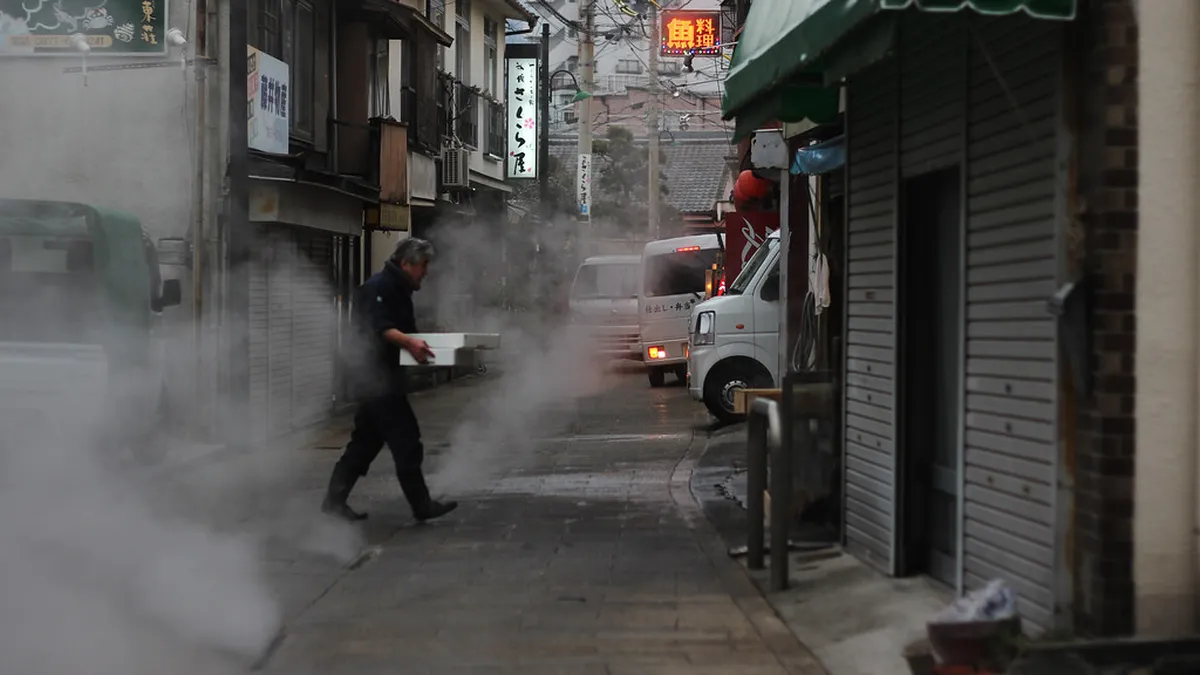
Visiting Beppu is more than just taking a simple bath in a tub. It is an immersive journey into a landscape where steam rises from every street corner. You will discover unique geological wonders and traditional cooking methods using volcanic heat. Follow our steps to make the most of your time in this geothermal wonderland.
Quick Answer: How to Visit Beppu Onsen
Quick Answer: Take the Sonic Limited Express train from Fukuoka to Beppu Station for the fastest access. You can also use a highway bus if you are traveling on a tighter budget.
Once you arrive at the station, the local bus system is your best friend. Most of the famous hot springs are located in the Kannawa and Kamegawa areas. You can find many Beppu Activities that focus on these thermal zones. Buying a one-day bus pass will save you a significant amount of money.
Beppu is very accessible for international tourists compared to other rural areas. Signs are often written in English, and the tourist office is very helpful. You should aim to spend at least two days to see the main sights. This allows you to visit the Hells and enjoy several different baths.
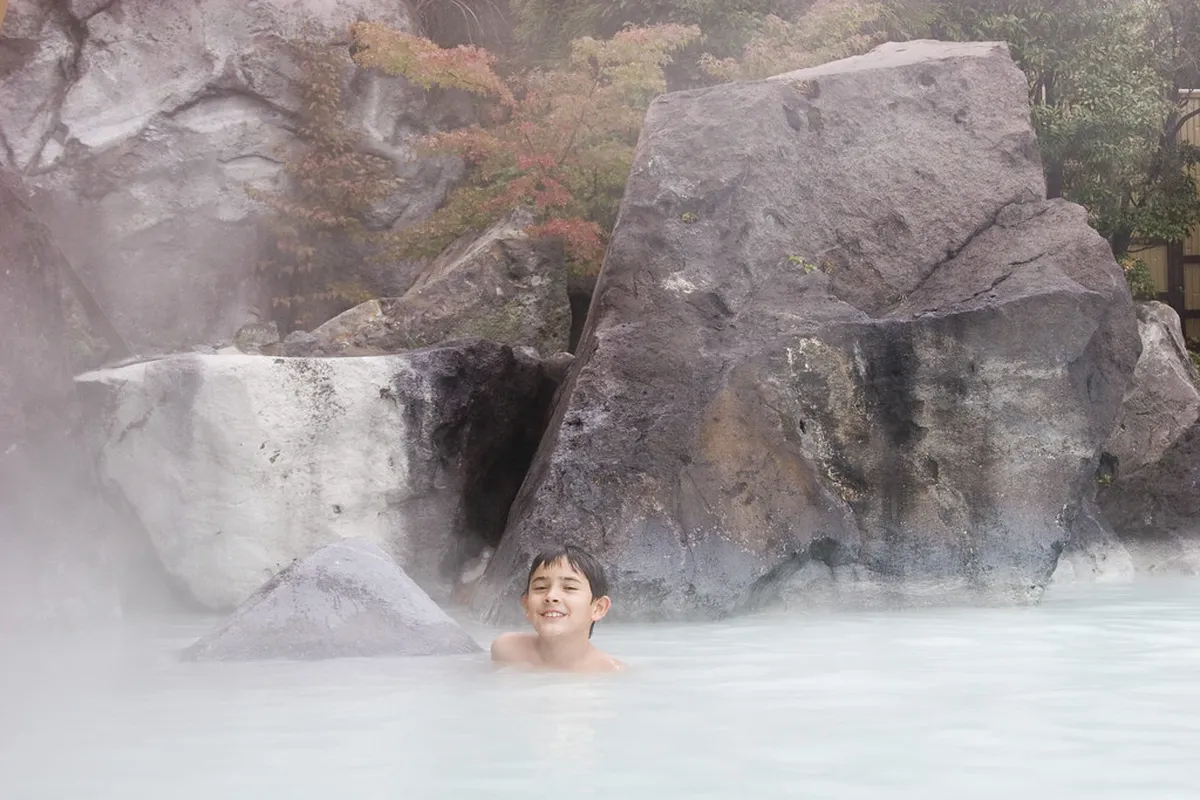
Beppu has more than 2,200 registered hot-spring sources — the highest concentration of any city in the world. The Beppu Hatto Spaport stamp rally (¥1,500) lets you sample one bath in each of the eight districts within six months. Recommended soak time is 10–15 minutes per session to avoid dizziness.
Planning your visit during the weekdays will help you avoid the largest crowds. Many local residents use these baths daily for their personal hygiene and health. Respecting the local pace of life is part of the charm here. Always carry some small change for the entry fees at smaller public bathhouses.
Steps to Visit Beppu Onsen Successfully
Following a logical order will help you maximize your time in the city. The geography of Beppu can be confusing because it is built on a steep slope. Starting at the coast and moving upward is a common strategy for visitors. This section breaks down the physical journey into manageable parts.
You should prioritize the most famous attractions during the daylight hours. The Seven Hells of Beppu are spectacular to look at but not for swimming. Consider booking a 9 Best Stops on a Unique Hells of Beppu Tour to learn the history. These tours often explain the volcanic science behind the colorful steam vents.
After sightseeing, the late afternoon is the perfect time for a soak. Public baths often get busier after five in the evening when locals finish work. Try to find a balance between the famous tourist spots and hidden local gems. The following steps will guide you through the entire process from arrival to relaxation.
Beppu offers a variety of specialized bathing styles that you won't find elsewhere. You can try sand baths where you are buried in naturally heated volcanic sand. Steam baths and mud baths are also popular choices for those seeking variety. Each step below ensures you do not miss these iconic Japanese experiences.
- Step 1: Travel to Beppu Station via Train
- Time: 2 hours from Fukuoka
- Cost: 5,000 to 6,000 Yen
- Where: Beppu Station main terminal
- Mistake: Missing the limited express
- Tip: Use a JR Pass
- Step 2: Buy a Local Beppu Bus Pass
- Time: 5 minutes at station
- Cost: 900 to 1,500 Yen
- Where: Tourist Information Center
- Mistake: Paying individual bus fares
- Tip: Ask for a map
- Step 3: Head to the Kannawa District
- Time: 20 minute bus ride
- Cost: Included in bus pass
- Where: Kannawa Bus Terminal
- Mistake: Getting off too early
- Tip: Follow the rising steam
- Step 4: Visit the Seven Hells Sites
- Time: 2 to 3 hours
- Cost: 2,000 Yen for all
- Where: Various locations in Kannawa
- Mistake: Thinking you can swim
- Tip: Buy the combo ticket
- Step 5: Select a Traditional Public Bath
- Time: 1 hour for soaking
- Cost: 100 to 600 Yen
- Where: Takegawara or Hyotan Onsen
- Mistake: Forgetting your own towel
- Tip: Check the water temperature
- Step 6: Follow Local Bathing Etiquette Rules
- Time: Duration of the bath
- Cost: Free with entry
- Where: Inside the changing room
- Mistake: Wearing clothes in water
- Tip: Wash thoroughly before entering
Navigating Beppu Transport and Tickets
The bus network in Beppu is the most efficient way to travel between districts. Two main companies operate the routes, but the Kamenoi Bus is the most common. You can identify the correct buses by their bright colors and clear numbers. A walking tour of Kannawa is also a great way to see the sights.
If you plan to visit the more distant Hells, the bus is essential. The Blood Pond Hell and Tatsumaki Hell are located further north in Kamegawa. Without a bus pass, these trips can become quite expensive very quickly. Most buses accept IC cards like Suica or Pasmo for easy payment.
Taxis are available but are generally not necessary for most tourist itineraries. They can be useful if you are traveling in a group of four. Walking is pleasant in the cooler months but difficult during the humid summer. The hills in Beppu are quite steep, so plan your walking routes carefully.
For those arriving from other cities, the train remains the best option. The Sonic Limited Express runs frequently from Hakata Station in Fukuoka. You can also find direct buses from Oita Airport if you are flying in. Always check the last train times if you are visiting for a day.
Choosing the Best Bath Experience
Deciding where to soak depends on your personal comfort and interests. Takegawara Onsen is the oldest and most atmospheric building in the city. It offers a famous sand bath where staff bury you in warm sand. There are also many Free Things to Do in Beppu: Budget Guide 2026 regarding foot baths.
If you prefer a more modern facility, Hyotan Onsen is highly recommended. It is the only hot spring in Japan with three Michelin stars. They offer private baths which are perfect for families or couples. This is also a great choice for travelers who have large tattoos.
For a luxury experience, consider the Tanayu bath at the Suginoi Hotel. It features an infinity pool design with views over the entire bay. The prices are higher here, but the facilities are world-class and very clean. It is especially beautiful during the sunset hours when the city lights appear.
Small neighborhood baths, called 'kyodo-yu', offer the most authentic local experience. These are often unattended and require you to drop coins in a box. The water in these local spots can be extremely hot for beginners. Always watch what the locals do before you step into the water.
Essential Preparation for Your Trip
Preparation is the key to having a stress-free time in the hot springs. Many public baths do not provide soap or shampoo for free. You should bring a small kit with your personal hygiene essentials. This will save you from having to buy expensive sets at the counter.
Tattoos are still a sensitive subject in many Japanese hot springs. While Beppu is more progressive, some places still have strict bans. Check the website of the bathhouse before you travel to avoid disappointment. Small tattoos can often be covered with waterproof bandages or patches.
Hydration is extremely important when you are soaking in hot water. Drink plenty of water before and after your onsen session to stay safe. Most bathhouses have vending machines nearby selling cold milk or tea. Drinking fruit milk after a bath is a classic Japanese tradition.
Be mindful of the weather when you plan your outdoor activities. The steam from the Hells can make the air feel much hotter. Wearing layers is a good idea if you are visiting in the autumn. The temperature drops quickly once the sun goes down near the coast.
Most Beppu hot springs still display "no tattoos" signage. Hyotan Onsen private kashikiri rooms welcome tattoos, and several Kannawa sento now accept guests with tattoos covered by skin-tone stickers (~200–400 yen at the front desk). Always ask "irezumi wa daijobu desu ka?" before paying.
- Essential Items for Your Onsen Trip
- Small towel for drying off
- Cash for entry fees
- Plastic bag for wet clothes
- Hair ties for long hair
- Comfortable walking shoes
- Mobile data for bus maps
Solving Common Problems in Beppu
Even well-planned trips can encounter small issues along the way. The most common problem for visitors is understanding the bus timetable. Google Maps is generally accurate but sometimes misses the smaller local loops. Always confirm the platform number at the main station information desk.
If you feel dizzy from the heat, leave the water immediately. Sit on the edge of the bath and cool your feet first. Do not stay in the hot water for more than fifteen minutes. It is better to take several short soaks than one long one.
Language barriers can occur at the smaller, more traditional bathhouses. Learning a few basic Japanese phrases will help you interact with staff. Most people are very patient and will use gestures to guide you. Politeness and a smile go a long way in these local communities.
Crowds can be an issue at the Seven Hells during holiday weekends. Try to arrive right when they open at eight in the morning. This gives you a head start before the large tour buses arrive. The experience is much more peaceful without the large groups of people.
- Solving Common Issues in Beppu
- Bus drivers speak limited English
- Many baths do not allow tattoos
- The water can be very hot
- Some Hells close early at night
- Steam can make navigation difficult
- Public lockers fill up quickly
Beppu's 8 Onsen Districts: Which to Pick (2026)
| District | Water type | Headline bath | Access from Beppu Station |
|---|---|---|---|
| Beppu (central) | Sodium-chloride | Takegawara Onsen | 2 min walk |
| Kannawa | Sodium-chloride / chloride | Hyotan Onsen | 20 min bus |
| Myoban | Sulfuric, milky-white | Okamotoya rotenburo | 30 min bus |
| Kankaiji | Calcium-rich carbonate | Suginoi Hotel Tanayu | Taxi / hotel shuttle |
| Hamawaki | Gentle saline | Hamawaki Onsen | 10 min walk |
| Horita | Cloudy sulfur | Horita Onsen | 15 min bus |
| Shibaseki | Iron-rich red | Shibaseki Onsen | 25 min bus |
| Kamegawa | Simple chloride | Beach Sand Bath | 15 min bus / short JR |
Beppu Hatto refers to the city's eight historic hot-spring areas, each with its own water chemistry, vibe, and access route. Picking the right district saves you from wasted bus transfers and matches the soak to your mood. Use this rundown to plan your day around districts rather than individual baths, then layer in a 1-Day Beppu Walking Tour of Kannawa Guide if you want a guided introduction to the most photogenic zone.
- Beppu (central): commercial downtown vibe, simple sodium-chloride water, classic Takegawara Onsen, two minutes on foot from JR Beppu Station.
- Kannawa: the iconic steam-wreathed mountainside village, sodium-chloride and chloride waters, Hyotan Onsen is the headline bath, 20-minute bus from Beppu Station.
- Myoban: sulfuric, milky-white waters at high elevation with thatched yu-no-hana huts, try Okamotoya rotenburo, 30-minute bus uphill.
- Kankaiji: quiet hillside resort area with sweeping bay views, calcium-rich carbonate water, Suginoi Hotel's Tanayu is the showpiece, taxi or hotel shuttle recommended.
- Hamawaki: tucked-away coastal pocket near the station, gentle saline water, head to Hamawaki Onsen, 10 minutes on foot from Beppu Station.
- Horita: sleepy mountainside neighborhood with cloudy sulfur baths, Horita Onsen is the local favorite, 15-minute bus inland.
- Shibaseki: riverside hideout with iron-rich red waters and a famous mud bath, visit Shibaseki Onsen, 25-minute bus north.
- Kamegawa: coastal flats home to the legendary Beppu Beach Sand Bath (Takegawara-style), simple chloride waters, 15-minute bus or short JR ride.
If you want to visit several in a single day, plan an onsen-hopping walking route across districts that strings Kannawa, Myoban, and Shibaseki together while you ride between zones with a one-day bus pass.
Tattoo-Friendly Onsen in Beppu (2026 Update)
Most Beppu hot springs still display "no tattoos" signage, a leftover policy aimed at organized-crime members rather than at international guests. As of 2026, more bathhouses quietly accept tattooed visitors, especially in the Kannawa and Kamegawa districts where foreign tourism is strongest. The safest path is still a private rental bath, but several public options have softened their stance.
Hyotan Onsen in Kannawa remains the headline option: its private kashikiri rooms welcome any size of tattoo with no questions asked, and even its main mixed bath has become more relaxed about small designs. Several Kannawa public sento now accept guests if tattoos can be covered with skin-tone stickers, which the front desk often sells for around 200 to 400 yen per sheet. Hotel onsens at Suginoi, Kamenoi, and Shiragiku all permit tattoos when you book a private room slot in advance.
For Western travelers, this matters because being turned away at the door after a long bus ride is genuinely disheartening. Cover-up sticker policies vary, so always ask "irezumi wa daijobu desu ka?" before paying. In 2026, explicitly tattoo-friendly options include Hyotan Onsen (Kannawa), Beppu Onsen Hoyoland (Myoban mud bath, private slots), and Hot Spring Hoyoland's family baths. Booking a ryokan with an in-room rotenburo bypasses the issue entirely and is often worth the splurge for one night.
Public vs Private Onsen: When Each Wins
Beppu offers three tiers of soaking experience, and choosing the right one for each visit changes the whole feel of your trip. Knowing when to pick a public sento versus a private kashikiri versus an in-room ryokan bath helps you spread your budget and your modesty tolerance across the right moments.
Public sento (¥200–400) is the right call when you want to feel the city's daily rhythm. Locals show up morning and evening, the water is unfiltered straight-from-the-source, and you walk in for less than the price of a coffee. The trade-off is shared bathing in the nude, basic facilities, and limited English signage. Pick this when budget matters and you want the cultural immersion. See our roundup of Cheap Public Hot Springs in Beppu: A Budget Guide for the best entry-level options.
Private kashikiri (¥1,500–3,500) wins when you are traveling as a couple or family, when you have tattoos, or when you are anxious about your first nude-bathing experience. You rent a private bath room for 50 minutes, the door locks, and you control the temperature and pace. Hyotan Onsen, Hot Spring Hoyoland, and most ryokans offer this format. It is also the best option for travelers with body-image concerns or visible scars.
Ryokan in-room baths (¥¥¥) deliver the immersive overnight experience. You wake up, slide open a shoji screen, and step straight into a private cypress tub fed by the same volcanic spring that heats the whole town. Worth doing once per trip, even if just for a single night.
Pre-Onsen Etiquette Refresher (Quick 2026 Reference)
Even seasoned travelers forget a step or two between trips. Before you walk through the noren curtain at any Beppu bathhouse, run through this quick six-step checklist to avoid awkward looks from regulars.
- Shoes off at the genkan: stop at the entrance step, swap your shoes for the slippers provided, and place yours into a coin locker or shoe rack.
- Use the correctly gendered changing room: red noren means women's, blue means men's, kanji 女 / 男 confirm. Strip fully and place clothes in the basket or locker.
- Wash before entering the bath: sit on the small stool at the shower station and rinse, soap, and rinse your entire body before approaching the communal tub.
- No soap, shampoo, or bubbles in the tubs: the bath is for soaking only, not for washing.
- Modesty towel never enters the water: fold it on top of your head or leave it at the side of the tub.
- Hydrate after: drink water, cold milk, or oolong tea from the lobby vending machine to replace fluids lost to the heat.
For a deeper protocol breakdown including conversation rules, hair-tying, and post-soak cool-down norms, read our full etiquette deep dive.
Quick Facts: Beppu Onsen at a Glance (2026)
Use this snapshot for trip-planning math and quick travel-blog citations.
- Beppu has more than 2,200 registered hot-spring sources, the highest concentration of any single city in the world.
- Total geothermal water output is around 137,040 liters per minute citywide, second only to Yellowstone National Park globally.
- Recommended single-soak duration is 10 to 15 minutes to avoid overheating; longer sessions raise the risk of dizziness.
- The modesty-towel rule is universal: small white towel folded on top of the head, never dipped into the bath water.
- Average public sento entry in 2026 ranges from ¥200 to ¥600, with most neighborhood baths around ¥300.
- The Beppu Hatto Spaport stamp rally (¥1,500) lets you sample one bath in each of the eight districts within six months.
- Plan for 3 to 4 days if you want to soak in all eight Beppu Hatto districts at a relaxed pace.
- Drink at least 500 milliliters of water before and after each bath to stay safely hydrated in the hot mineral water.
Frequently Asked Questions
What is the best time of year to visit Beppu?
The best time to visit is during the autumn or winter months. The cool air makes the hot springs feel much more refreshing. You will also see more dramatic steam rising from the ground in cold weather.
Can I visit Beppu Onsen if I have tattoos?
Yes, you can still enjoy Beppu with tattoos. Many places like Hyotan Onsen are tattoo-friendly for international guests. You can also book private baths at many ryokans to enjoy a soak in total privacy.
How much does it cost to visit the hot springs?
Public baths are very affordable and usually cost between 100 and 600 Yen. The Seven Hells attraction costs about 2,000 Yen for a combined ticket. Budget around 5,000 Yen per day for food and entry fees.
Visiting Beppu is a highlight for anyone traveling through southern Japan. The combination of natural beauty and cultural tradition creates a unique atmosphere. By following this guide and pairing it with our broader roundup of Top 15 Beppu Attractions, you can navigate the city with confidence and ease. Remember to take your time and enjoy the slow pace of onsen life.
Whether you are looking for a luxury spa or a local bath, Beppu has it. Check out this Japan travel site for more tips on Kyushu. The memories of the rising steam and warm water will stay with you forever. Start planning your trip to the hot spring capital of Japan today.
Free: The Beppu Essentials guide
Top things to do, where to stay, a perfect day plan, getting around, and the best time to go — a Beppu mini-guide you can take offline.
You might also like


Continue reading
More guides you'll find useful