This kirishima jingu shrine visitor guide explores the spiritual heart of the Kirishima mountains. Kirishima Jingu Shrine stands as a powerful symbol of Japanese mythology and ancient history. Visitors often feel a deep sense of peace when walking through the towering cedar forests. Explore more of the many Kagoshima attractions during your next spiritual journey.
The shrine is famous for its bright vermilion buildings and intricate wood carvings. It serves as a gateway to the legends of Japan's foundational gods. Many travelers come here to seek blessings for family safety and successful marriages.
What Is Kirishima Jingu Shrine?
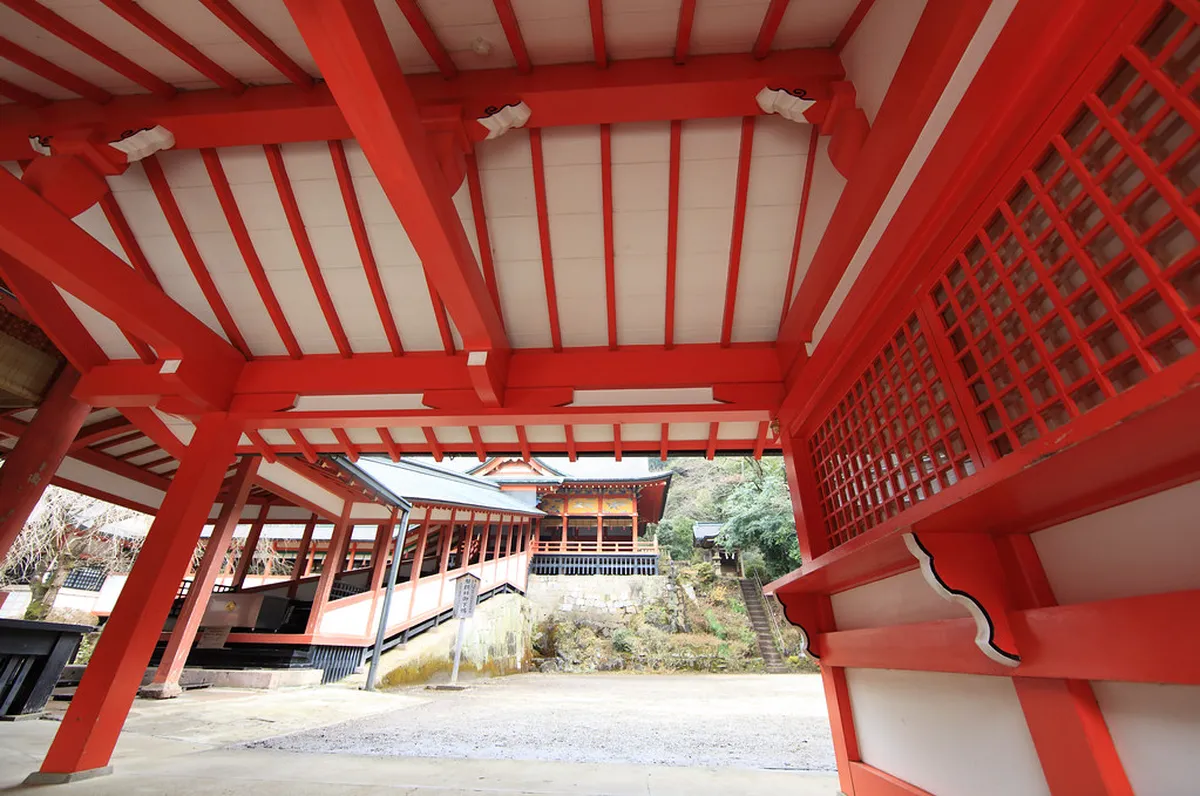
Kirishima Jingu Shrine is one of the oldest and most respected Shinto sites in Japan. The shrine was originally built in the 6th century on the slopes of Mount Takachiho. Volcanic eruptions destroyed the original buildings several times over the centuries, so the current shrine stands at a more stable location below the old sacred site. This distinction matters when planning, because Takachihogawara is a separate stop rather than another courtyard of the present shrine.
The powerful Shimazu family rebuilt the main hall in 1715 using traditional methods. This family ruled the Satsuma Domain and protected the shrine for many generations. Their influence helped the shrine become a center for local culture and religious practice. In 2026, the site remains a focal point for traditional festivals, first shrine visits, and seasonal celebrations.
The shrine grounds are divided into several levels connected by stone paths. Each level offers a different view of the surrounding mountain landscape. You will notice a distinct change in atmosphere as you move toward the inner sanctuary. This layout reflects the hierarchical nature of Shinto worship and spiritual progression, but it also means visitors should expect slopes, steps, and uneven surfaces.
National Treasure Buildings and Architectural Highlights
The Japanese government designated the main buildings as National Treasures in February 2022. This high honor recognizes the exceptional quality of the lacquer, paintings, and wood carvings. The Honden, Heiden, and Haiden halls are the primary focus of this designation. Architects often call the site the 'Nikkō of the West' for its ornate beauty.
The dragon pillars in the inner sanctuary are a major highlight for art lovers. These pillars display unique 'A-un' spiritual expressions on the dragon faces. One dragon has an open mouth to represent the beginning of life. The second dragon has a closed mouth to symbolize the end of all things. Pause after worship and look carefully from the permitted viewing area rather than rushing straight back down the steps.
The vermilion lacquer gives the entire complex a bright and holy glow. Intricate carvings of birds and flowers decorate the wooden beams above the entrance. These details showcase the peak of Edo-period craftsmanship and artistic vision. Photographers will find endless inspiration in the contrast between the red buildings and green forest, especially from the approach where exterior photography is allowed.
The Legend of the Heavenly Grandson (Tenson Korin)
The shrine is dedicated to Ninigi-no-Mikoto, the grandson of the sun goddess Amaterasu. According to legend, he descended from heaven to the peak of Mount Takachiho-no-mine. This event is known as 'Tenson Korin' and marks the start of the imperial lineage. The shrine serves as a physical link to these foundational myths of Japan.
Ninigi-no-Mikoto brought three sacred treasures to help him rule the land. These items included a mirror, a sword, and a curved jewel. The shrine preserves the spiritual essence of this divine mission for modern visitors. Walking the grounds feels like stepping back into the age of the gods.
Many local festivals reenact these legends with traditional music and dance. The 'Kirishima Kumen Taiko' drum performance is a particularly powerful cultural experience. Dancers wear masks representing the nine gods who guided Ninigi-no-Mikoto. This performance connects the ancient past with the living culture of Kagoshima.
There is no entrance fee to visit Kirishima Jingu Shrine or explore its main grounds. The shrine office handling charms, goshuin stamps, and prayer bookings is open 08:00–17:00 daily. A Goshuin stamp costs around ¥500 and requires your own Goshuin-cho book.
The Ryoma Sakamoto Connection: Japan's Honeymoon Spot
Ryoma Sakamoto visited this shrine in 1866 with his wife, Oryo. Historians consider this trip to be the first recorded honeymoon in Japanese history. The couple came here to recover after Ryoma survived an assassination attempt. They found peace and healing in the quiet forests and hot springs.
You can still see a large panel depicting the couple on the shrine grounds. Many modern couples follow their path to pray for a long and happy marriage. The connection to this famous samurai adds a layer of romantic history to the site. Visit the Sengan-en Garden to learn more about the era of Ryoma Sakamoto.
The path they walked is now a popular trail for hikers and history buffs. It leads through some of the most scenic parts of the Kirishima area. Couples often take photos near the sacred cedar tree to commemorate their visit. This historical link makes the shrine a unique destination for both history and romance.
Essential Visitor Tips: Etiquette and Worship
Proper etiquette is essential when visiting such a sacred and historical site. Start by bowing slightly at the large stone torii gate at the entrance. Walk on the sides of the path, as the center is reserved for the gods. Cleanse your hands and mouth at the purification fountain before approaching the main hall.
- Do not photograph the inner worship hall, prayer rituals, or areas marked with no-photo signs.
- Keep voices low around people praying, weddings, or priest-led ceremonies.
- Use the side of the approach when stopping for photos so you do not block worshippers.
- Bring shoes with grip after rain, because the stone paths and stairs can become slick.
Consider purchasing a Goshuin stamp as a meaningful souvenir of your visit. These stamps are hand-written by shrine staff in beautiful calligraphy. You will need a special Goshuin-cho book to receive these sacred markings. The office near the main hall provides these services for a small fee.
Avoid January 1–3 for casual sightseeing: hatsumode New Year crowds fill roads and parking areas. The narrow stone paths and stairs also become slick after rain — bring shoes with good grip year-round.
Best Time to Visit: Seasons and Crowds
Spring is a magnificent time to visit when the cherry blossoms are in bloom. The pink flowers create a stunning contrast with the bright red shrine buildings. Late March to early April usually offers the best viewing opportunities. The weather is typically mild and perfect for exploring the outdoor paths.
Autumn brings a different kind of beauty as the maple trees turn vibrant colors. The peak for autumn foliage usually occurs in mid to late November. Cooler temperatures make the hike up the stone steps much more comfortable. Many visitors prefer this season for the clear views of the surrounding mountains.
Visiting early in the morning helps you avoid the largest tour groups. The shrine is often shrouded in mist at dawn, creating a mystical atmosphere. Weekdays are generally quieter than weekends and public holidays. Avoid treating January 1 to 3 like a normal sightseeing day; hatsumode crowds can fill roads and parking areas. Winter can also be peaceful, though you should check for occasional snow or icy patches on the paths.
Access and Practical Information: Kirishima Jingu Shrine Visitor Guide
Reaching Kirishima Jingu Shrine requires some planning due to its mountain location. The standard public-transport route is a JR train to Kirishima Jingu Station, followed by a local bus or taxi to the shrine entrance. Check the return trip before you leave the station, because the last leg is the part most likely to disrupt a tight itinerary. Visit the Official Kirishima Jingu Website for the most current bus schedules.
Rental cars offer the most flexibility for exploring the wider Kirishima area. The drive from Kagoshima Airport takes approximately 40 to 50 minutes, while Kagoshima City is usually a longer mountain approach. Driving allows you to visit nearby waterfalls, viewpoints, and Takachihogawara at your own pace. Most visitors find that a car saves significant time compared to public transport.
The shrine grounds are open throughout the year with no entrance fee. Parking is available for free in several large lots near the main entrance. Public restrooms and a small shop are located near the primary parking area. Plan to spend at least one to two hours exploring the full complex, and add extra time if you move slowly on stairs or want to continue to the old shrine site.
| Route | Typical travel time | Best for |
|---|---|---|
| JR from Kagoshima-Chuo plus bus or taxi | About 50 to 90 minutes by train, then about 15 minutes from Kirishima Jingu Station | Travelers without a car who can match the bus timetable |
| Rental car from Kagoshima Airport | About 40 to 50 minutes | Fastest approach for flights, families, and mobility-sensitive visitors |
| Rental car from Kagoshima City | About 70 to 90 minutes | Visitors combining the shrine with other Kagoshima attractions |
Accessibility is mixed. The parking area and lower approach are manageable for many visitors, but the main shrine area includes stone steps, slopes, and uneven surfaces. Travelers using wheelchairs, canes, or strollers should allow extra time, avoid wet-weather rushes, and confirm current barrier-free guidance before visiting.
Nature and Scenery: Blossoms and Hot Springs
A massive sacred cedar tree stands as a focal point near the entrance. This tree is estimated to be 800 years old and reaches 35 meters high. It has survived countless volcanic eruptions and storms over the centuries. Many people believe the tree holds a protective spirit for the shrine.
The Mitarai River is one of the Seven Wonders of Kirishima found nearby. This river is known for seasonal flow that appears after the warmer months begin and disappears again in the colder part of the year. The Ryodo River, another local wonder close to Mitarai, is famous for briefly flowing, stopping, and flowing again around early summer. These phenomena are easy to miss, so treat them as seasonal side stops rather than guaranteed sights. Read the Kirishima-Kinkowan National Park Official Info for more nature details.
The surrounding forest is part of a protected national park area. Hikers can find several trails that lead to volcanic craters and high peaks. The mix of volcanic soil and heavy rain creates a lush green environment. Nature lovers will appreciate the diverse plant life and frequent bird sightings.
Nearby Attractions in the Kirishima Area
After visiting the shrine, relax in the famous hot springs of Kirishima Onsen. Many local baths offer stunning views of the Sakurajima volcano in the distance. The sulfuric waters are known for their healing properties and skin benefits. Check the Kirishima Onsen Guide to find the best local bath houses.
Takachihogawara is the site where the shrine originally stood before moving. It remains a sacred spot and serves as the trailhead for climbing Mount Takachiho. The old shrine area has a large torii and stone altar rather than the vermilion buildings of the current shrine, so do not set your map there by mistake if you are trying to reach the main Kirishima Jingu complex. This location provides a raw and powerful connection to the volcanic landscape.
Combine your trip with a visit to the Shiroyama Observatory for city views. You can also explore the Tenmonkan district for local food and shopping. If you have extra time, the Ibusuki sand baths offer a unique relaxation experience. These spots help complete a comprehensive tour of the Kagoshima region.
Frequently Asked Questions
What is the best time of year to visit Kirishima Jingu?
The best time to visit is during spring for cherry blossoms or autumn for vibrant foliage. Late March and mid-November offer the most beautiful scenery. These seasons also provide the most comfortable weather for walking the extensive shrine grounds and nearby mountain trails.
How do I get to Kirishima Jingu from Kagoshima City?
Take a JR limited express train from Kagoshima-Chuo Station to Kirishima Jingu Station, which takes about 50 minutes. From there, board a local bus for a 15-minute ride to the shrine. Alternatively, a rental car offers a more direct 90-minute drive through scenic mountain roads.
Is there an entrance fee for Kirishima Jingu Shrine?
There is no entrance fee to visit Kirishima Jingu Shrine or explore its main grounds. The site is open to the public for free throughout the year. You may choose to pay a small fee for Goshuin stamps or to purchase protective amulets at the shrine office.
Why is Kirishima Jingu called the Nikkō of the West?
The shrine earned this nickname due to its highly decorative architecture and bright vermilion lacquer. Like the famous shrines in Nikkō, it features intricate wood carvings and gold leaf details. This style is quite rare and distinguished among the shrines of western Japan.
Can you take photos at Kirishima Jingu?
You can take photos of the exterior buildings, the torii gates, and the natural scenery. However, photography is strictly forbidden inside the inner worship halls and during certain religious ceremonies. Always look for signs and be respectful of the spiritual nature of the site.
Kirishima Jingu Shrine is a must-visit destination for anyone traveling through southern Kyushu. Its blend of deep mythology, National Treasure architecture, and natural beauty is truly unique. Whether you seek spiritual peace or historical insight, this site offers something for every traveler.
Discover the best of Kagoshima travel by adding this shrine to your itinerary. The memories of the vermilion halls and ancient cedars will stay with you long after you leave. Plan your visit today to experience the timeless energy of this sacred mountain sanctuary.
For more Kagoshima trip planning, see our Kagoshima itinerary, Kagoshima attractions guide, Kagoshima festival calendar.
Official information & further reading: Kirishima Jingu Shrine on Wikipedia · japan-guide.com reference.