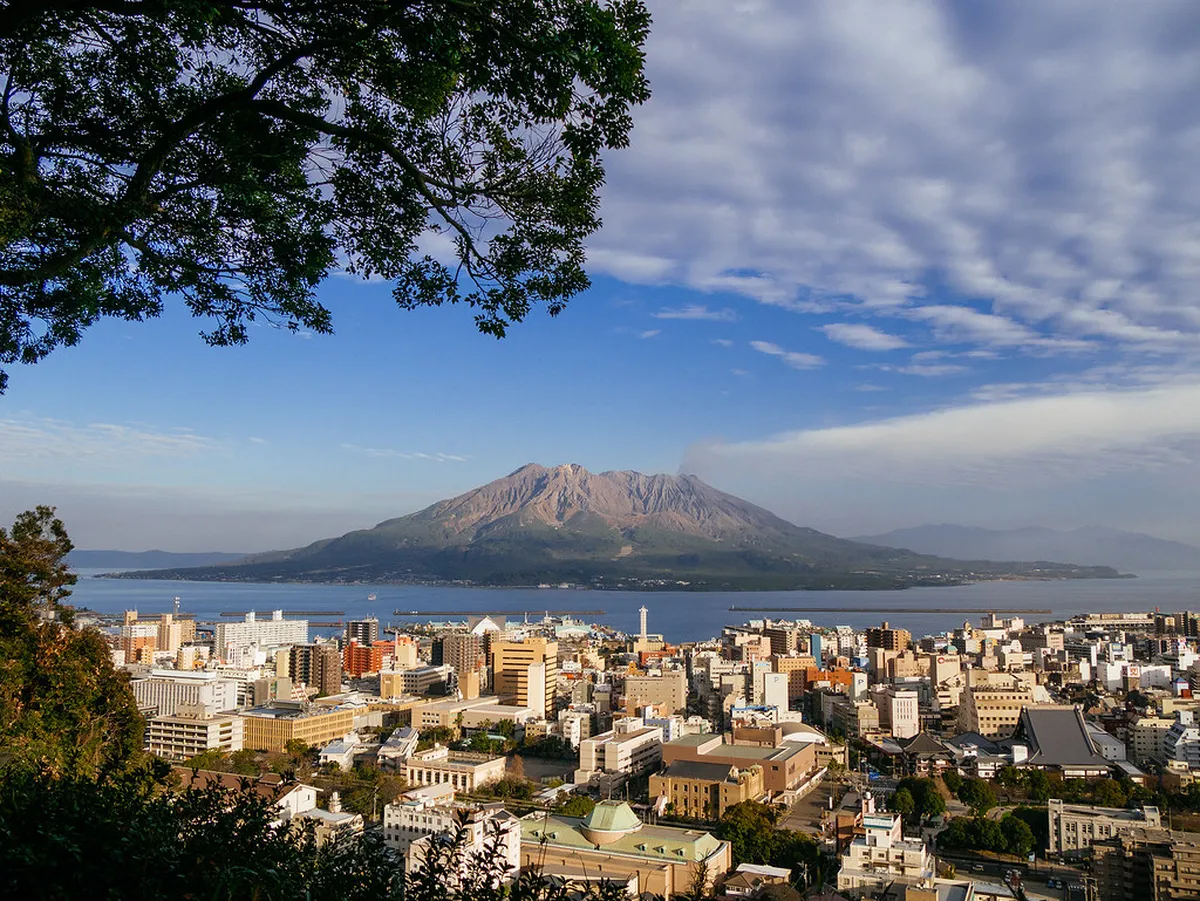
Shiroyama Observatory offers the most famous view in Kagoshima. You can see the active Sakurajima volcano across Kinko Bay, with the city, ferry route, and volcanic plume all in one frame. This spot is a highlight for any Kagoshima itinerary because it combines natural beauty with deep historical roots.
The park is also one of the easiest short stops in central Kagoshima. Travelers come for photos, Satsuma Rebellion history, shaded walking paths, and a quick break from the city below. This 2026 Shiroyama Observatory visitor guide focuses on practical choices: when to go, how to get there, what to avoid, and how to pair the viewpoint with nearby attractions.
Must-See Shiroyama Attractions
The main attraction is the Shiroyama Park Observation Deck itself. It stands 107 meters above sea level, high enough to frame downtown Kagoshima, Kinko Bay, and Sakurajima without needing a long mountain trip. On clear days, you can watch the volcanic smoke drift above the bay while ferries cross below.
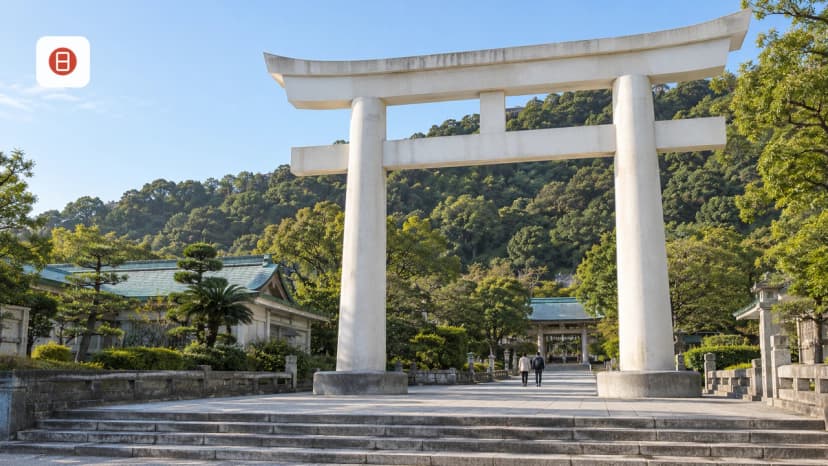
History buffs should look for Saigo Cave and the nearby Satsuma Rebellion markers before or after the viewpoint. This was the final battleground of Saigo Takamori and his followers in 1877, so the stop works best when you treat it as both a panorama and a historical site. The small markers, stone steps, and old military traces are easy to miss if you only walk straight to the railing.
Nature trails wind through the park around the deck. These paths feature camphor trees, ferns, and dense subtropical greenery that make the hill feel quieter than the city below. Walking here feels like stepping into a cool forest, especially in the morning or after rain.
Essential Visitor Information: Hours, Fees, and Facilities
Visiting the observatory is convenient for any traveler. The park remains open 24 hours a day. You can enjoy the views at sunrise or late at night. Check the Official City Park Page for any temporary closures.
There is no entrance fee to access the observation deck. This makes it one of the best free activities in the city. You only need to pay for transport or parking. Budget-conscious travelers will appreciate this accessible landmark.
Facilities at the site include public restrooms, vending machines, and a small souvenir shop. You can buy local snacks and themed volcanic ash crafts, but do not count on full meal options at the summit. Most shops close by late afternoon, so bring water if you plan to stay for sunset or night views.
How to Get to Shiroyama Observatory: Access and Parking
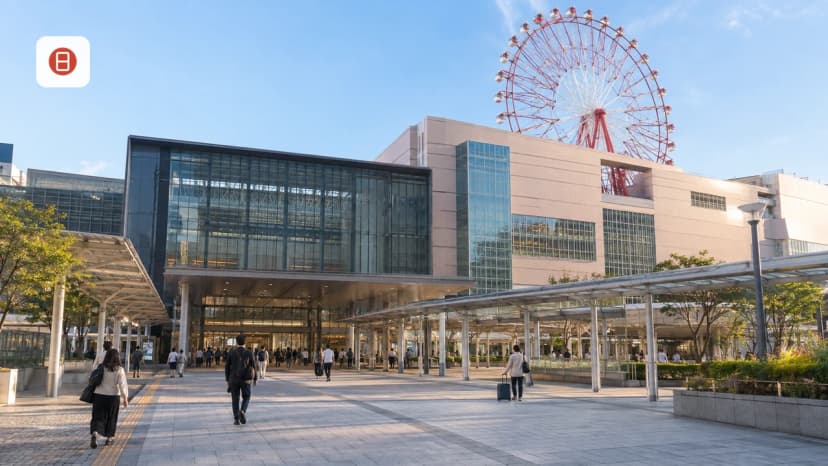
Reaching the deck is easy via the Kagoshima City View Bus. This loop bus stops at Shiroyama and is the simplest choice for first-time visitors. From Kagoshima-Chuo Station, allow extra time for the sightseeing loop and any waiting time rather than planning the stop like a direct commuter ride.
Active travelers might prefer the nature trail walk. The climb from the Terukuni Shrine and Saigo Takamori statue area takes about 20 to 30 minutes, depending on pace and photo stops. It is steep in places but rewarding because you pass historical markers before reaching the view.
Driving is another option if you have a rental car. There is a free parking lot near the summit. Spaces can fill up quickly during holiday weekends, cherry blossom season, and clear sunset evenings. Use this Google Maps Location to navigate easily.
| Option | Cost | Typical Time | Effort | Best For |
|---|---|---|---|---|
| Kagoshima City View Bus | 190 yen per ride | 15 minutes from central stops; longer from Kagoshima-Chuo on the loop | Very low | General tourists and first-time visitors |
| Nature Trail Hiking | Free | 20-30 minutes | Moderate to high | Active travelers and history fans |
| Taxi or Private Car | Varies by distance | 10 minutes | Lowest | Families, night views, and limited-mobility visitors |
Shiroyama Observatory is free to visit and open 24 hours a day, year-round. Winter mornings and clear autumn days typically offer the sharpest views of Sakurajima across Kinko Bay.
Best Time to Visit for Sakurajima Views
Early morning offers the clearest air for photography. Winter mornings are especially crisp, and visibility is often better than on humid summer afternoons. If Sakurajima is your priority, check cloud cover and ash conditions before climbing the hill.
Sunset provides a different but equally strong experience. The sky turns orange and pink over the bay, then the city lights begin to appear below the volcano. Arrive 30 minutes before sunset so you can claim a railing spot before the busiest photo window.
Photography enthusiasts should aim for the 20-30 minute window after sunset. The volcanic plume can catch the last pink light while the city lights start to glow, which is the scene many competitors and local photographers highlight. Bring a tripod if you plan to shoot long exposures, and be considerate of the narrow viewing area when it gets crowded.
- Photography Gear Checklist
- Lens: Wide-angle for landscapes
- Tripod: For low-light shots
- Filter: Circular polarizer for haze
- Batteries: Spares for long exposures
- Cloth: Useful if volcanic ash or sea haze settles on the lens
Museums, Art, and Culture in Shiroyama
The area is a living museum of the Satsuma Rebellion. You can find monuments dedicated to the fallen soldiers and signs explaining why the hill mattered in Japan's shift toward the modern era. The history is compact, but it gives the viewpoint more weight than a simple photo stop.
The Reimeikan Museum sits at the base of the hill. It focuses on the history and culture of Kagoshima prefecture, including the Shimadzu clan and the region's role in Japan's modernization. It is a strong companion visit if you want more context before walking up Shiroyama.
Local art is often inspired by the view of Sakurajima. You might see painters capturing the scenery near the deck, especially during comfortable seasons. The gift shop sells prints, postcards, and small local items that work better as souvenirs than bulky purchases before a walking route.
Parks, Gardens, and Outdoor Spots in Shiroyama
Shiroyama Park is more than just a viewpoint. It serves as a vital green lung for the city, with thick forest, bird sounds, and shaded paths above the urban center. The official tourism materials note the 2-km Shiroyama Natural Trail and its mix of temperate and subtropical plants.
The nature trails are well-maintained, but they are not flat. Expect steps, slopes, damp leaves after rain, and uneven patches near older stone sections. For stroller users, wheelchair users, or anyone avoiding steep climbs, the bus, taxi, or car approach to the upper area is the more practical choice.
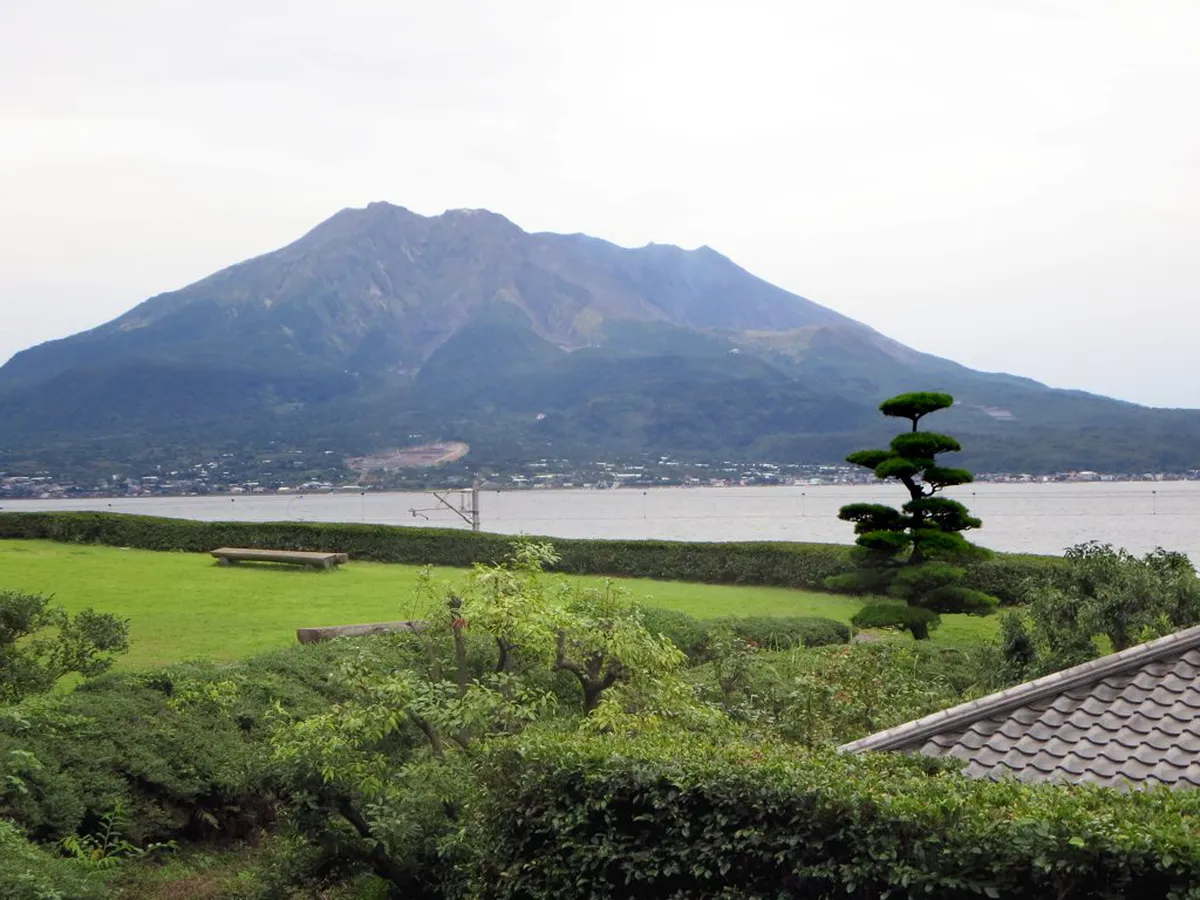
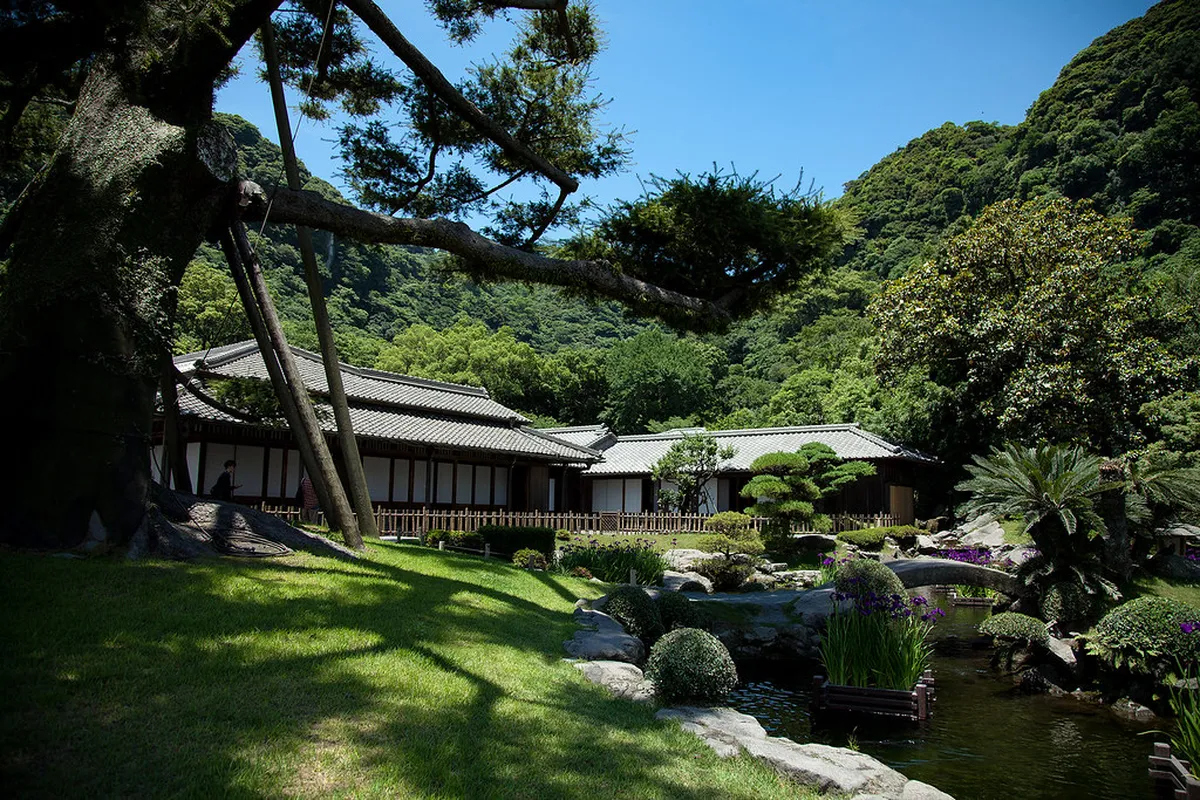
Nearby, you can visit the Sengan-en garden for more greenery. It features a different perspective of the volcano, with a broader garden setting rather than a city overlook. Combining both spots gives you a full outdoor experience without leaving Kagoshima city.
The nature trail from the base of the hill includes steep and uneven stone sections that can become slippery after rain. Wear shoes with grip, and avoid the hillside walking route if using a stroller or wheelchair — use the City View Bus or taxi to reach the upper area instead.
Family-Friendly and Budget-Friendly Options in Shiroyama
Families will enjoy the wide open spaces of the park. Children can explore the safer upper area under supervision, and the lack of an entry fee is a big plus for large groups. For most families, the easiest plan is to ride up, enjoy the deck, then decide whether the walking trail suits everyone's energy level.
Picnic benches are available near the parking area. You can bring lunch from the Tenmonkan district and eat with a view. This saves money compared to dining at expensive restaurants, but always take your trash back with you because bins can be limited.
Exploring the historical caves is an adventure for older children. It brings history lessons to life in a tangible way. Parents with strollers should avoid assuming the full hillside route is stroller-friendly; use the upper access point first, then walk only the flatter sections near the deck.
How to Plan a Smooth Shiroyama Attractions Day
Start your day early to beat the tour bus crowds. Most large groups arrive after 10:00 AM, while sunset draws photographers and locals on clear evenings. Plan 45 to 60 minutes for a simple viewpoint visit, or 90 minutes if you include the nature trail and historical stops.
Consider booking Klook Tours & Tickets for a guided experience. A local guide can explain the Satsuma Rebellion route, point out markers that are easy to miss, and help connect Shiroyama with broader Kagoshima history. This adds value if you want more than a quick photo stop.
Common mistakes are arriving during a hazy summer afternoon, assuming sunset buses fit your return plan, and wearing sandals for the hillside route. Wear comfortable walking shoes even if you take the bus. Bring water in summer, a light layer in winter, and a small umbrella for sudden rain or harsh sun.
- Satsuma Rebellion Walking Route
- Start: Terukuni Shrine and the Saigo Takamori statue area
- Stop 1: Saigo Cave
- Stop 2: Satsuma Rebellion markers and old defensive traces along the hill route
- Stop 3: Final Stand Monument
- End: Shiroyama Observatory
Top Attractions Near Shiroyama Observatory
After your visit, take a ferry to see Sakurajima up close. The ferry terminal is a short bus or taxi ride from the Shiroyama area. You can walk on lava flows, visit footbaths, and understand the volcano you just photographed from above.
The Kagoshima Aquarium is another great nearby stop. It features marine life from local waters, and it fits well before or after the Sakurajima ferry depending on your route. Families can combine the aquarium, ferry terminal, and Shiroyama into a compact day without crossing the city too many times.
For shopping and dining, head back down to the city center. The Tenmonkan area has local specialties like black pork dishes, ramen, sweets, and easy cafe breaks. It is the most convenient place to end the day after sunset photos.
Kagoshima Weather and Itinerary Planning Tips
Kagoshima has a subtropical climate with warm winters. Summer can be very hot and humid with frequent rain, which often softens long-distance views across the bay. Check the forecast for volcanic ash reports before you go because ash can affect visibility, comfort, and camera gear.
Include the observatory in a broader Kagoshima city tour. It pairs well with historical sites, the ferry terminal, local gardens, and dinner in Tenmonkan. Plan for at least two days if you want to add Sakurajima and Sengan-en without rushing.
Spring and autumn offer the most comfortable temperatures for walking. The cherry blossoms in spring add extra beauty to the park, while fall brings clearer air and cooler trails. Winter is often the best season for crisp Sakurajima visibility, especially in the morning.
Frequently Asked Questions
What is the best time of day to visit Shiroyama Observatory?
The best time to visit is early morning or late afternoon. Morning offers the clearest air for seeing Sakurajima, while sunset provides stunning colors. For photography, wait for the blue hour just after the sun goes down.
How do I get to Shiroyama Observatory from Kagoshima-Chuo Station?
You can take the Kagoshima City View Bus from the station. It is a convenient loop bus that stops directly at the park. The ride takes about 15 minutes and is very affordable for travelers.
Is there an entrance fee for Shiroyama Park?
No, there is no entrance fee for Shiroyama Park or the observation deck. It is a free public space open 24 hours a day. This makes it an excellent budget-friendly option in Kagoshima.
How long does it take to walk up to the Shiroyama Observation Deck?
The walk takes approximately 20 to 30 minutes from the base of the hill. It is a steep but paved nature trail through the forest. Most visitors find the hike rewarding due to the historical markers along the path.
What is the historical significance of Shiroyama Park?
Shiroyama Park was the site of the final battle of the Satsuma Rebellion in 1877. It is where the famous samurai Saigo Takamori made his last stand. The park contains several monuments and caves related to this event.
Shiroyama Observatory is a must-see for anyone visiting southern Japan. It offers a rare mix of free access, easy transport, forest trails, Satsuma Rebellion history, and Kagoshima's signature view of Sakurajima. Visit early for clarity, return near sunset for atmosphere, and leave enough time to notice the historical markers beyond the railing.
For more Kagoshima trip planning, see our Kagoshima itinerary, Kagoshima attractions guide, Shiroyama hotel guide.
Official information & further reading: Shiroyama Observatory official site · Shiroyama Observatory on Wikipedia · japan-guide.com reference.