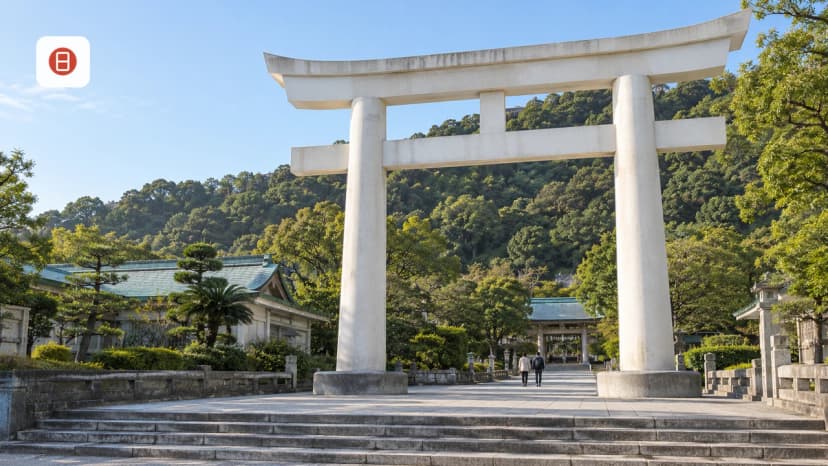
Sengan-en is the Shimazu clan's seaside estate on the north side of Kagoshima city, built in 1658 with Sakurajima and Kinko Bay framed as part of the garden itself. It works best as a half-day attraction rather than a quick photo stop because the garden, Goten residence, museum, shops, and food stalls sit across a broad coastal site.
For 2026 planning, the main decision is how much context you want: a simple garden walk is easy, but the Shoko Shuseikan Museum and the Goten tour explain why this place matters to samurai history and Japan's early industrialization. Arrive with bus times, volcano visibility, and ash conditions in mind so you do not lose the best views to avoidable timing mistakes.
What is Sengan-en? (History & UNESCO Status)
The estate served as the home of the powerful Shimazu family for over 250 years. These daimyo lords ruled the Satsuma domain and helped connect Kyushu with trade, diplomacy, military reform, and later modernization. The garden still reads as a lordly residence rather than a standalone park, with ceremonial spaces, family history, and crafted viewpoints built into the route.
In 2015, the site gained recognition from the UNESCO World Heritage Centre as part of the Sites of Japan's Meiji Industrial Revolution. The UNESCO story is centered on the adjacent Shoko Shuseikan industrial complex and museum, not only the ornamental garden, so history-focused visitors should allow time for both areas.
The garden design uses a technique known as borrowed scenery. Instead of building a central hill, the designers used Sakurajima as a natural focal point and Kinko Bay as the implied garden pond. This is the view that makes Sengan-en different from most famous Japanese gardens, and it is also why cloudy or ashy days can change the visit dramatically.
Pro Tip: Visit the Shoko Shuseikan Museum first if you care about UNESCO context, then walk the garden with the industrial history fresh in mind.
Top Things to See at Sengan-en Garden
The garden features paths through lawns, ponds, shrines, stonework, and forested slopes. Keep an eye out for the large stone lanterns, including the famous gas-lamp stone lantern that points to the Shimazu interest in new technology. These details help connect the garden walk with the museum's modernization story.
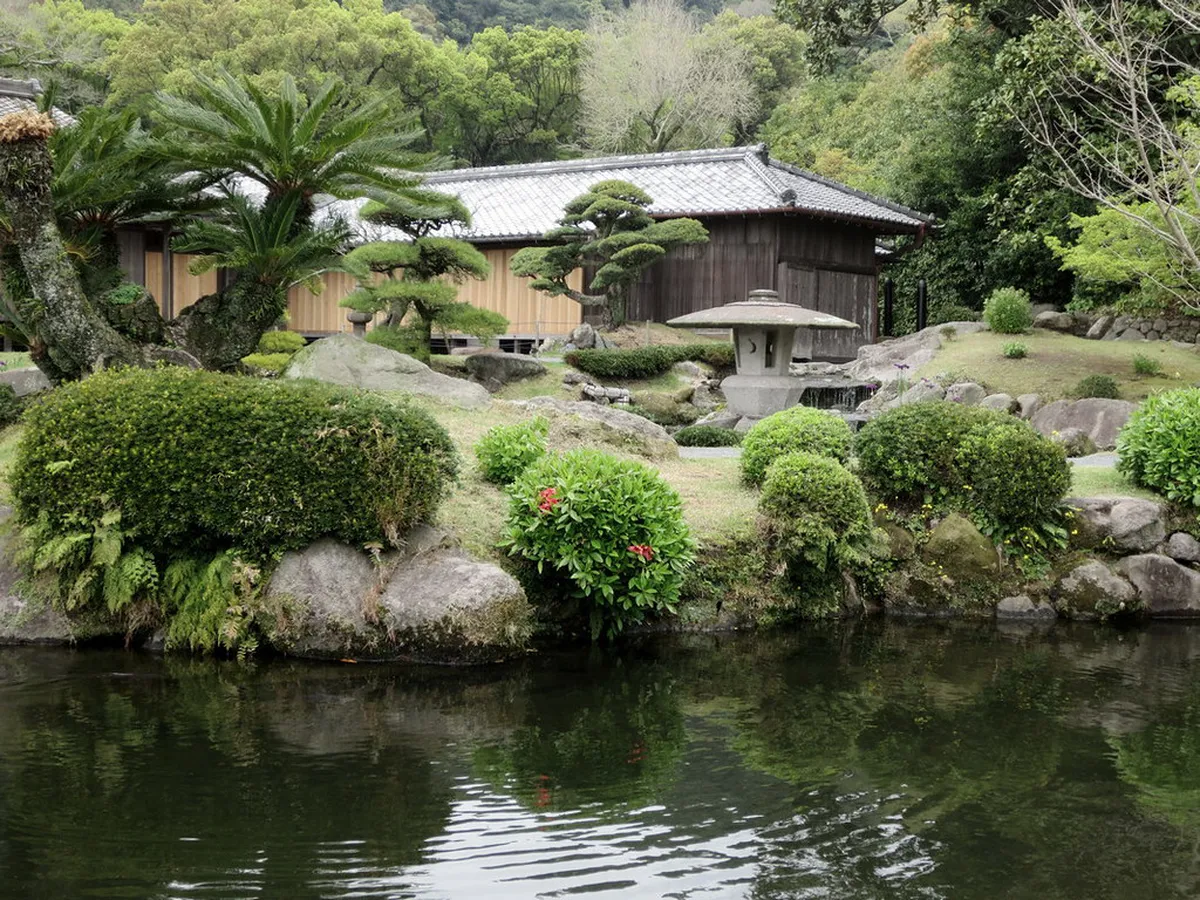
Animal lovers should not miss the Cat Shrine located within the garden grounds. Legend says the 17th-century lords brought cats to Korea to tell time by their pupils. Today, the shrine honors these feline companions with small wooden plaques called ema. It is a memorable short stop, especially for families.
The koi ponds and seasonal plantings are the easiest places to slow down. Early spring can bring cherry blossoms, summer is lush and humid, autumn is best for color, and November often has chrysanthemum displays. Check the Sengan-en Official Site for current flower and event updates before locking your date.
Pro Tip: Start with the main Sakurajima viewpoint, then explore the smaller shrines and ponds after tour groups move on.
The Shimazu Family Residence (Goten)
The Goten is the residence where the Shimazu family received guests and looked out toward Sakurajima from carefully arranged rooms. The interior shows the estate's status through woodwork, painted sliding doors, tatami rooms, and garden-facing viewpoints. It is the part of Sengan-en that most clearly connects scenery with political power.
You can participate in a traditional matcha tea experience inside the residence when available. The pause works well after the outdoor garden loop because it lets you sit, look back across the bay, and notice how the house frames the landscape. Availability can vary, so treat it as a bonus rather than the only reason to book the residence tour.
Entry to the Goten requires a guided tour fee in addition to standard admission. In 2026, standard admission is ¥1,600 for adults and ¥800 for children aged 6-15, covering both the garden and the Shoko Shuseikan Museum. A guided tour of the Goten costs an additional ¥500 and requires advance booking.
Pro Tip: Reserve the Goten tour ahead if the residence is a priority; same-day availability is the common weak point in otherwise simple Sengan-en planning.
Standard admission in 2026 is ¥1,600 for adults and ¥800 for children aged 6–15, covering both the garden and the Shoko Shuseikan Museum. A guided tour of the Goten (Shimazu family residence) costs an additional ¥500 and requires advance booking.
How to Get to Sengan-en: Access & Admission
Reaching the garden from central Kagoshima is straightforward, but the best option depends on your schedule. The City View Bus is the easiest sightseeing route because it stops by Sengan-en and links other city attractions. Taxis are faster for couples or small groups, while a rental car makes more sense if you are continuing to Chiran, Ibusuki, or rural food and craft stops.
Sengan-en is open 09:00-17:00 daily, open year-round. Most visitors spend two to three hours for the garden and museum, or closer to four hours with the Goten tour, lunch, and shopping. Early morning gives you calmer paths and a better chance of clear Sakurajima views before haze or ash reduces visibility.
Accessibility is mixed. Main paths are manageable for many visitors, but some garden areas include slopes, stone surfaces, gravel, and steps, and the residence experience may be difficult for travelers who cannot remove shoes or sit comfortably on tatami. Build in rest time if you are traveling with children, older relatives, or anyone with limited mobility.
Pro Tip: Use the 'CUTE' 1-day pass if Sengan-en is part of a bus-and-ferry day that also includes central Kagoshima and Sakurajima.
- City View Bus Option
- Cost: 190 yen per ride
- Time: 30 minutes from station
- Frequency: Every 30 minutes
- Best for: Budget travelers and first-time visitors
- Taxi Transport Choice
- Cost: 1,500 to 2,000 yen
- Time: 15 minutes from station
- Frequency: Available on demand
- Best for: Small groups, tight schedules, and hot or rainy days
- Rental Car Access
- Cost: Varies by provider
- Time: 15 minutes from station
- Parking: 300 yen flat fee
- Best for: Regional explorers continuing beyond Kagoshima city
- Cruise Shore Excursion Choice
- DIY: Cheaper by taxi or bus, but you must watch return timing carefully
- Guided tour: More expensive, but reduces transfer risk and adds context
- Best for: Cruise passengers who need a firm return buffer
Volcanic ash from Sakurajima is part of daily life in Kagoshima. On ashy days, carry sunglasses, keep camera lenses covered between shots, and avoid rubbing your eyes. The ash can reduce the borrowed-scenery view of the volcano, so check conditions before your visit.
| Transport option | Cost | Time from Kagoshima-Chuo | Best for |
|---|---|---|---|
| City View Bus | ¥190 per ride | ~30 minutes | Budget travelers, first-time visitors |
| Taxi | ¥1,500–¥2,000 | ~15 minutes | Small groups, tight schedules, rainy days |
| Rental car | Varies (parking ¥300 flat) | ~15 minutes | Regional explorers continuing beyond Kagoshima city |
Sakurajima Volcano: The Ultimate Backdrop
The presence of Sakurajima defines the visual identity of Sengan-en. This active volcano sits just across Kinko Bay and frequently sends small plumes into the sky. The classic photo is not just the garden; it is the layered view of pines, water, and volcano from inside a former daimyo estate.
Volcanic ash is part of daily life in Kagoshima. Carry sunglasses or a light eye covering on windy days, avoid rubbing your eyes if ash starts falling, and keep camera lenses covered between shots. The garden paths are maintained, but benches, railings, and stone surfaces may still feel dusty after recent ashfall.
After visiting the garden, many people take the ferry to the volcano itself. The ferry terminal is a short bus ride away from the garden entrance, and the crossing takes about fifteen minutes. If visibility is poor from Sengan-en, consider switching the order of your day and saving the ferry or observatory for a clearer window.
Pro Tip: Check Sakurajima visibility before committing to a photo-heavy itinerary; Sengan-en is still worthwhile in haze, but the borrowed-scenery effect is strongest on clear mornings.
Artisan Amber Rice Vinegar & Local Flavors
Kagoshima is famous for amber rice vinegar, known locally as kurozu. The Sakamoto brewery tradition uses a jar fermentation method called kaku-ida, with ceramic jars aging outdoors in the sun and sea air. It is a useful side theme for travelers who want the food culture around Sengan-en, not only the garden itself.
The restaurants within Sengan-en serve dishes that fit the local profile: black pork, seafood, vegetables, sweets, and vinegar-balanced flavors. If you are planning lunch here, eat before the late-afternoon rush and leave enough time for the museum afterward. Food service and shop hours can feel shorter than the garden hours on quiet days.
Do not leave without trying Jambo Mochi from the garden stalls. These grilled rice cakes come on two bamboo skewers with a sweet soy glaze. The name is linked to the two swords carried by samurai, which makes the snack a small but fitting Satsuma culture detail.
Pro Tip: Visit the Jambo Mochi stalls before your final shop loop so you are not rushing the one snack most closely associated with the estate.
Whisky Distilleries & Satsuma Ware Pottery
The Shimazu family legacy extends into modern spirits and crafts, but the distances matter. Mars Tsunuki Distillery is in the southern part of the prefecture, and Kanosuke Distillery is also outside the central Sengan-en area. Treat whisky stops as a separate itinerary layer rather than a casual add-on unless you have a car or a booked tour.
Satsuma Ware pottery is another cultural treasure with a 400-year history. The Chin Ju Kan lineage is strongly associated with this ceramic tradition, known for refined forms, creamy white glaze, and detailed decoration. Sengan-en's shops are useful for seeing the style before deciding whether to visit a specialist workshop.
Satsuma Kiriko cut glass is perhaps the most striking craft found on-site. The brilliant colors and deep cuts create a sharp play of light, and the Shimazu family helped revive the craft's prestige. Even travelers who are not shopping should spend a few minutes comparing the glasswork with the estate's broader modernization story.
Pro Tip: Use Sengan-en for craft orientation, then reserve distillery or pottery workshop visits for a second day if you want hands-on time.
Cultural Experiences: Oshima Silk & Samurai History
For a deeper immersion, look for Oshima Tsumugi silk experiences or displays connected with the garden. This traditional silk is known for detailed patterns and a dark, refined finish that photographs well against the greenery and bay views. Availability can change, so check the current experience menu before building your day around it.
The garden also offers chances to encounter samurai culture through exhibits, seasonal demonstrations, armor displays, and the residence setting. The Shimazu family was known for disciplined governance and military influence, but Sengan-en presents that history through domestic space and landscape rather than battlefield drama.
Many travelers compare this site to the Chiran Samurai District nearby. Sengan-en is grand, coastal, and connected to a ruling family; Chiran is quieter, residential, and focused on preserved samurai lanes and private gardens. Visiting both gives a fuller picture, but they are not interchangeable.
Pro Tip: If you have limited time, choose Sengan-en for Shimazu scale and Sakurajima views, and choose Chiran for a slower walk through samurai neighborhood design.
Ibusuki Sandbaths & Chiran Peace Museum
Kagoshima offers other signature attractions, but several sit far enough away that transit planning matters. The Ibusuki sand baths provide a geothermal spa experience where visitors lie under naturally heated sand. It pairs better with a south-coast day than with a rushed Sengan-en morning.
The Chiran Peace Museum is a more somber but important destination. It honors pilots from the final stages of World War II and displays letters, personal items, and aircraft-related materials. Combine it with Chiran's samurai district if you are already heading south by car.
For most travelers, Sengan-en, central Kagoshima, and Sakurajima make the cleanest one-day route. Add Ibusuki or Chiran when you have a second day or a rental car. Public buses are available, but frequency and transfers can turn a simple-looking route into a long day.
Pro Tip: Do not force Sengan-en, Sakurajima, Ibusuki, and Chiran into one day unless you are on a private tour with firm timings.
Popular Articles & Visitor Reviews
Most visitors rate Sengan-en highly when they give it enough time and understand that it is both a garden and a historical estate. Common complaints usually come from rushed itineraries, poor weather visibility, or skipping the museum and then missing the UNESCO context. Reading a Kagoshima guide can help you decide how much of the city to pair with the estate.
The Shiroyama Observatory is another top-rated spot for volcano views. It offers a higher perspective over the city skyline and the bay, while Sengan-en gives you the composed garden-and-volcano view from sea level. Visiting both works well because the City View sightseeing bus connects the main sightseeing loop.
If you enjoy museums, the Reimeikan Museum is located on the old castle grounds. It focuses on broader prefectural history and folk culture, making it a good rainy-day complement if Sengan-en's outdoor views are limited. The Kagoshima Aquarium is another practical indoor option for families.
Pro Tip: The most common mistake is treating Sengan-en as a one-hour garden stop; plan at least two to three hours so the museum, viewpoints, and food stops do not compete with each other.
Frequently Asked Questions
Is Sengan-en Worth Visiting?
Sengan-en is definitely worth visiting for its unique blend of samurai history and volcanic views. It is the only place where you can see a traditional garden that uses an active volcano as borrowed scenery. The UNESCO status and high-quality museum add significant value for history buffs.
How much time should you plan for a Sengan-en visit?
You should plan to spend at least two to three hours at Sengan-en. This allows enough time to walk the garden, tour the residence, and visit the industrial museum. If you plan to have lunch or participate in a tea ceremony, four hours is better.
What should travelers avoid when planning a Sengan-en visit?
Avoid visiting during the middle of the day if you want to skip large tour groups. Also, do not miss the Shoko Shuseikan Museum, as it is included in your ticket. Check the Kagoshima city guide for weather updates to ensure clear volcano views.
Which Sengan-en visitor guide options fit first-time visitors?
First-time visitors should choose the combined ticket that includes the garden and the Goten residence. Joining a guided tour of the house provides essential context that you might miss on your own. Using the City View Bus is the most convenient transport option for newcomers.
Sengan-en is one of Kagoshima's clearest introductions to the Shimazu family, Sakurajima, local crafts, and the region's modernization story. The estate is strongest when you treat the garden, museum, residence, and bay view as one connected attraction rather than separate checklist items.
For a smooth 2026 visit, check weather, ash conditions, bus timing, and Goten tour availability before you go. Keep the itinerary realistic, especially if you are adding Sakurajima or arriving from a cruise ship, and give yourself enough time to slow down at the viewpoints, museum exhibits, and local food stops.
For more Kagoshima trip planning, see our Kagoshima itinerary, Kagoshima attractions guide, Kagoshima culture guide.
Official information & further reading: Sengan-en on Wikipedia · japan-guide.com reference.