Visiting the Chiran Peace Museum offers a powerful look into the final months of World War II. This site serves as a somber memorial to the young pilots of the Special Attack Corps. It is located in the quiet town of Chiran within Kagoshima Prefecture. This 2026 chiran peace museum for kamikaze pilots visitor guide helps you plan a respectful, practical journey.
The museum honors 1,036 pilots who flew one-way missions during the Battle of Okinawa. Many travelers find the personal stories and letters here deeply moving and unforgettable. Understanding the history of this region is essential for any visitor to southern Japan.
While the museum focuses on a difficult era, its ultimate message is one of peace. You will find detailed exhibits that explain the daily lives of these young men, not just the military chronology. This guide covers transport logistics, etiquette, accessibility, and nearby stops from Kagoshima city.
Chiran Peace Museum for Kamikaze Pilots Visitor Guide
The Chiran Peace Museum is unique because it focuses specifically on the Imperial Japanese Army (IJA) pilots. Many visitors confuse this site with the Kanoya Air Base Museum, which covers Imperial Japanese Navy history. Chiran served as a major departure point for the Army's Special Attack Units during 1945. This distinction is vital for understanding why the two Kagoshima museums tell related but different stories.
Historical context helps explain why this small town became a focal point for the Battle of Okinawa. The airbase was chosen for its strategic location at the southern tip of Kyushu. Pilots trained here briefly before taking off on their final flights toward the sea. Most of these missions occurred between March and July of 1945.
The museum avoids a simple military-hardware narrative and instead focuses on the human tragedy of the conflict. It provides a space for reflection on the lives lost and the families left behind. Visitors can see how the war impacted the local community and the young men stationed here. Compared with more martial WWII displays elsewhere in Japan, Chiran's tone is quieter and more centered on testimony.
Navigating the complex history of the Kamikaze legacy requires an open mind and a quiet spirit. The exhibits walk you through the timeline of the Special Attack Corps from its inception to the end of the war. You will learn about the social pressures and military orders that shaped these events. This context is essential for any visitor using this guide.
Essential Exhibits and the Tragic Boy Pilot Narrative
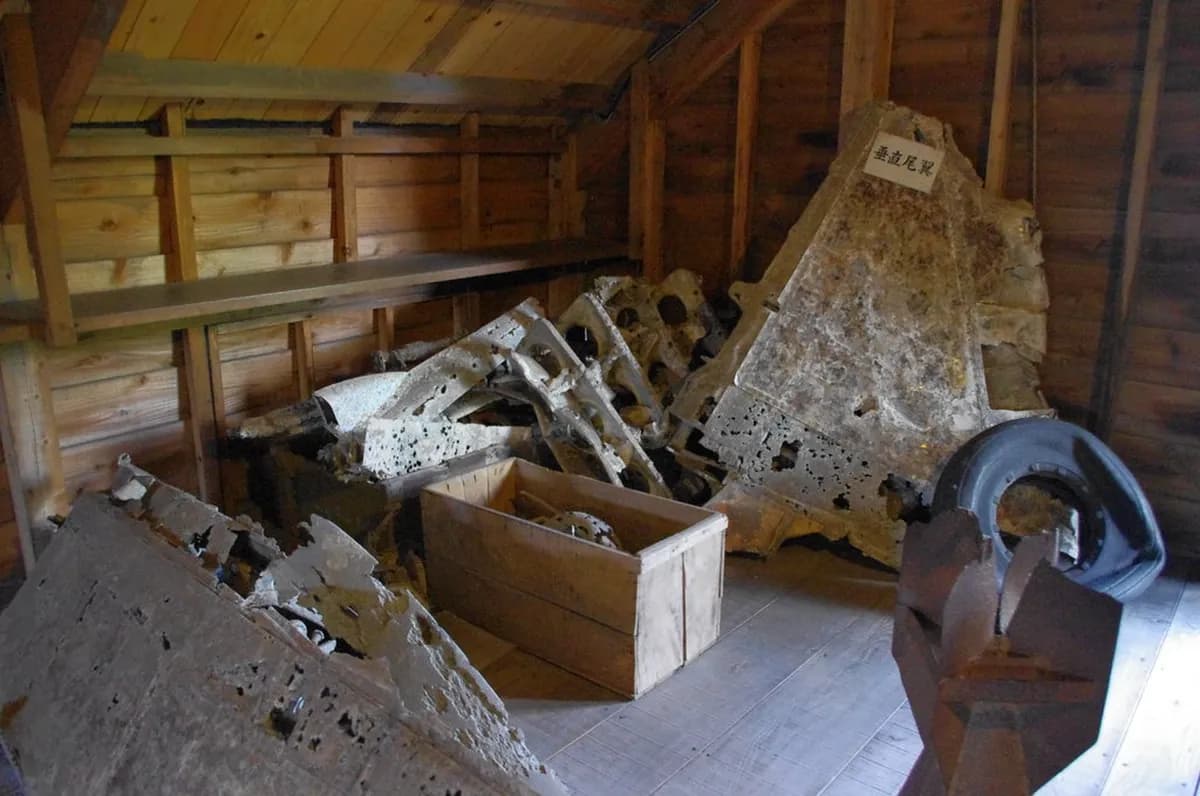
One of the most striking exhibits is the Nakajima Ki-43 Hayabusa, a fighter plane recovered from the ocean. This aircraft serves as a silent witness to the technological and human costs of the war. Seeing the rusted remains of the plane provides a visceral connection to the past. It is one of the few surviving examples of its kind in the world.
The museum places a heavy emphasis on the "Shonen Hikohei" or boy pilots. Over 335 of the pilots memorialized here were teenagers who had barely finished school. Their youth adds a layer of tragic depth that often surprises international visitors. You can see their school records and childhood photos alongside their military gear.
Personal letters and final testaments form the emotional core of the museum experience. These handwritten notes were often the last contact the pilots had with their parents or siblings. Many letters express a mix of duty, fear, and deep love for their families. Reading the translated selections is often the most time-consuming part of a visit, so do not rush this room.
Artifacts like uniforms, flight goggles, personal diaries, and the reconstructed lodging hut are displayed with great care. These items help humanize the pilots beyond their roles as soldiers. You can see the small charms and lucky items they carried into the cockpit. These details remind us that each pilot was an individual with a unique story.
Museum Mission and the Legacy of Eternal Peace
The story of Tome Torihama, known as the "Kamikaze Mother," is central to the museum's history. She ran a local restaurant where many pilots spent their final nights in Chiran. Tome provided comfort and a sense of home to these young men before their missions. Her dedication to their memory helped shape how Chiran tells the human side of the Special Attack Corps.
Today, the museum's mission is to ensure that such a tragedy never happens again. It advocates for eternal peace by showing the reality of war through personal stories. This focus on peace distinguishes it from more traditional military museums. The goal is to educate future generations about the value of human life.
Outside the main building, the Tokko-kannon shrine offers a place for quiet prayer. It was built to house a statue of the Goddess of Mercy to watch over the souls of the pilots. Many visitors stop here to offer incense or a moment of silence. The surrounding gardens provide a peaceful environment for reflecting on the exhibits.
The museum has evolved over the years to include more diverse perspectives and educational programs. It now attracts school groups, domestic travelers, and international visitors interested in WWII memory sites. Staff work to maintain the balance between historical accuracy and emotional sensitivity. This commitment ensures the museum remains a relevant site for global peace education.
Practical Information and Translation Realities
An English, Chinese, or Korean audio guide is available for an additional ¥200 at the entrance. Many handwritten letters have only partial English descriptions, so the audio guide significantly improves the experience for international visitors. Morning visits are best if you plan to combine the museum with the nearby Chiran Samurai District in one day.
Planning your visit requires checking the latest hours and fees on the Chiran Peace Museum Official Site. Generally, the museum is open from 9:00 AM to 5:00 PM every day of the year. Admission for adults is approximately 600 yen, making it an affordable historical excursion. Budget at least two to three hours to fully appreciate the extensive collection.
English translations have improved significantly, but many handwritten letters still lack full descriptions. We recommend using a translation app on your phone to help with more complex texts. You can also rent an audio guide for a small fee at the entrance. This guide provides essential context for the most important artifacts in the main hall.
Photography is strictly prohibited inside the main exhibit galleries. You may photograph the aircraft on display in the lobby and the outdoor memorials, but keep your phone on silent and stow your camera before entering the personal letters and testimony halls.
Photography is strictly prohibited inside the main exhibit areas to maintain a respectful atmosphere. You are welcome to take photos of the aircraft in the lobby and the outdoor monuments. Please keep your phone on silent and avoid loud conversations while walking through the galleries. Respecting these rules helps preserve the somber environment for all visitors.
The main museum building is the easiest part of the complex for visitors with mobility needs, while some outdoor memorial areas and reconstructed structures may involve uneven surfaces. If you are relying on public transport, confirm your return bus before entering the museum; the most common planning mistake is spending too long inside and then facing a long wait in Chiran. Morning visits are best if you want to combine the museum with the samurai district without rushing.
- Visitor Essentials for 2026
- Adult Fee: 600 yen
- Opening Hours: 9:00-17:00
- Audio Guide: 500 yen
- Time Needed: 3 hours
Access Guide and Regional Travel Decision Matrix
Reaching Chiran from Kagoshima-Chuo Station is easiest by bus or rental car. The direct bus takes about 80 minutes and costs roughly 960 yen each way. You should check the Kagoshima Official Tourism Strategy for current bus schedules. Driving is faster door to door and gives you more control over lunch stops, but parking, insurance, and rural navigation make it less attractive for travelers who only want the museum.
Many travelers combine the museum with a walk through the nearby Chiran Samurai District. Yes, you can visit the Chiran Samurai District and the museum in one day; start at the museum in the morning, take lunch in town, then spend the afternoon in the preserved samurai gardens. This historic area is within walking distance and offers a beautiful contrast to the museum.
If you have a car, you might consider a detour to the Ibusuki sand bath after your visit. This requires about 45 minutes of driving from Chiran but offers a relaxing end to the day. Choosing between the samurai district and the sand baths depends on your interest in history versus relaxation. Both options provide a deep look into the culture of southern Kagoshima.
| Route choice | Best for | Trade-off |
|---|---|---|
| Bus from Kagoshima-Chuo | Solo travelers and lower-cost day trips | Check outbound and return times before committing |
| Rental car | Combining Chiran, Ibusuki, and rural lunch stops | Higher total cost but much easier pacing |
| Guided or chartered day tour | Travelers pairing Chiran with Kanoya or Sakurajima | Less independent time inside the museum |
- Travel Decision Matrix
- Best for History: Chiran Samurai District
- Best for Relaxation: Ibusuki Baths
- Best for Scenery: Sakurajima Volcano
- Best for Families: Kagoshima Aquarium
Visitor Etiquette and Nearby Dining Options
Maintaining a quiet and respectful demeanor is expected of all visitors to this memorial. Avoid wearing overly casual or revealing clothing when entering the museum or the shrine. Many Japanese visitors come here to pay their respects to ancestors and fallen soldiers. Your behavior should reflect the gravity of the historical events documented inside.
Avoid treating Chiran as a quick photo stop. The most meaningful visit usually comes from reading the letters slowly, then stepping outside to the shrine or gardens before moving on. Families can visit, but parents should prepare children for exhibits about teenagers and young adults who died in 1945.
For a unique local lunch, head to the Tosenkyo gorge for rotating somen noodles. This experience involves catching noodles as they swirl in clear spring water at your table. It is located about 15 minutes by car from the museum and is a local favorite. The cool environment of the gorge is especially refreshing during the summer months.
If you prefer to stay in the city, consider visiting the Sakurajima volcano area for more dining choices. You can also explore the Sengan-en garden for traditional Kagoshima cuisine. Trying local specialties like black pork or sweet potato treats is a must. These culinary experiences round out a day of historical exploration in the region.
Frequently Asked Questions
How much time should you spend at the Chiran Peace Museum?
You should plan to spend at least two to three hours at the museum. This allows enough time to read the translated letters and view the aircraft exhibits carefully. Many visitors find they need extra time to process the emotional impact of the personal stories.
Is the Chiran Peace Museum accessible from Kagoshima by train?
No, there is no direct train station in Chiran. You must take a bus from Kagoshima-Chuo Station or rent a car to reach the museum. The bus ride takes about 80 minutes and drops you off near the museum entrance at the Tokko-kannon-iriguchi stop.
Are there English translations for the letters in the museum?
Yes, many major exhibits have English summaries and translations. However, some of the smaller handwritten letters may only have partial descriptions. We recommend using a translation app or renting an audio guide for a more complete understanding of the pilots' testaments.
What is the difference between the Chiran and Kanoya museums?
The Chiran Peace Museum focuses on the Imperial Japanese Army (IJA) pilots. In contrast, the Kanoya Air Base Museum focuses on the Imperial Japanese Navy (IJN) history. Both sites offer valuable insights into WWII but cover different branches of the military and their specific missions.
Can you visit the Chiran Samurai District and the museum in one day?
Yes. The Chiran Samurai District is close enough to pair with the museum on the same day, especially if you start from Kagoshima in the morning. Allow two to three hours for the museum, then use the afternoon for the samurai residences, gardens, and a quiet walk through town.
A visit to the Chiran Peace Museum is a deeply moving experience that stays with you long after leaving. It provides a rare opportunity to reflect on the human cost of war and the importance of peace. This chiran peace museum for kamikaze pilots visitor guide aims to make your trip both educational and respectful. We hope your journey to Kagoshima brings you a deeper understanding of this complex history.
Whether you are a history buff or a casual traveler, this site offers profound insights. Take your time to absorb the stories of the young men who lived and died here. Safe travels as you explore the unique culture and history of southern Japan.
For more Kagoshima trip planning, see our Kagoshima itinerary, Kagoshima attractions guide, Kagoshima culture.
Official information & further reading: Chiran Peace Museum for Kamikaze Pilots official site · Chiran Peace Museum for Kamikaze Pilots on Wikipedia · japan-guide.com reference.